Quick answer
To remove detergent residue, strip your laundry by washing it again with no detergent on a warm rinse cycle, then run a cleaning cycle in the washer with a cup of white vinegar or a washing machine cleaner. Going forward, cut your detergent dose by half and add an extra rinse. Most residue comes from too much detergent, not too little.
Why residue happens even when you follow the label
Residue is a mismatch between detergent dose, water volume, and rinse time. High-efficiency washers use less water, so a full cap of detergent may not dissolve completely. Cold water makes some formulas dissolve more slowly, leaving a film on fabric and inside the drum. If your clothes feel stiff after washing or look dull, the first suspect is leftover detergent, not your fabric softener.
Common too much detergent symptoms include stiff towels, a waxy feel on dark clothes, white streaks on activewear, and a musty smell in the washer. Over time, washing machine detergent buildup can clog the dispenser and drain lines, which shortens the machine's life.
How to strip residue from clothes without harsh chemicals
Start by re-washing the affected load with no detergent at all. Choose a warm rinse and add an extra rinse cycle if your machine has one. The goal is to flush out trapped soap, not to add more cleaning agents. If the fabric still feels stiff, repeat the no-detergent wash once more. For heavily coated items like towels, you can add half a cup of white vinegar to the rinse cycle to help break down the film, but skip vinegar if you are washing elastic or delicate fabrics.
After stripping, dry the clothes normally. If stiffness remains after two no-detergent washes, the cause may be hard water minerals rather than detergent. In that case, a water softener or a detergent formulated for hard water will help, but do not mix multiple products in one load.
How to clean washer detergent residue from the drum and dispenser
Run an empty hot-water cycle with two cups of white vinegar in the drum, or use a commercial washing machine cleaner. For the dispenser, remove the drawer if possible and scrub it with a soft brush and warm soapy water, then rinse thoroughly. Check the door seal or top-loading rim for slimy film and wipe it with a diluted vinegar solution. This step removes the reservoir that re-coats every future load.
If your washer has a self-clean cycle, use it with a cleaner rather than vinegar, because some manufacturers advise against acidic cleaners in machines with certain seals. Always check your manual first. After cleaning, leave the door or lid open to dry so mildew does not replace detergent residue as the next problem.
How to rinse laundry properly and prevent residue from returning
Prevention is simpler than removal. Measure detergent with a marked cup or a silicone measuring cup, and never eyeball it. For most loads, use half the recommended amount if your water is soft, and never fill above the max line. If you have a high-efficiency machine, use only HE detergent. Add an extra rinse to every load for towels, bedding, and workout clothes.
Do not overload the washer. Clothes need room to tumble and rinse freely. If you use fabric softener, stop for a few weeks and see if stiffness improves; softener can seal in residue. For travel or hand-washing, use a pre-measured packet so you never over-pour. A concentrated detergent also helps because you use less product per load.
Step-by-step: Remove and prevent detergent residue
- Strip the clothes: Re-wash the affected load with no detergent on a warm rinse cycle. Add an extra rinse if available. Common mistake: adding more detergent to 'fix' the problem, which adds another layer of residue. Checkpoint: clothes should feel softer and smell neutral after one or two no-detergent washes.
- Clean the washer: Run an empty hot-water cycle with two cups of white vinegar or a washing machine cleaner. Scrub the dispenser drawer and wipe the door seal. Common mistake: skipping the dispenser and seal, which re-contaminate the next load. Checkpoint: no slimy film on the dispenser or seal after cleaning.
- Right-size your dose: Measure detergent with a marked cup or the Silicone Cup, and use half the recommended amount for soft water. Never fill above the max line. Common mistake: using a full cap for a small load or assuming more detergent equals cleaner clothes. Checkpoint: if you see suds during the wash, you used too much.
- Add an extra rinse: Select the extra rinse option for towels, bedding, and activewear. If your machine lacks that setting, run a second rinse-and-spin cycle after the main wash. Common mistake: skipping the extra rinse because the clothes look clean. Checkpoint: rinse water should run clear, not soapy.
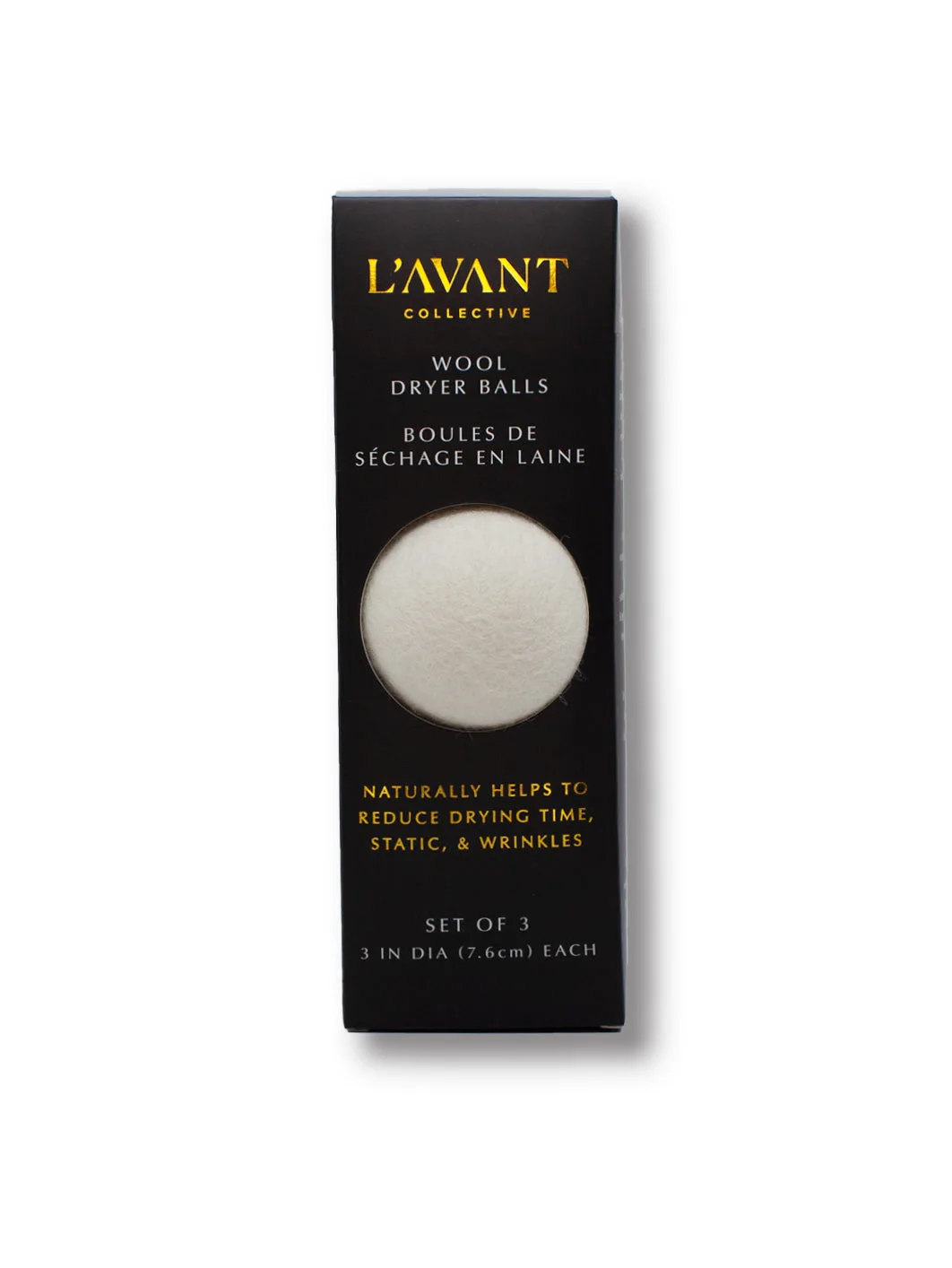
- Skip fabric softener and dryer sheets: Use Wool Dryer Balls instead to reduce drying time and avoid waxy buildup. Common mistake: using softener to mask stiffness that is actually detergent residue. Checkpoint: after two weeks without softener, stiffness should improve if residue was the cause.
Products that help you avoid residue
- Laundry Detergent Travel Pack (Set of 5): Laundry Detergent Travel Pack (Set of 5) provides pre-measured individual dose packets for hand washing in hotel rooms or running loads in condos or vacation rentals. Pre-measured packets remove the guesswork that leads to too much detergent, so you are less likely to leave residue on clothes when washing away from home.
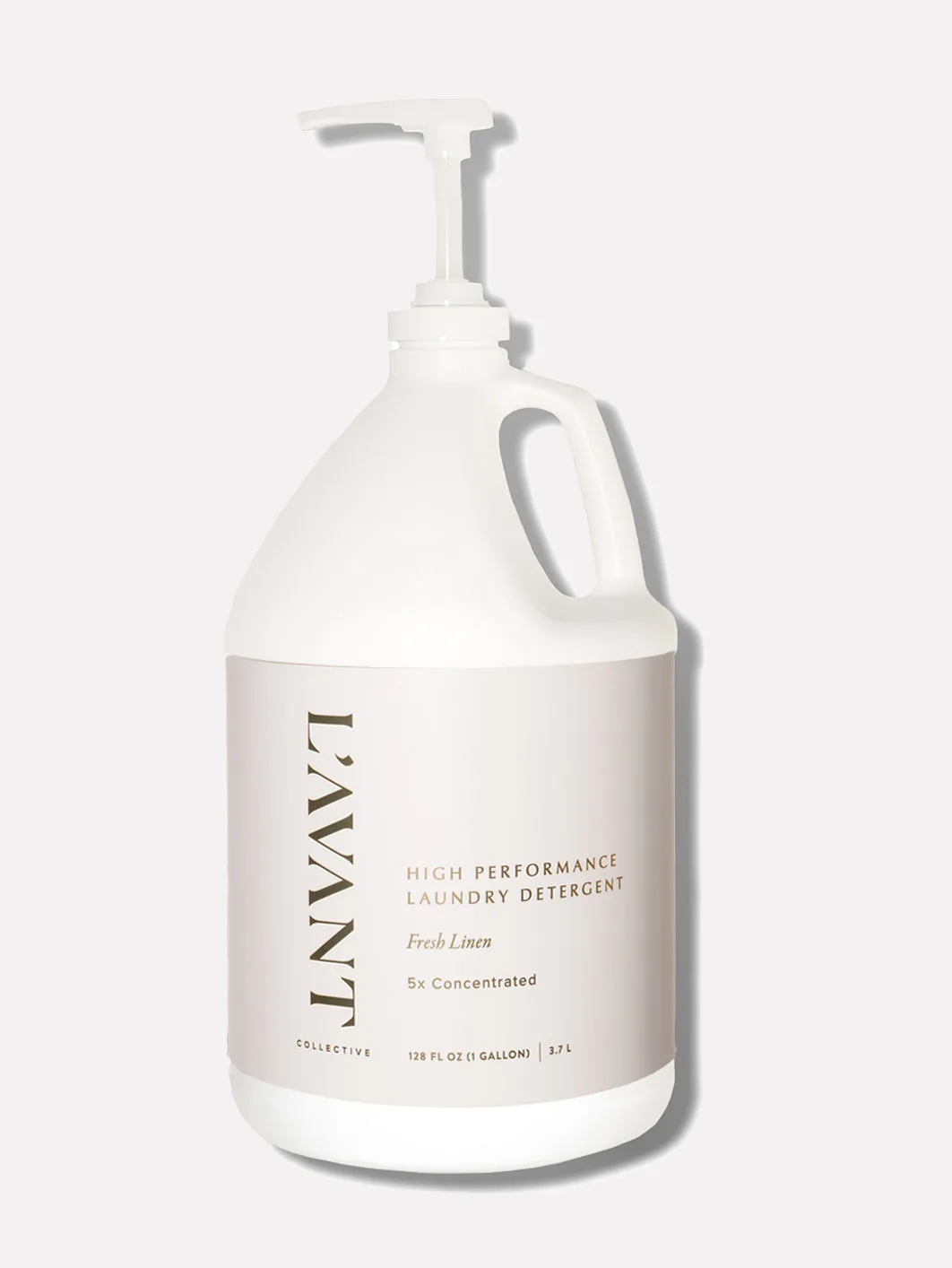
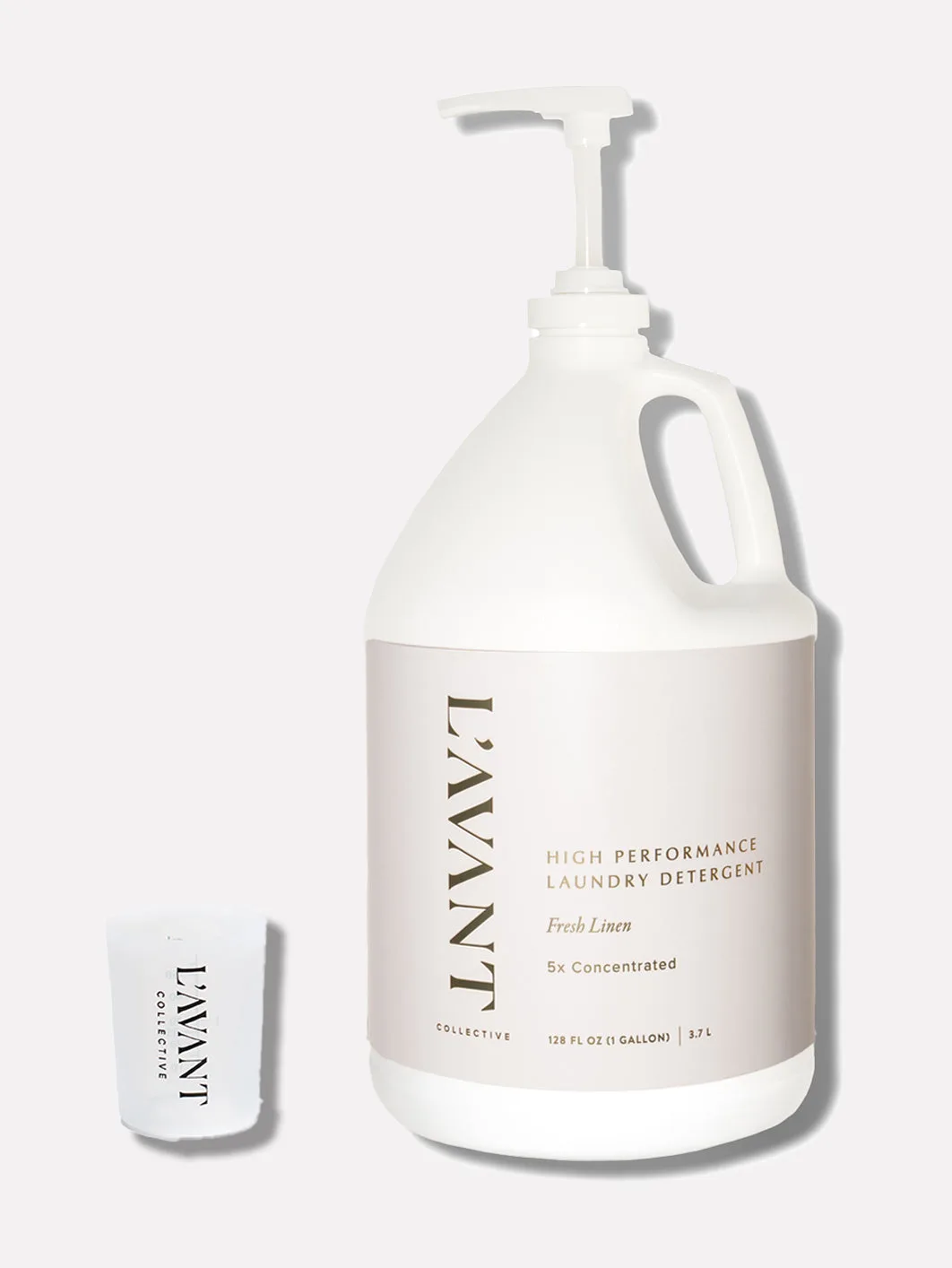
- Laundry Detergent Gallon: Laundry Detergent Gallon is a concentrated formula that is effective in all water temperatures and comes with a recommendation to use 25ml paired with the Silicone Cup for quick measuring. Using the recommended 25ml dose with a measuring cup prevents over-pouring, which is the main cause of detergent residue on clothes and washing machine buildup.
- Wool Dryer Balls: Wool Dryer Balls are a reusable alternative to chemical fabric softeners and single-use dryer sheets, and they help clothes dry faster. Switching from fabric softener to dryer balls avoids the waxy coating that can trap detergent residue and make clothes feel stiff.