Quick answer
Act fast: blot, apply a natural grease stain remover, and wash in the warmest water the care tag allows. For cooking oil, a drop of dish soap can break down fresh grease, but a laundry stain remover spray with enzymes is the most reliable for set-in stains. Always check the stain before drying, because heat sets grease permanently.
Why grease behaves differently from other stains
Grease and oil are nonpolar, so water alone can't lift them. That's why a natural grease stain remover needs either a surfactant (like dish soap) or enzymes that break down fats. The longer grease sits, the more it binds to fabric fibers, so treating within a few hours gives you the best chance. If you can't wash immediately, at least apply a pretreatment and let it sit rather than letting the stain dry untreated.
What to use (and what to avoid)
For a gentle, effective option, use a laundry stain remover spray for grease that is unscented and enzyme-based. Dish soap for grease stains works as a spot treatment, but choose a clear, dye-free formula and rinse thoroughly before washing to avoid suds overload. Avoid bar soap or heavy lotions, which can leave their own residue. Always test on an inside seam first, especially on silk, wool, or dark fabrics.
Step-by-step method
Work on a flat surface with a clean white cloth or paper towel under the stain. Use the steps below in order, and don't skip the pre-wash check.
How to remove grease and oil stains: step by step
- Blot, don't rub: Use a clean white cloth or paper towel to press down on the stain and lift excess oil. Rubbing spreads the grease and pushes it deeper into fibers. Checkpoint: the cloth should show oil transfer; if not, the stain may already be set.
- Apply a natural grease stain remover: Spray a laundry stain remover for grease directly on the stain, or add a drop of clear dish soap for grease stains. Let it sit for 5–10 minutes. Common mistake: skipping the dwell time. Enzymes and surfactants need a few minutes to work.
- Work it in gently: Use your fingers or a soft-bristle brush to massage the remover into the fabric. Don't scrub aggressively, which can pill or damage the surface. Checkpoint: the stain should look wet and evenly covered, not dry at the edges.
- Wash in the warmest safe water: Check the care tag and choose the warmest water allowed. Add an enzyme-based detergent like Super Powder Laundry Detergent with Enzymes and run a normal cycle. Common mistake: using cold water for grease. Warm water helps release oils, but always follow the tag.
- Air-dry and inspect: Before putting the item in the dryer, let it air-dry and check the stain under good light. If any grease remains, repeat the pretreatment and wash. Critical checkpoint: dryer heat sets grease permanently, so never dry until the stain is completely gone.
Products that help with grease stains
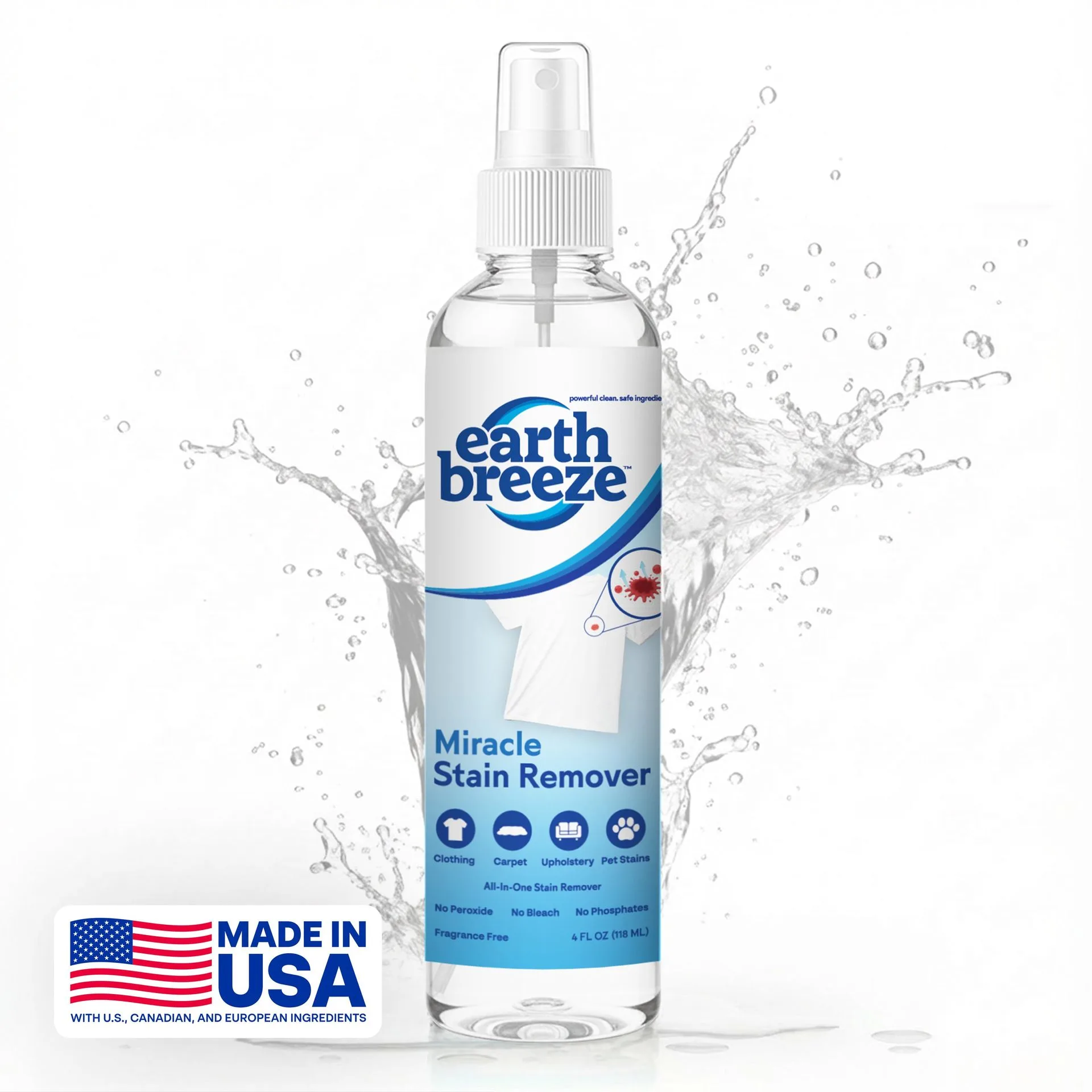
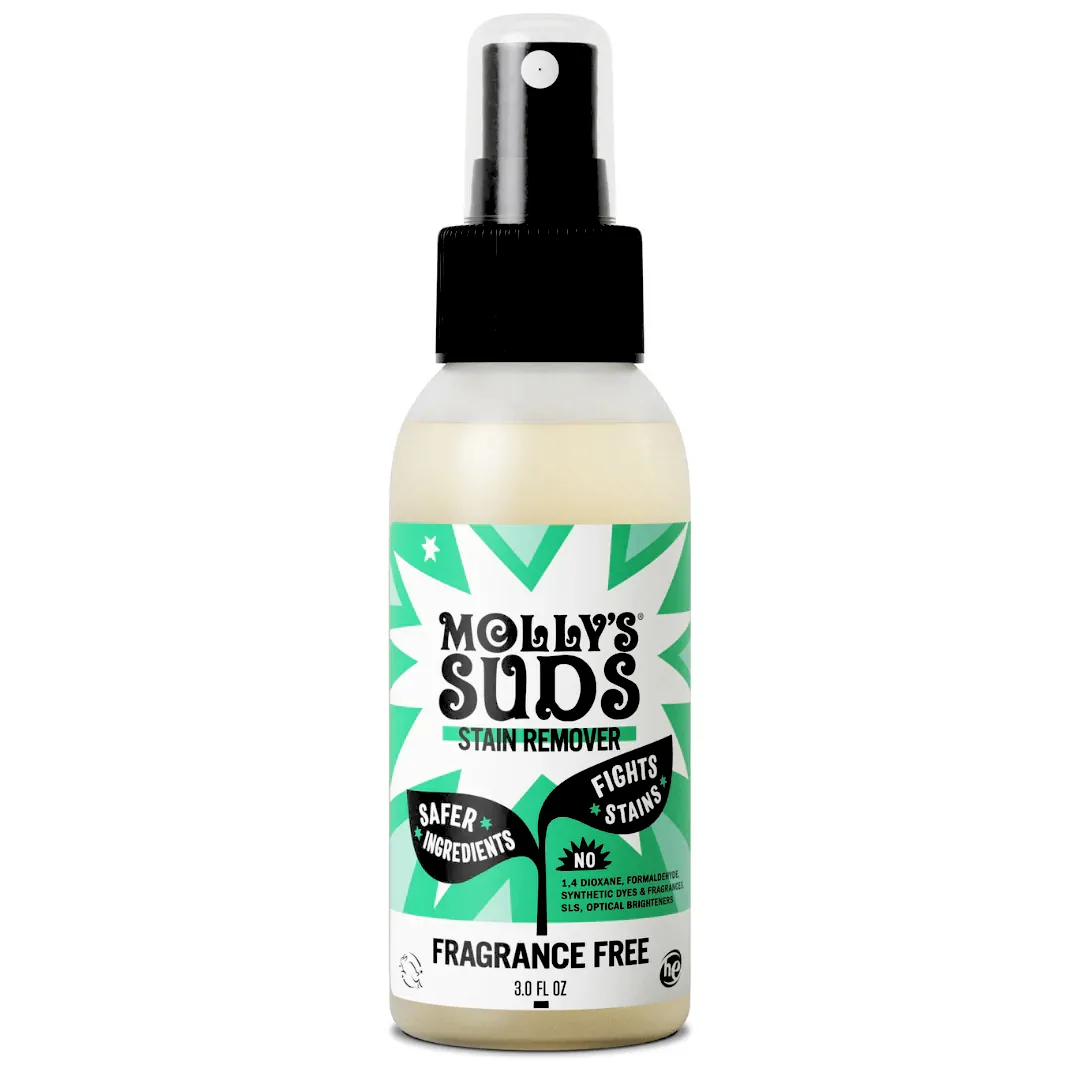
- Laundry Stain Remover Spray: Laundry Stain Remover Spray with powerful enzymes that break down and lift away stubborn stains; unscented and gentle on sensitive skin; can be used to pre-treat all washable fabrics. Enzymes target the fats in grease and oil, so you can pre-treat without adding fragrance or harsh chemicals. It's safe for everything from everyday cottons to pet bedding.
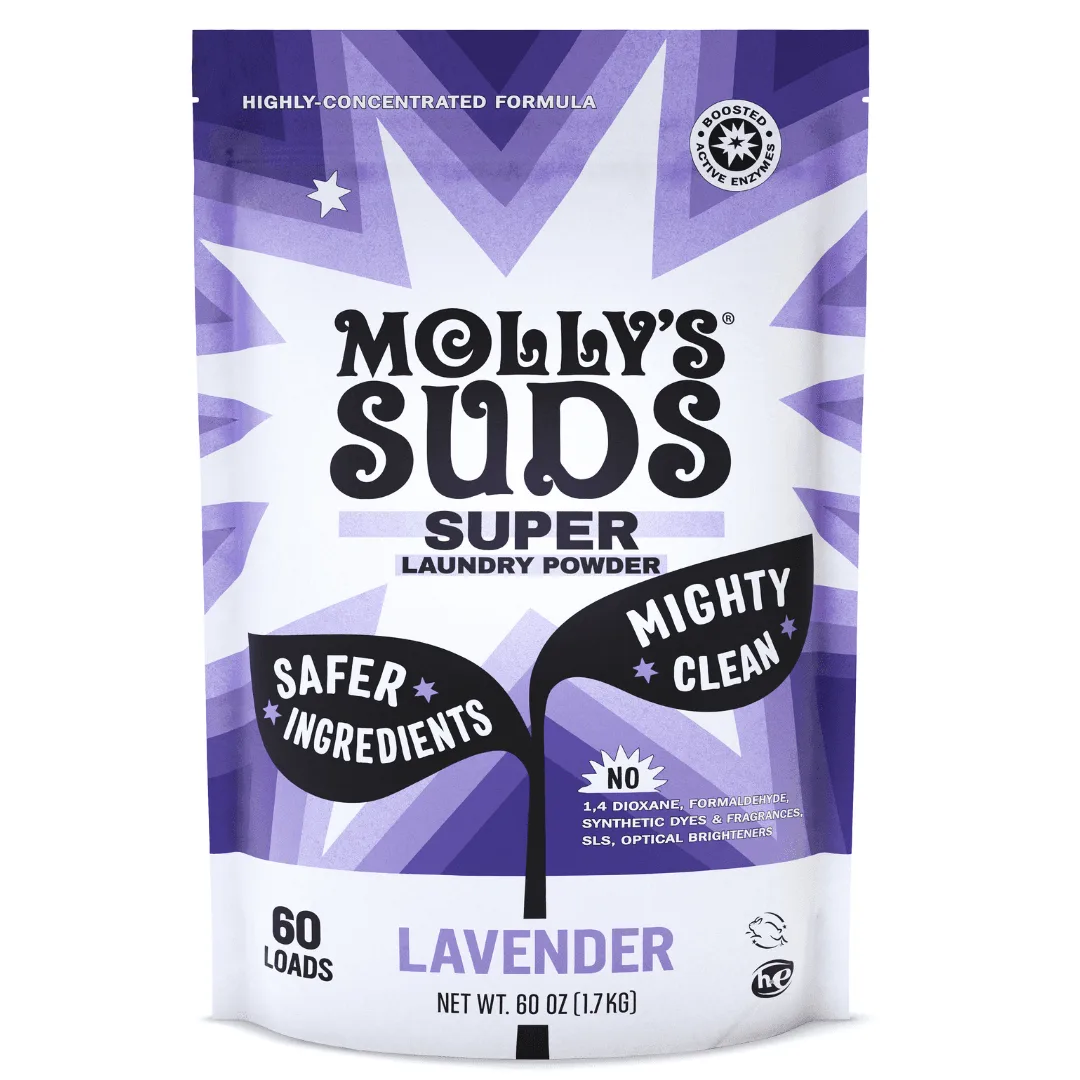
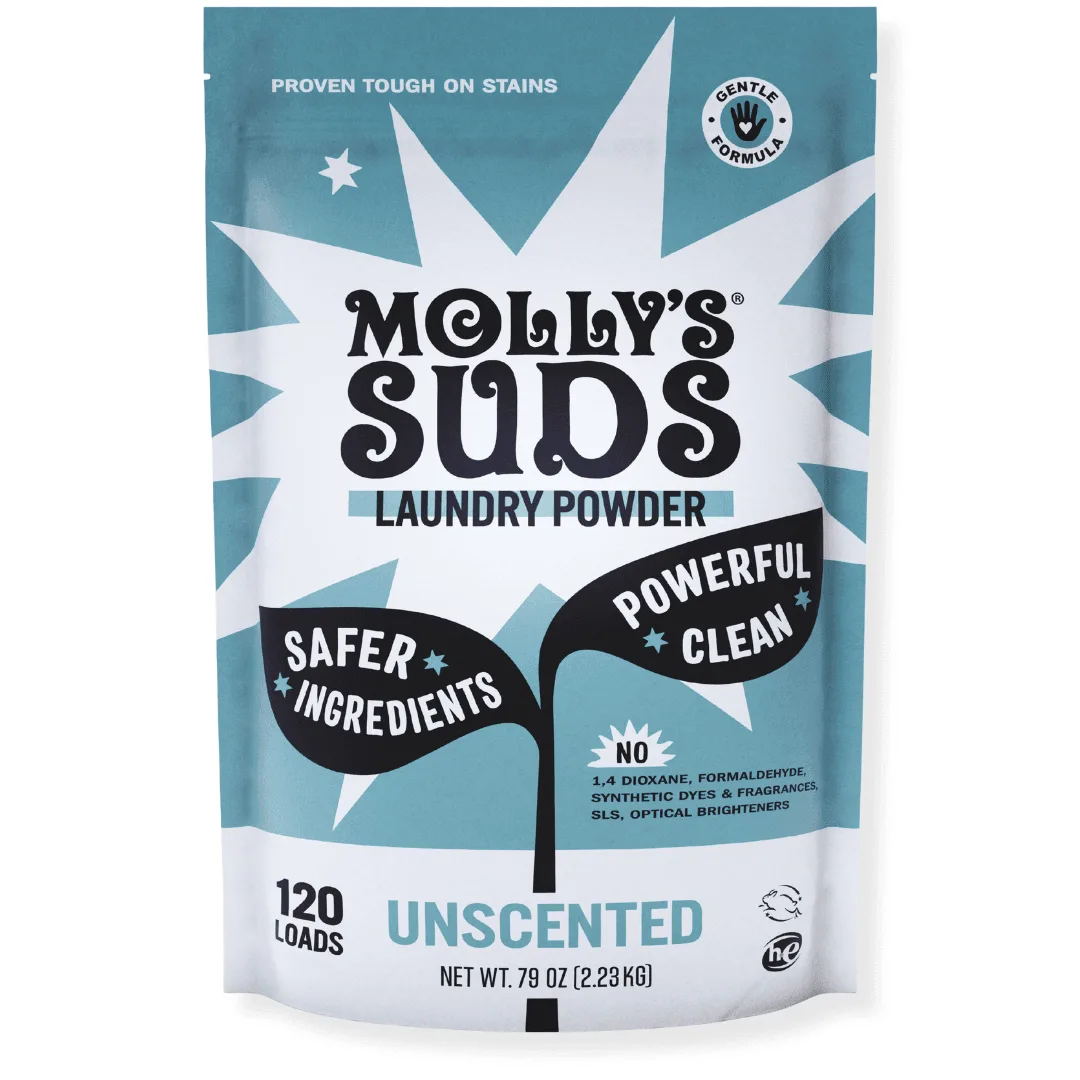
- Super Powder Laundry Detergent with Enzymes: Super Powder Laundry Detergent with active enzymes designed to tackle dirtiest laundry; enzymes strip away stains and odors and help reduce pilling; available in Lavender, Ocean Mist, and Unscented; works in standard, commercial, and HE washers. After pre-treating, washing with an enzyme powder gives a second round of grease-fighting action and keeps colors and whites looking better over time.