Lodge cast iron cookware is built to last a lifetime, but even the most seasoned skillet can fall victim to rust if not dried properly or stored in a humid environment. Rust appears as orange or brown spots and can make your pan look unsightly, but don't worry—it's almost always reversible. With the right tools and a little elbow grease, you can remove rust from Lodge cast iron and restore it to its former glory.
In this guide, we'll walk you through two effective methods: a simple scrub for light rust and a full restoration for heavy rust. We'll also share tips on preventing rust from coming back. Whether you're dealing with a beloved skillet or a flea market find, these steps will help you bring your Lodge cookware back to life.
What Causes Rust on Cast Iron?
Rust forms when iron is exposed to oxygen and moisture for an extended period. On cast iron cookware, this typically happens after washing if the pan is not dried immediately or if it's stored in a damp environment. Even the best seasoning can be compromised if water sits on the surface. The good news is that rust is purely cosmetic and does not affect the structural integrity of your pan. Once removed and re-seasoned, your Lodge cast iron will perform just as well as before.
Common causes include leaving the pan to air-dry, washing with soap and not drying thoroughly, or storing it in a humid cabinet. If you live in a coastal area or a region with high humidity, you may notice rust more frequently. Understanding these causes helps you take preventive measures after restoration.
- Always dry your cast iron immediately after washing with a lint-free cloth or paper towel.
- Apply a thin layer of oil before storing to create a protective barrier.
- Store in a dry place, avoiding damp basements or cabinets near the stove where steam can accumulate.
Method 1: Removing Light Rust with Scrubbing
For surface rust that hasn't penetrated deep, a simple scrub with a non-abrasive scouring pad and mild soap can do the trick. Start by rinsing the pan with warm water to loosen any debris. Sprinkle a small amount of coarse salt or use a paste of baking soda and water as a gentle abrasive. Scrub the rusty areas in a circular motion until the orange spots disappear. Rinse thoroughly and dry immediately.
Once the rust is gone, place the pan on the stove over low heat to ensure all moisture evaporates. While the pan is still warm, apply a very thin layer of cooking oil (like vegetable or canola oil) to the entire surface, inside and out. This step is crucial to prevent new rust from forming. Let the pan cool, then wipe off any excess oil with a paper towel. Your pan is now ready to use or store.
- Use a stiff brush or a chainmail scrubber for stubborn spots.
- Avoid steel wool as it can remove too much seasoning and scratch the surface.
- For Lodge skillets with a smooth finish, a nylon scrub pad works well.
Method 2: Full Restoration for Heavy Rust
If your Lodge cast iron has extensive rust or flaking, you'll need to strip it down to bare metal and start fresh. This process involves removing all old seasoning and rust using either a commercial rust remover or a vinegar soak. For a vinegar soak, mix equal parts white vinegar and water in a container large enough to submerge the pan. Soak for 30 minutes to 1 hour, checking periodically. The vinegar reacts with the rust, making it easy to scrub off.
After soaking, scrub the pan with a scouring pad or steel wool (now it's safe because you're stripping everything). Rinse with water and dry immediately. Next, you need to re-season the pan from scratch. Preheat your oven to 350°F (175°C). Apply a thin layer of oil to the entire pan, then place it upside down on the oven rack with a baking sheet on the lower rack to catch drips. Bake for one hour, then turn off the oven and let the pan cool inside. Repeat this oiling and baking process 2-3 times for a durable new seasoning.
- For stubborn rust, use a commercial rust remover like Evapo-Rust, following product instructions.
- After stripping, the pan may look gray—this is normal and will darken with seasoning.
- Consider using flaxseed oil for a hard, glossy seasoning layer.
Preventing Rust After Restoration
Once your Lodge cast iron is rust-free and re-seasoned, proper maintenance will keep it in top condition. Always dry your pan thoroughly after each use—place it on a warm burner for a minute to evaporate any hidden moisture. Apply a light coat of oil before storing, especially if you won't use the pan for a while. Store pans in a dry cabinet, and if stacking, place a paper towel between them to absorb moisture.
If you notice small rust spots reappearing, don't panic. Simply scrub them off with salt and a little oil, then re-season that area. With consistent care, your Lodge cast iron can last for generations. Investing a little time in restoration now will reward you with years of reliable cooking.
- Use a silicone potholder like the Silicone and Fabric Potholder to handle hot pans safely.
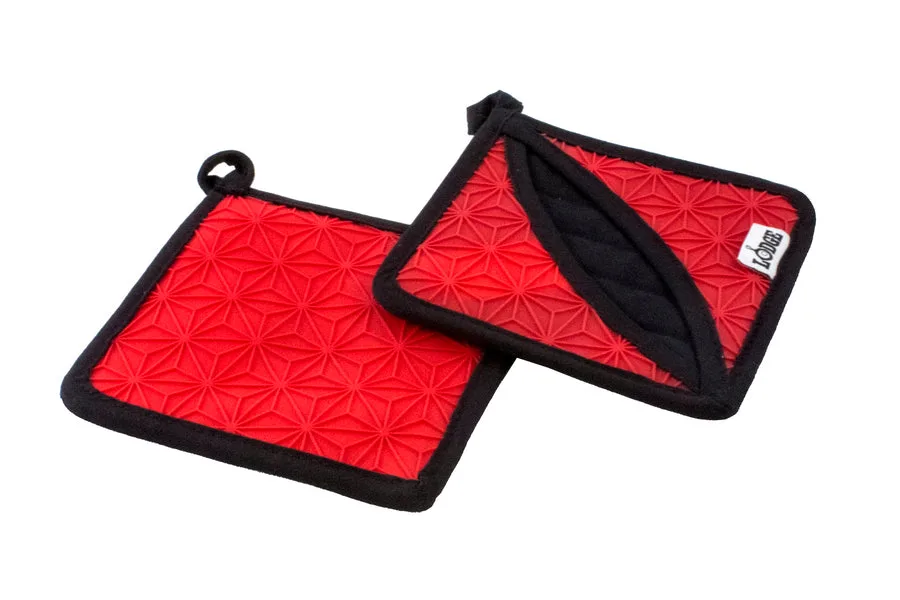
Silicone and Fabric Potholder
- For outdoor cooking, consider the Fire & Cook Stand to keep your pan off damp ground.
- A Seasoned Cast Iron Round Grill Press can help maintain even heat and prevent moisture buildup during cooking.
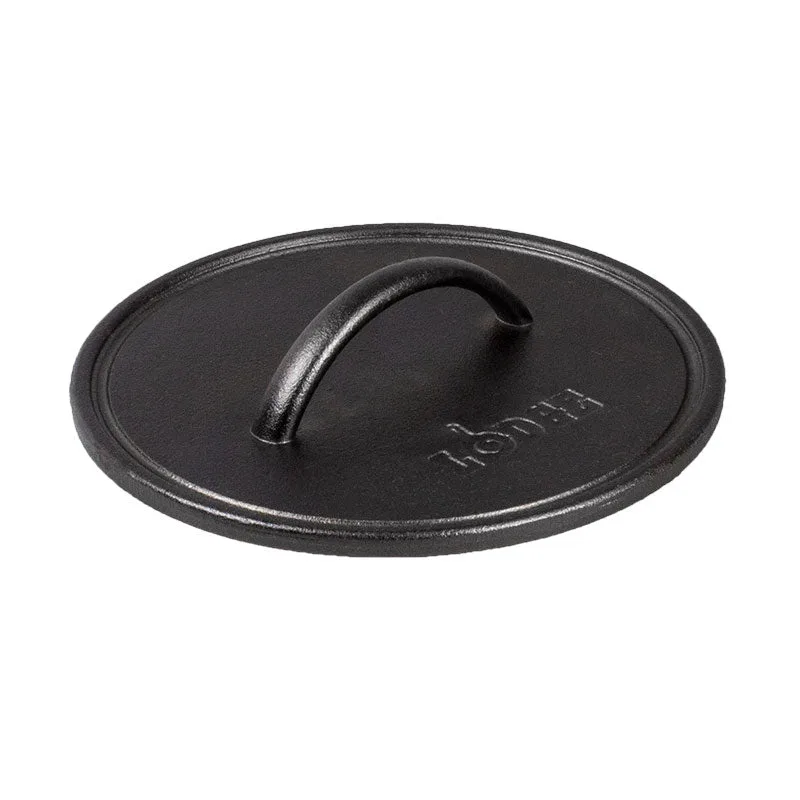
Seasoned Cast Iron Round Grill Press
Restoring rusty Lodge cast iron is a straightforward process that anyone can do at home. Whether you choose a quick scrub for light rust or a full vinegar soak for heavy rust, the key is to dry and re-season thoroughly. Once restored, your cookware will perform beautifully for years. For a versatile pan that's perfect for everyday use, check out the Seasoned Cast Iron Heart Skillet—it's a charming addition to any kitchen and easy to maintain with these tips.