We've all been there: you buy a new jar of pasta sauce or a beautiful glass bottle, and you can't wait to reuse it. But that stubborn label just won't budge. Peeling it off leaves behind a sticky, gooey residue that collects dust and grime. Removing sticky labels and stickers from any surface can be a frustrating chore, but with the right techniques and tools, you can make it quick and painless.
In this guide, we'll explore the best methods for removing labels and stickers from glass, plastic, metal, and even wood. We'll also introduce you to a game-changing kitchen tool that takes the hassle out of label removal, so you can spend less time scrubbing and more time enjoying your beautifully organized kitchen.
Why Sticky Residue Is So Stubborn
Sticky labels are designed to adhere firmly to surfaces, using strong adhesives that are meant to withstand heat, moisture, and time. The same properties that make them durable also make them difficult to remove. When you peel off a label, the adhesive often remains behind, bonding to the surface at a microscopic level.
Different surfaces require different approaches. For example, glass is non-porous and can handle stronger solvents, while plastic may be damaged by harsh chemicals. Understanding the surface you're working with is the first step to successful label removal.
- Always test a small, inconspicuous area first when using chemical solvents.
- Avoid using metal scrapers on non-stick or delicate surfaces.
Quick and Effective Methods for Removing Labels
There are several household items that can work wonders on sticky residue. One of the most popular is cooking oil. Apply a generous amount of oil (such as olive or vegetable oil) to the label and let it sit for a few minutes. The oil penetrates the adhesive, breaking its bond. Then, simply rub the label off with a cloth or your fingers.
Another effective method is using a mixture of baking soda and oil. Create a paste and apply it to the residue, letting it sit for 10 minutes before scrubbing. This gentle abrasive helps lift the adhesive without scratching the surface.
For glass jars, soaking in warm soapy water can soften the label. Fill the jar with hot water and let it sit for 15-20 minutes. The heat and moisture weaken the adhesive, making it easier to peel off. For stubborn labels, you can add a bit of vinegar to the water for extra power.
- Use a plastic scraper or an old credit card to avoid scratching surfaces.
- For tough residue, repeat the process or combine methods.
The Dreamfarm Cleana: Your Ultimate Label Remover
Cleana
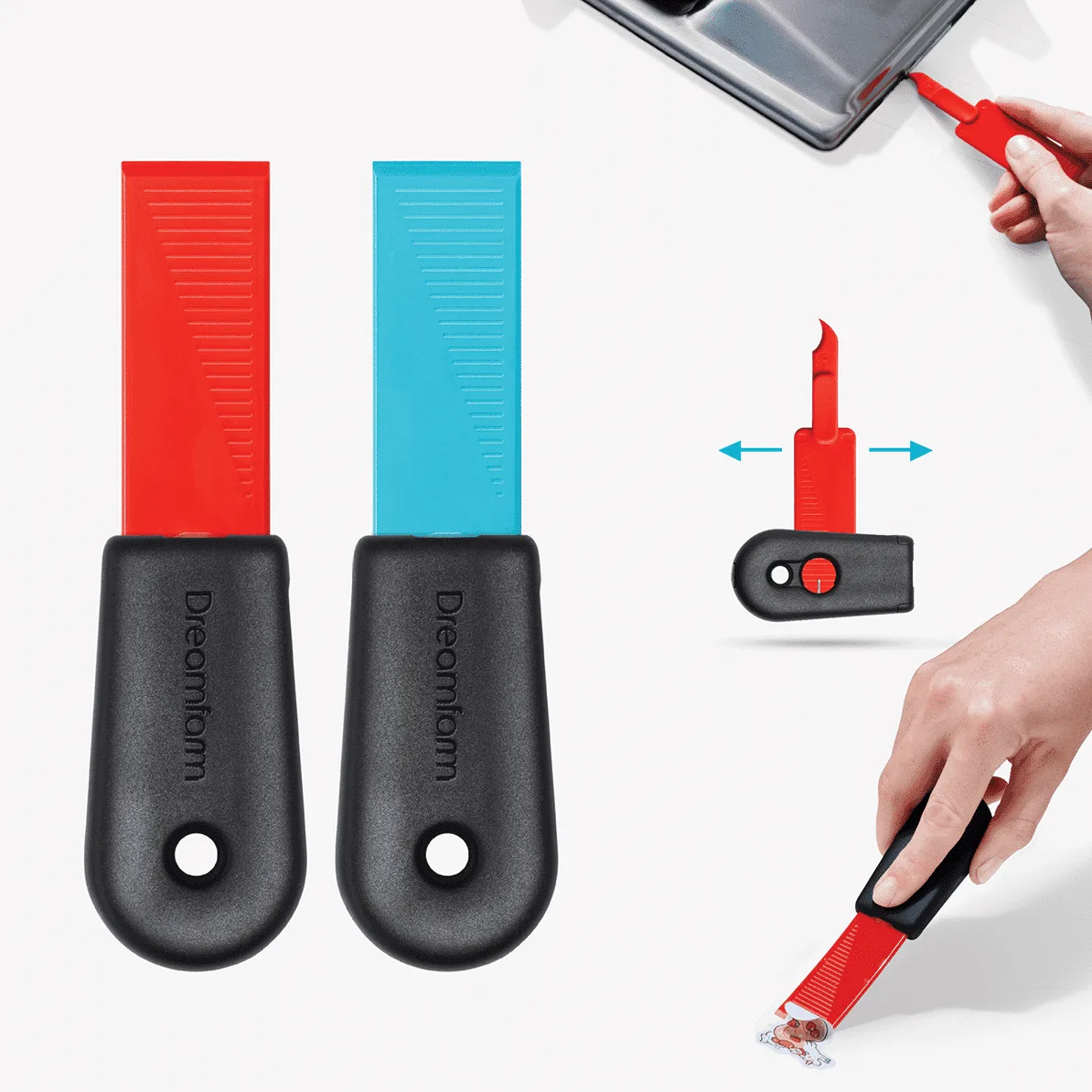
If you're tired of messy DIY methods, there's a dedicated tool designed to make label removal effortless: the Dreamfarm Cleana. This innovative label and sticker remover is a must-have for any kitchen. It features a unique scraping edge that is safe on glass, plastic, and metal, and it comes with a built-in adhesive eraser that lifts away sticky residue without leaving scratches.
The Cleana is ergonomically designed for comfort, making it easy to grip and use for extended periods. Whether you're removing price tags from new kitchenware or cleaning up old jars for storage, the Cleana does the job quickly and cleanly. It's a versatile tool that belongs in every drawer.
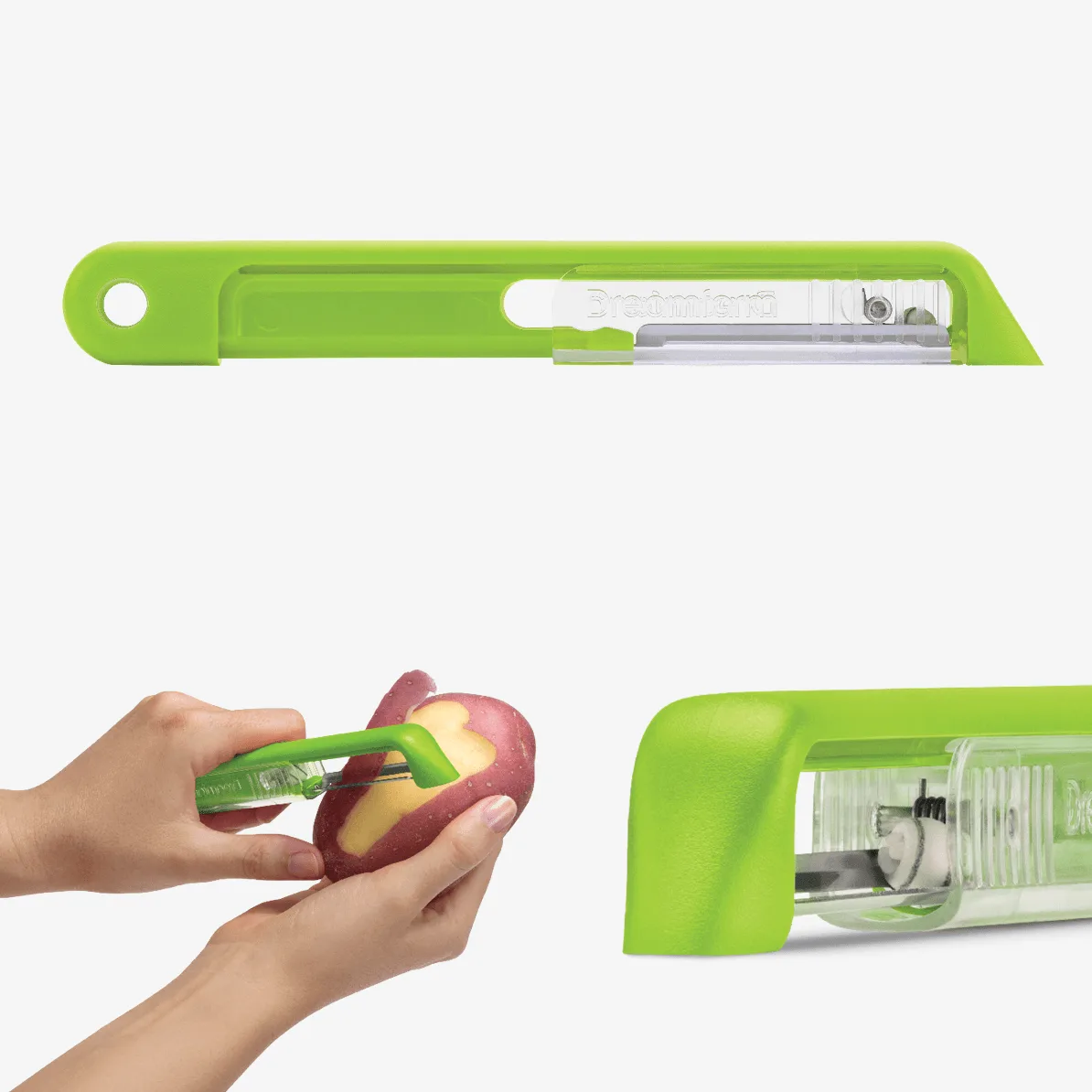
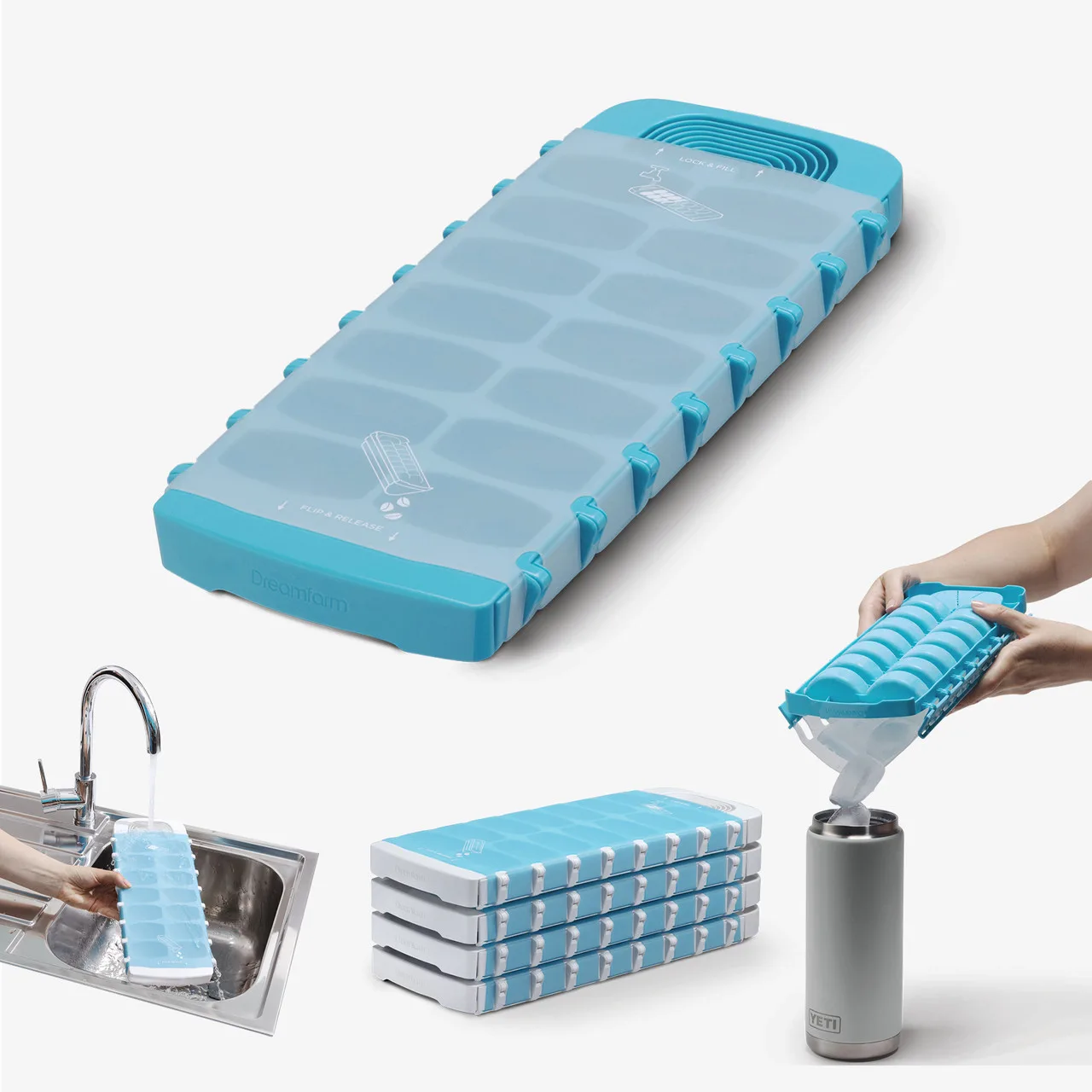
For a complete kitchen cleaning toolkit, consider pairing the Cleana with other essential tools like the Sharple self-sharpening peeler or the Nospilla ice cube tray. These products complement your kitchen routine and make everyday tasks more enjoyable.
- The Cleana's scraper is safe for use on non-stick surfaces.
- Its eraser wheel is replaceable, ensuring long-lasting use.
Removing Labels from Different Surfaces
Glass: Glass is the easiest surface to work with. Use a razor blade or the Cleana's scraper at a 45-degree angle to lift the label. For residue, apply a bit of rubbing alcohol or nail polish remover to dissolve the adhesive. Always wipe clean afterward.
Plastic: Plastic is more delicate. Avoid harsh chemicals like acetone, which can cloud or melt the surface. Instead, use a mixture of warm water and dish soap, or a paste of baking soda and water. Gently rub the residue with a soft cloth. The Cleana's gentle scraper is perfect for plastic, as it won't scratch.
Metal: Metal surfaces can handle stronger solvents. Use a commercial adhesive remover or a mixture of vinegar and water. For stubborn residue, let the solution sit for a few minutes before scrubbing. The Cleana's scraper can also be used on metal, but be careful not to scratch painted surfaces.
- For wood surfaces, use a mild soap and water solution, and avoid soaking the wood.
- Always dry surfaces thoroughly after cleaning to prevent water spots.
Preventing Sticky Residue in the Future
To avoid the hassle of sticky residue, consider removing labels immediately after purchase when the adhesive is fresh. You can also use a hairdryer to heat the label before peeling; the heat softens the adhesive, making it easier to remove cleanly.
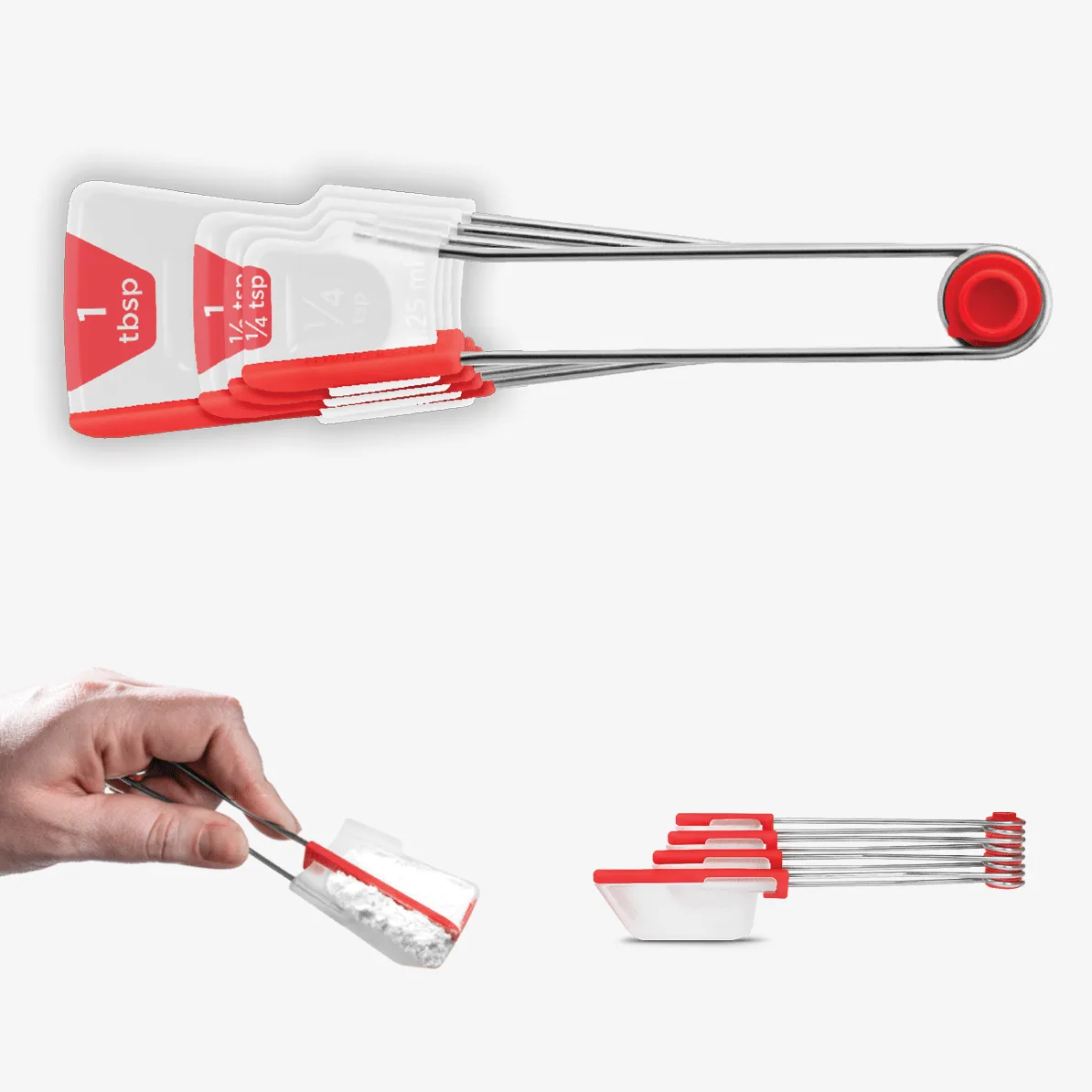
Another tip is to apply a thin layer of oil or petroleum jelly around the edges of the label before peeling. This prevents the adhesive from bonding too strongly. For reusable jars, you might also want to invest in a set of Levoons self-levelling measuring spoons and other kitchen tools that come in minimalist packaging, reducing the number of labels you need to deal with.
- Store jars with labels removed to keep your pantry looking clean.
- Use a label remover tool like the Cleana for quick touch-ups.
Removing sticky labels and stickers doesn't have to be a chore. With the right techniques and tools, you can tackle any surface with ease. For a hassle-free experience, try the Dreamfarm Cleana label remover – it's designed to make your life easier. Say goodbye to sticky residue and hello to a cleaner, more organized kitchen!