Quick answer
If the tear is a small cut or pinhole in the seat fabric with no fraying at the seams, a peel-and-stick or iron-on fabric patch usually holds and keeps the chair in service. If the fabric is frayed, the seam has failed, or the tear is longer than a few centimeters across a load-bearing area, stop riding on it and order a replacement seat or case instead of patching.
A torn seat is the most common failure point on any ultralight camping chair, because the fabric carries your full weight every time you sit down. The good news is that most tears fall into two clear groups: cosmetic damage you can patch yourself, and structural damage that no patch will fix safely.
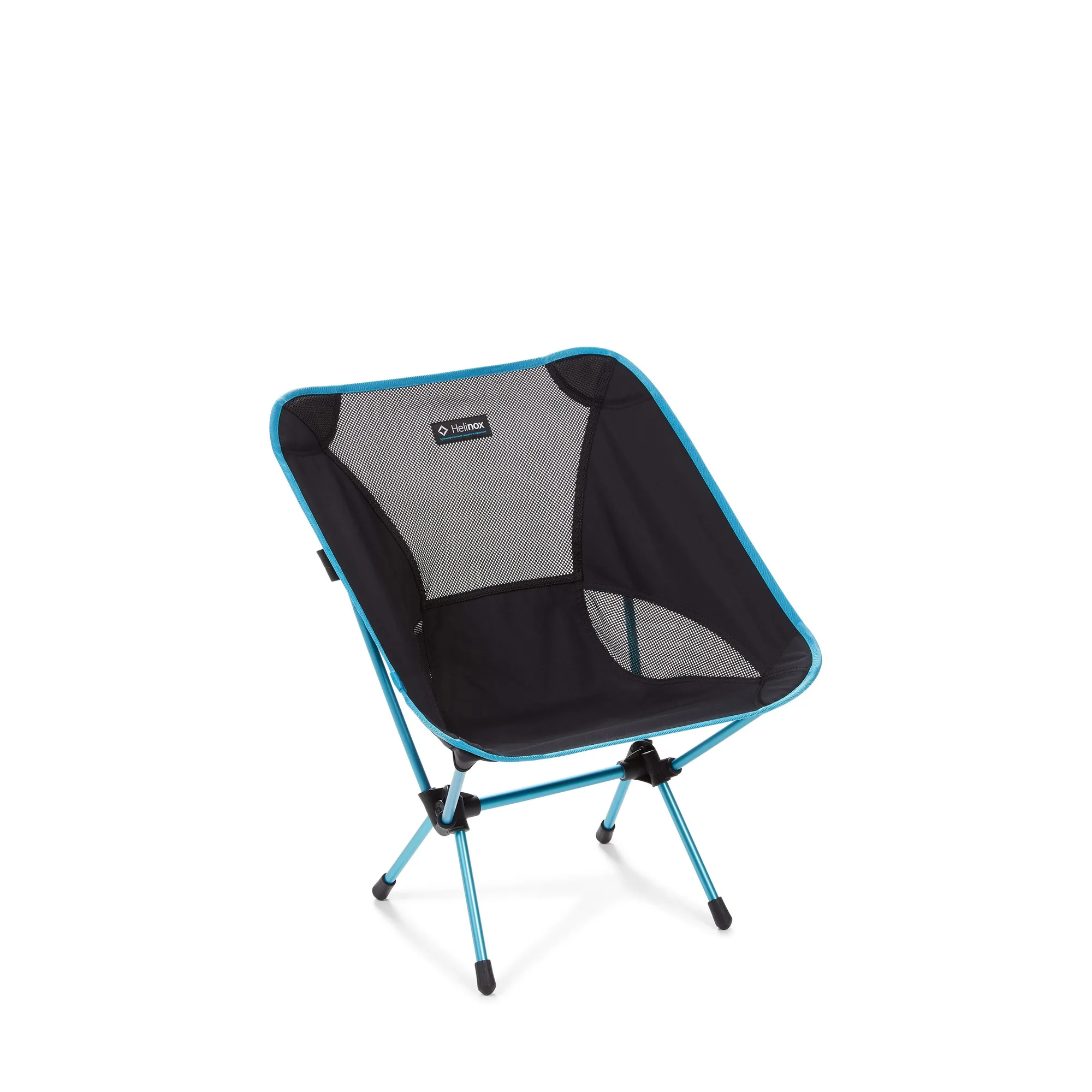
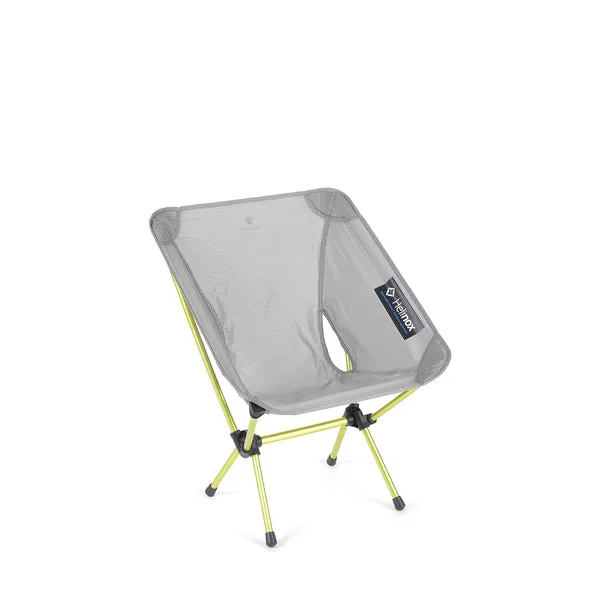
This guide walks through the symptom, the likely cause, the corrective action, and the exact point where you should stop repairing and choose a replacement part. It applies to the Chair One, Chair Zero, and similar Helinox seat designs, and it uses the same replacement parts logic for bags and cases.
Chair Zero
Start with the symptom: what the tear actually looks like
Before you buy anything, look at the damage in daylight and answer three questions. Is the fabric itself cut, or has the stitching pulled away from the seam? Is the tear in the flat center of the seat where your weight sits, or near an edge where the fabric wraps the frame? And is the surrounding fabric still taut and clean, or is it thin, faded, and fuzzy?
A clean cut in the middle of the seat panel is the easiest case. A split along a seam, a tear that grows when you pull the fabric, or visible fraying around the hole all point to a different problem: the fabric has lost strength, not just continuity. That distinction decides whether you repair or replace.
- Mark the ends of the tear with a marker before you handle the chair, so you can tell later whether it is spreading.
- Photograph the damage with the chair assembled, then again with the fabric off the frame if the design allows it.
Likely cause: why ultralight seat fabric tears
Ultralight chairs trade fabric thickness for packability, so the seat panel is deliberately thin and strong rather than thick and abrasion-resistant. Most tears come from three sources: a sharp object in the same stuff sack (a tent stake, a pot handle, a zipper pull), repeated abrasion against rock or grit at the campfire, or overloading the chair beyond its intended weight capacity.
A fourth cause is age. Fabric that has spent seasons in UV light and repeated compression loses elasticity, and once it stops stretching it starts splitting. If your tear appeared with no obvious snag, and the fabric around it feels stiff or powdery, treat it as an age failure rather than an accident.
- Check your stuff sack for sharp contents; a single stake tip can cut a seat panel in transit.
- Compare the tear location to where your frame hubs or leg tips contact the fabric; repeated contact points are a design stress area.
Corrective action: patching a small, clean tear
For a small cut with clean edges, a fabric repair patch is a reasonable field fix. Clean the area with water and let it dry completely, round the corners of the patch so it does not peel, and apply it to both sides of the fabric if you can reach them. Press firmly, then let the chair sit unloaded for the full cure time before you sit in it.
Do not use tape alone on a load-bearing seat. Tape is a temporary field fix, not a repair. If you are mid-trip, tape the tear, keep your weight centered, and plan to patch or replace the part when you get home. Never stitch a structural tear with ordinary thread; needle holes create new tear lines in thin ripstop fabric.
- Test the patch by pressing your palm over it with the chair on the ground before you commit your full weight.
- If the patch peels at the edges after one sitting, the fabric around it is too degraded for adhesive repair.
When to stop repairing and replace the part
Stop repairing when the tear is longer than a few centimeters, crosses a seam, sits where the frame presses into the fabric, or keeps reappearing next to an earlier patch. Stop immediately if the fabric feels brittle, if you can see light through thin spots, or if the chair flexes differently than it used to when you sit down.
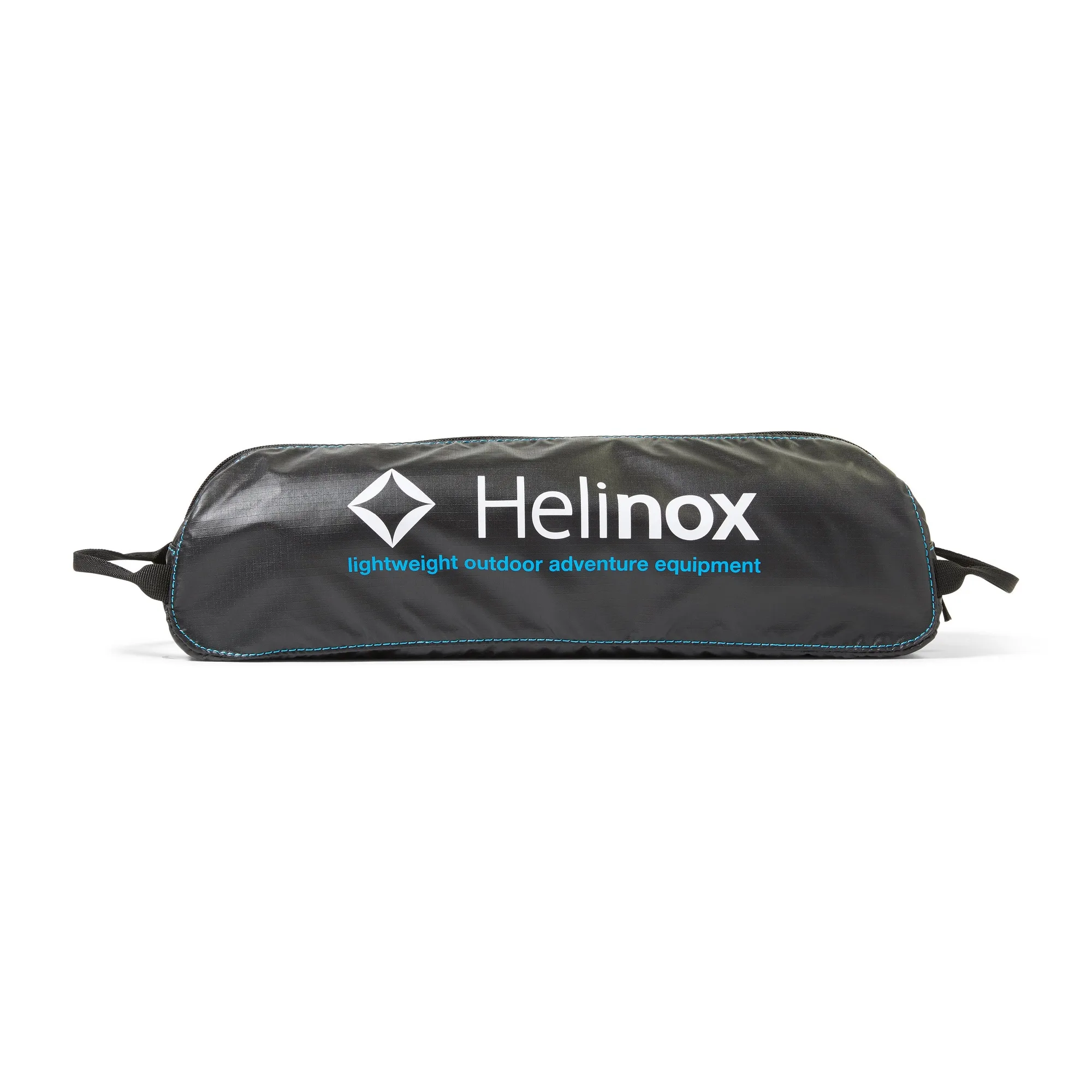
At that point, replacement parts are the safer and often cheaper route. Helinox sells specific replacement components rather than a universal seat, so match the part to your exact model. A replacement case is also worth ordering at the same time if your original stuff sack has stretched or lost its drawcord, since a loose bag lets the frame rub the fabric in transit.
- Do not keep sitting in a chair with a seam failure; the fabric can release suddenly under load.
- Order the part by exact model name, because seats and cases are not interchangeable across chair lines.
Preventing the next tear
Most repeat tears are transport problems, not sitting problems. Store the chair in its own bag with nothing sharp, and avoid compressing the frame against the fabric for long periods. When you set up, clear sharp rocks and pine cones from under the legs, and sit down gently rather than dropping into the seat.
Weight capacity matters too. If you are near the upper end of your chair's range, a model with a higher capacity and more stability will put less stress on the same fabric panel. That is a better long-term fix than patching the same seat every season.
- Rotate the chair in the bag so frame hubs do not sit against the same fabric spot every trip.
- Rinse and dry the seat fabric after sandy or gritty trips; embedded grit acts like sandpaper.
Tear diagnosis: symptom, cause, action, stop point
- Small clean cut, no fraying: Usually caused by a sharp object in the stuff sack or a single snag. Clean and dry the fabric, apply a rounded fabric patch to both sides if reachable, and let it cure fully before loading. Repair is reasonable. Recheck the patch after the first sitting.
- Tear along a seam or stitch line: Stitching has failed or the fabric has lost strength at the seam. Adhesive patches do not restore seam strength, and home stitching adds needle holes to thin fabric. Stop repairing. Order the correct replacement seat or part for your model.
- Fabric feels brittle, thin, or powdery: Age and UV exposure have degraded the panel. New tears will keep appearing next to old patches because the surrounding material is no longer strong. Replace the seat or move to a higher-capacity model rather than patching again.
- Tear grows when you pull the fabric: The rip is propagating through the weave, which means the panel cannot carry your weight predictably. This is a safety stop, not a cosmetic issue. Do not sit in the chair. Replace the part before your next trip.
- Repeated tears at frame contact points: The frame is pressing into the same spot each time you sit, often made worse by worn feet or a stretched stuff sack that lets hardware rub the fabric. Replace the seat and the wear parts, such as feet or the case, at the same time.
Replacement parts that match this problem
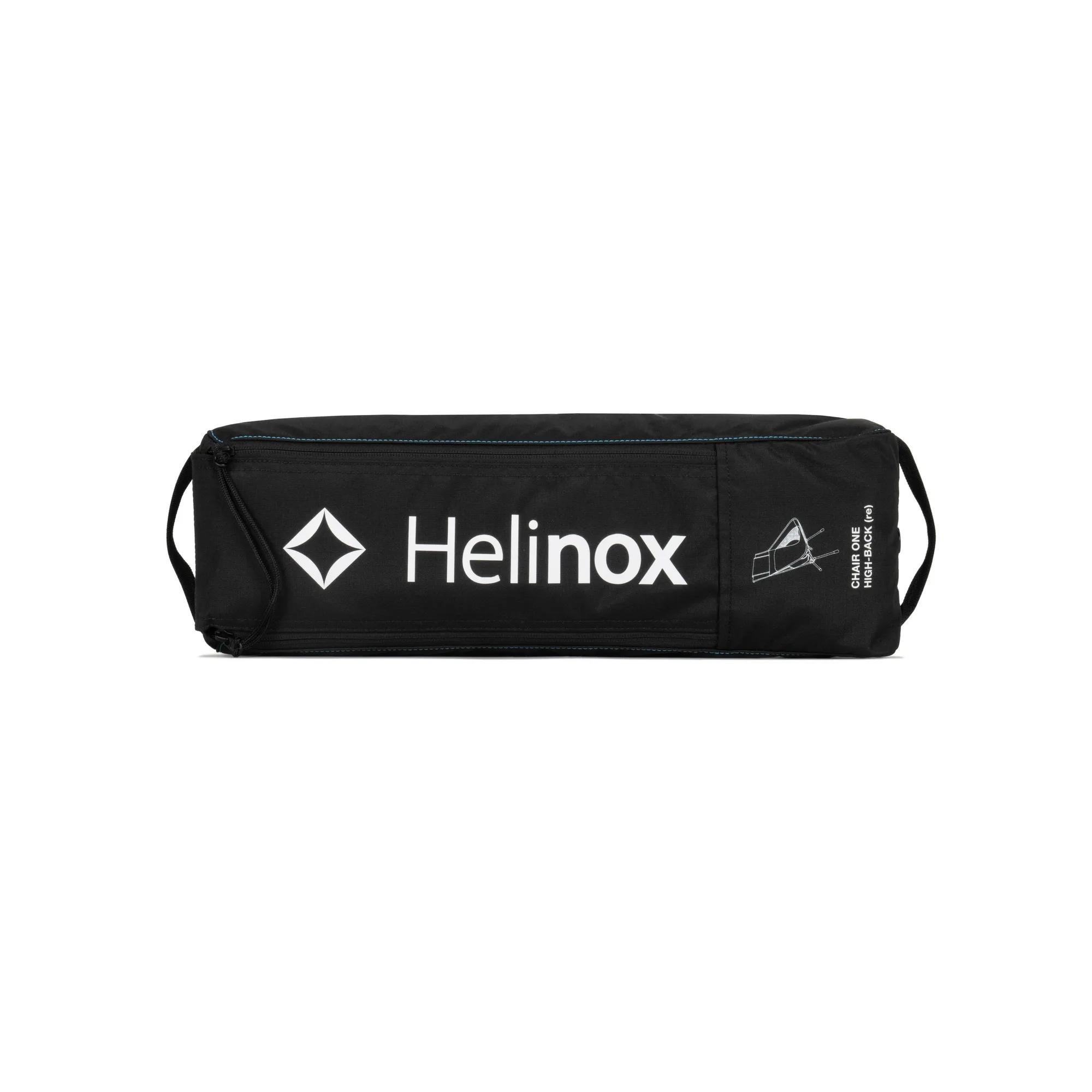
- Chair One Highback (re) Replacement Case: Bag for Chair One Highback (re). If your tear started as transit abrasion, a fresh case removes the cause instead of just fixing the symptom.
- https://helinoxgx.com/products/table-one-hard-top-case-05d385f2d1f25d54cfed514c-1905949Table One Hard Top Replacement Case: Replacement Bag for the Table One Hard Top. Shows the same replacement logic applies across Helinox gear: match the bag to the exact model rather than improvising.
- Cot One Convertible Long Replacement Case: Replacement Bag for the Cot One Convertible Long. Useful if you pack a cot and chair together and want each item protected from the other's hardware.
- Chair Zero High-Back Feet Replacement (set of 2): Pair of replacement feet for the Chair Zero High-Back. Worn feet let the frame sit lower and change how the seat fabric loads, so replacing cheap wear parts protects the seat.
Patch small, clean cuts and keep hiking. Replace the seat or the worn part the moment the fabric frays, the seam fails, or the tear starts spreading, because a seat that releases under load is not worth the risk. Match every replacement to your exact Helinox model, and fix the transport habits that caused the tear in the first place.