Your skin barrier—the outermost layer of your epidermis—acts as a protective shield against environmental aggressors, pollutants, and bacteria while locking in moisture. When this barrier is compromised, you may experience redness, dryness, flakiness, stinging, or increased sensitivity. Common culprits include over-exfoliation, harsh cleansers, extreme weather, stress, and prolonged use of strong active ingredients like retinoids or acids without proper hydration.
Repairing a damaged skin barrier requires patience, a gentle routine, and the right ingredients. This step-by-step guide will walk you through a recovery routine that soothes inflammation, restores lipid balance, and strengthens your skin's natural defenses. We'll highlight key products from Facetheory that support barrier repair without irritation.
Step 1: Strip Back Your Routine to the Basics
When your skin barrier is compromised, the worst thing you can do is pile on more active ingredients. Pause all exfoliating acids (AHA, BHA), retinoids, vitamin C serums, and any products with high concentrations of alcohol or fragrance. For at least two to four weeks, stick to a minimalist routine: a gentle cleanser, a hydrating toner, a moisturizer rich in lipids, and a soothing serum.
Focus on cleansing only once or twice daily with a non-foaming, cream-based cleanser that won’t strip natural oils. Avoid hot water and harsh scrubbing—lukewarm water and soft patting with a towel are your new best friends. This step is crucial to stop further irritation and allow your barrier to begin its natural healing process.
- Switch to a gentle, sulfate-free cleanser
- Avoid physical exfoliation (scrubs, brushes, washcloths)
- Limit cleansing to once daily if your skin feels tight
Step 2: Replenish Moisture with a Hydrating Toner
After cleansing, your skin is most receptive to hydration. A hydrating toner can deliver a surge of water-binding ingredients like glycerin, hyaluronic acid, and panthenol. Look for alcohol-free formulas that soothe rather than sting. The Ectoin BarrierBuild Milk is an excellent choice—it combines ectoin, a powerful stress-protection molecule, with ceramides and oat lipids to calm inflammation and reinforce the barrier.
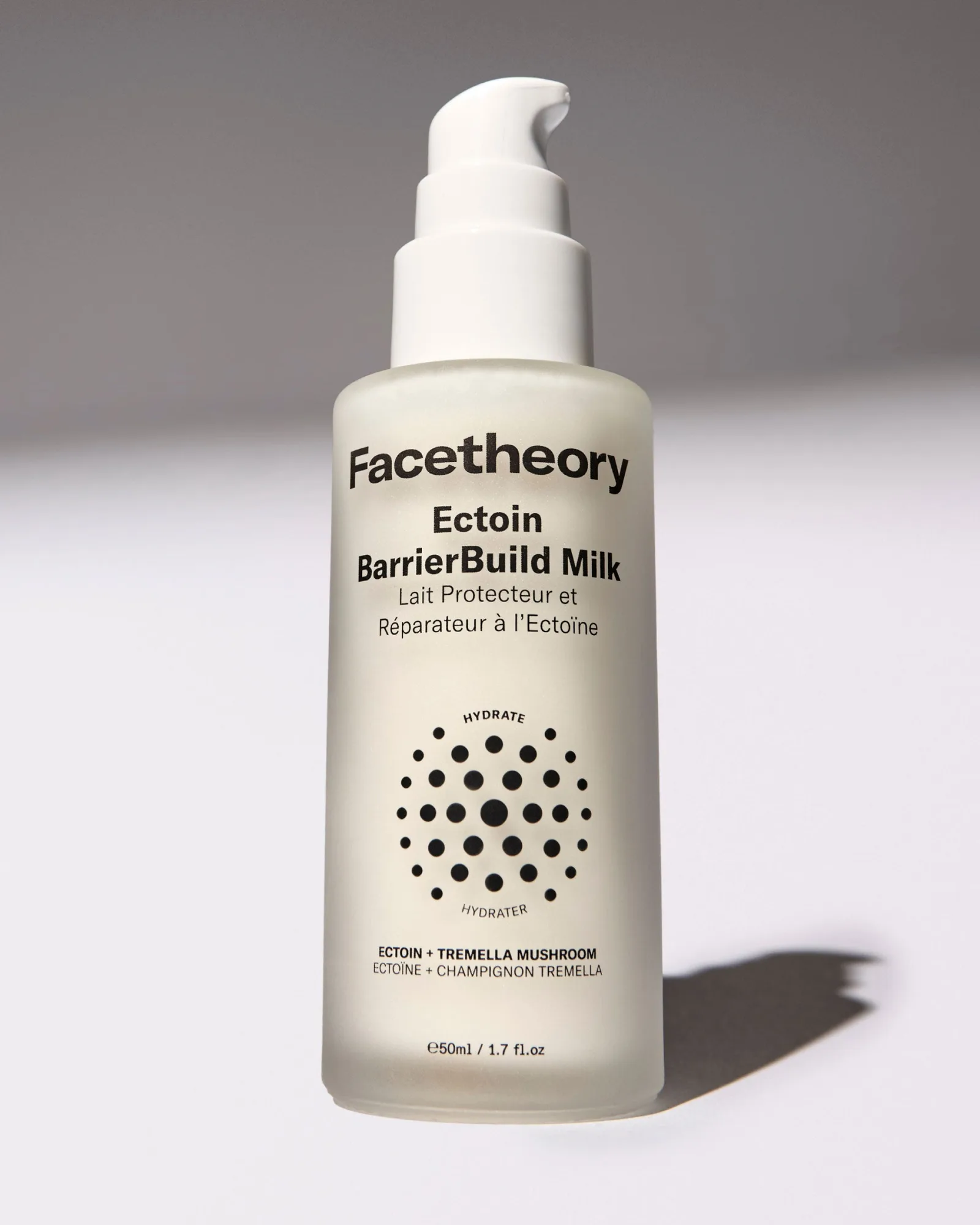
Ectoin BarrierBuild Milk
Apply toner to damp skin using clean hands or a soft cotton pad. Gently press it into the skin instead of rubbing. This extra step ensures your skin is prepped to absorb subsequent products more effectively. Hydration is the foundation of barrier repair because water is essential for enzymatic processes that rebuild lipids.
- Choose a toner with ceramides or ectoin for barrier support
- Apply on damp skin for better absorption
- Avoid toners with alcohol, witch hazel, or essential oils
Step 3: Layer a Soothing Serum with Barrier-Repairing Ingredients
Serums are concentrated treatments, but during barrier recovery, you want ingredients that calm and restore rather than exfoliate or stimulate. Key players include niacinamide (vitamin B3), which boosts ceramide production and reduces redness; peptides that support collagen and repair; and hyaluronic acid for deep hydration without clogging pores.
Facetheory’s Hyaluronic Acid 2% Plumping Serum is a lightweight, non-irritating option that delivers multi-weight hyaluronic acid molecules to hydrate every layer of the skin. It also contains panthenol and allantoin to soothe sensitivity. Apply a few drops to damp skin after toner, and let it absorb before moving to the next step. This serum helps plump fine lines caused by dehydration while supporting barrier function.
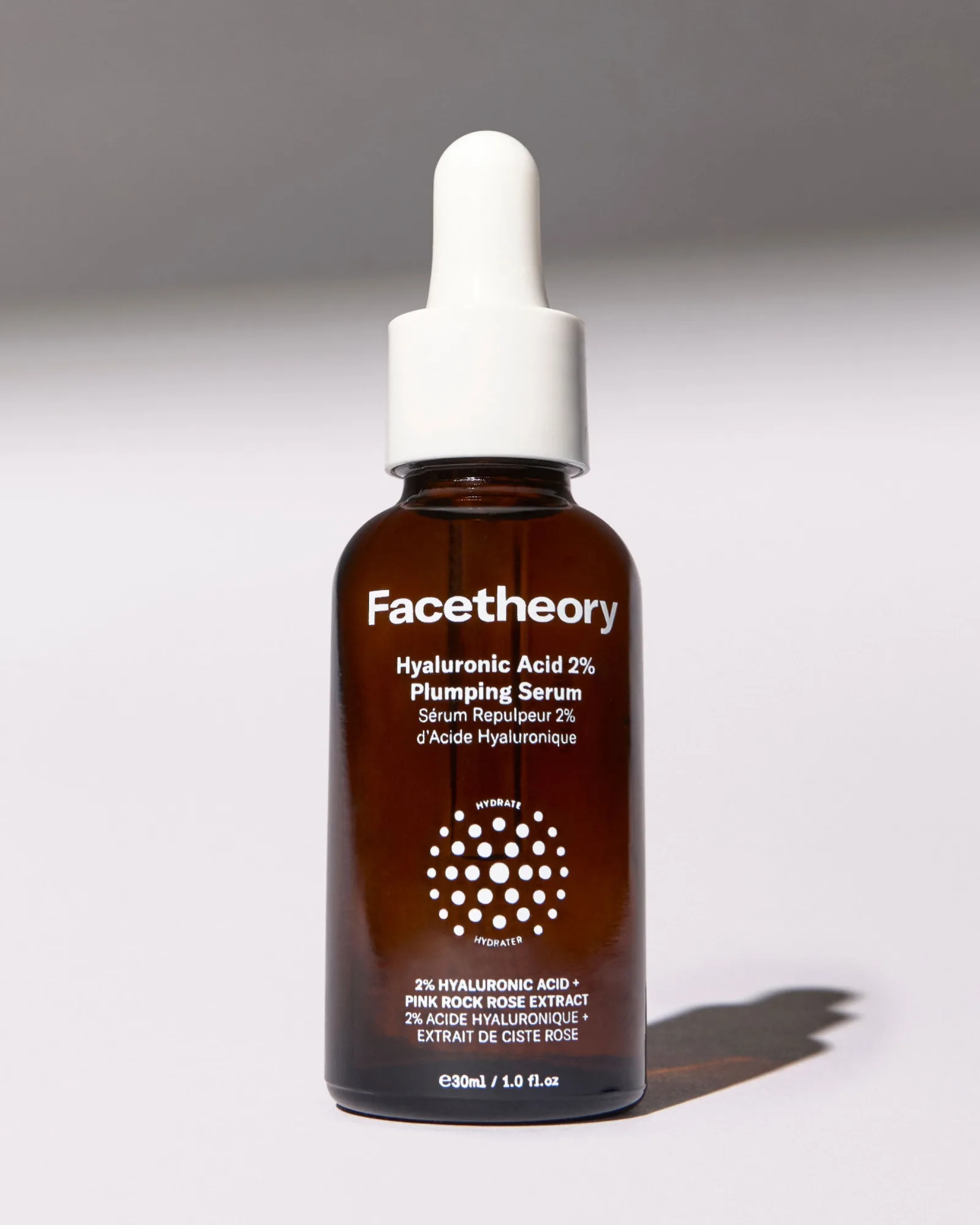
Hyaluronic Acid 2% Plumping Serum
- Look for serums with niacinamide, panthenol, or hyaluronic acid
- Avoid retinol, vitamin C, and exfoliating acids during recovery
- Use a gentle pressing motion to apply, not rubbing
Step 4: Seal Everything with a Lipid-Rich Moisturizer or Oil
A compromised barrier often lacks essential lipids like ceramides, cholesterol, and fatty acids. A rich moisturizer or facial oil helps replace these lipids and creates a protective seal that prevents transepidermal water loss. This step is non-negotiable for recovery—without it, hydration will evaporate, and your barrier will remain fragile.
The Retinal Supreme MultiCream is a multi-tasking moisturizer that combines retinal (a gentle retinoid) with barrier-supporting ingredients like squalane, shea butter, and ceramides. However, during the acute phase of barrier damage, you may want to opt for a non-active moisturizer first. Alternatively, the CeraNight Rejuvenating Night Oil provides a concentrated dose of omega-rich oils (like rosehip and sea buckthorn) plus ceramides to repair overnight. Apply it as the final step in your evening routine to lock in all previous layers.
- Choose a moisturizer with ceramides, squalane, or shea butter
- For very dry skin, add a facial oil as the last step
- Avoid products with fragrance, essential oils, or drying alcohols
Step 5: Protect During the Day with a Gentle SPF
A damaged skin barrier is more vulnerable to UV damage, which can worsen inflammation and slow healing. Daily broad-spectrum SPF 30 or higher is essential—even if you’re indoors or it’s cloudy. Look for mineral-based sunscreens with zinc oxide or titanium dioxide, as they are less likely to irritate than chemical filters.
If your skin is too sensitive for a standalone sunscreen, consider a moisturizer with built-in SPF. The Glow-C Daily Moisturiser SPF 30 (mentioned in recent articles) is a popular option, but during barrier repair, you might prefer a simpler formula. Apply a generous amount every morning as the final step of your AM routine. Reapply if you’re exposed to direct sunlight for extended periods.
- Use SPF 30+ daily, even on cloudy days
- Opt for mineral (physical) sunscreens for sensitive skin
- Reapply every two hours if outdoors
Additional Tips for Faster Barrier Recovery
Beyond your skincare routine, lifestyle factors play a huge role in barrier repair. Stay hydrated by drinking plenty of water, eat a diet rich in omega-3 fatty acids (found in salmon, flaxseeds, and walnuts), and manage stress through sleep and relaxation. Avoid hot showers, saunas, and harsh weather exposure as much as possible.
Consider incorporating a humidifier in your bedroom, especially during dry winter months. This adds moisture to the air and helps your skin retain hydration. Also, remember that barrier repair takes time—most people see improvement within two to four weeks, but full recovery can take up to three months. Be patient and consistent with your gentle routine.
- Use a humidifier to maintain ambient moisture
- Avoid over-washing or using hot water
- Give your skin at least 4 weeks to heal before reintroducing actives
Repairing a damaged skin barrier is a journey that requires patience, gentleness, and the right products. By stripping back your routine, focusing on hydration, replenishing lipids, and protecting from the sun, you can restore your skin's natural defenses and achieve a calm, healthy complexion. For a targeted recovery step, try the Ectoin BarrierBuild Milk—it’s specifically formulated to soothe and strengthen a compromised barrier with ectoin and ceramides.