Your skin barrier is your face’s first line of defense—a delicate shield of lipids and cells that locks in moisture and keeps irritants out. When it’s healthy, your skin looks plump, smooth, and radiant. But when it’s compromised, you may experience redness, dryness, stinging, breakouts, or a tight, uncomfortable feeling. Over-exfoliation, harsh weather, pollution, and even stress can strip the barrier, leaving it vulnerable.
Repairing your skin barrier isn’t just about piling on moisturizer—it’s about choosing the right ingredients and a consistent routine. In Korean skincare, barrier repair is a cornerstone of achieving that coveted glass skin glow. This guide will walk you through the signs of a damaged barrier, the key ingredients to look for, and how to build a soothing, restorative routine using products that truly deliver.
What Is the Skin Barrier and Why Does It Matter?
The skin barrier, also known as the moisture barrier, is the outermost layer of your epidermis. It’s made up of corneocytes (dead skin cells) held together by a lipid matrix rich in ceramides, cholesterol, and fatty acids. This structure acts like a brick wall: the cells are the bricks, and the lipids are the mortar. A healthy barrier prevents transepidermal water loss (TEWL) and keeps bacteria, pollutants, and allergens out.
When the barrier is damaged, the mortar weakens. Water escapes, and irritants can penetrate more easily. This leads to inflammation, sensitivity, and a dull complexion. Common culprits include overusing exfoliating acids, using harsh cleansers, skipping moisturizer, and environmental stressors like cold wind or indoor heating. The good news? With the right products and ingredients, you can rebuild that protective shield.
- Signs of a damaged barrier: persistent dryness, redness, flaking, stinging upon product application, breakouts in unexpected areas, or a tight feeling after cleansing.
Key Ingredients for Skin Barrier Repair
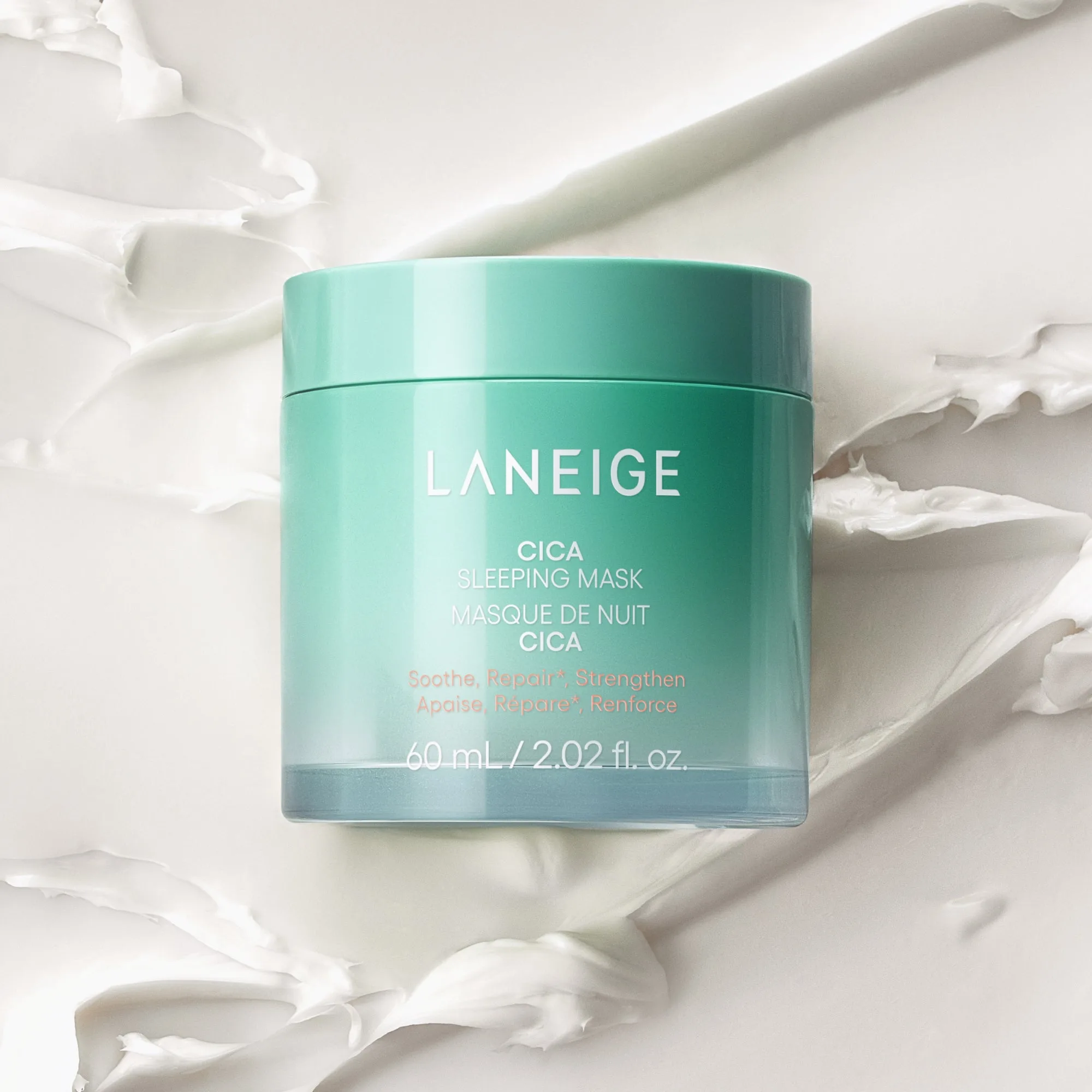
To repair your barrier effectively, look for products that replenish lipids, deliver deep hydration, and calm inflammation. Centella asiatica (also called cica or tiger grass) is a powerhouse ingredient in K-beauty for soothing redness and supporting wound healing. It contains compounds like madecassoside and asiaticoside that boost collagen synthesis and reduce irritation.
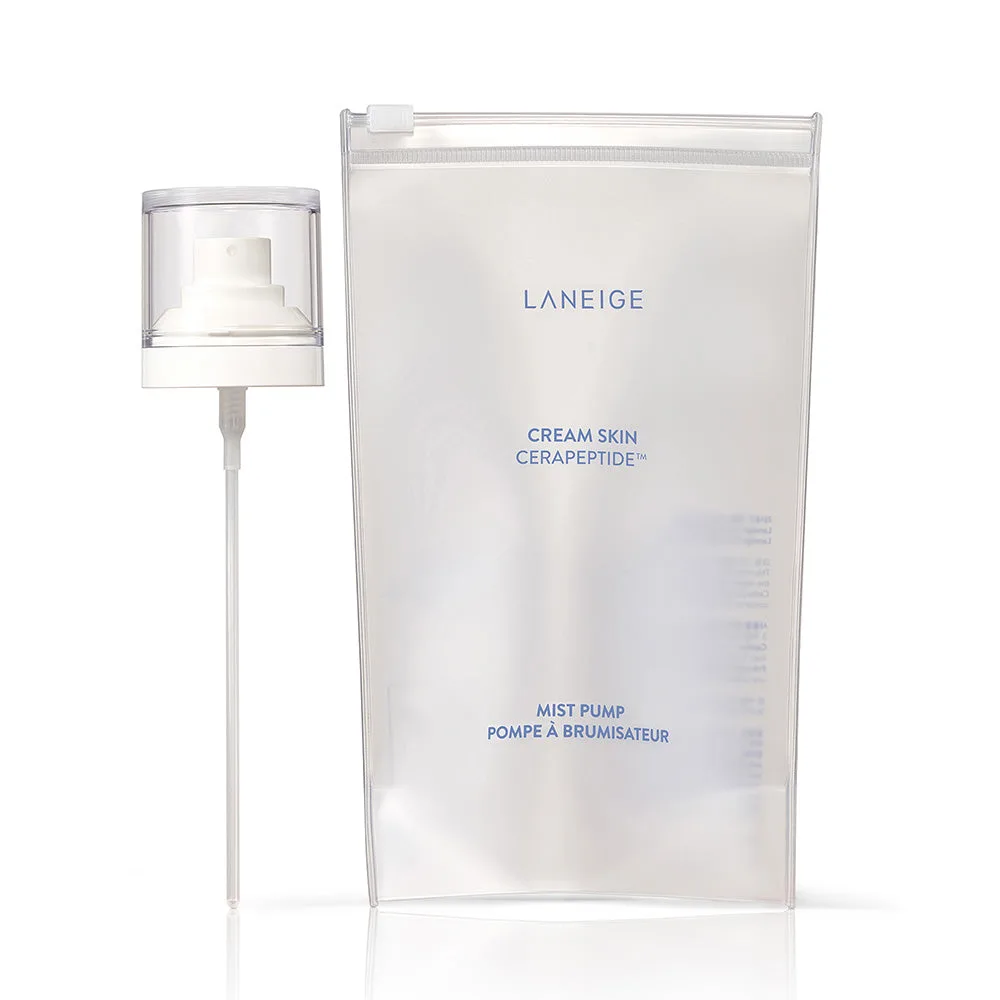
Hyaluronic acid is another must-have—it can hold up to 1,000 times its weight in water, drawing moisture into the skin and helping to plump the barrier. Ceramides are the building blocks of the lipid matrix, while niacinamide strengthens the barrier and evens tone. For a complete approach, consider products that combine multiple reparative ingredients, such as the Cream Skin Toner & Moisturizer, which delivers a milky, hydrating layer that mimics the skin’s natural moisture balance.
- Look for products labeled 'barrier repair,' 'moisture barrier,' or 'cica' to target compromised skin.
- Avoid alcohol, fragrance, and strong exfoliants while your barrier is healing.
Building a Gentle, Restorative Skincare Routine
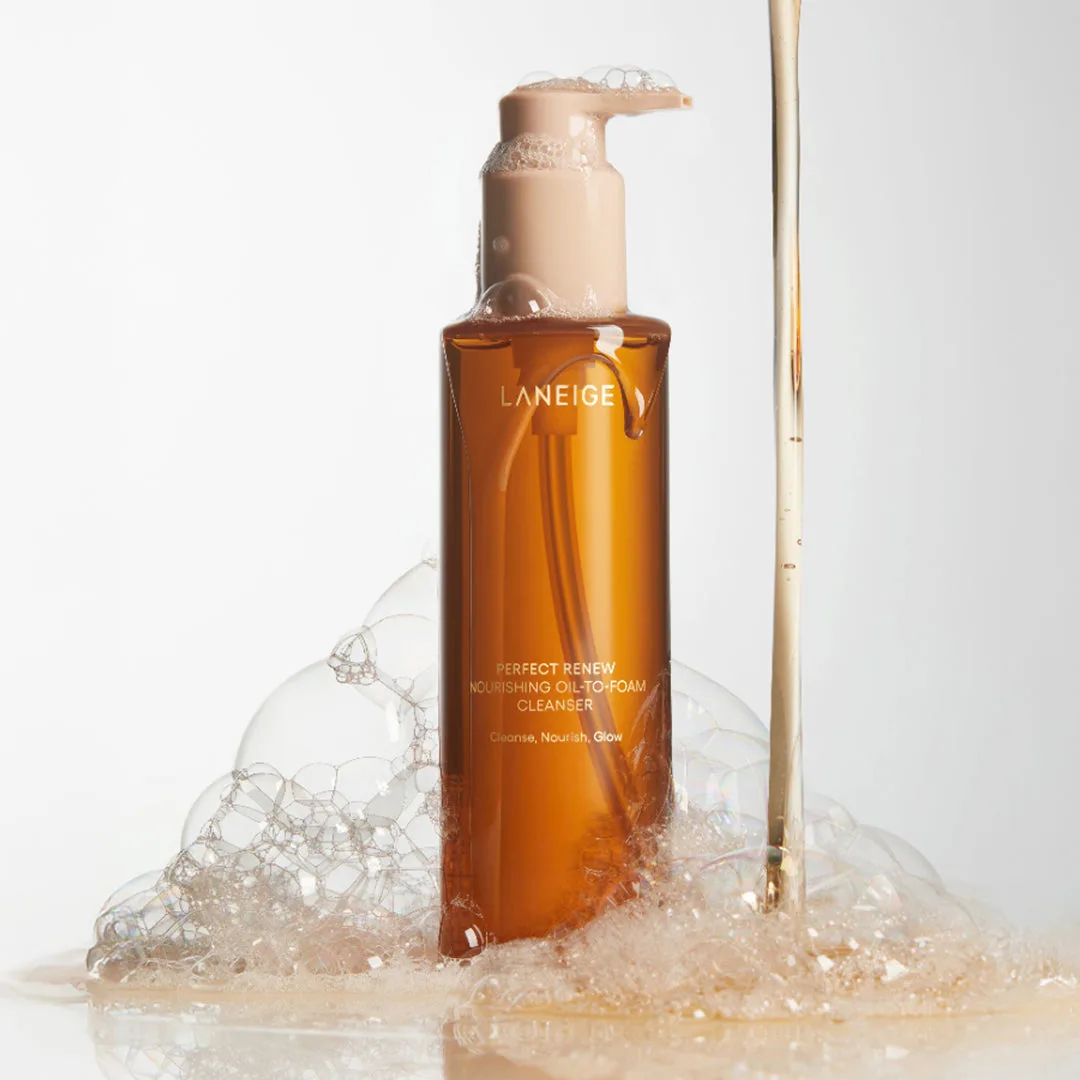
When your barrier is compromised, simplicity is key. Start with a gentle, non-foaming cleanser that doesn’t strip natural oils. Follow with a hydrating toner that adds a layer of moisture without alcohol. The Cream Skin Toner & Moisturizer is an excellent choice—it’s a 2-in-1 product that hydrates and moisturizes in one step, reducing the number of layers that might irritate sensitive skin.
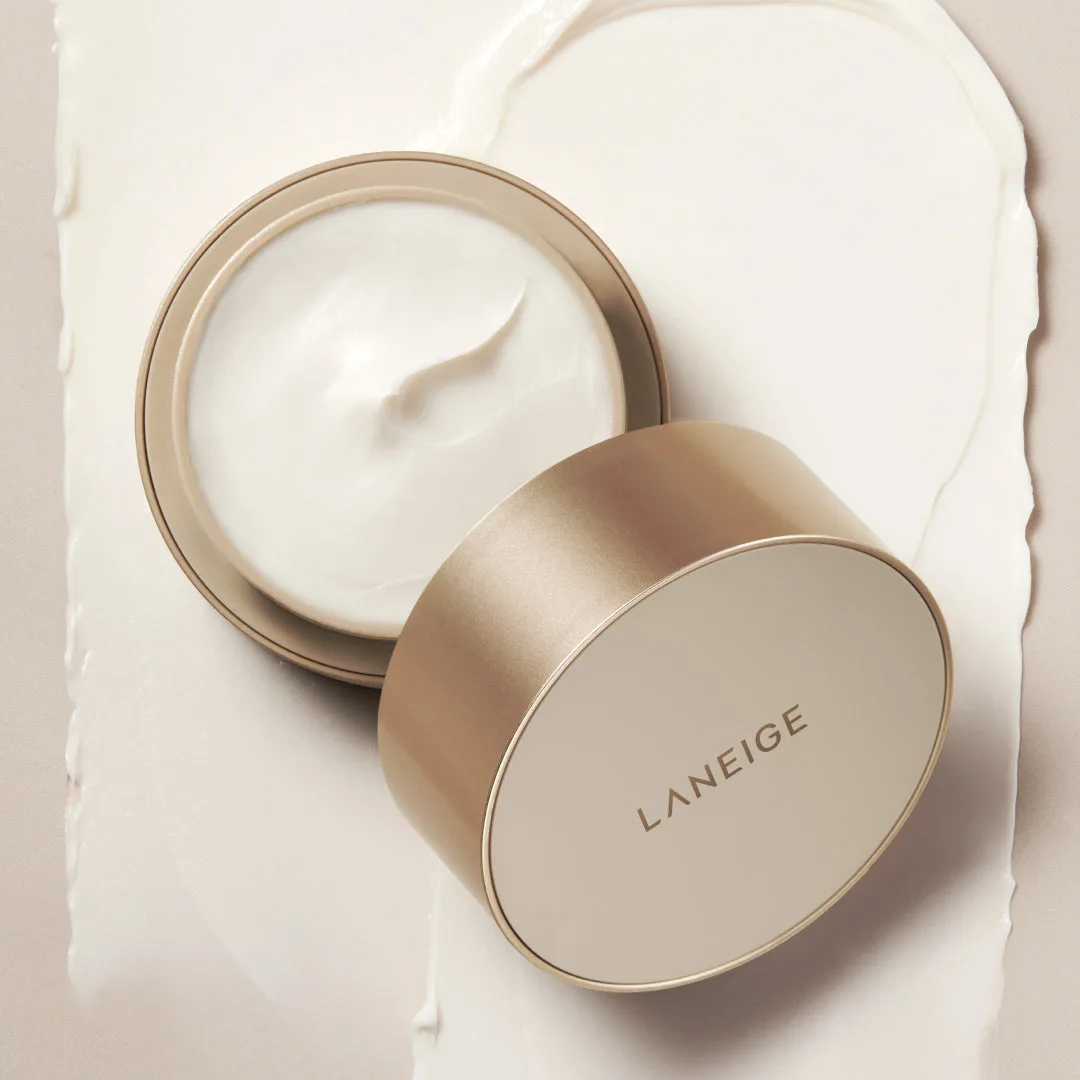
Next, apply a serum rich in centella asiatica or hyaluronic acid. For targeted firming and barrier support, the Bouncy & Firm Eye Sleeping Mask can be used around the delicate eye area, where the skin is thinner and more prone to damage. Finally, seal everything with a moisturizer that contains ceramides or peptides. The Balance Mode Shine Control Weightless Moisturizer is a lightweight option that hydrates without clogging pores, making it suitable for combination or oily skin types that still need barrier support.
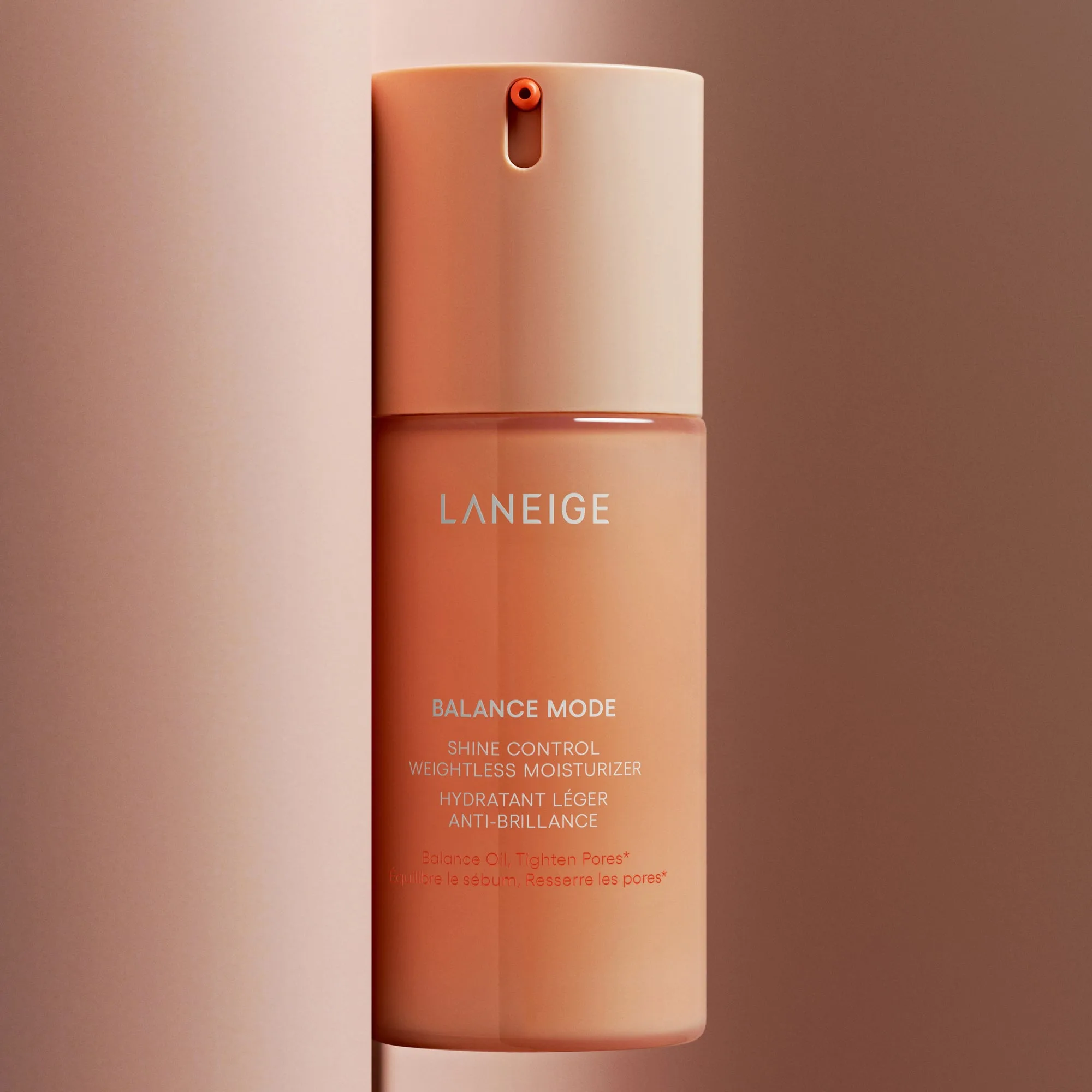
Balance Mode Shine Control Weightless Moisturizer
- Tip: Apply products on slightly damp skin to enhance absorption and lock in more moisture.
Additional Tips for Long-Term Barrier Health
Repairing your barrier isn’t a one-time fix—it requires consistent care. Protect your skin from UV damage by wearing sunscreen daily, even indoors. Avoid hot water when cleansing, as it strips natural oils. Consider incorporating a weekly soothing mask, like the Balance Mode Pore Polishing Peel-off Mask, which gently exfoliates without harsh scrubbing while refining pores.
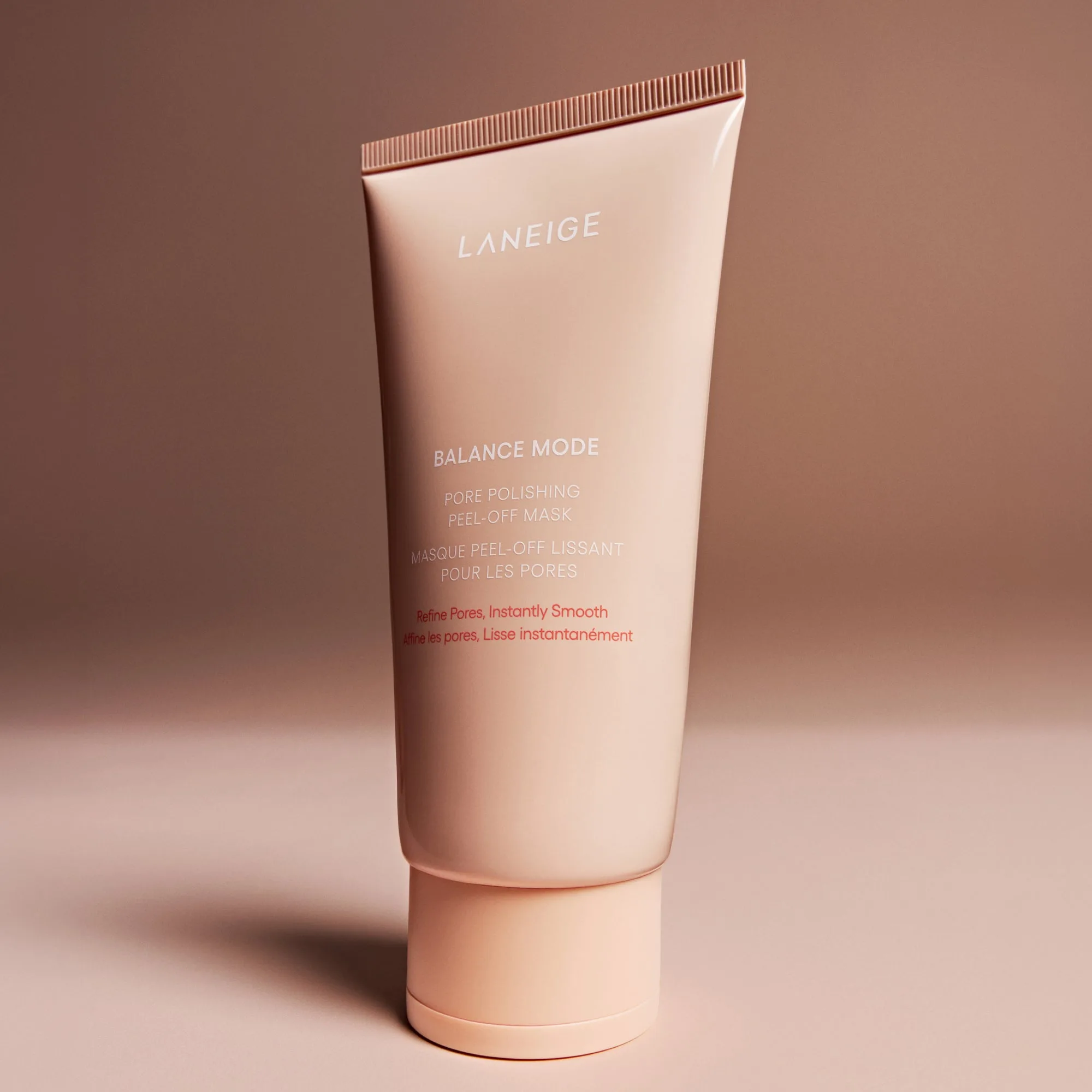
Balance Mode Pore Polishing Peel-off Mask
Hydration from within also matters. Drink plenty of water and eat foods rich in omega-3 fatty acids, such as salmon and flaxseeds, to support lipid production. And remember: patience is essential. A damaged barrier can take weeks to fully heal, but with the right routine, you’ll notice reduced redness, less sensitivity, and a healthy, dewy glow.
- Avoid over-exfoliating—stick to one gentle exfoliation session per week until your barrier feels strong again.
Repairing your skin barrier doesn’t have to be complicated. By focusing on gentle cleansing, hydrating toners, barrier-supporting serums, and a protective moisturizer, you can restore your skin’s natural resilience. Start your journey with the Cream Skin Toner & Moisturizer—it’s a simple yet effective first step toward a healthier, happier complexion.