Quick answer
Replacing the seat on a Helinox Cafe Chair comes down to four moves: confirm the frame and fabric are actually the problem, order the correct Helinox replacement seat for your model, slide the new seat onto the frame poles in the right order, and tension-test it before you pack it. Most failures happen because the old seat was cut off before the frame was checked, or because the replacement was fitted backwards.
A Cafe Chair seat usually fails in one of three ways: the fabric tears at a stress point, the seams start to separate, or the seat simply stretches out and sags until you are sitting lower than you should be. Any of those is a candidate for a cafe chair replacement seat rather than a new chair, provided the frame itself is still sound.
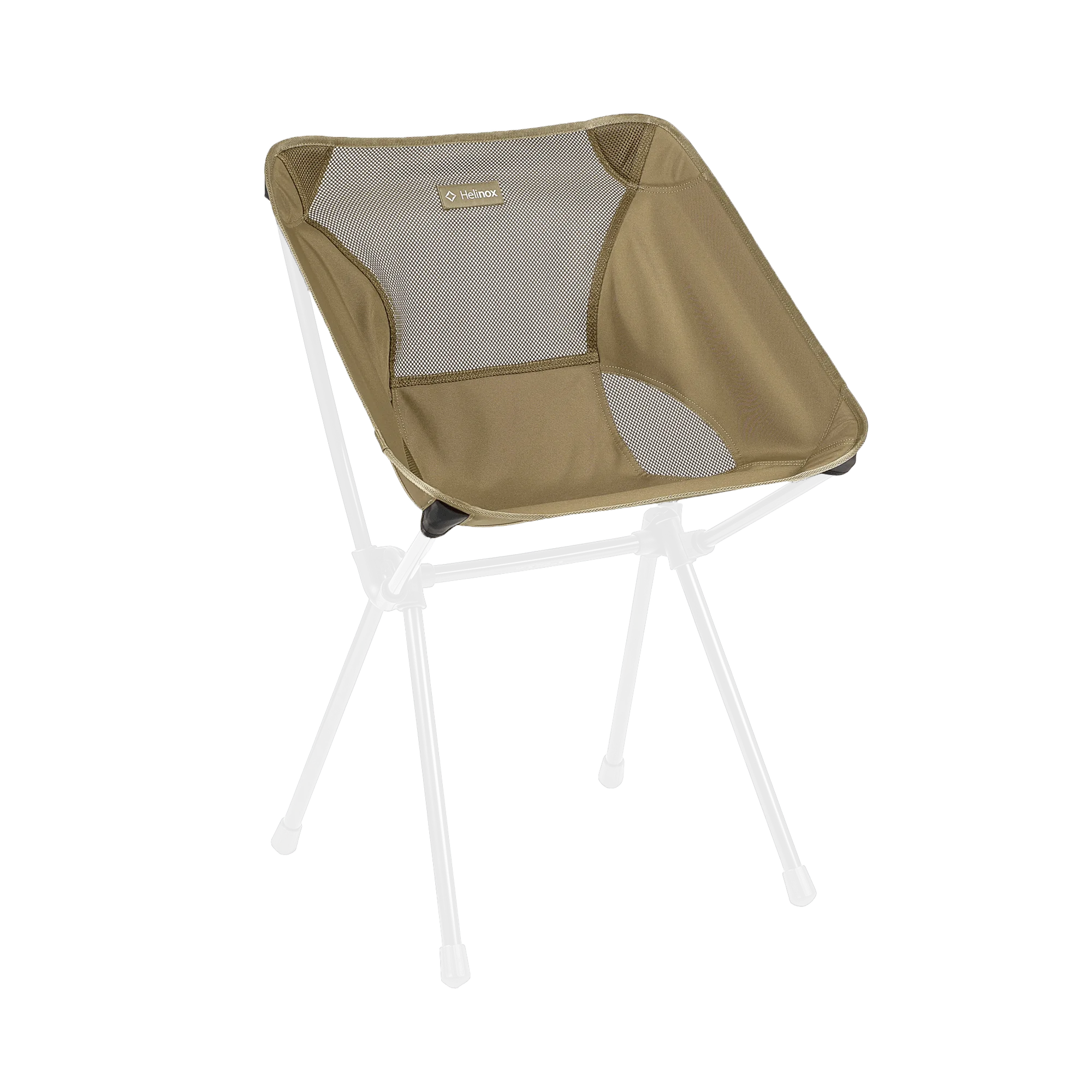
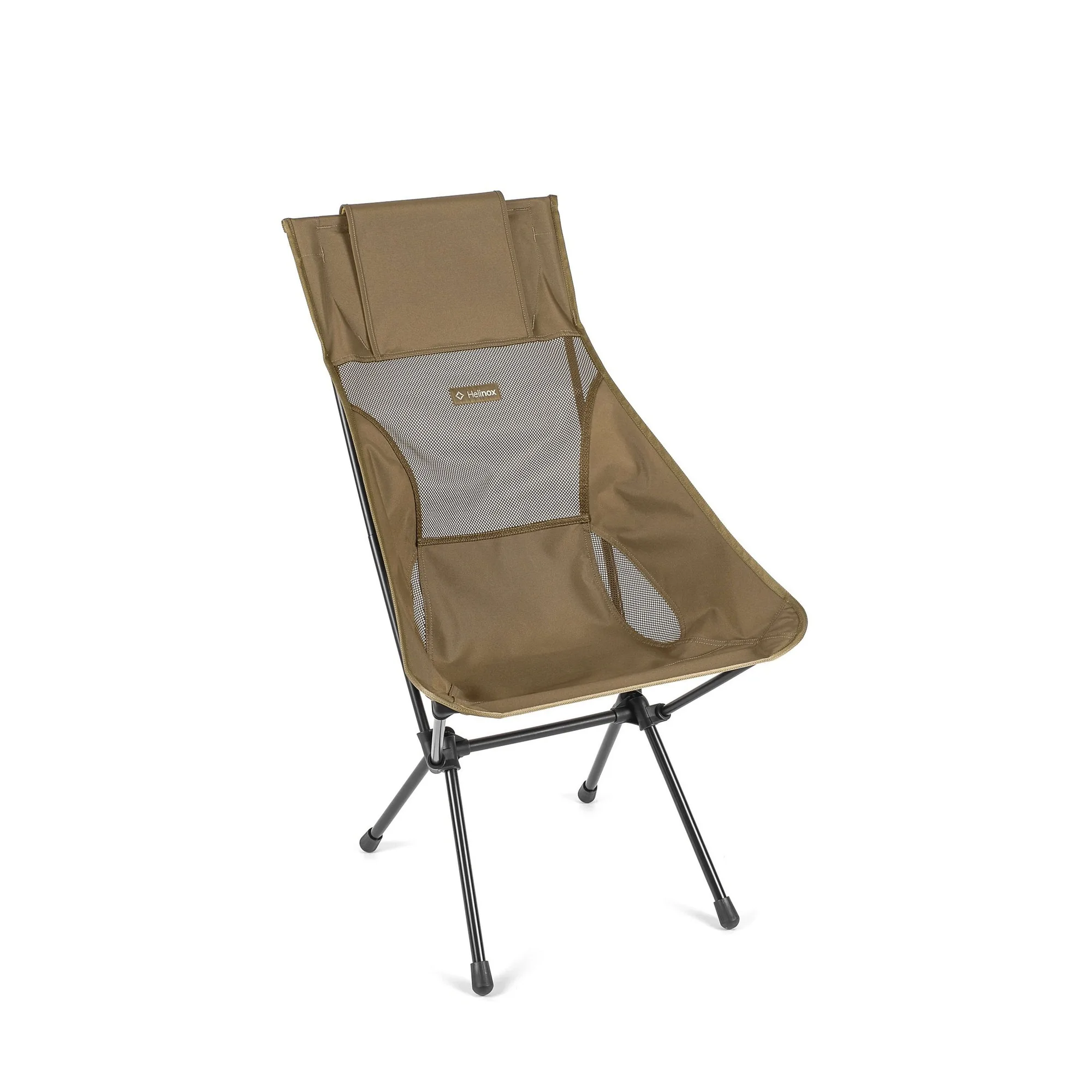
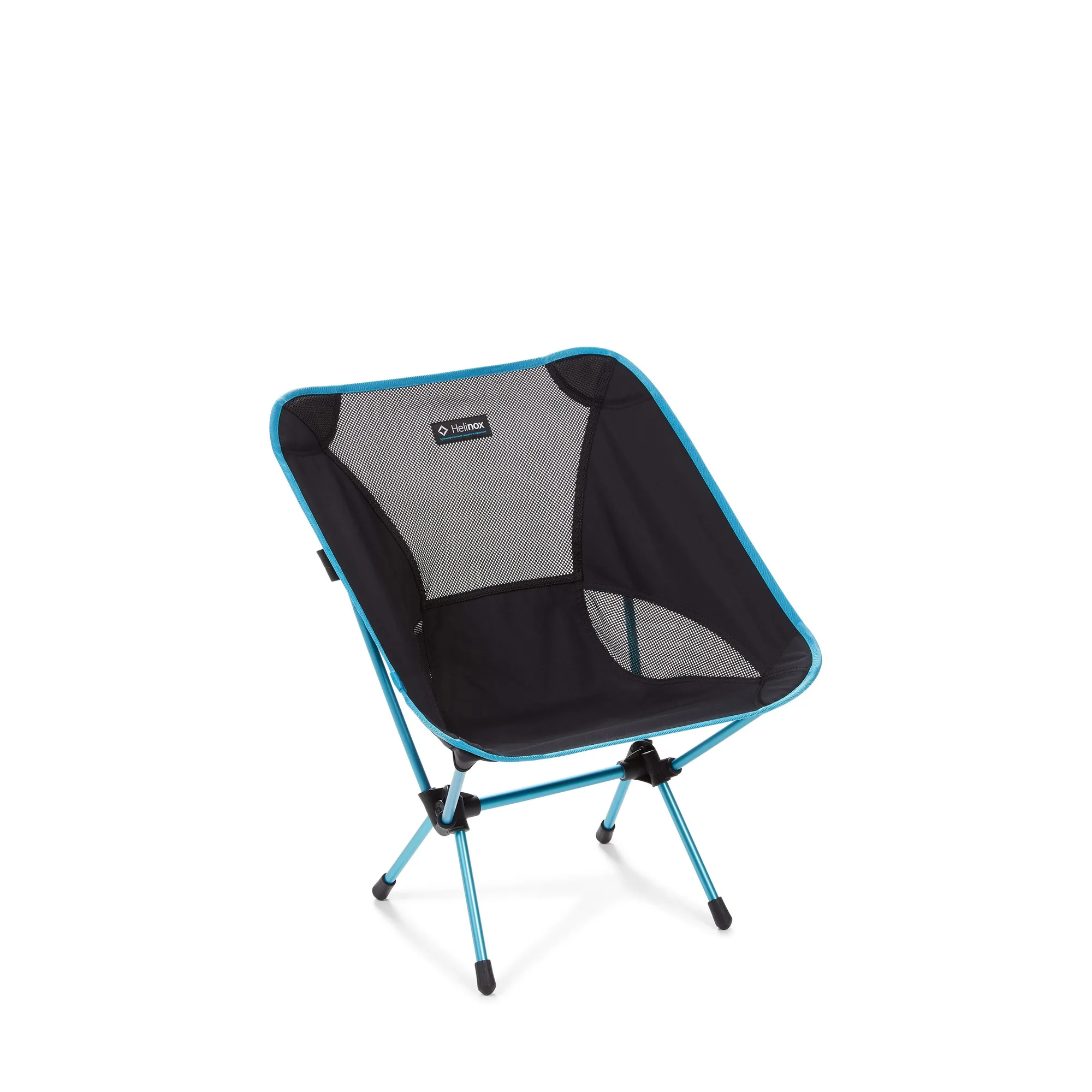
cafe chair replacement seat
This guide walks through the replacement in the order that avoids the common mistakes. It assumes you already own a Cafe Chair and have noticed the seat is the weak point. If you are still deciding whether the chair is worth repairing at all, read the frame check in step one carefully before you spend anything.
Before you order: confirm the seat is the problem
Put the chair together on a hard floor and sit in it the way you normally would. If the frame flexes unevenly, a pole feels loose in its sleeve, or a hub looks distorted, the seat is not your only issue and a replacement seat will not fix it. If the frame is straight and the hubs are intact but the fabric is torn, frayed, or visibly stretched, you are in the right place.
Check the model name on the chair or its original packaging. Helinox makes several chair families with different seat geometry, and a seat that fits one model will not necessarily fit another. If you cannot confirm the model, do not guess — measure the frame span and contact support rather than ordering a seat that may not seat properly.
- Photograph the frame and the damaged seat before you take anything apart; it makes ordering and any support conversation faster.
- If the damage is a single small puncture rather than a structural tear, a repair may still be the better first move.
Ordering the right replacement seat
Order the seat that matches your exact chair model, not a seat from a different chair in the same family. Helinox replacement parts are model-specific because the seat pockets, pole sleeves, and tension points are cut to that frame. A close-but-wrong seat will either not slide on or will sit loose and sag immediately.
While you are ordering, it is worth checking the small wear parts at the same time. Feet, cases, and carry bags take the same abuse as the seat and often fail around the same point in a chair's life, so bundling them saves a second shipping cycle later.
- Keep the order confirmation with the chair until the new seat is fitted and tested.
- If your chair uses rubber feet, inspect them now — worn feet let the frame sit unevenly, which puts extra load on the seat.
Removing the old seat safely
Disassemble the frame first and lay the poles out in order so you can rebuild it the same way. Work the old seat off by reversing how it went on: ease the fabric pockets off the pole ends rather than pulling hard on the seams. If the seat is torn beyond reuse, cut along the seam line rather than through the middle of the fabric, which keeps the frame poles clear of the blade.
As each pole comes free, wipe it down and check for bends, burrs, or cracks. A burr on a pole end will chew through a brand-new seat the first time you pitch the chair, so smooth or replace anything rough before the new fabric goes anywhere near it.
- Never use a blade near a tensioned pole; release the frame first, then cut.
- Lay poles in the order you removed them to avoid mixing up lengths on reassembly.
Fitting the new seat
Rebuild the frame loosely, then fit the new seat before the frame is fully tensioned. Orient the seat so the reinforced panels and pocket openings line up with the poles they are designed for — most seats are not symmetrical, and fitting one backwards is the single most common reason a replacement feels wrong. Slide each pocket fully onto its pole end so the fabric sits flat, not bunched.
Once all pockets are seated, tension the frame. You should feel the seat tighten progressively rather than suddenly. If a pocket will not slide home, stop and check orientation rather than forcing it; fabric forced onto the wrong pole can tear at the seam and void your replacement.
- Fit the seat with the frame slack; tensioning last is what makes the pockets easy to seat.
- If the seat looks twisted when tensioned, release the frame and refit rather than sitting in it to stretch it out.
Testing the fit and getting more life from the new seat
Sit in the chair for a few minutes on a flat surface and check that the seat is level, the fabric is not pinched at any pocket, and the frame legs sit evenly. A correctly fitted seat should feel firm and consistent across the whole panel. If one corner feels slack, the pocket is probably not fully seated on its pole.
To make the replacement last, avoid leaving the chair pitched in direct sun for long periods, keep it out of the dirt when packed, and store it dry. Seat fabric wears fastest when it is repeatedly tensioned while dirty or damp, so a quick wipe-down before packing goes a long way.
- Store the chair assembled or in its case, not compressed under heavy gear.
- Check the seat pockets periodically for grit, which abrades fabric from the inside.
Cafe Chair seat replacement, step by step
- Diagnose before you buy: Assemble the chair and sit in it. Confirm the frame is straight and the hubs are intact, and that the fabric is the actual failure point. Checkpoint: if the frame flexes or a pole is bent, a new seat will not solve it.
- Confirm your exact model: Read the model name off the chair or its packaging, and order the seat made for that model rather than a similar chair in the same family. Mistake to avoid: ordering by eye. Seat geometry differs between models.
- Release the frame before removing the old seat: Disassemble the poles, then ease the old seat pockets off. Cut along the seam only if the seat is beyond reuse. Checkpoint: no blade near a tensioned pole, ever.
- Inspect and clean every pole: Wipe each pole and feel the ends for burrs, bends, or cracks. Smooth or replace anything rough. Mistake to avoid: fitting new fabric onto a burred pole, which tears it on first pitch.
- Fit the new seat with the frame slack: Orient the seat correctly, slide each pocket fully onto its pole, and only then tension the frame. Checkpoint: if a pocket will not slide home, the seat is probably backwards.
- Sit-test on a flat surface: Spend a few minutes in the chair and check for level fabric, even legs, and no pinching at the pockets. If one corner feels slack, release and reseat that pocket before you pack up.
- Replace worn companion parts now: Inspect feet, cases, and bags while the chair is apart, and order anything that is failing. Next step: bundle small parts with the seat order to avoid a second shipping cycle.
Parts worth checking while you are at it
- https://helinoxgx.com/products/rubber-feet-replacement-chair-one-mini-2df8660db3e2d70546fc734e-1905861Chair One Mini Rubber Feet Replacement: Pair of replacement feet for the Chair One Mini (set of 2). Worn feet let a frame sit unevenly, which shifts load onto the seat fabric. If your feet are chewed up, replacing them alongside a seat keeps the whole chair sitting level.
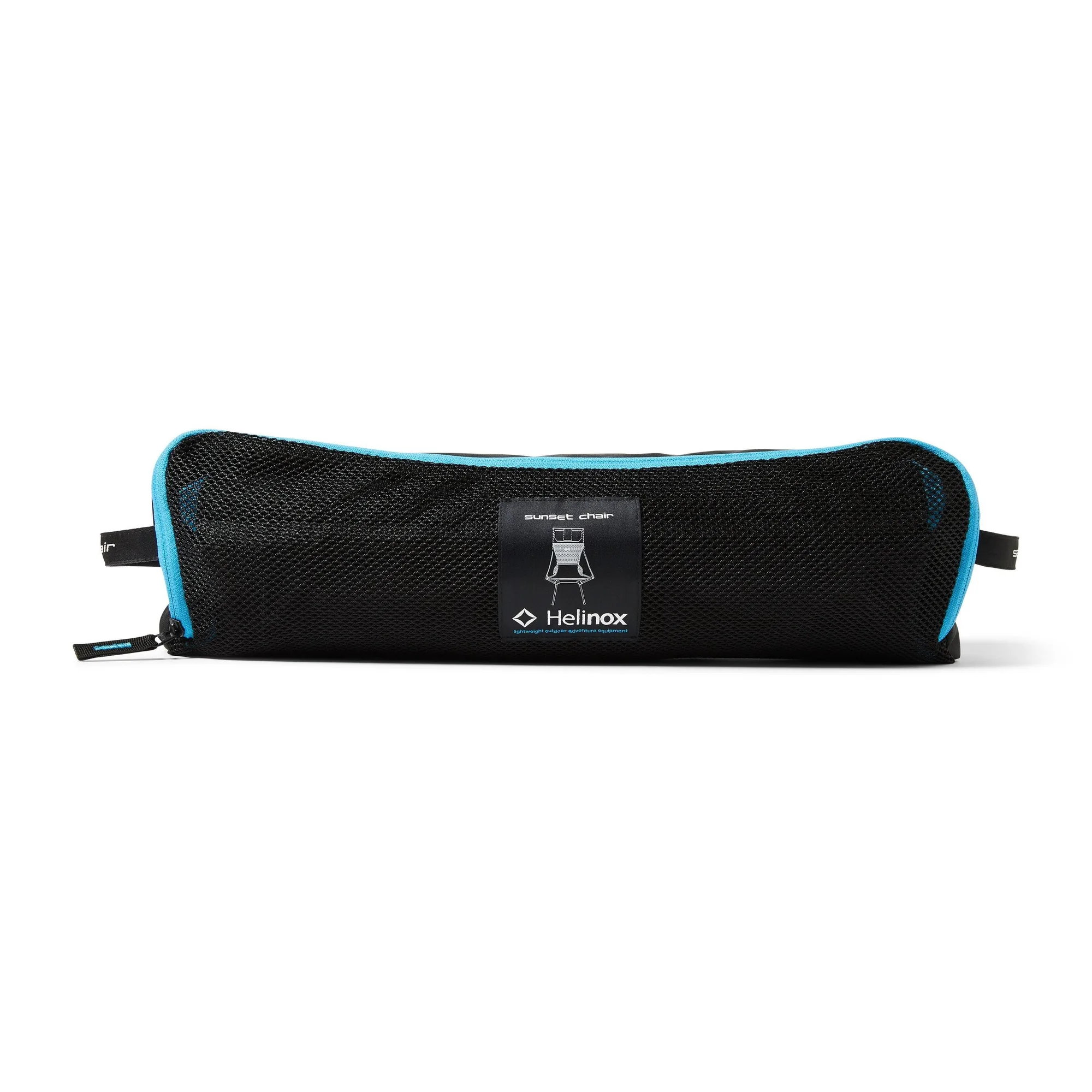
- https://helinoxgx.com/products/sunset-chair-replacement-case-4db5e320cf0827d238d05a3d-1905940Sunset Chair Replacement Case: Bag replacement for the Sunset Chair. If your chair's carry bag has torn, a replacement case protects the new seat from abrasion and grit in transit — the same wear that shortens seat life.
- Table One Hard Top Replacement Case: Replacement bag for the Table One Hard Top. Shows the same logic across the range: when a soft part wears out, replacing the part is cheaper and less wasteful than replacing the whole item.
A Cafe Chair seat replacement is a short job if you diagnose first, order the model-specific seat, and fit it with the frame slack so the pockets seat properly. Check the frame, the feet, and the case while the chair is apart, and the repair will outlast the original wear point.