Quick answer
Replacing the blade and spring of your secateurs can restore clean cuts and smooth operation. With the right replacement parts and basic tools, you can do it in minutes.
Why replace rather than buy new?
Sharp, well-tensioned secateurs make clean cuts that help plants heal faster. Over time blades dull or chip, and springs lose tension or break. Replacing just the blade or spring costs a fraction of a new pair and extends the life of your tool.
Genuine parts like those from Hoselink are designed to fit their secateurs and pruners exactly. Using generic or hardware-store replacements may not align properly, leading to poor cuts or blade damage.
When to replace the blade vs the spring
Replace the blade when you notice ragged edges on cuts, excessive force needed, or visible nicks. Replace the spring if the handles don't open fully after cutting or feel loose.
A dull blade that still opens and closes smoothly likely only needs a blade swap. A weak spring alone won't affect cut quality but can make repeated cutting tiring.
Step-by-step replacement guide
- 1. Remove the old blade: Unscrew the pivot bolt using a screwdriver that fits the head. Lift the old blade off the post. If the screw is tight, apply a drop of penetrating oil and wait 60 seconds. Don't force the screw—overtightening or stripping it can ruin the tool. Work slowly.
- 2. Install the new blade: Place the new replacement blade onto the post so the aligning hole sits over the pivot point. Insert the screw and tighten until the blade is snug but still moves freely. Over-tightening will bind the cutting action. Check that the blade edge contacts the anvil or hook evenly before final tightening.
- 3. Replace the spring: Position one spring end on its latch on the handle. Squeeze the handles together and hook the other end onto the opposite latch. Repeat for the second spring if your model uses a pair. The spring should sit flush in both latches. If it pops loose when released, one end isn't fully seated.
- 4. Test the action: Open and close the secateurs several times. The blade should cut smoothly through paper or a thin twig. The handles should snap open fully when you let go. If the cut is rough or the blade doesn't meet the anvil, loosen the pivot screw slightly, adjust the blade position, and retighten.
- 5. Lubricate pivot points: Apply a single drop of light machine oil to the pivot screw and the top of the spring coils. Wipe away excess. This prevents corrosion and keeps the action smooth. Don't over-oil—excess drips can attract dust and grit that accelerate wear.
Parts you can use
-
Secateurs | Replacement Blade: Premium Replacement Blade for Gardening Secateurs made from SK5 high-carbon steel, for branches up to 25mm diameter. SK5 steel provides a good balance of toughness and hardness, so the blade stays sharp longer and resists chipping on woody stems.
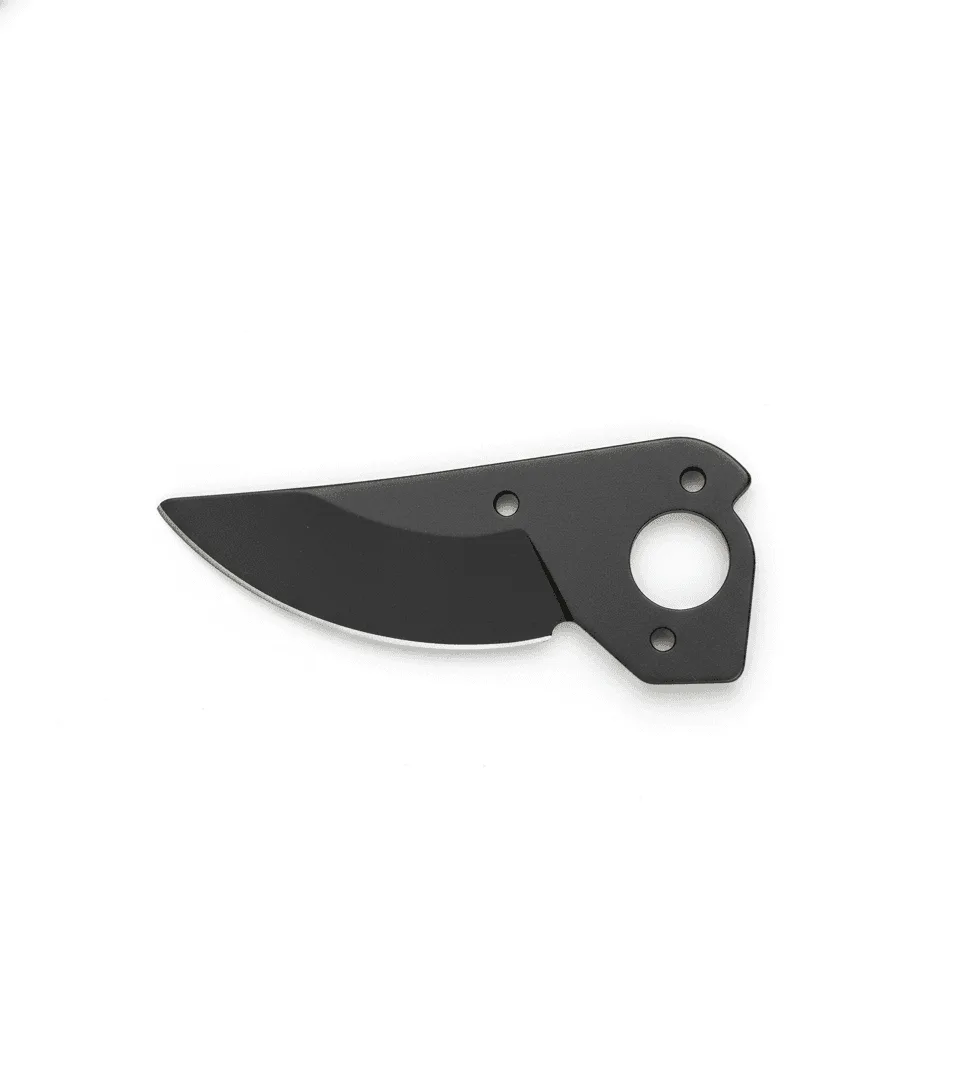
Secateurs | Replacement Blade
-
Replacement Springs for Secateurs - 2 Pack: Set of two replacement springs designed specifically for Hoselink secateurs. Using the exact spring ensures proper tension and fit; generic springs may not latch correctly or could detach during use.
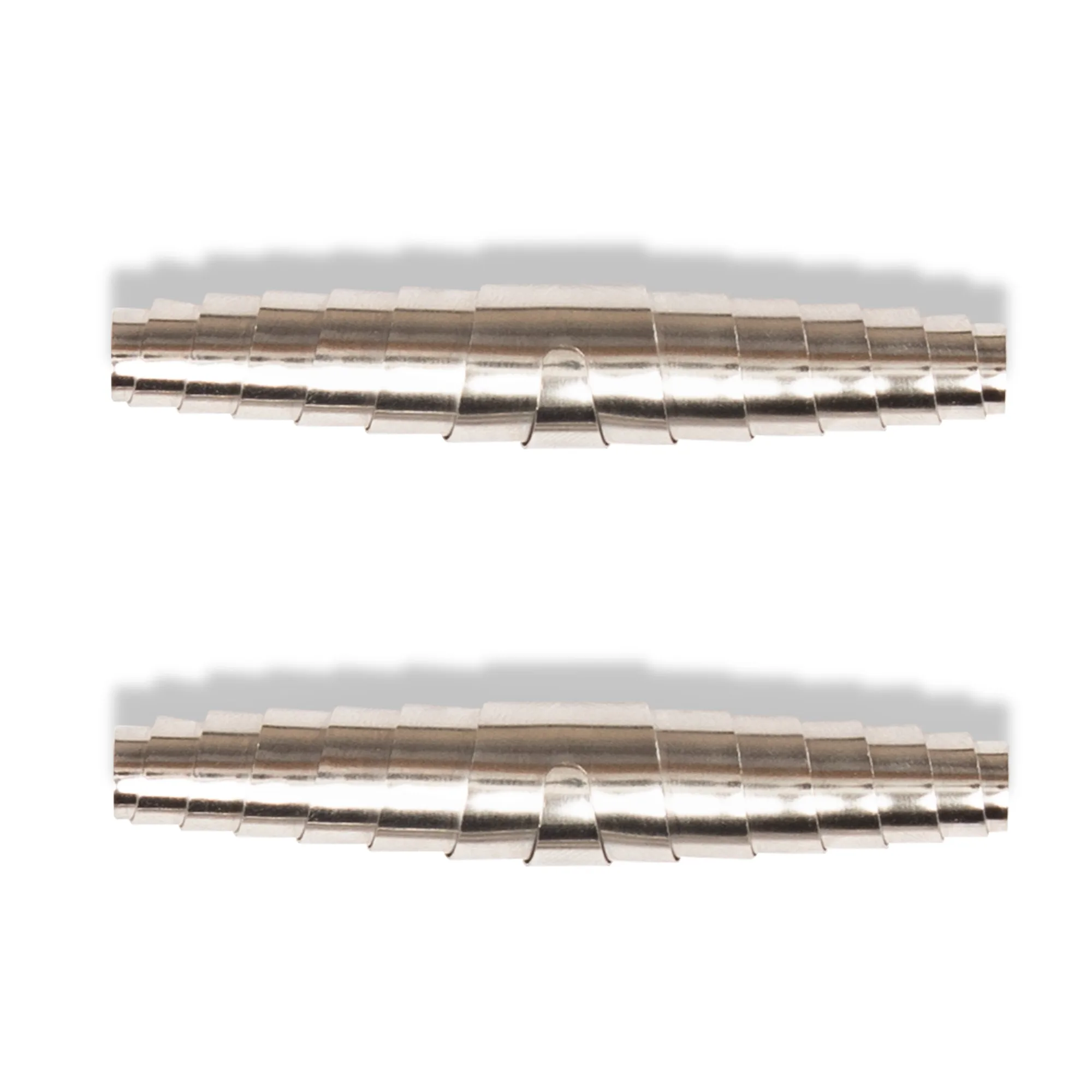
Replacement Springs for Secateurs - 2 Pack