When a worn tip means replacement, not retirement
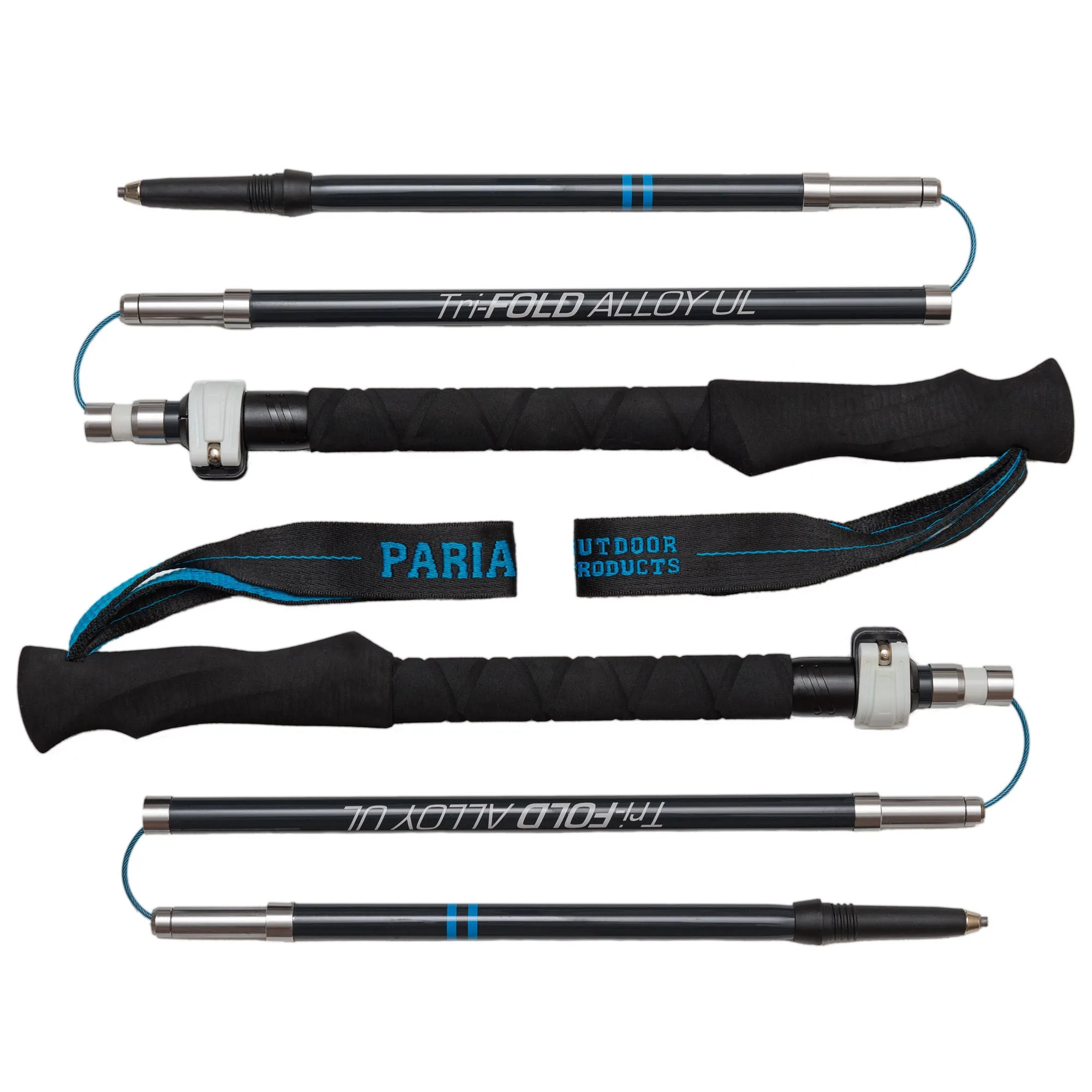
Your trekking poles take a beating, and the rubber tip is the part that meets the ground on every step. When that tip wears down, you might notice less grip on paved surfaces, a change in how the pole plants, or visible thinning of the rubber. That's your cue to replace the tip rather than the whole pole.
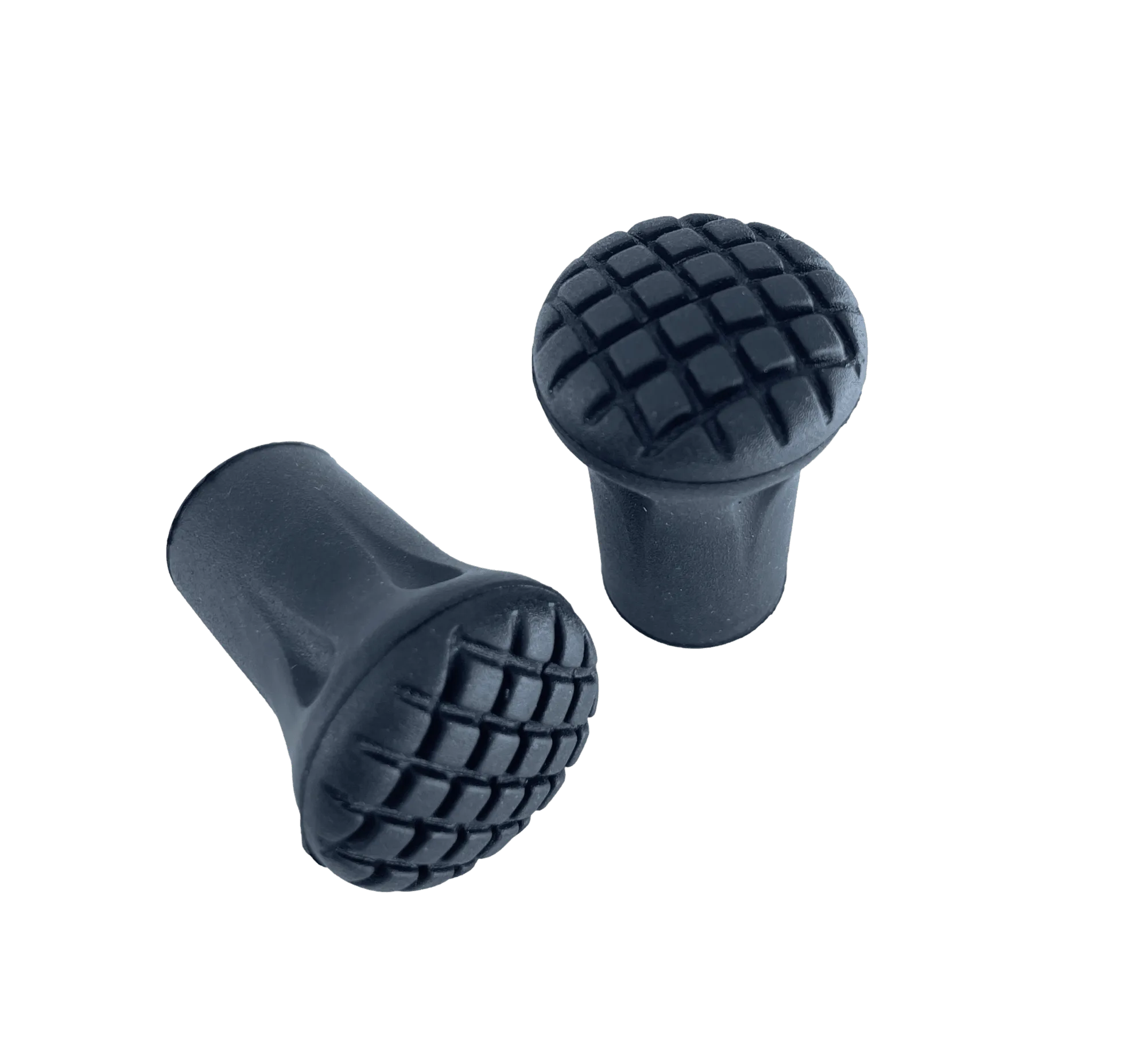
A replacement rubber road tip is designed for exactly this situation: it fits over most standard trekking pole tips and gives you a fresh contact point for road walking or for protecting the pole tip itself. It's a small part with a simple job, and swapping it takes only a few minutes.
How to swap the tip in four straightforward steps
The process is simple, but a little care helps you avoid damaging the pole or the new tip.
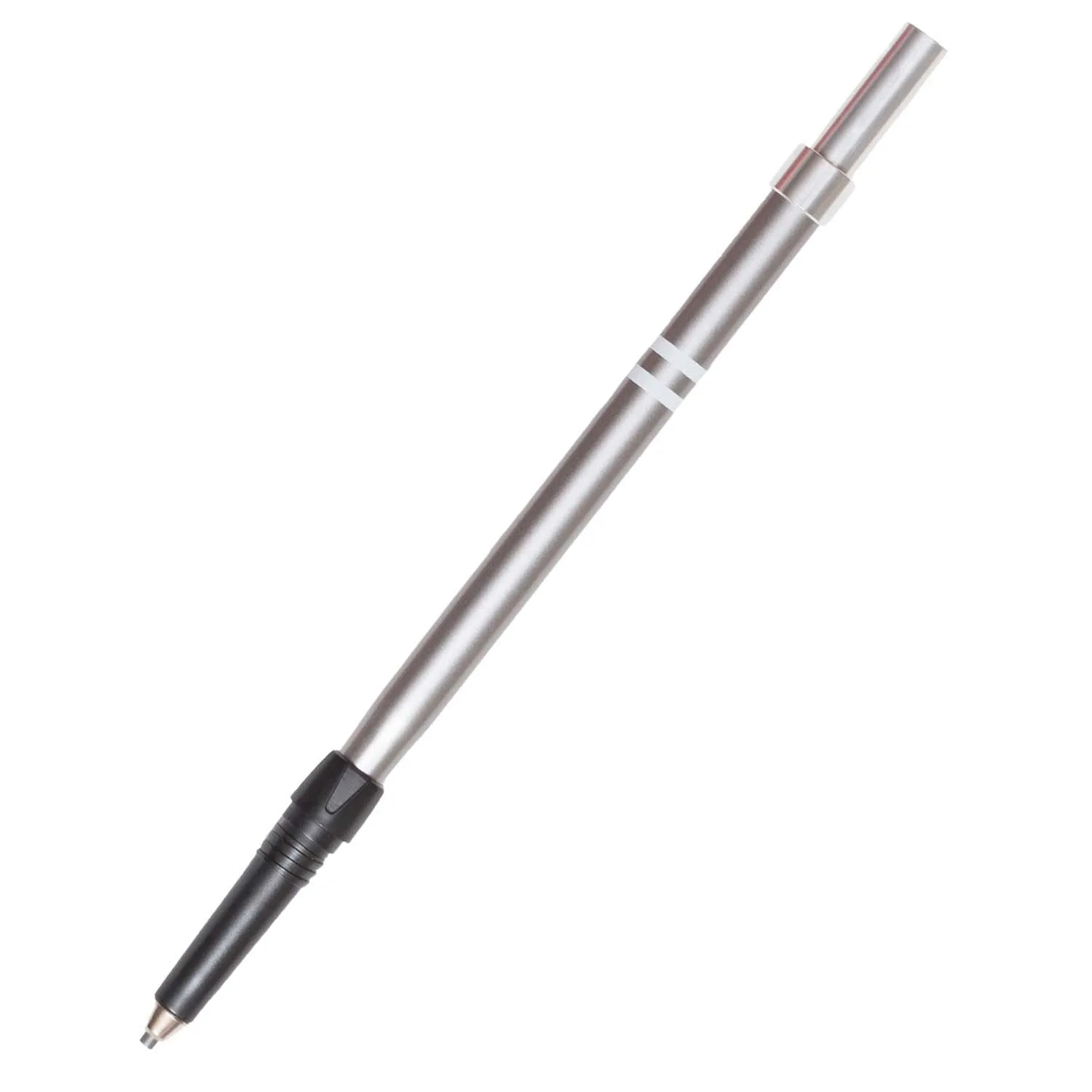
- 1. Remove the old tip: Pull the worn rubber tip straight off the pole tip. If it's stuck, a gentle twist can help; avoid using sharp tools that might scratch the pole.
- 2. Check the pole tip: Wipe off any dirt or grit from the exposed pole tip so the new rubber seats cleanly.
- 3. Fit the new rubber road tip: Push the replacement tip firmly onto the pole tip until it sits flush. The catalog describes it as lightweight and easy to install, and it's intended to fit over most standard trekking pole tips.
- 4. Test the fit: Give the pole a gentle press on the ground to confirm the tip stays in place. If it feels loose, check that it's pushed all the way on.
What the replacement rubber road tip gives you
-
Replacement Rubber Road Tip (Single): Single replacement rubber road tip for trekking poles You get one tip per order, so check how many poles need a fresh tip before you buy.
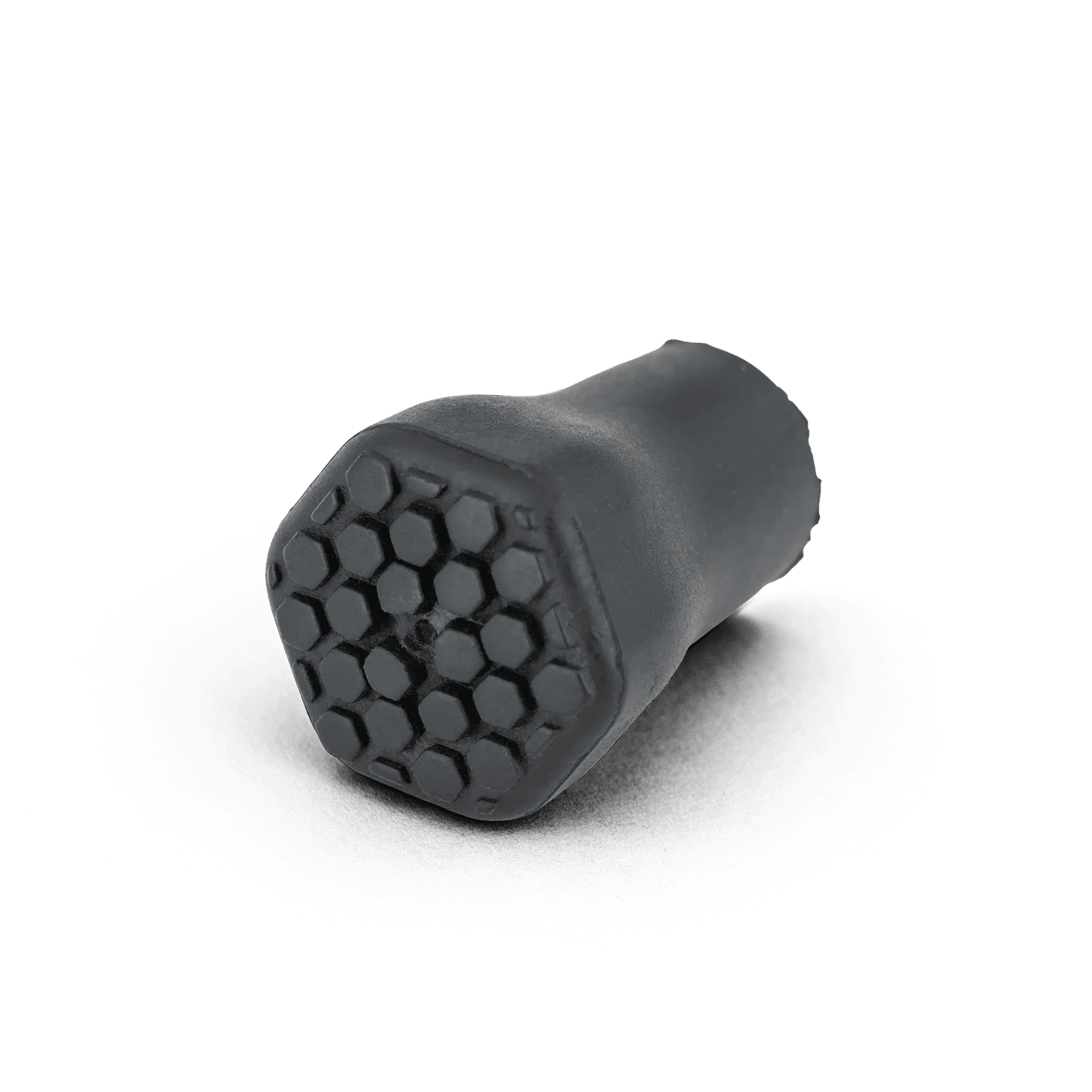
Replacement Rubber Road Tip (Single)
-
Replacement Rubber Road Tip (Single): Compatible with most trekking pole tips It's a broad-fit option, but 'most' isn't 'all'—confirm your pole's tip style if you're unsure.
-
Replacement Rubber Road Tip (Single): Useful for road walking or protecting pole tips Rubber tips soften the click on pavement and add a layer of protection for the carbide tip underneath.
Fit checkpoints before you commit
The catalog says this tip fits most standard trekking pole tips, but it doesn't list specific pole models or measurements. That means the best way to avoid a loose fit is to compare the new tip with your current one. If you still have the old tip, check that the opening and overall shape look similar. If your pole has an unusual tip design, the safest approach is to test-fit the new tip before heading out on a long walk.
Also consider how many tips you need. This is a single replacement tip, so if both poles are worn, you'll want two. And if you use your poles mainly on rocky trails, a rubber road tip may wear faster than on pavement—keep an eye on it and replace when you see thinning.
Simple maintenance habits that extend tip life
A few small habits can help your replacement tip last longer and keep your poles performing well.
- Inspect regularly: Check the rubber tip for cracks, thinning, or looseness every few trips. Catching wear early prevents losing the tip mid-hike.
- Clean after muddy walks: Rinse off dirt and grit from the tip and pole end; trapped grit can accelerate wear.
- Store poles with tips off the ground: When not in use, hang or stand poles so the rubber tips aren't resting on rough surfaces that can deform them.