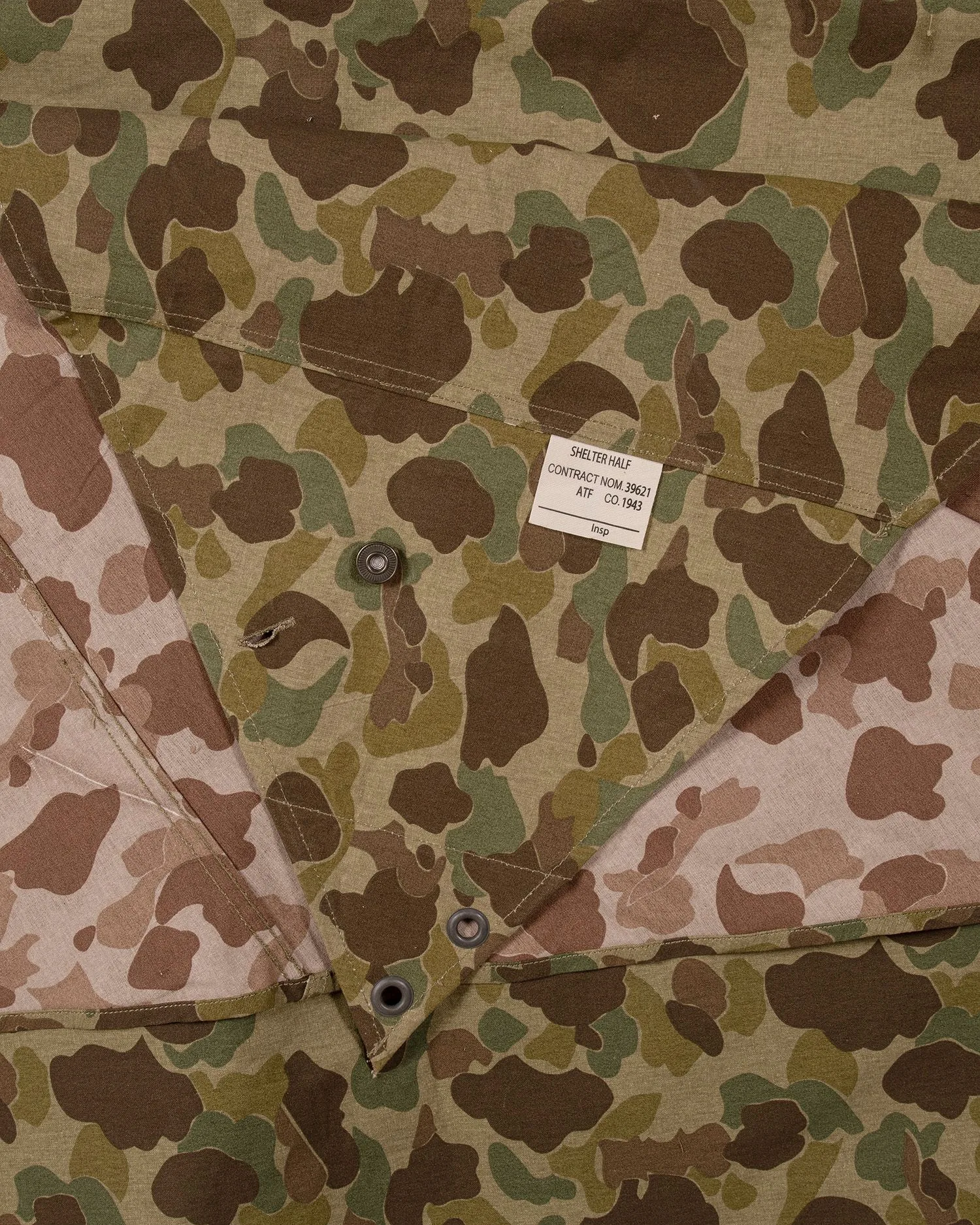
A vintage USMC helmet cover is more than just a piece of canvas—it's a direct link to the Pacific campaigns of World War II. Whether you've inherited a relic from a relative or picked one up at a militaria show, restoring it to display condition requires a careful, respectful approach. Rushing the job can permanently damage the fabric, fade the camouflage pattern, or break the fragile snaps.
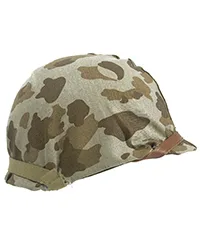
USMC helmet cover
In this guide, we'll walk you through the essential steps of restoring a vintage USMC helmet cover, from initial assessment and gentle cleaning to repairing common damage and sourcing accurate replacement parts. By the end, you'll have the confidence to bring a faded, dirty cover back to life without compromising its historical integrity.
Assessing the Condition of Your Helmet Cover
Before you begin any restoration work, examine the cover thoroughly in good light. Look for mildew, rust stains from the helmet, frayed edges, missing or broken snaps, and any tears in the canvas. Determine whether the camouflage pattern is still visible—many original covers have faded to a pale green or brown, which is perfectly normal and adds to their character.
Pay special attention to the elastic band that fits around the helmet rim. Original elastic often becomes brittle and loses its stretch. If the band is cracked or missing, you may need to replace it with a modern equivalent or source an original replacement. Also check the three grommets that secure the cover to the helmet; these can rust or tear through the fabric over time.
- Use a soft brush to remove loose dirt before washing.
- Never soak a cover in hot water—heat can set stains and shrink the canvas.
- Document the original condition with photos before making any changes.
Cleaning a Vintage USMC Helmet Cover Safely
The safest cleaning method for a WWII-era canvas cover is a gentle hand wash in cool water with a mild, pH-neutral soap. Avoid bleach, harsh detergents, and washing machines—agitation can damage the fibers and cause the camouflage pattern to flake off. If the cover has mildew, a diluted white vinegar solution (1 part vinegar to 4 parts water) can help kill spores without harming the fabric.
After washing, rinse thoroughly with cool water until no soap remains. Gently press out excess water between two clean towels—never wring or twist the canvas, as this can distort the shape. Air-dry the cover flat on a mesh rack away from direct sunlight, which can cause further fading. If you need to remove stubborn rust stains, consider using a commercial rust remover designed for fabrics, but test it on an inconspicuous area first.
- Always test any cleaning solution on a hidden spot first.
- Drying in the shade prevents uneven fading.
- For heavy mildew, repeat the vinegar soak and rinse carefully.
Repairing Snaps, Grommets, and Tears
One of the most common issues with vintage USMC helmet covers is broken or missing snaps. These small brass or steel fasteners are crucial for attaching the cover to the helmet liner. To replace a snap, you'll need a snap-setting tool and a matching replacement snap. If you prefer to keep the cover as original as possible, you can often find period-correct snaps at militaria shows or online. Another option is to use a https://wildernessworks.shop/products/us-parachute-harness-snap-hook-99175US Parachute Harness Snap Hook for temporary attachment during display, though this is not a permanent fix.
Tears in the canvas can be repaired using a patch of similar-weight olive drab cotton or canvas. For small holes, a simple stitch with a strong cotton thread in a color matching the cover works well. For larger tears, a patch applied with fabric glue or hand stitching is more durable. If you're working with a rare camouflage pattern, consider using a piece of scrap from a reproduction cover to avoid damaging the original fabric.
- Use a thimble when hand-stitching through thick canvas.
- For grommets, a grommet-setting kit and a small hammer are all you need.
- Avoid ironing the cover—heat can melt the original rubberized coating.
Sourcing Authentic Replacement Parts
When restoring a vintage USMC helmet cover, using accurate replacement parts is key to maintaining its historical value. For example, the elastic band that secures the cover to the helmet rim is often the first thing to fail. You can find modern elastic that closely matches the original width and color, but for the most authentic look, look for NOS (New Old Stock) elastic from surplus dealers. Another common replacement is the small metal buckle on the back of the cover—originals are usually made of brass or steel with a dull finish.
If you need to replace the entire cover because the original is beyond repair, consider purchasing a high-quality reproduction like the USMC Helmet Cover available at At The Front. These reproductions are made to the original specifications and can be used as a display piece or as a base for further weathering and aging. For collectors who want to keep their original cover in storage and use a reproduction for reenactments, this is an excellent solution.
- Check online forums for sources of original parts.
- Avoid using modern nylon or polyester parts—they look wrong and can damage the canvas.
- When in doubt, consult a professional militaria conservator.
Preserving the Restored Cover for the Long Term
Once your vintage USMC helmet cover is clean and repaired, proper storage is essential to prevent future damage. Store the cover flat in a cool, dry place away from direct sunlight and humidity. Acid-free tissue paper can be placed between the cover and any storage container to prevent creasing. Avoid folding the cover along the same lines repeatedly, as this can weaken the fibers over time.
If you plan to display the cover on a helmet, use a mannequin head or a padded stand to reduce stress on the canvas. For long-term storage, consider placing the cover in a breathable cotton bag rather than a plastic one, which can trap moisture and promote mildew growth. With the right care, your restored USMC helmet cover can be enjoyed for decades to come.
- Keep the cover away from mothballs—they can damage the fabric.
- Check the cover annually for signs of insect damage or mold.
- Rotate the display position if the cover is left on a helmet for long periods.
Restoring a vintage USMC helmet cover is a rewarding project that connects you directly to the history of the United States Marine Corps. By following these gentle cleaning and repair methods, you can preserve the character of the original cover while making it presentable for display or reenactment. If you're starting from scratch or need a high-quality base for your restoration, take a look at the USMC Helmet Cover available at At The Front—it's made to the same specifications as the originals and will serve as a perfect foundation for your project.