Quick Answer
Restuffing your Original Nursing Pillow is a simple way to restore its firm support. You can add polyester fiberfill or use the existing filling to fluff and reshape the pillow.
Why Restuffing Works
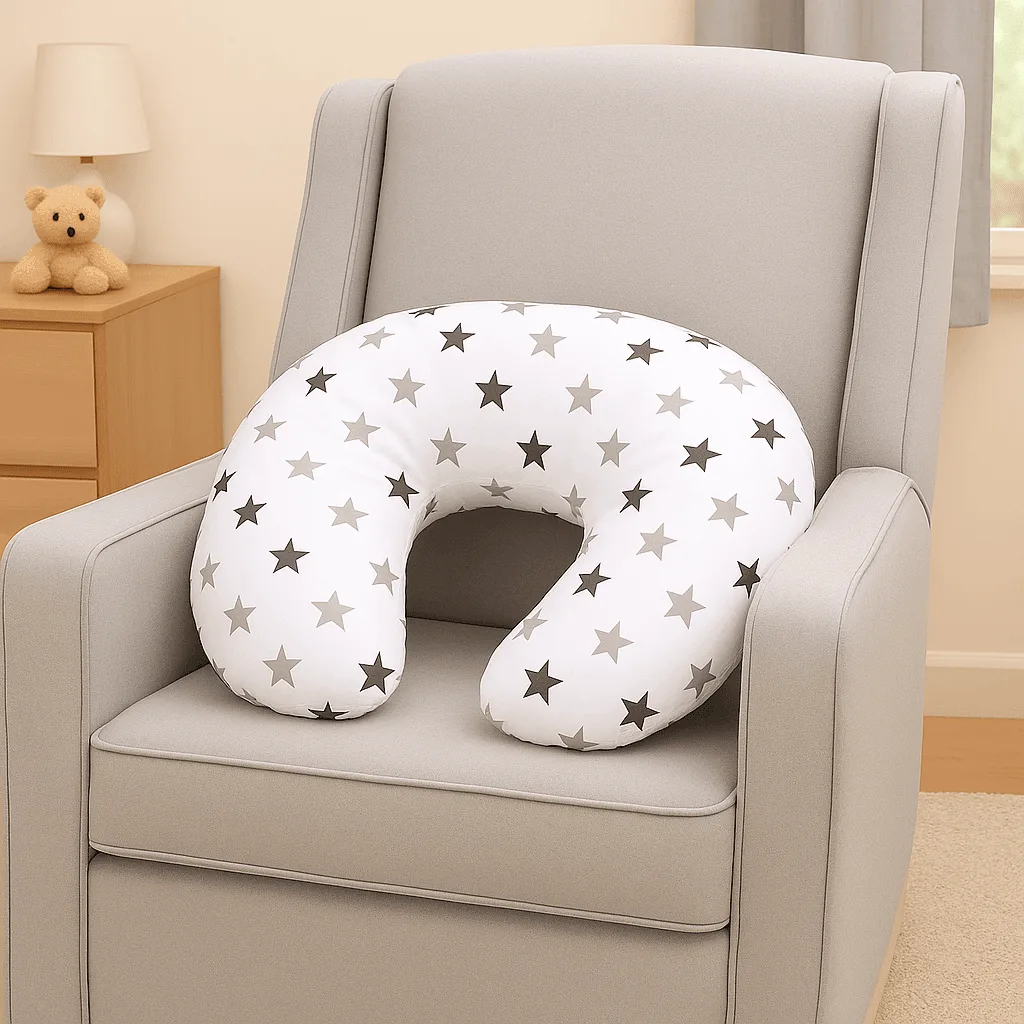
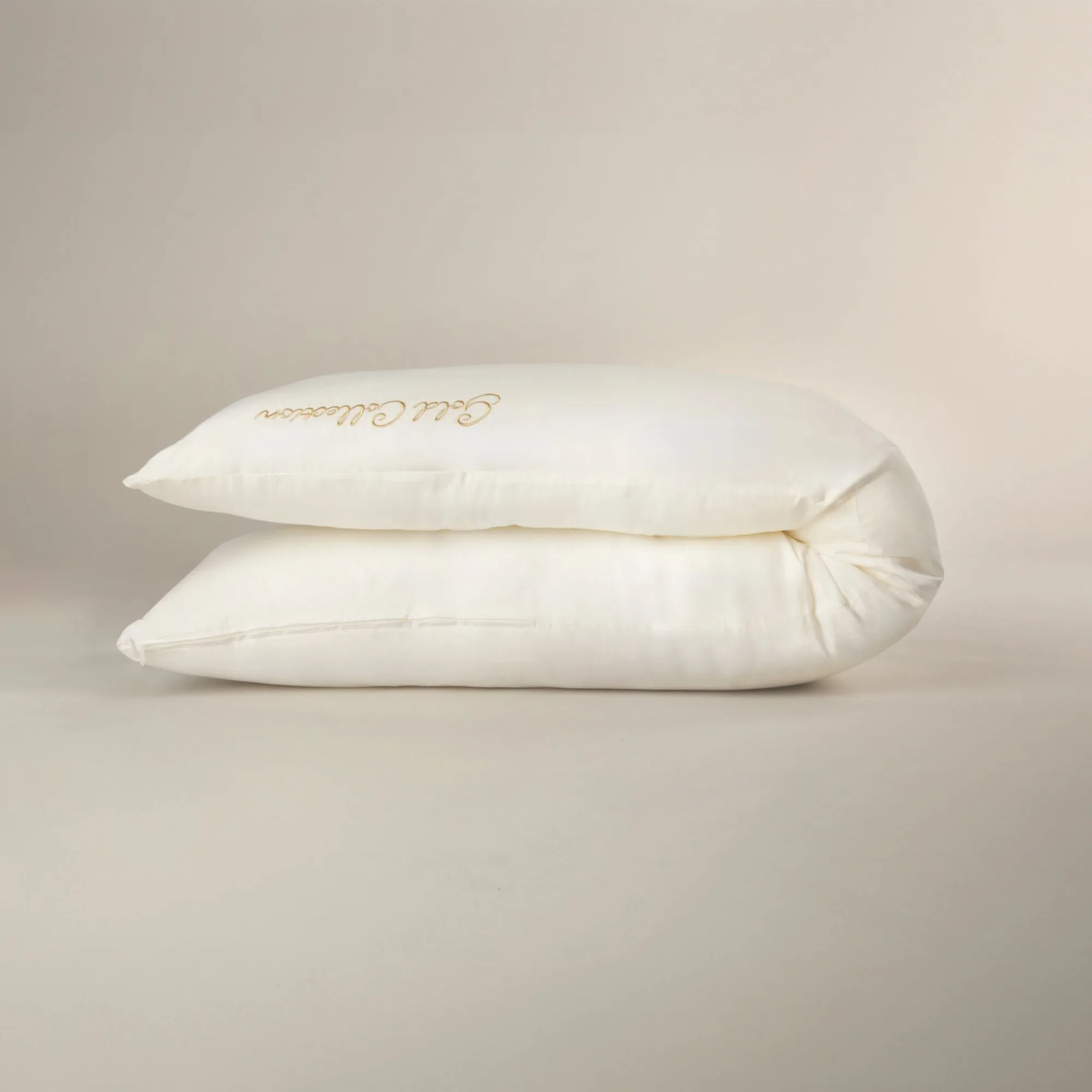
Over time, the filling in your nursing pillow can compress from daily use and washing, leading to a flat, saggy shape that offers less support. Restuffing replenishes the loft, helping the pillow cradle your baby securely and maintain proper breastfeeding positioning.
The Original Nursing Pillow is designed with a unique shape that supports both baby and mom. Restoring its original fullness can make a noticeable difference in comfort and latch quality.
What You'll Need
You can use polyester fiberfill (available at craft stores) or repurpose filling from an old pillow or stuffed toy. Do not use memory foam or shredded latex, as they will not hold the shape or may be too heavy.
Also have a seam ripper or small scissors, a blunt needle, and matching thread (or a sewing machine) on hand to close the opening neatly.
Step-by-Step Restuffing Guide
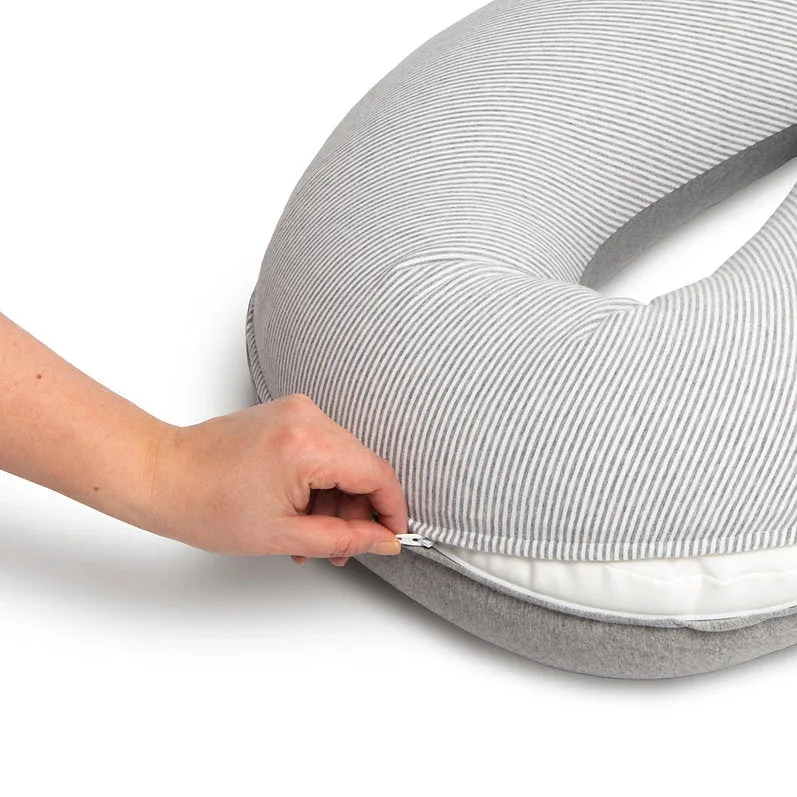
- Open the seam carefully: Use a seam ripper to open a 4-5 inch section of the seam on the back or bottom of the pillow, away from the curved nursing area. Avoid cutting the fabric itself. A common mistake is cutting too close to the seam, leaving frayed edges. Work slowly and remove only thread.
- Remove and fluff the existing filling: Take out the old filling and gently pull apart any clumps. Discard any compressed or lumpy pieces. This step helps you assess how much new fill you need. If the filling feels dusty or smells musty, replace it entirely with fresh fiberfill for hygiene.
- Add new filling evenly: Stuff small handfuls of fiberfill into the pillow, distributing it evenly into all compartments. Focus on the curved neck area and the side supports. Do not overstuff—the pillow should be firm but still able to mold slightly. Overstuffing can make the pillow too rigid and uncomfortable for both you and baby. Test by pressing gently; it should spring back slowly.
- Hand-stitch the opening closed: Use a ladder stitch (invisible stitch) with a needle and thread to close the seam. Match the thread color to the pillow fabric. Stitch tightly, then knot securely and bury the thread inside. A ladder stitch is strong and nearly invisible. Avoid a running stitch, which can pop open under the weight of the baby.
- Fluff and reshape the pillow: After closing, knead and fluff the pillow with your hands to redistribute the filling. Let it sit for a few hours to allow the fibers to settle into their new shape. Do not machine wash the pillow immediately after restuffing—the new fill needs time to loft. Spot clean if needed.
Product Used in This Guide
-
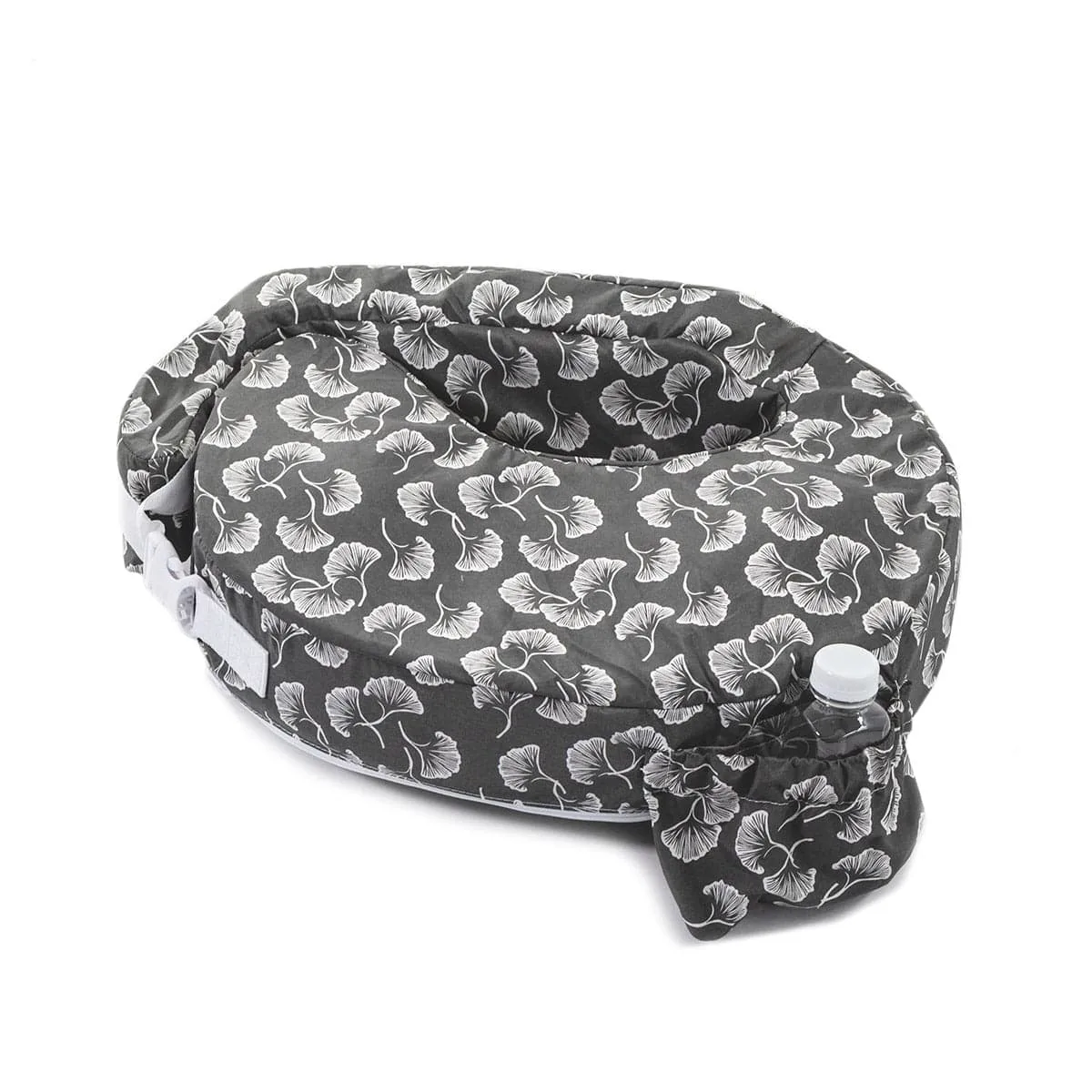
Original Nursing Pillow: Developed in a laboratory of new moms, babies, and breastfeeding experts, the My Brest Friend Original Nursing Pillow’s sole purpose is to answer all the needs of nursing moms and babies. This expert-designed shape means that restoring its original fullness is key to maintaining the ergonomic support that helps prevent neck and back strain during feeding.
Original Nursing Pillow