If you’ve been brewing loose leaf tea, you may have noticed that many high-quality leaves can be infused more than once. Reusing tea leaves—often called a second steep—is a time-honored practice in tea cultures around the world, especially in China, Japan, and Taiwan. Not only does it allow you to extract more value from your tea, but it also unlocks new layers of flavor and aroma that the first infusion couldn’t reveal.
In this guide, we’ll explore the art of the second steep, which teas are best for multiple infusions, and creative ways to repurpose used tea leaves beyond the cup. Whether you’re a seasoned tea enthusiast or just beginning your loose leaf journey, these tips will help you embrace tea sustainability without sacrificing taste.
Which Teas Are Best for Multiple Steeps?
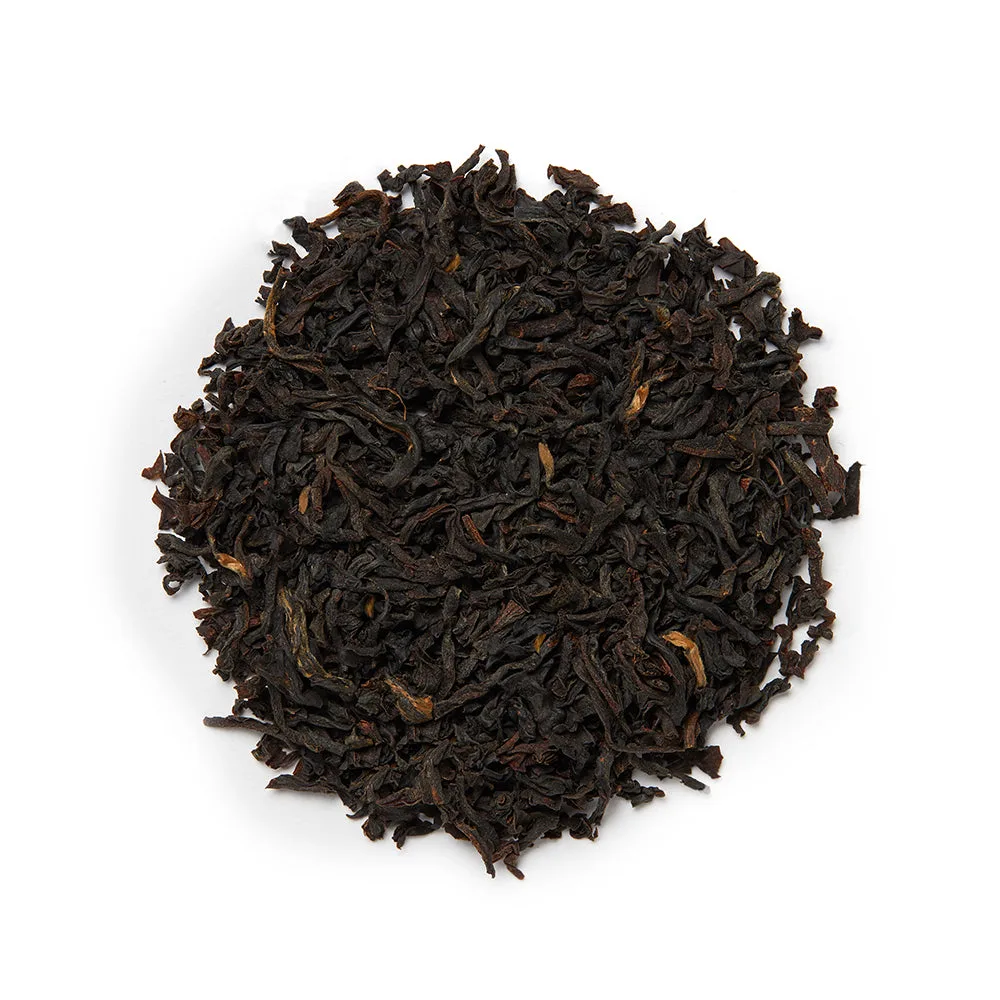
Not all teas are created equal when it comes to re-steeping. Whole-leaf teas generally offer the most potential for multiple infusions because the leaves retain more essential oils and flavor compounds after the first pour. Oolong, green, white, and some black teas are excellent candidates. For example, a high-quality Oolong can yield three to five steeps, each revealing a slightly different character—from floral and creamy in the first cup to toasty and sweet in later rounds.
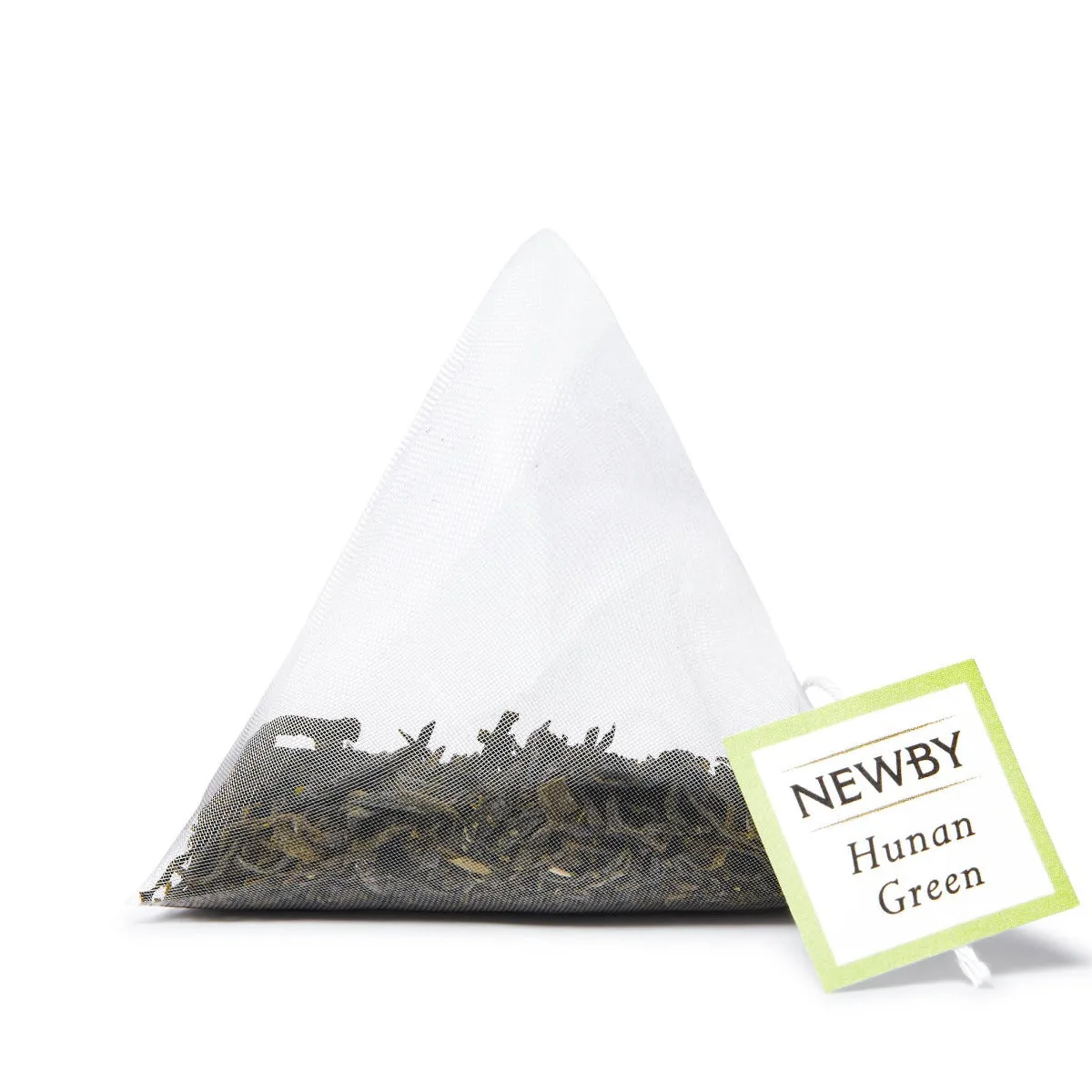
Green teas like our https://sunbiteai.shop/products/hunan-green-silken-pyramids-135947Hunan Green Silken Pyramids can also be steeped twice, especially if you use slightly cooler water and shorter times for the second infusion. Herbal teas, such as https://sunbiteai.shop/products/chamomile-silken-pyramids-135980Chamomile Silken Pyramids, are generally best enjoyed fresh, but you can still get a mild second cup if you extend the steeping time. The key is to start with premium loose leaf or pyramid bag teas that are made from whole leaves rather than dust.
- Oolong and green teas are top candidates for multiple steeps
- White and some black teas can also be re-steeped successfully
- Avoid re-steeping heavily flavored or blended teas with fruit pieces, as they lose flavor quickly
How to Brew a Perfect Second Steep
Brewing a second steep is simple, but it requires a slight adjustment in technique. After your first infusion, leave the wet leaves in the teapot or infuser. For the second steep, increase the water temperature by about 5-10°F (2-5°C) and extend the steeping time by 30 seconds to a minute. This compensates for the fact that the leaves have already released some of their flavor. For delicate green teas, keep the water below 175°F to avoid bitterness.
A great way to practice this is with our Premium Latte Matcha - 100g. While matcha is typically whisked and consumed in one go, you can reuse the whisked powder by adding a small amount of hot water and frothing again for a lighter second cup. For loose leaf teas, always use fresh, filtered water and avoid over-steeping, which can make the second cup taste flat or astringent.
- Increase water temperature slightly for the second steep
- Add 30-60 seconds to your usual steeping time
- Use fresh, filtered water for each infusion
Creative Ways to Repurpose Used Tea Leaves
Once you’ve extracted all the flavor from your tea leaves, don’t throw them away! Used tea leaves have many practical and eco-friendly uses around the home. They make an excellent natural deodorizer—simply dry them out and place them in small bowls in your refrigerator, closet, or shoes to absorb odors. The leaves can also be added to your compost bin, as they are rich in nitrogen and help enrich the soil.
Another creative idea is to use spent tea leaves as a gentle exfoliant in homemade body scrubs. Mix the damp leaves with a bit of coconut oil and sugar for a soothing, antioxidant-rich scrub. For a relaxing bath, tie used leaves in a muslin cloth and add them to warm water—the tannins can help soothe tired skin. If you enjoy gardening, sprinkle the leaves around acid-loving plants like roses or blueberries to boost soil health naturally.
- Dry used leaves to create natural deodorizers for your home
- Add spent leaves to compost or use as mulch for acid-loving plants
- Make a gentle body scrub or bath soak with leftover tea leaves
Storing Used Leaves Between Steeps
If you plan to re-steep your tea leaves within a few hours, you can leave them in the teapot or infuser at room temperature, covered with a lid or a damp cloth to prevent them from drying out. For longer breaks—say, overnight—refrigerate the used leaves in an airtight container. This keeps them fresh and prevents bacterial growth. When you’re ready for the next steep, let the leaves come back to room temperature before adding hot water.
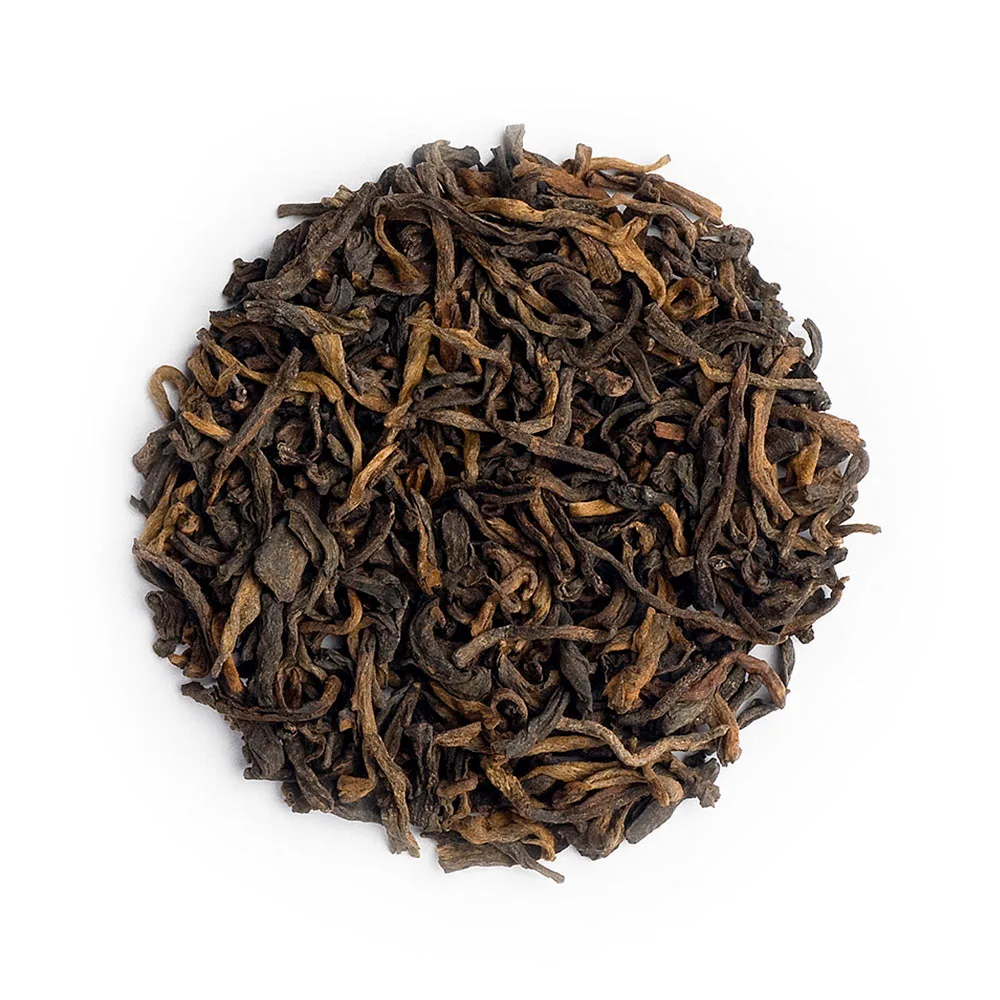
Avoid storing used leaves for more than 24 hours, as they can lose their flavor and develop off tastes. If you’re brewing a tea that you know will yield multiple steeps, consider using a dedicated brewing vessel like a gaiwan or a small teapot that allows you to keep the leaves moist between infusions. This method is especially popular for Oolong and Pu-erh teas, where each steep is a deliberate, mindful experience.
- Store used leaves in an airtight container in the fridge if steeping later
- Do not keep used leaves for more than 24 hours
- Use a gaiwan or small teapot for multiple steeps in one session
Reusing tea leaves is a simple yet rewarding practice that saves money, reduces waste, and deepens your appreciation for the craft of tea. By choosing whole-leaf teas and adjusting your brewing technique, you can enjoy multiple flavorful cups from a single serving. Ready to explore premium teas that are perfect for multiple steeps? Discover our selection of high-quality loose leaf teas and pyramid bags to start your second steep journey today.