Quick answer
To ship live fish safely with heat packs, use durable polyethylene fish bags, maintain a stable temperature between 65-75°F, and follow a step-by-step packing process that minimizes stress and prevents leaks.
Why heat packs are essential for live fish transport
When shipping live fish, maintaining a consistent temperature is critical. Heat packs are designed to provide gentle warmth during transit, especially in cooler weather. Without them, fish can experience thermal shock, which is often fatal.
However, heat packs are not a one-size-fits-all solution. The size of the box, the insulation, and the ambient temperature all affect how much heat is needed. Always test your setup before shipping to ensure the temperature stays within the safe range.
Choosing the right fish bags: why polyethylene matters
The type of bag you use is just as important as the heat pack. Standard plastic bags can tear easily or contain recycled materials that may leach harmful chemicals into the water. This is why many aquarists prefer polyethylene fish bags, which are made from virgin low-density polyethylene and are specifically designed for aquatic transport.
Polyethylene bags are also more durable, withstanding significant outside pressure. This reduces the risk of leaks during handling and stacking, which is a common cause of lost shipments.
Understanding the limits of heat packs
Heat packs generate heat through oxidation, which means they need oxygen to work. If you vacuum-seal the bag or use an airtight container, the heat pack will stop working. Always use a breathable material or leave ventilation holes in the box.
Also, heat packs can overheat if placed directly against the fish bag. Always insulate with newspaper or bubble wrap between the heat pack and the bag to prevent hot spots that can cook the fish.
Step-by-step guide to shipping live fish with heat packs
- Prepare the fish: Fast the fish for 24-48 hours before shipping to reduce waste and ammonia buildup in the bag. This also lowers oxygen consumption during transit. Checkpoint: Ensure the fish is healthy and free of signs of disease before packing.
- Fill the bag with water: Use a clean polyethylene fish bag and fill it with one-third water and two-thirds oxygen. This ratio provides enough water to keep the fish comfortable and enough oxygen for the journey. Checkpoint: Avoid overfilling the bag; too much water reduces oxygen space.
- Seal the bag securely: Fold the top of the bag over and secure it with rubber bands or a heat sealer. Double-bagging adds an extra layer of protection against leaks. Checkpoint: Test the seal by gently pressing on the bag to ensure no air escapes.
- Place the bag in an insulated box: Use a sturdy cardboard box lined with foam or styrofoam for insulation. This helps maintain a stable temperature and protects the bag from physical damage. Checkpoint: Ensure the box is large enough to hold the bag without compressing it.
- Add the heat pack with proper insulation: Activate the heat pack according to the manufacturer's instructions and place it on top or beside the bag. Always wrap the heat pack in newspaper or bubble wrap to prevent direct contact with the bag. Checkpoint: Check the heat pack's temperature range and match it to the expected transit conditions.
- Close and label the box: Seal the box with packing tape and label it as 'Live Fish' and 'This Side Up'. Include a note with the species and any special handling instructions. Checkpoint: Include a contact number on the label in case of delays.
- Ship and monitor: Choose a shipping method that guarantees overnight or 2-day delivery. Monitor the weather forecast along the route and consider using a thermal logger to track temperature during transit. Checkpoint: Notify the recipient of the expected arrival time and ask them to be available to receive the package.
Product recommendation
-
High Quality Polyethylene Fish Transportation Flat Bottom Bag (50 Pcs): These polyethylene fish transportation bags have a flat square bottom to prevent fish from getting trapped or crushed in corners during transport. They are made from 100% virgin low-density polyethylene and can withstand up to 60kg of outside pressure. The flat bottom reduces stress on fish during transit, while the virgin polyethylene ensures no toxic chemicals leach into the water, and the high pressure resistance minimizes the risk of bag bursts.
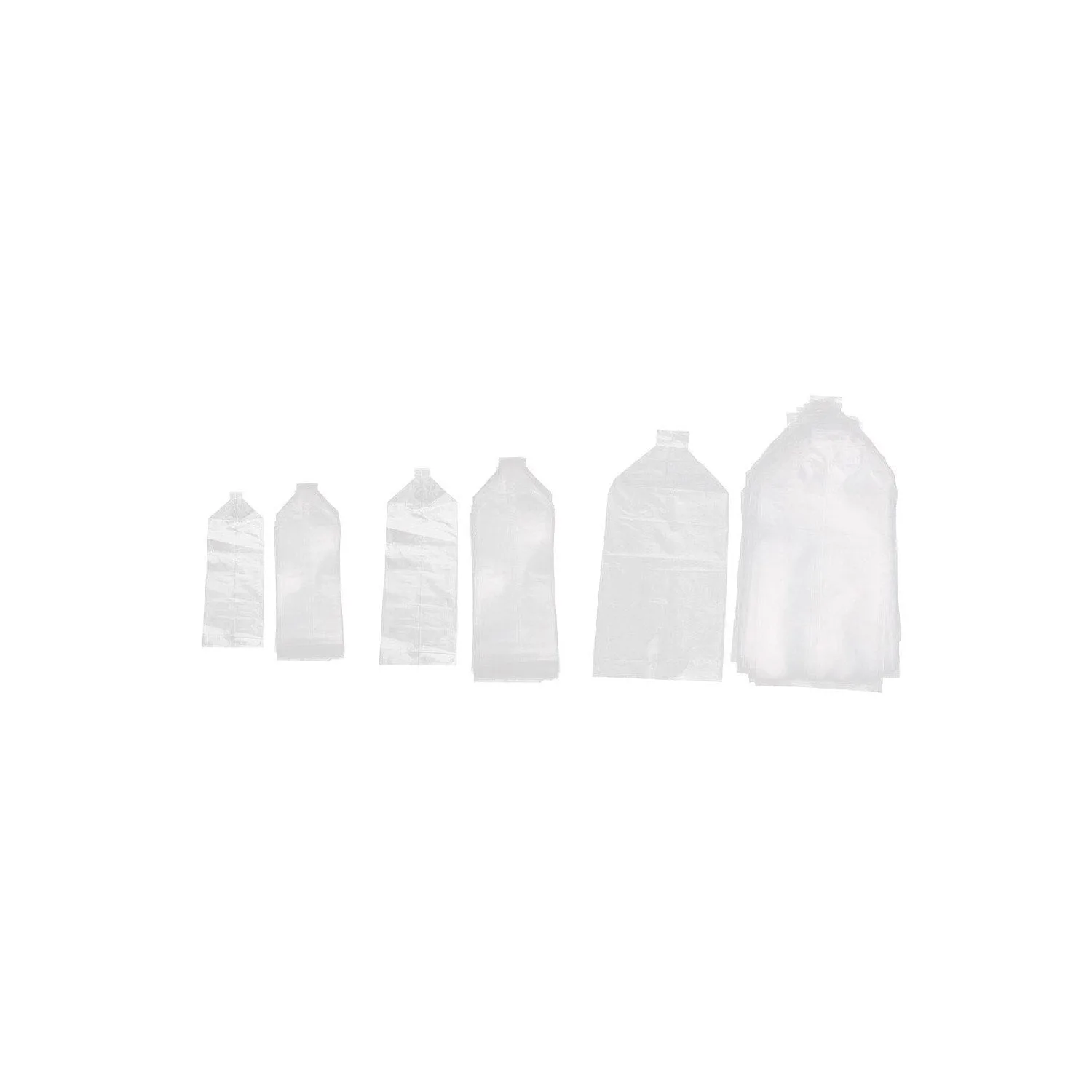
High Quality Polyethylene Fish Transportation Flat Bottom Bag (50 Pcs)