When it comes to keeping your tableware sparkling, the right cleaning approach makes all the difference. Ceramic and glass pieces are staples in any kitchen, but they require careful handling to maintain their beauty and longevity. While all-purpose cleaners are versatile, not all are safe for every surface. This guide will help you understand how to use all-purpose cleaner safely on ceramic and glass tableware, ensuring your dishes stay pristine for years to come.
From everyday dinner plates to delicate glassware, knowing the do's and don'ts of cleaning can prevent damage like etching, clouding, or fading. We'll explore the best practices, what to avoid, and how to care for your specific pieces, including those from your favorite collections.
Understanding All-Purpose Cleaners
All-purpose cleaners are formulated to tackle a variety of surfaces, from countertops to appliances. However, their chemical composition can vary significantly. Some contain harsh abrasives, strong acids, or ammonia, which can be too aggressive for ceramic glazes and glass finishes. Before using any cleaner on your tableware, it's crucial to read the label and check for warnings about suitability on ceramics or glass.
For ceramic and glass, a mild, pH-neutral all-purpose cleaner is often the safest choice. These cleaners are gentle enough to remove grease and grime without damaging the surface. If you're unsure about a product, test it on a small, inconspicuous area first. This simple step can save you from ruining a favorite dish.
- Always check the label for 'safe on ceramic' or 'safe on glass'.
- Avoid cleaners with bleach, ammonia, or abrasive particles.
- When in doubt, dilute the cleaner with water to reduce its strength.
Safe Cleaning Practices for Ceramic Tableware
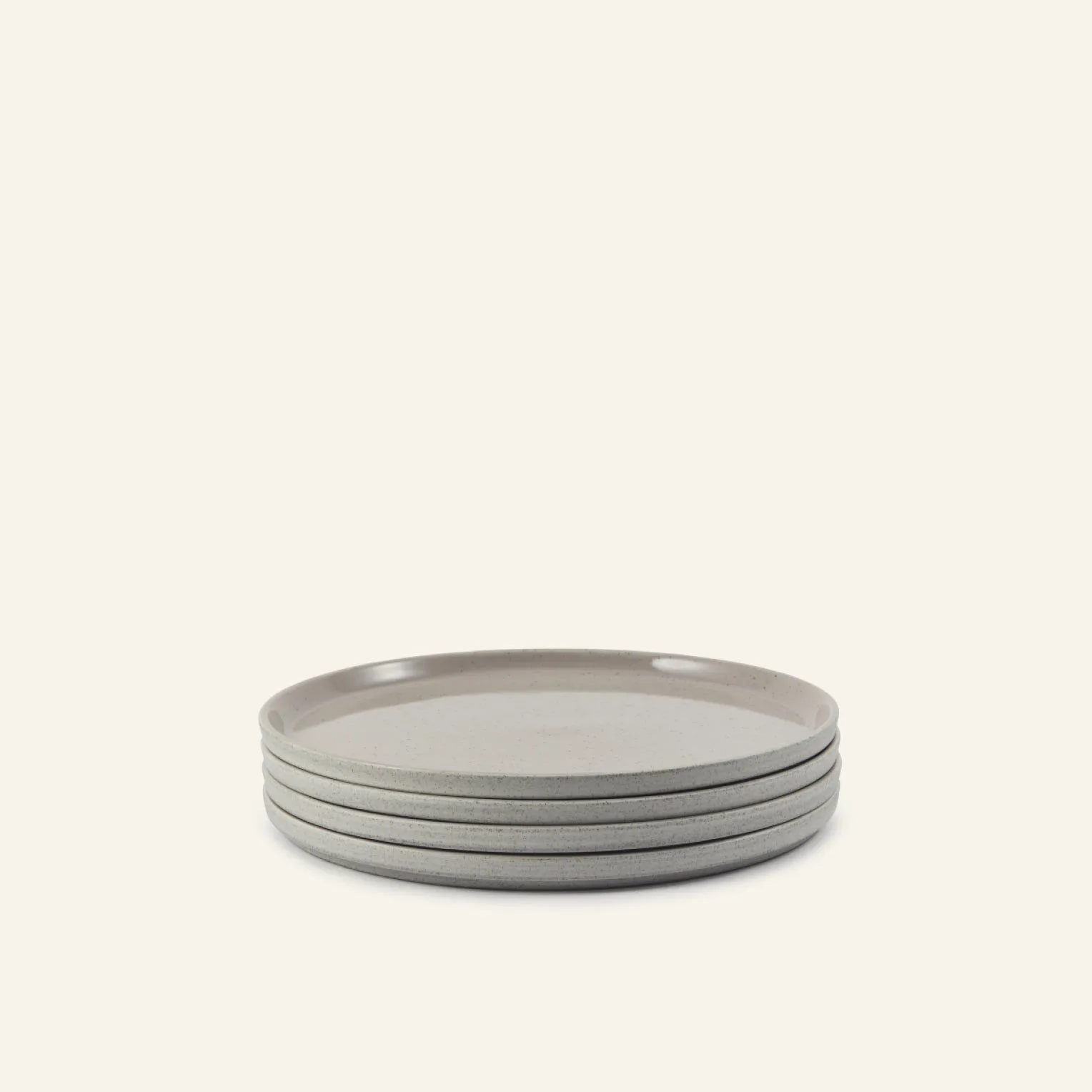
Ceramic tableware, such as plates, bowls, and serving dishes, often features decorative glazes or metallic accents. These finishes can be sensitive to harsh chemicals. For everyday cleaning, warm soapy water and a soft sponge are usually sufficient. If you need a deeper clean, a mild all-purpose cleaner diluted with water can be used, but rinse thoroughly afterward to remove any residue.
For special pieces like the COOKPLAY Jelly - Deep plate or the COOK & SHARE Sepia - Tabuleiro S, consider hand washing over dishwashers. The high heat and strong detergents in dishwashers can dull finishes over time. If you must use a dishwasher, place ceramics on the top rack and use a gentle cycle.
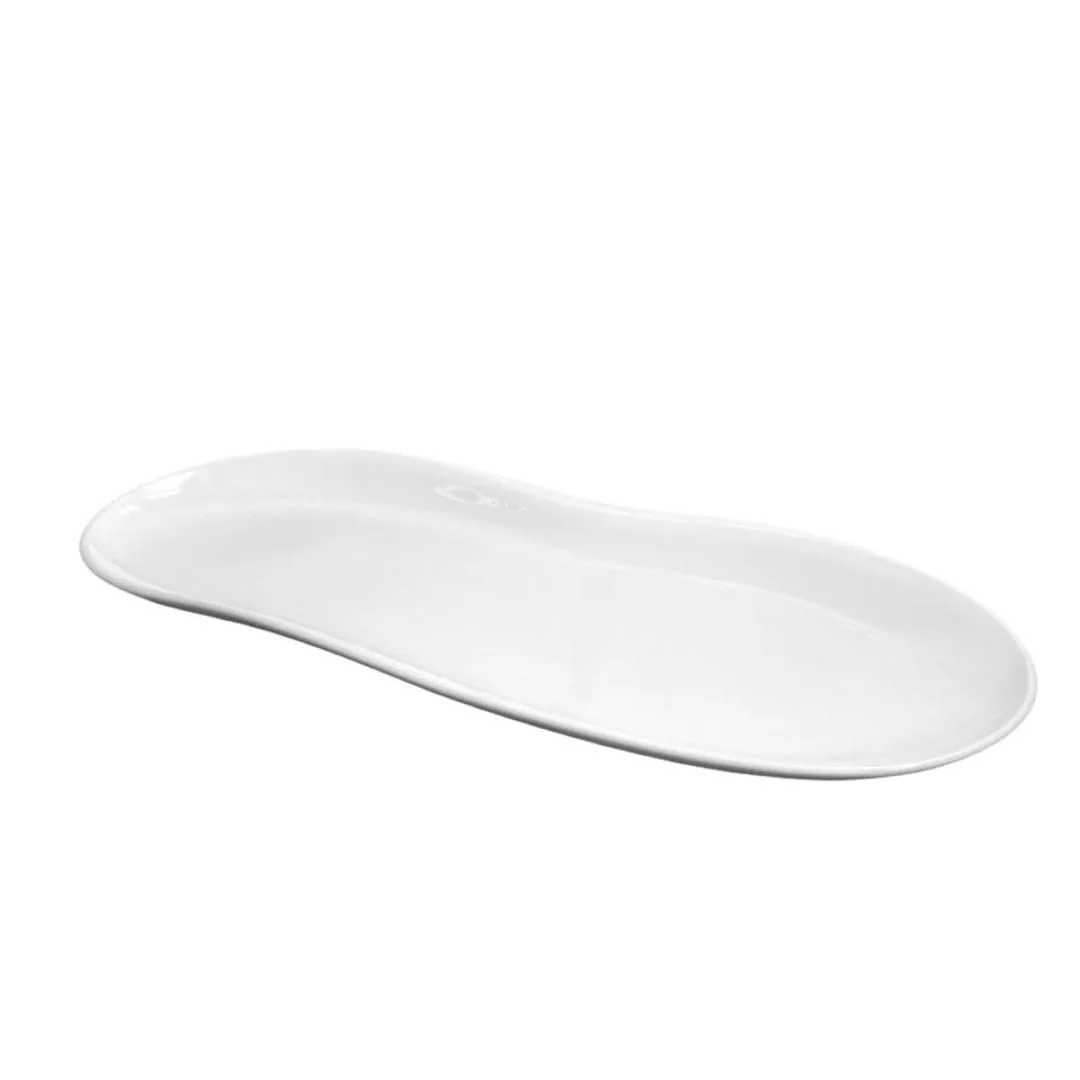
COOKPLAY Jelly - Deep plate
- Hand wash with mild detergent and soft cloth.
- Avoid abrasive scrubbers that can scratch the glaze.
- Dry immediately to prevent water spots.
Caring for Glass Tableware
Glass tableware, from water glasses to decorative vases, can become cloudy or etched if exposed to harsh cleaners. Calcium and mineral deposits are common culprits, especially if you have hard water. To keep your glassware crystal clear, wash with a gentle dish soap and warm water. For stubborn spots, a mixture of vinegar and water works wonders, but avoid using all-purpose cleaners that contain ammonia, as they can damage the glass over time.
For elegant pieces like the ICHENDORF MILANO Decò - Conjunto de 6 copos de água, hand washing is recommended to preserve their clarity and design. If you use an all-purpose cleaner, ensure it's specifically labeled as safe for glass and rinse thoroughly.

ICHENDORF MILANO Decò - Conjunto de 6 copos de água
- Use a soft, lint-free cloth to dry glassware to avoid streaks.
- Never use abrasive pads or steel wool.
- For hard water stains, soak in a vinegar solution before washing.
What to Avoid When Cleaning Tableware
Certain cleaning agents can cause irreversible damage to ceramic and glass. Chlorine bleach, for example, can weaken the structure of ceramic and cause discoloration. Ammonia-based cleaners can etch glass surfaces, leaving them permanently cloudy. Abrasive powders or scouring pads can scratch both ceramic glazes and glass, making them more prone to staining and bacteria buildup.
Additionally, be cautious with 'natural' or 'green' cleaners that may contain citrus oils or other acidic ingredients. While effective on some surfaces, these can be too harsh for delicate tableware. Always prioritize products specifically designed for dishware or those with a neutral pH.
- Steer clear of bleach, ammonia, and abrasive cleaners.
- Avoid using the same sponge used for cleaning countertops on your dishes.
- Never soak ceramic or glass in all-purpose cleaner for extended periods.
Tips for Maintaining Your Tableware's Beauty
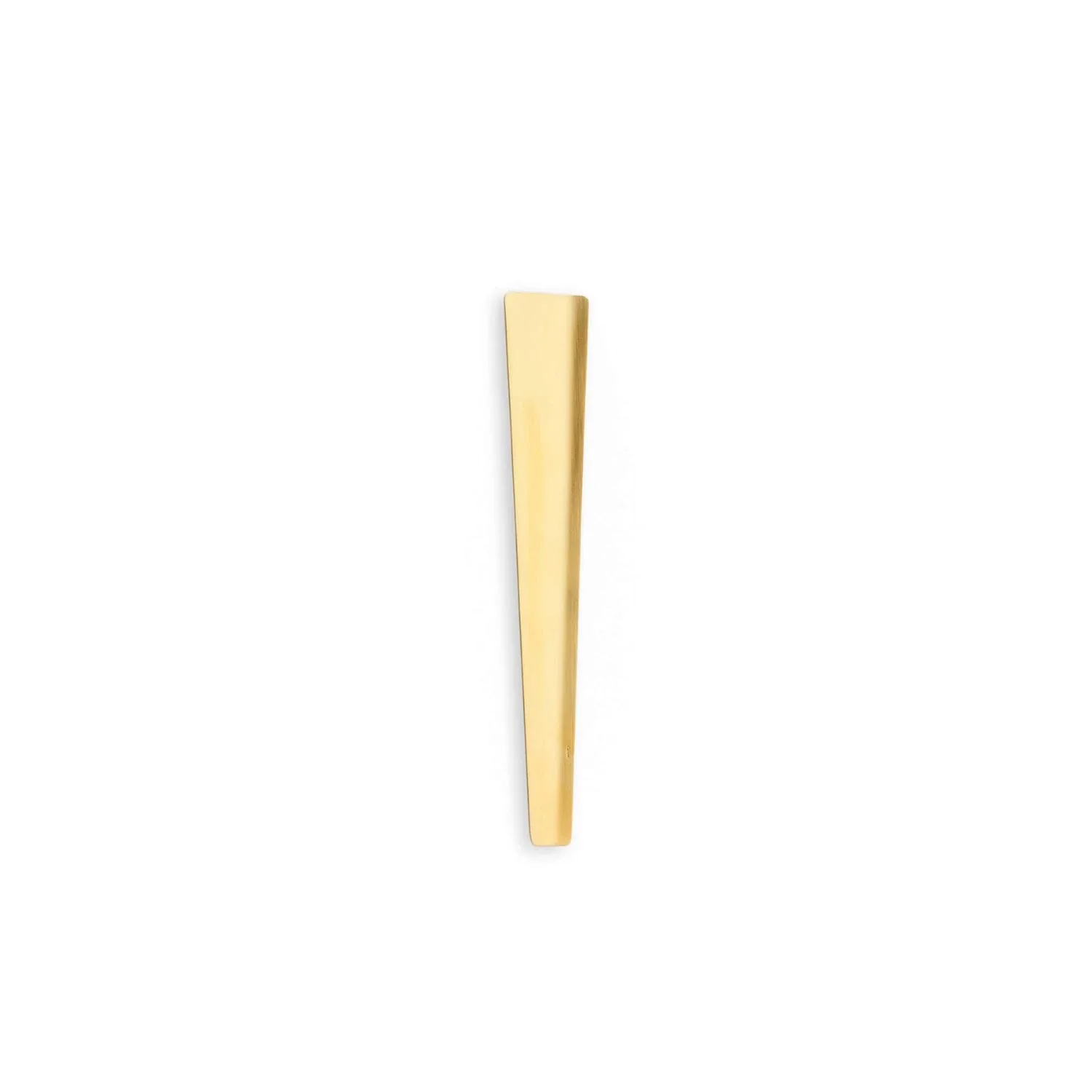
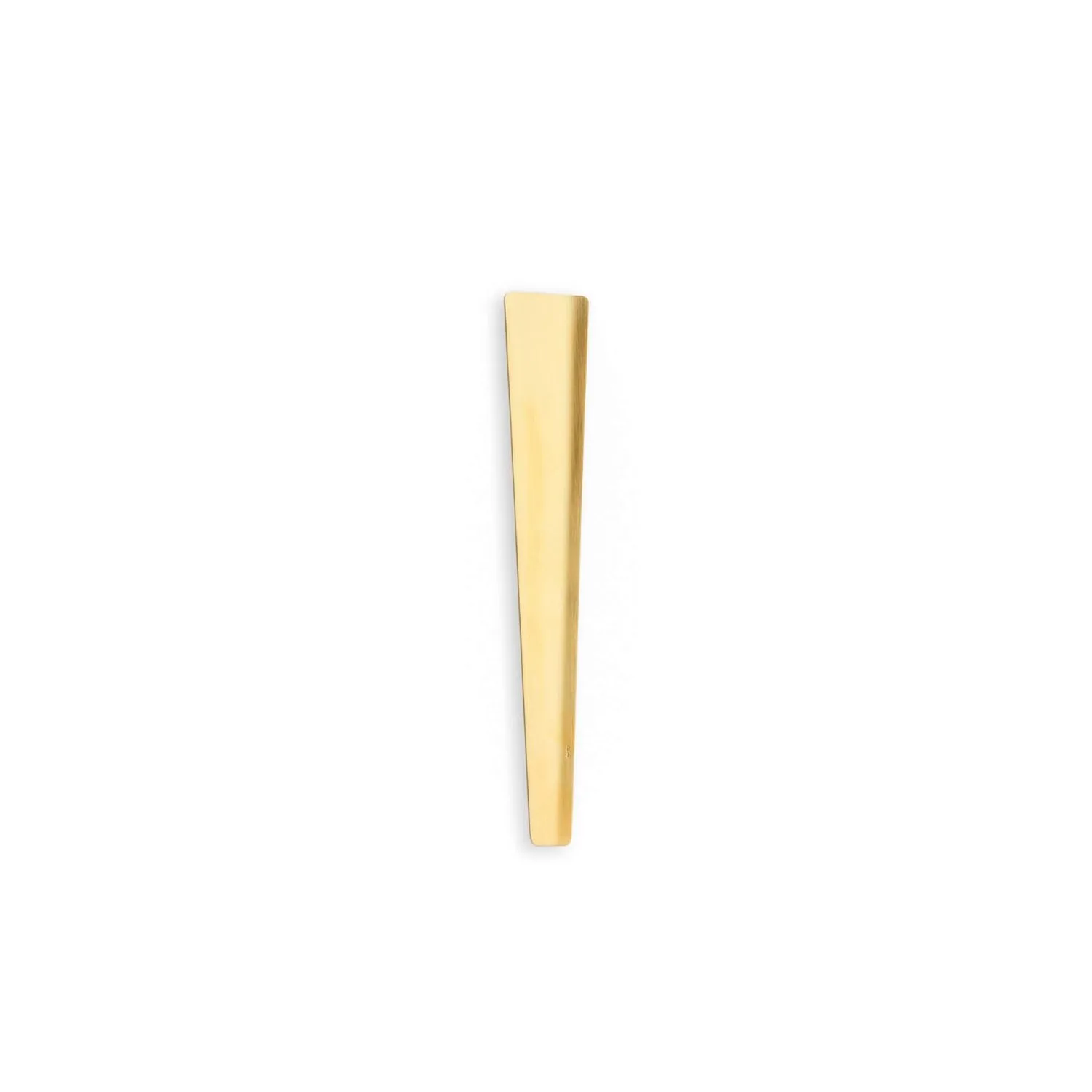
Proper care extends the life of your tableware and keeps it looking new. For ceramic pieces with gold or metallic accents, such as the https://buly1803s.com/products/cutipol-gourmet-talher-de-salada-dourado-334039CUTIPOL Gourmet - Talher de salada dourado, avoid any abrasive contact. Even mild cleaners can wear away the metallic finish over time. Instead, use a soft cloth and warm water, and dry immediately to prevent water spots.
For glass items, store them separately to prevent chipping. Use felt pads or dividers if stacking. Regularly inspect your tableware for any signs of wear, and address issues early to avoid further damage.
- Hand wash metallic-accented pieces to preserve the finish.
- Store glassware upright and avoid overcrowding.
- Use a dedicated soft sponge for your good dishes.
Using all-purpose cleaner on ceramic and glass tableware doesn't have to be risky. By choosing the right product, testing it first, and following proper cleaning techniques, you can keep your dishes looking beautiful for years. Always prioritize gentle, pH-neutral cleaners and hand washing for delicate pieces. For more tips on caring for your tableware, explore our collection of high-quality pieces at Cutipol, and remember that a little extra care goes a long way in preserving the things you love.