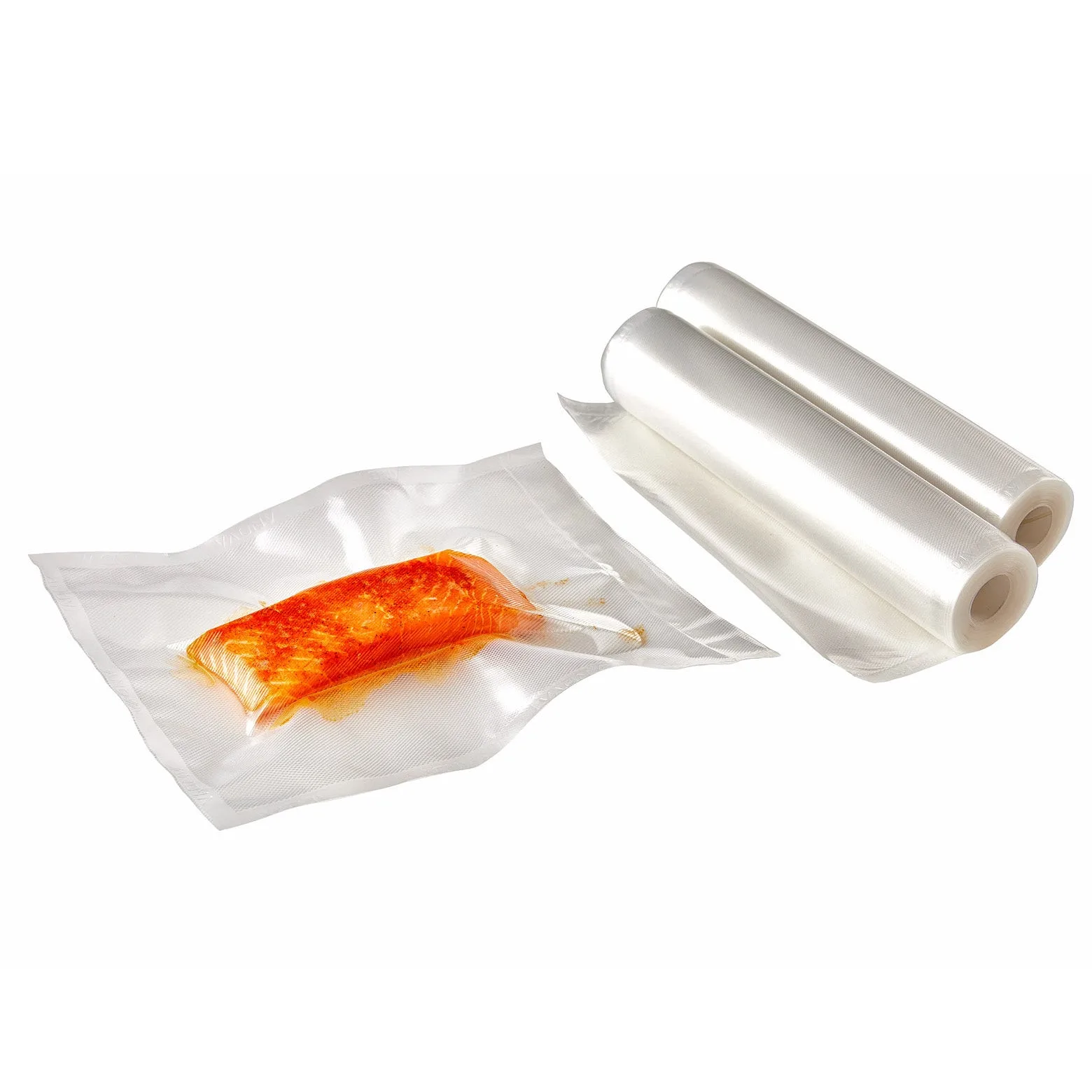
Why Dry and Moist Foods Need Different Techniques
The Anova Precision Vacuum Sealer is designed for fast air extraction and a strong seal, but the moisture content of your food changes how you should prepare and seal it. Dry foods like nuts, grains, and cheese are straightforward, while moist foods, marinades, and liquids require a few extra steps to avoid compromising the seal. This guide walks through the practical differences so you can get the best results from your sealer.
What the Anova Precision Vacuum Sealer Is Built For
-
Anova Precision™ Vacuum Sealer: Keeping with the “faster, stronger, smaller,” ethos at Anova, the Anova Precision® Vacuum Sealer combines fast air extraction with a strong reliable seal to create the ideal vacuum-sealed bags for sous vide cooking and all your food storage needs – and it’s small enough to stash away when not in use. The sealer’s fast extraction and strong seal are key for handling both dry and moist foods, but moisture management depends on your technique, not the machine alone.
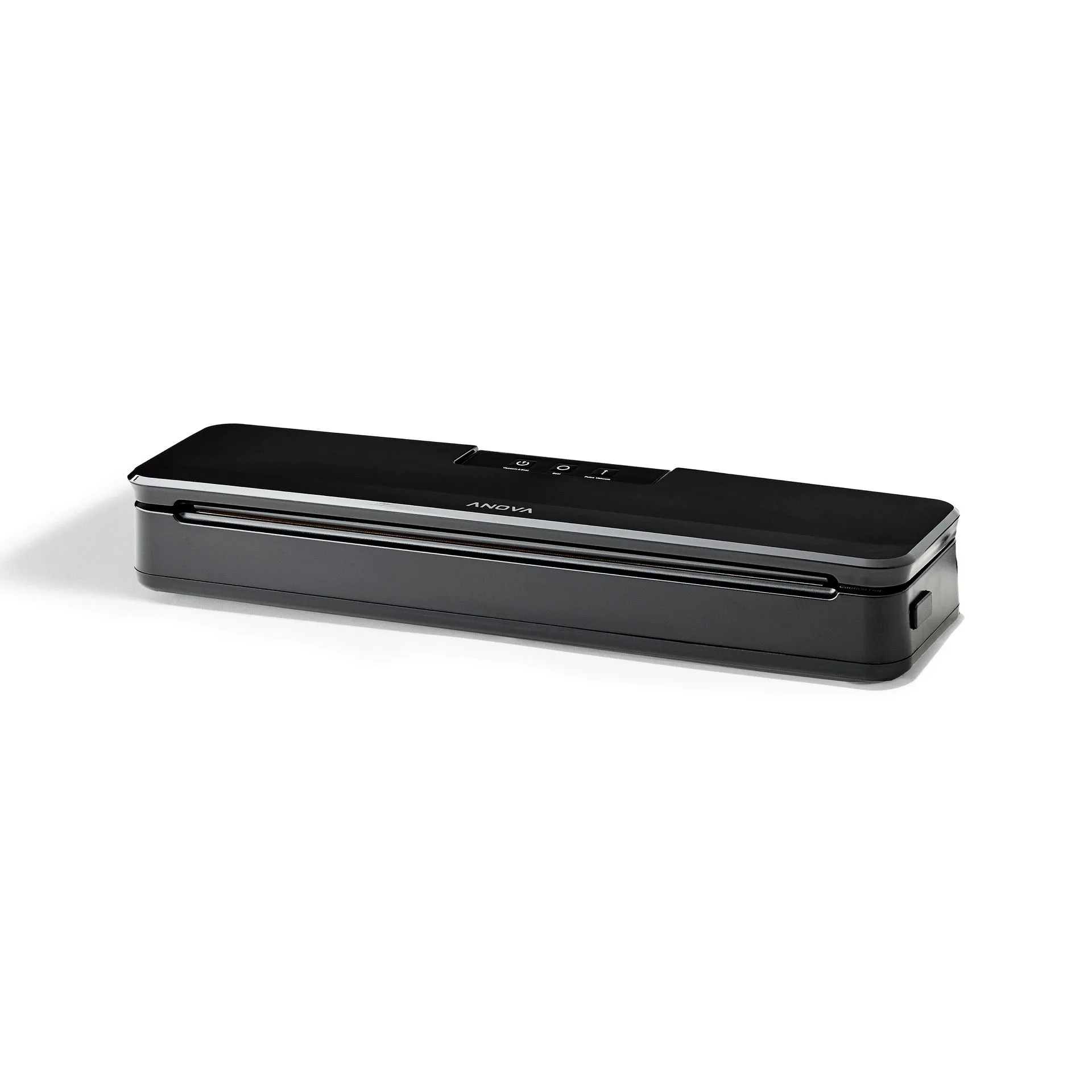
Anova Precision™ Vacuum Sealer
Sealing Dry Foods: Nuts, Grains, Cheese, and More
Dry foods are the easiest to vacuum seal. Simply place the items in a compatible vacuum bag, leaving enough space for the seal, and run the sealer. The fast air extraction of the Anova Precision Vacuum Sealer removes air quickly without pulling fine particles into the seal area. For powdery ingredients like flour or ground spices, consider folding a small strip of paper towel across the top of the bag to act as a barrier before sealing. This keeps the seal line clean and prevents powder from interfering with the heat seal.
Cheese, nuts, and dry snacks benefit from vacuum sealing because it removes oxygen that causes spoilage. No special preparation is needed beyond ensuring the bag’s interior is dry near the seal zone.
Sealing Moist Foods and Liquids: What Changes
Moist foods, such as marinated meats, wet vegetables, or soups, require a different approach. The Anova Precision Vacuum Sealer is not a chamber sealer, so liquid can be pulled into the vacuum channel before the seal completes. To prevent this, pre-freeze liquids or semi-liquid foods in a container or bag until solid, then vacuum seal. For moist but not liquid items like marinated chicken or wet fruit, you can use a paper towel or a specialized moisture barrier inside the bag to absorb excess liquid during sealing. Leave the barrier at the top of the bag, away from the food, and remove it after sealing.
Always leave a few inches of bag space above the food to give the sealer room to create a clean seal without moisture interference.
Step-by-Step: Sealing Dry Foods
Follow these steps for best results with dry ingredients.
- Prepare the bag: Cut a bag from an Anova Precision Vacuum Sealer roll or use a pre-sized bag. Ensure the open end is clean and dry.
- Fill the bag: Add dry foods like nuts, grains, or cheese. Leave enough space at the open end for sealing, following the product instructions.
- Seal: Place the open end into the vacuum channel and press the seal button. The sealer will extract air and heat-seal the bag.
Step-by-Step: Sealing Moist Foods
Use these steps to handle moisture without compromising the seal.
- Pre-freeze liquids: For soups, stews, or marinades, freeze the liquid in a container or bag until solid. Then transfer the frozen block to a vacuum bag.
- Add a moisture barrier: For moist but not liquid foods, place a folded paper towel inside the bag near the open end. This absorbs any liquid that rises during vacuuming.
- Leave extra bag space: Allow sufficient bag space above the food. This gives the sealer room to create a strong seal before moisture reaches the heat zone, as directed in the product instructions.
- Seal immediately: Start the vacuum and seal cycle as soon as the bag is positioned. Do not let moist food sit in the bag before sealing.
Practical Tips for Better Seals Every Time
Keep the seal area dry and free of debris. Even a few drops of liquid or crumbs can prevent the heat seal from bonding properly. If you are sealing multiple batches, wipe the vacuum channel with a dry cloth between uses to remove any residue. The Anova Precision Vacuum Sealer’s compact size makes it easy to store, but always store it in a dry place to keep the sealing mechanism in good condition.
For best results with both dry and moist foods, use bags and rolls designed for vacuum sealing. The sealer’s fast extraction works with compatible bags to achieve a reliable seal.