Why Large Bocconcini Deserves a Spot on Your Table
Large Bocconcini are fresh mozzarella pearls that bring a rich, creamy texture to a wide range of dishes. Whether you're layering them into a caprese salad, adding them to pasta, or serving them as part of a cheese board, these bocconcini offer a mild, milky flavor that complements both simple and bold ingredients.
Because they are a fresh cheese, proper handling and storage make a real difference in taste and texture. This guide covers what the product record confirms about Large Bocconcini and offers practical advice for serving and storing them.
What the Product Record Confirms
-
Large Bocconcini: Our large Bocconcini is perfect for any dish that calls for rich, creamy mozzarella. This confirms the cheese is versatile and can be used in both hot and cold preparations, from baked pasta to fresh salads.
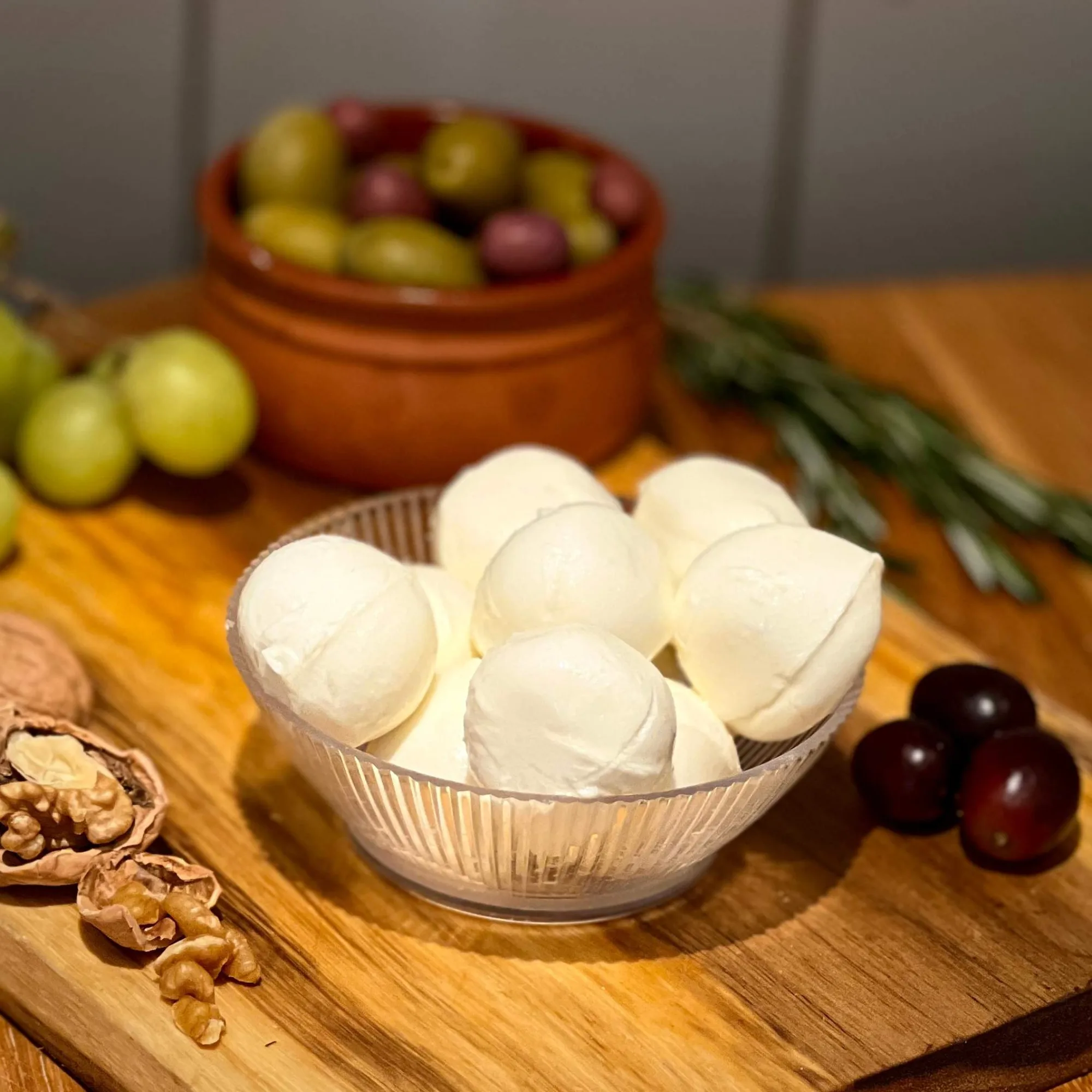
Large Bocconcini
-
Large Bocconcini: Made with high-quality ingredients and crafted to perfection, it adds a delicious and indulgent touch to your meals. The focus on quality means you can serve it as a centerpiece or a simple addition without needing extra seasoning.
How to Serve Large Bocconcini
Large Bocconcini are best served at room temperature to let their creamy texture shine. Remove them from the refrigerator before serving. For a simple appetizer, slice or tear the bocconcini and pair with ripe tomatoes, fresh basil, and a drizzle of olive oil.
They also work well in warm dishes. Add whole or halved bocconcini to the top of a baked pasta or pizza during the last few minutes of cooking so they soften without turning rubbery. For a cheese board, place the bocconcini in a small bowl with their brine or a light herb oil to keep them moist and flavorful.
Storage Tips for Fresh Bocconcini
Fresh bocconcini should be kept in their original brine or liquid to maintain moisture and prevent drying out. Store them in the coldest part of the refrigerator, ideally between 34°F and 40°F. Once opened, use the bocconcini within a few days for the best flavor and texture.
If you don't have the original brine, you can keep them submerged in a mixture of water and a little salt—just enough to mimic the brine's salinity. Change the liquid every day or two if you plan to keep them longer, though fresh cheese is best enjoyed sooner rather than later.
What the Product Record Does Not Cover
The product record does not include specific storage temperature ranges, shelf life after opening, or detailed preparation instructions. For these details, refer to the packaging or contact the manufacturer. The advice above is based on general best practices for fresh mozzarella and should be adjusted if the packaging provides different guidance.