Quick answer
Start with one sculptural Alessi piece as your focal point, then build the rest of the table around its finish and scale. Keep the palette to two or three materials, and let each accessory serve a real function. This approach gives you a coordinated Italian table setting without overcrowding the surface.
Choose a focal point before you add anything else
A coordinated table rarely starts with a full set. It starts with one piece that sets the tone. That could be a serving bowl, a citrus basket, or a candleholder. Place it at the center and step back. If it holds the table on its own, you have your anchor. If it looks lost, you need a larger scale or a taller silhouette. The mistake is buying six small items at once; they compete instead of cooperate.
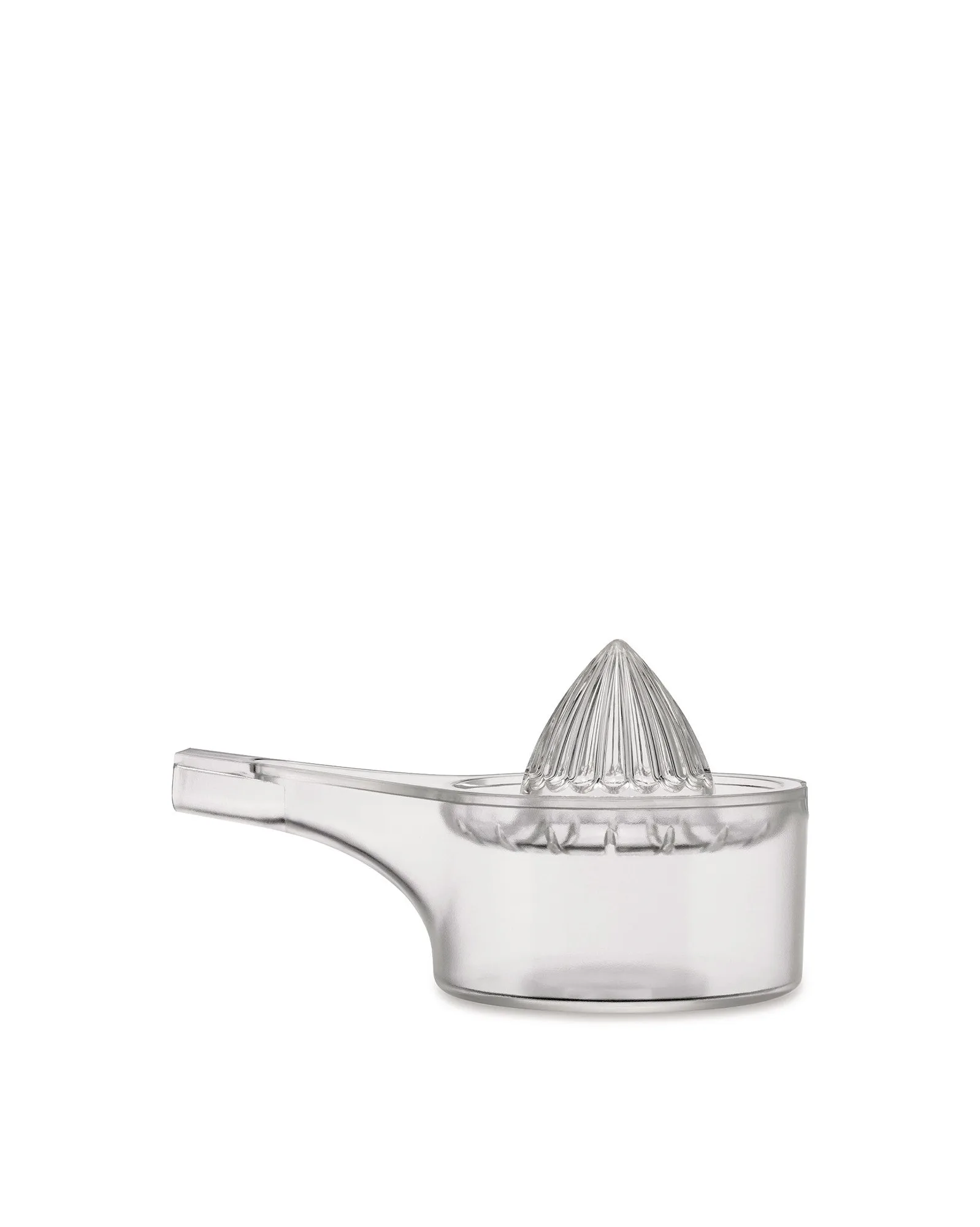
citrus
Map the table by function, not by symmetry
Italian tables are social, not ceremonial. Instead of mirroring every item left and right, group pieces where they will be used. Put the water pitcher near the host, the salt and pepper within reach of the center, and a fruit bowl where guests can serve themselves. This keeps the table practical and gives it a relaxed rhythm. A common error is treating the table like a display shelf; then nothing is easy to reach during the meal.
Layer materials in twos and threes
Stainless steel, porcelain, and glass are the core materials in Alessi table accessories. Pick two and repeat them. For example, combine 18/10 stainless steel with white porcelain, or porcelain with clear glass. Adding a third material works only if it is a small accent, like a wooden handle or a colored magnet. Too many finishes make the table look accidental rather than designed.
Use height to guide the eye, not to block it
A tall piece, such as a bottle or a stemmed bowl, creates a vertical line. Place it slightly off-center so it does not hide the person across from you. Low bowls and plates should sit at the edges-163948">edges-163939">edges-162660">edges. If every item is the same height, the table reads as flat. If one item is too tall, it becomes a wall. Aim for one tall element, two medium, and the rest low.
Edit until the table feels calm
Before guests arrive, remove one item. Then remove another if the surface still feels busy. A coordinated Italian table setting has negative space; it lets each piece breathe. This is the step most people skip. If you can see the tablecloth or wood between objects, you are close. If not, keep editing.
Step-by-step: setting your coordinated Italian table
- Clear the table completely: Start with an empty surface. Wipe it down and decide on a tablecloth or runner. This gives you a blank canvas and prevents you from layering new pieces over old clutter. Checkpoint: if you cannot see the table surface, you have not cleared enough.
- Place your focal piece at the center: Choose one Alessi table accessory, such as a citrus basket or a serving bowl, and set it in the middle. Adjust its position until it feels balanced from all sides. Mistake to avoid: placing the focal piece exactly in the center if it is very tall; shift it slightly off-center.
- Add functional pieces within reach: Arrange salt and pepper, a pitcher, and any serving utensils near the seats where they will be used. Keep them low so they do not block sightlines. Checkpoint: each guest should be able to reach at least one shared item without standing.
- Introduce one or two accent objects: Add a small designer table decor item, like a porcelain figurine or a magnet set on a nearby magnetic surface, to bring in a seasonal or artistic note. Mistake to avoid: adding more than two accents; they will compete with the focal piece.
- Review height and negative space: Step back and look at the table from a guest's perspective. You want one tall element, a few medium ones, and visible surface between them. Checkpoint: if you cannot see the table surface between objects, remove something.
- Do a final edit before guests arrive: Remove one item, then another if needed. The goal is a calm, coordinated look that still feels lived-in and ready for a meal. Next step: take a photo; it helps you see the composition objectively.
Alessi pieces that anchor a coordinated table
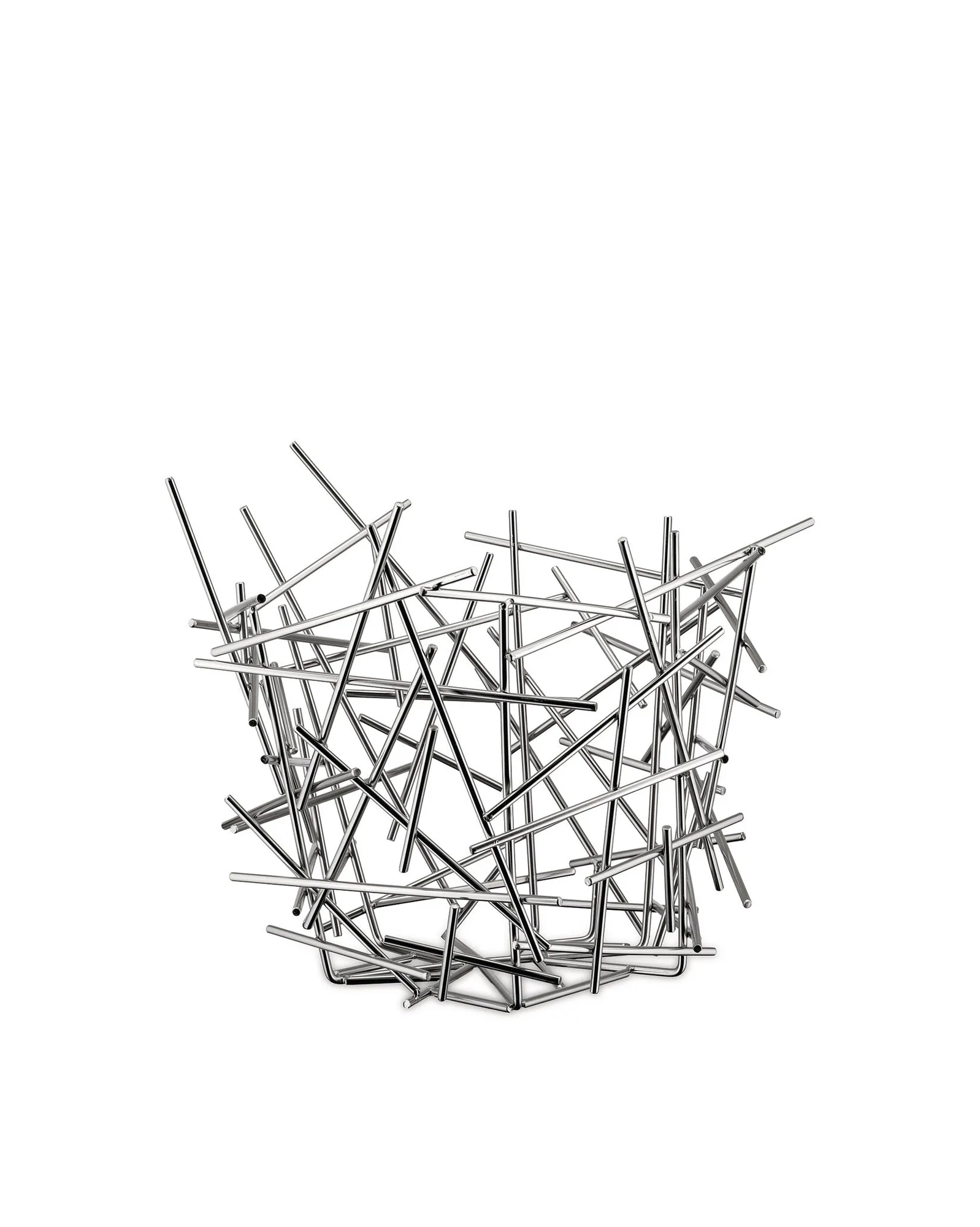
- Blow up: The Blow up citrus basket is designed by Fratelli Campana and made from 18/10 stainless steel. Its sculptural form and durable finish make it a natural focal point that also works as a functional fruit holder.
- Holyhedrics Joseph: Holyhedrics Joseph is a hand-decorated porcelain figurine by Elena Salmistraro. It adds a cultural, artistic accent that can sit on a sideboard or table edge without competing with dining pieces.
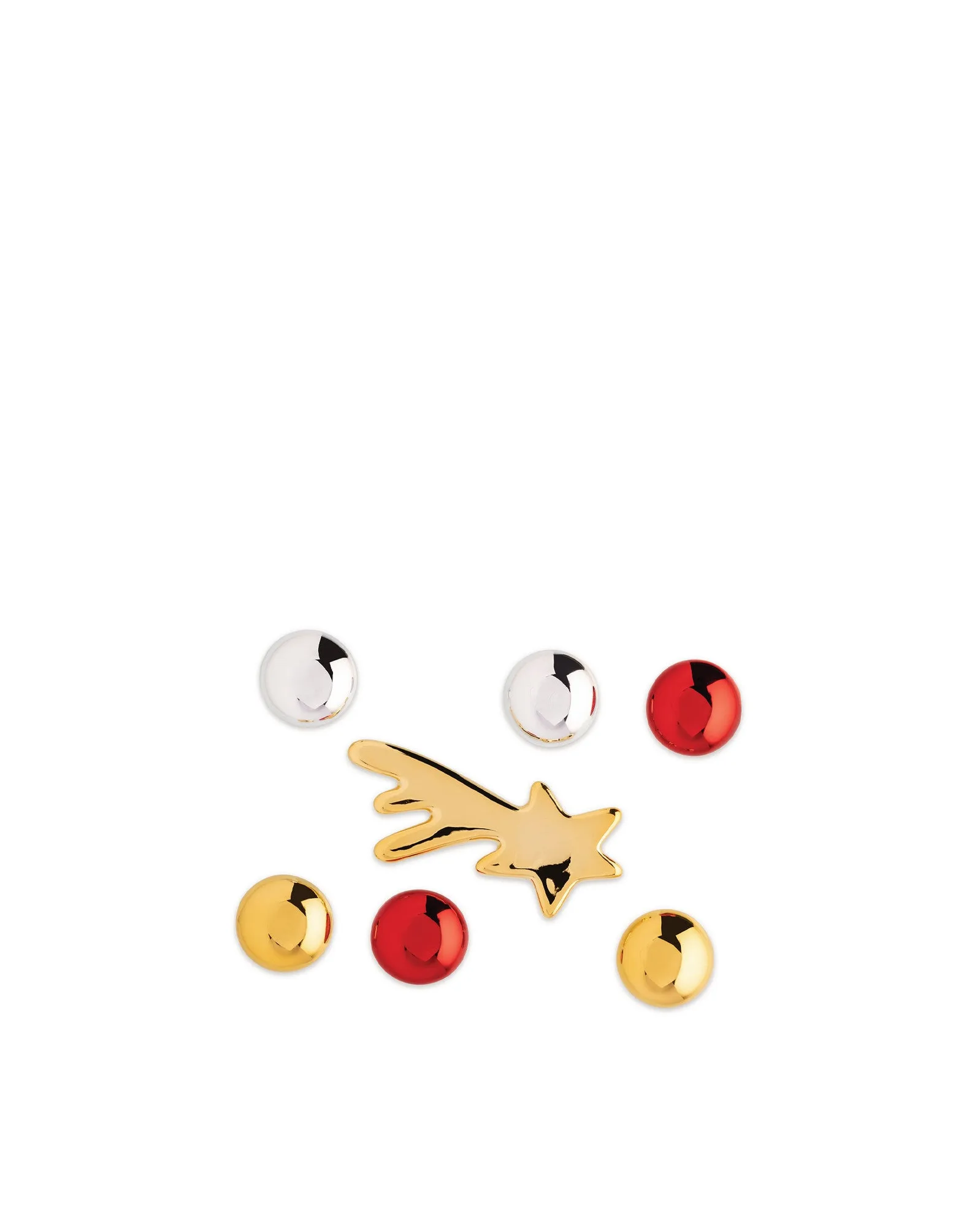
- Bark for Christmas: Bark for Christmas is a porcelain magnet set designed by Boucquillon & Maaoui. Small magnetic accents let you introduce a seasonal note without rearranging the whole table.