Quick answer
Place a footed serving board at the center of each place setting or as a shared centerpiece to add height and structure to a formal table. Use it to present appetizers, cheeses, or small bites in an organized, elegant way.
Why a footed board works for formal dining
A footed serving board lifts food off the table surface, making it easier for guests to reach without leaning. The added height also creates visual layers, which is a hallmark of formal table styling. Unlike flat boards, the feet prevent the board from sliding on linens and keep it stable during service.
How to set a formal table with a footed serving board
- Position the board: Place the footed serving board at the center of each place setting, slightly above the dinner plate. For a shared table, set one large board in the middle of the table as a communal appetizer station. Make sure the board is centered and stable; wobbling can spill food or disrupt place settings.
- Add a base layer: Line the board with a small cloth napkin or a bed of fresh herbs (like rosemary or bay leaves) to prevent items from sliding. This also adds a subtle fragrance and color contrast. Avoid using slippery leaves like lettuce; they can cause items to shift when guests reach.
- Arrange appetizers by height: Place taller items (stuffed olives, cheese wedges, or small bowls of dip) toward the back or center. Lay flat items (crackers, sliced fruits, cured meats) around the edges so guests can easily pick them up. Overcrowding the board makes it hard to grab items without knocking others off. Leave about 1 inch of space between pieces.
- Add garnish for formality: Finish with edible flowers, microgreens, or a few whole spices (star anise, cinnamon sticks) to elevate the visual appeal. Keep garnishes small and avoid anything that wilts quickly. Skip strong-smelling garnishes like raw garlic or strong herbs; they can overpower the food's aroma in a formal setting.
- Check accessibility: Ensure every guest can reach the board without stretching across the table. If using a single large board, rotate it occasionally during the meal so all sides are used evenly. If the table is longer than 6 feet, consider using two footed boards instead of one to avoid a reach issue.
Product used in this guide
-
Classic Oversized Rectangle Footed Board: The Classic Oversized Rectangle Footed Board combines the qualities of a classic trivet with a handle and feet to create a serving tray. Its large surface showcases the beauty of reclaimed wooden beams with natural splits, textures and crevices. The generous surface holds multiple appetizer items in one place, while the feet elevate it for formal table settings. The reclaimed wood adds a rustic contrast that works surprisingly well with fine china.
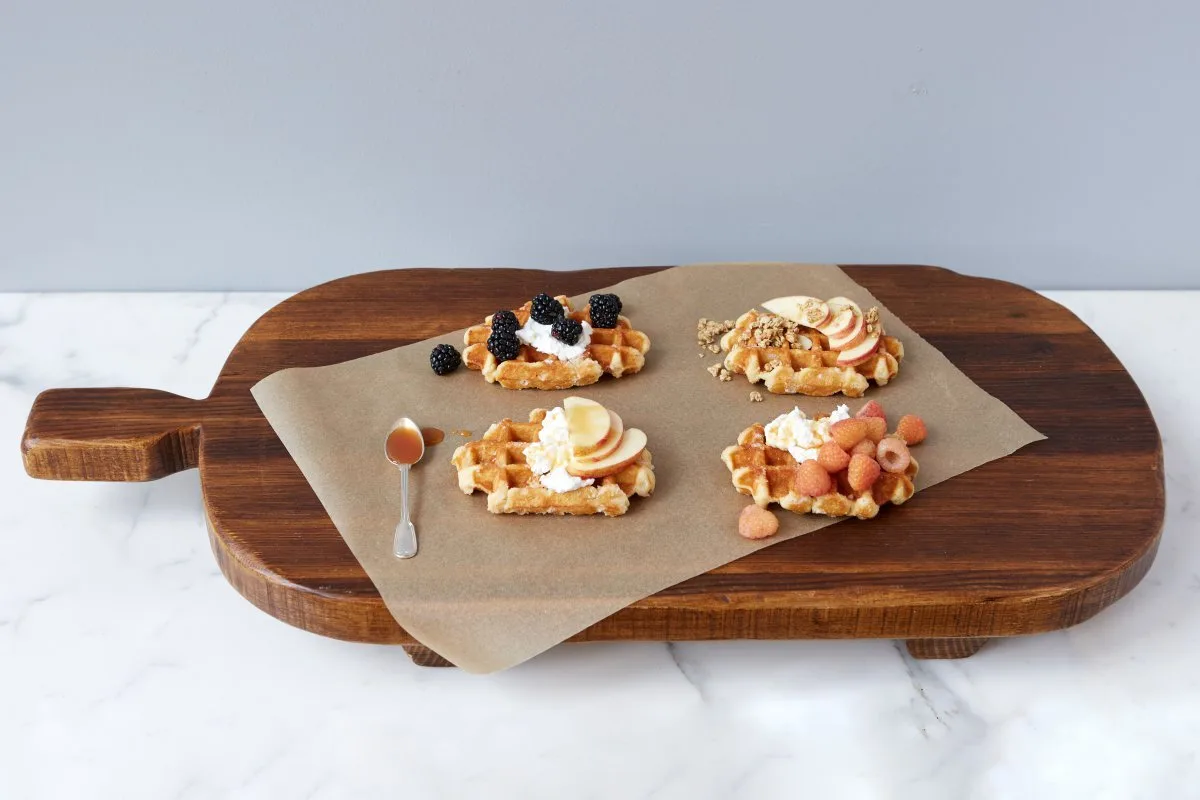
Classic Oversized Rectangle Footed Board