Quick answer
Set your wine cooler to 55°F (13°C) if you store a mix of reds and whites. For whites and sparkling wines, aim for 45–50°F (7–10°C); for reds, 55–65°F (13–18°C). Adjust the thermostat in small steps, wait 24 hours for the temperature to stabilize, and check with a separate thermometer before serving.
Why the right temperature matters more than the label
Serving temperature changes how a wine smells and tastes. Too cold, and aromas shut down; too warm, and alcohol dominates. A wine cooler temperature setting gives you control that a kitchen fridge cannot, because kitchen fridges typically run around 37°F—fine for food safety, but too cold for most wine.
Find your target: red, white, or sparkling
Use these ranges as starting points, then adjust to your taste. Sparkling wine is best served cold (40–45°F), crisp whites and rosés at 45–50°F, fuller whites at 50–55°F, light reds at 55–60°F, and full-bodied reds at 60–65°F. If you store a mix, 55°F is a safe compromise, but expect to chill whites briefly before serving and let reds warm slightly in the glass.
How to adjust a dial or digital thermostat
On dial models, turn clockwise to lower the temperature and counterclockwise to raise it—but check your manual, because some dials are numbered in reverse. Digital panels usually have up and down arrows; press once to wake the display, then adjust. Make one small change at a time (about 2–3°F) and wait 24 hours before judging the result.
Dual-zone settings: when two temperatures help
A dual-zone wine cooler lets you keep reds and whites at separate temperatures in one cabinet. Set the upper zone (often the warmer zone) for reds at 60–65°F and the lower zone for whites at 45–50°F. If you mostly store one style, a single-zone model is simpler and usually costs less. Note that not all dual-zone coolers have independent compressors; some share cooling, so the zones may drift closer together in hot rooms.
Check the real temperature with a separate thermometer
Built-in displays can be off by a few degrees. Place a glass of water on the middle shelf, leave it overnight, and measure with a probe thermometer. That reading tells you what your bottles actually experience. If the display and the thermometer disagree, trust the thermometer and adjust the thermostat accordingly.
Common mistakes that throw off your setting
Packing bottles tight against the back wall blocks airflow and creates warm spots. Opening the door often on a hot day forces the compressor to work harder. And setting the cooler too cold for long-term storage can dry out corks and mute flavors. Keep a little space around bottles and avoid frequent adjustments.
Step-by-step temperature setup
- Decide your primary use: Are you storing mostly reds, whites, or a mix? This determines your base temperature. For a mix, start at 55°F. Checkpoint: write down your target range before touching the controls.
- Locate the thermostat: Find the dial or digital panel, usually inside at the top or on the front. On dial models, note the current number so you can return to it if needed. Mistake to avoid: assuming clockwise always means colder—verify in the manual.
- Set to your target: Turn or press to the desired temperature. Make only a small adjustment (2–3°F) if the current setting is close. Checkpoint: the display should show the new setpoint within a few seconds.
- Wait 24 hours: The cabinet needs time to stabilize, especially after loading or on a hot day. Don't open the door repeatedly to check. Mistake to avoid: judging the temperature after only an hour.
- Verify with a separate thermometer: Place a probe thermometer in a glass of water on the middle shelf overnight. Compare with the display. Checkpoint: if the reading is off by more than 3°F, adjust the thermostat and wait another 24 hours.
- Adjust for serving: If you store at 55°F, chill whites in an ice bucket for 15–20 minutes before serving, and let reds sit out for 10–15 minutes to warm slightly. Next step: record your final setting so you can repeat it after cleaning or defrosting.
Product facts
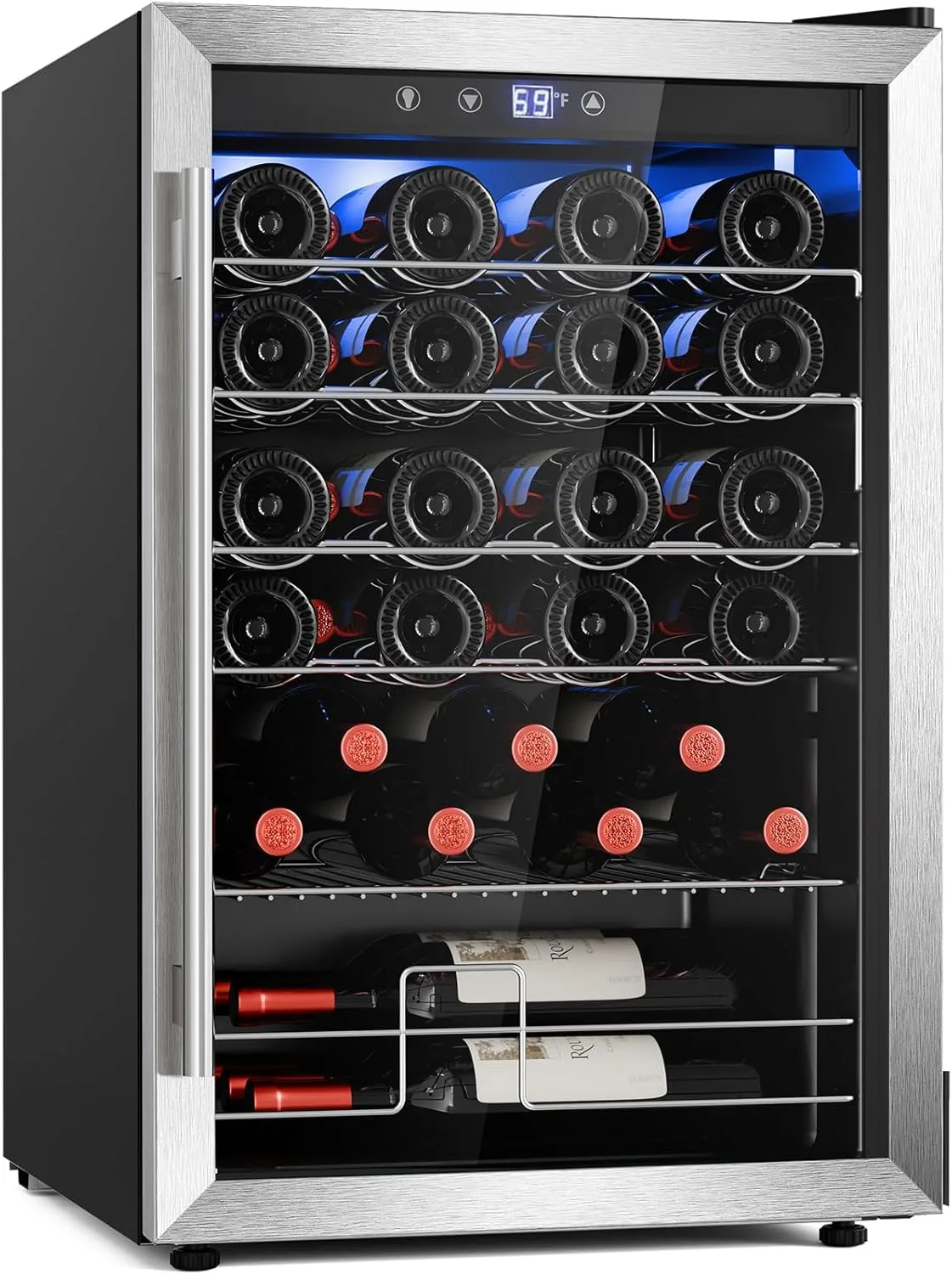
- Antarctic Star 4.5 Cu.Ft Wine Cooler Refrigerator 58128RWC1: 4.5 cu. ft. capacity, holds 37 wine bottles (750ml), freestanding, adjustable shelves, manual defrost, 115 volts. A larger single-zone cabinet suits building a mixed collection; adjustable shelves let you fit wider bottles, but manual defrost means you should plan to defrost when ice builds up.
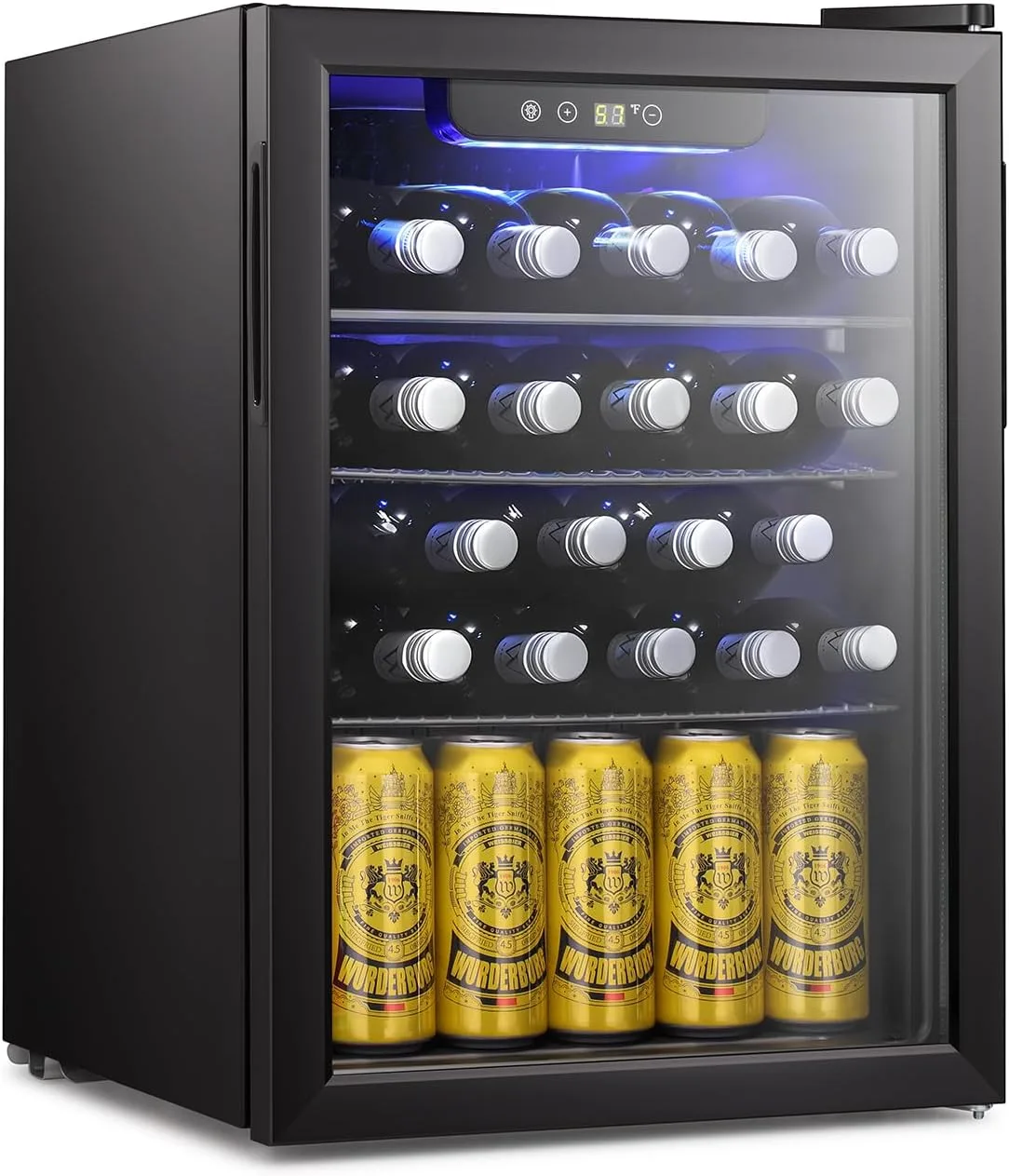
- Antarctic Star 24 Bottle Wine Cooler/Cabinet Beverage Refrigerator: 24-bottle capacity, 2.4 cu. ft., quiet compressor, adjustable temperature control, freestanding, clear glass door. A compact choice for smaller collections; the glass door lets you see the display, but keep it out of direct sun so the compressor isn't fighting heat.
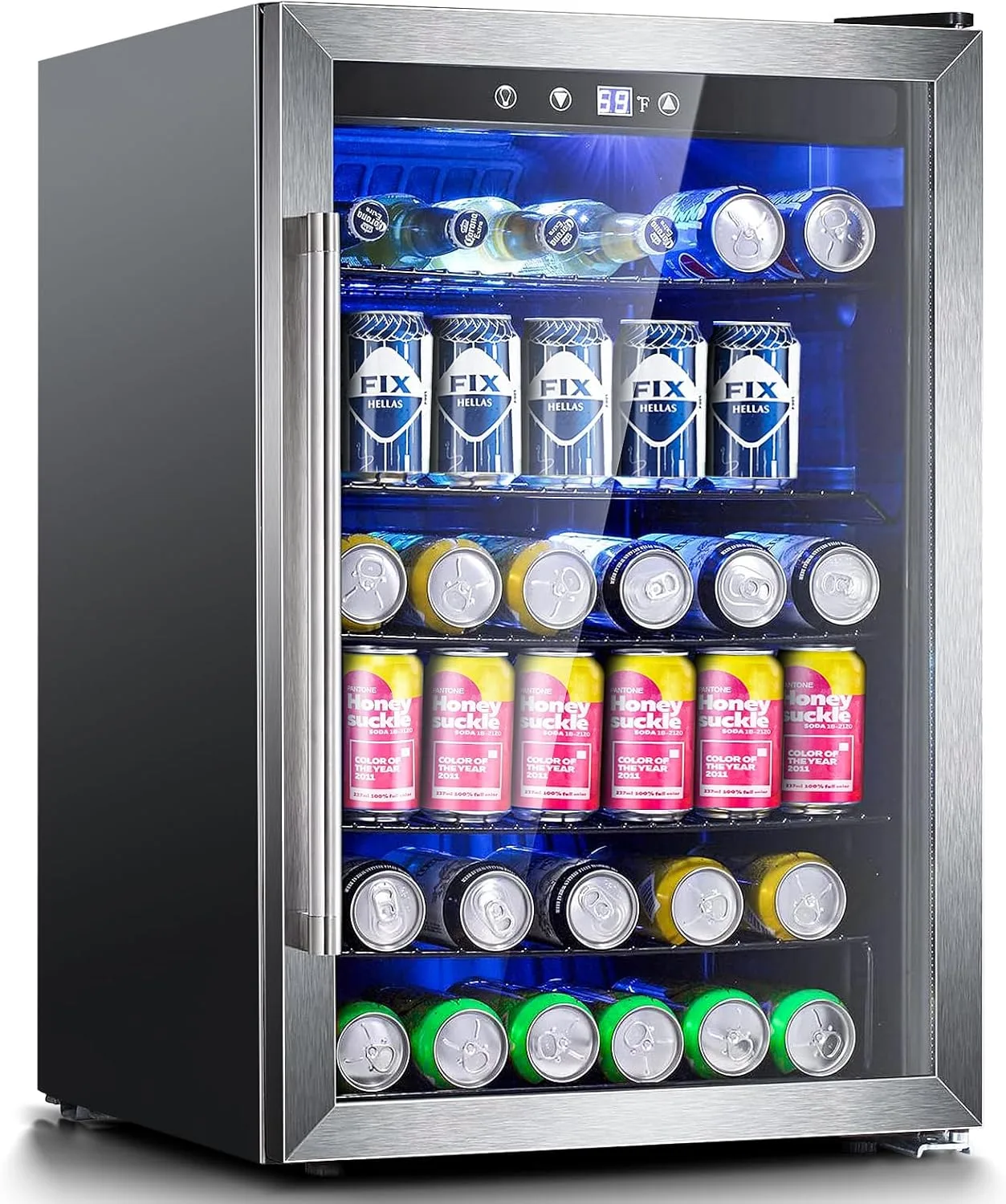
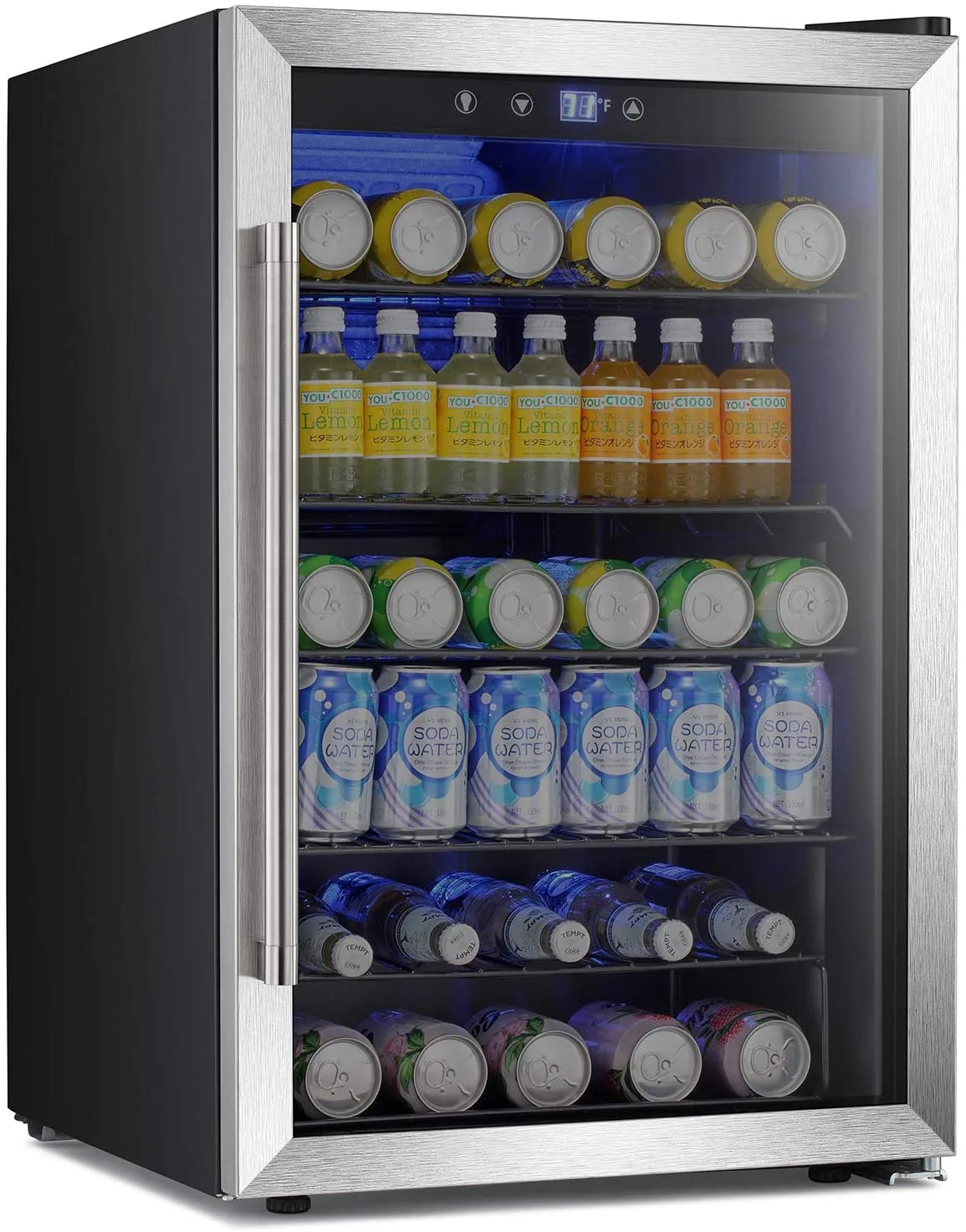
- Antarctic Star Beverage Refigerator -145 Can Mini Fridge for Soda Beer or Wine,Small Drink Dispenser: 4.5 cu. ft. beverage refrigerator, 145-can capacity, working temperature range 40°F–61°F, key lock, smoky matte finish. The wide 40–61°F range covers serving temperatures for whites through reds, making it flexible for mixed storage; the key lock adds security in shared spaces.