Quick answer
Set up a blackwater biotope for wild bettas by starting with a dark substrate, adding driftwood and leaf litter, then cycling the tank with Indian almond leaves and botanicals to create soft, acidic water.
Why a blackwater biotope works for wild bettas
Wild bettas like Betta mahachaiensis come from shallow, slow-moving waters in Southeast Asia where fallen leaves, branches, and peat create tea-colored, acidic water. Replicating this environment reduces stress, encourages natural breeding behaviors, and helps prevent common diseases like fin rot.
A blackwater setup is not just about aesthetics—it mimics the low-light, soft-water conditions these fish evolved in. Without it, wild bettas may become lethargic or lose color.
Choosing the right botanicals
The key to a successful blackwater biotope is using natural botanicals that release tannins and humic acids. Indian almond leaves (Catappa) are the most popular choice because they lower pH, release antibacterial compounds, and provide grazing surfaces for fry.
Other botanicals like alder cones, beech leaves, and coconut husk pieces add variety and help maintain stable water chemistry. Avoid dyed or treated products—look for wild-harvested, preservative-free options.
Step-by-step setup guide
- Choose a dark substrate: Use fine dark sand or aquasoil to mimic the muddy bottoms of wild betta habitats. Rinse thoroughly before adding to the tank. Avoid bright gravel—it stresses wild bettas and looks unnatural.
- Add driftwood and hardscape: Place spiderwood, mopani, or bogwood to create hiding spots and break line of sight. Soak driftwood until it sinks to prevent floating. Boil driftwood for 15 minutes to remove excess tannins if you want a lighter tint.
- Introduce leaf litter and botanicals: Add Indian almond leaves, alder cones, and coconut pieces directly to the tank. Use the Castle Dawn Aquatics Betta mahachaiensis Biotope Pack for a curated mix. Replace leaves every 2-3 weeks as they decompose to maintain tannin levels.
- Fill with dechlorinated water: Use RO or distilled water mixed with a small amount of tap water to achieve a pH of 5.5-6.5 and GH below 6 dGH. Add a few drops of liquid carbon or peat extract to boost tannins. Test pH daily for the first week—tannins can drop pH quickly.
- Cycle the tank with botanicals: Run the filter with seeded media or an ammonia source for 4-6 weeks. Botanicals release tannins that naturally inhibit nitrifying bacteria, so monitor ammonia and nitrite closely. Use a sponge filter—powerful HOB filters can strip tannins too fast.
- Add wild bettas gradually: Acclimate fish over 30-45 minutes using drip method to match the soft, acidic water. Keep tank temperature at 78-82°F (25-28°C). Start with a single pair or small group to avoid aggression.
Product spotlight
-
Blackwater Aquarium Wild Betta mahachaiensis/mahachai Botanical Biotope Pack: The Blackwater Aquarium Wild Betta mahachaiensis Biotope Botanical Pack includes hand-selected fronds, thick palm leaves, and coconut pieces inspired by the Samut Sakhon region. This pack gives you a ready-made mix of botanicals that closely match the natural habitat of Betta mahachaiensis, saving you time sourcing individual items.
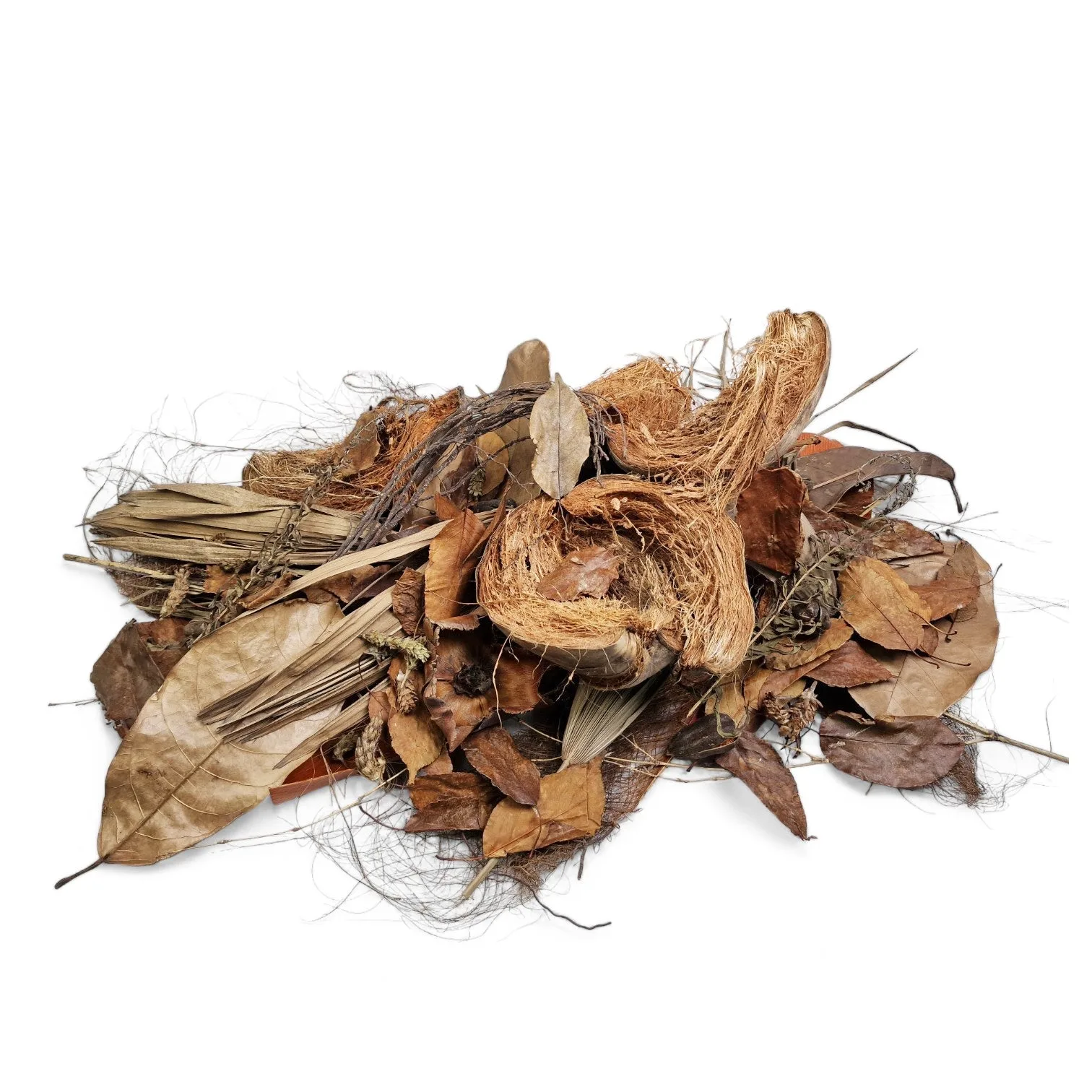
Blackwater Aquarium Wild Betta mahachaiensis/mahachai Botanical Biotope Pack