Quick Answer
To get fast composting results, place your cedar composter in a sunny, well-drained spot, layer browns and greens in the right ratio, and turn the pile weekly.
Why Cedar Speeds Up Composting
Cedar naturally resists rot and insects, so your composter stays intact outdoors without chemical treatments. The wood also insulates the pile, helping it retain heat — a key factor for fast microbial activity. Thicker boards, like those in Greenes Premium Cedar Composters, add durability and better temperature stability compared to thin plastic bins.
Common Setup Mistakes That Slow Down Composting
Placing the composter in full shade keeps the pile too cool, slowing decomposition. Another frequent error is adding too many greens (nitrogen-rich materials) without enough browns (carbon-rich materials), which leads to odor and slime. Also, skipping the initial layer of coarse twigs or straw can block airflow at the base, starving the aerobic bacteria that drive fast composting.
Step-by-Step Cedar Composter Setup for Fast Results
- Choose the Right Location: Place your cedar composter on level, well-drained ground in a spot that gets at least 4-6 hours of sun daily. Sunlight warms the pile and speeds microbial activity. Avoid low areas where water pools. A sunny, dry location is the single biggest factor for fast composting — don't tuck the bin in a shady corner.
- Assemble the Cedar Composter: Follow the tool-free assembly instructions that come with your Greenes composter. Most models slide together with interlocking corners. Place the unit directly on soil (not concrete) so worms and microorganisms can enter from below. Check that all slats are fully seated and the corners are square before filling — a wobbly bin may shift as the pile settles.
- Add a Base Layer of Coarse Material: Cover the bottom with 4-6 inches of small twigs, straw, or wood chips. This creates air channels at the base, preventing the pile from becoming anaerobic and smelly. Skipping this layer is the most common mistake — without airflow, the pile turns into a wet, slow mess.
- Layer Browns and Greens in the Right Ratio: Add alternating 4-inch layers of browns (dried leaves, cardboard, straw) and greens (kitchen scraps, grass clippings). Aim for roughly 3 parts browns to 1 part greens by volume. Water each layer lightly so the pile feels like a wrung-out sponge. Too many greens cause odor; too many browns stall decomposition. The 3:1 ratio keeps the pile active and balanced.
- Turn the Pile Weekly: Use a garden fork or compost aerator to mix the pile every 7-10 days. Move material from the center to the edges and vice versa. Turning introduces oxygen and redistributes moisture and heat. If you skip turning, the pile may still compost but will take two to three times longer to finish.
- Monitor Moisture and Temperature: Check the pile weekly: it should feel damp but not soggy. If it's dry, add water while turning. If it's wet, add more browns. A working pile will feel warm in the center (100-140°F) — that's a sign microbes are active. A cold pile means either too little nitrogen, too much moisture, or not enough turning. Adjust one variable at a time.
Cedar Composter Options
-
2 ft. Wide Premium Cedar Wood Composter (3/4 In Thick), Multiple Lengths: Available in three sizes for single or multi-bin systems, built with 3/4-inch thick cedar. Multiple sizes let you scale from a small urban garden to a larger multi-bin setup, and the thick cedar walls help maintain consistent heat for faster decomposition.
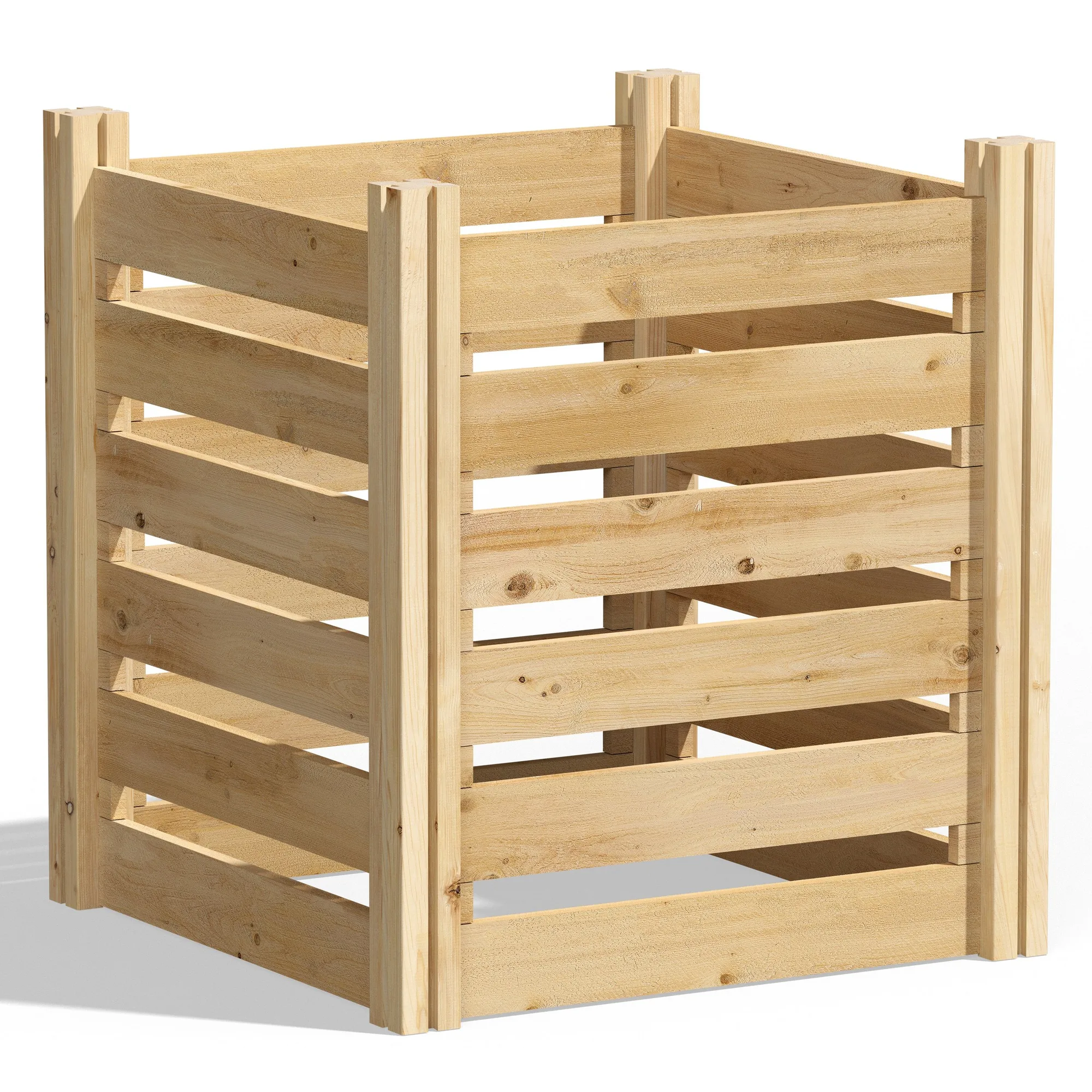
2 ft. Wide Premium Cedar Wood Composter (3/4 In Thick), Multiple Lengths
-
Premium Cedar Wood Composter (3/4 In Thick) / Second Life Wood Composter RCCOMP: Made from solid, naturally durable cedar with thicker boards and nearly double the weight for superior strength. Heavier construction means the composter stays put in windy conditions and the dense wood insulates better, keeping your pile active even in cooler weather.
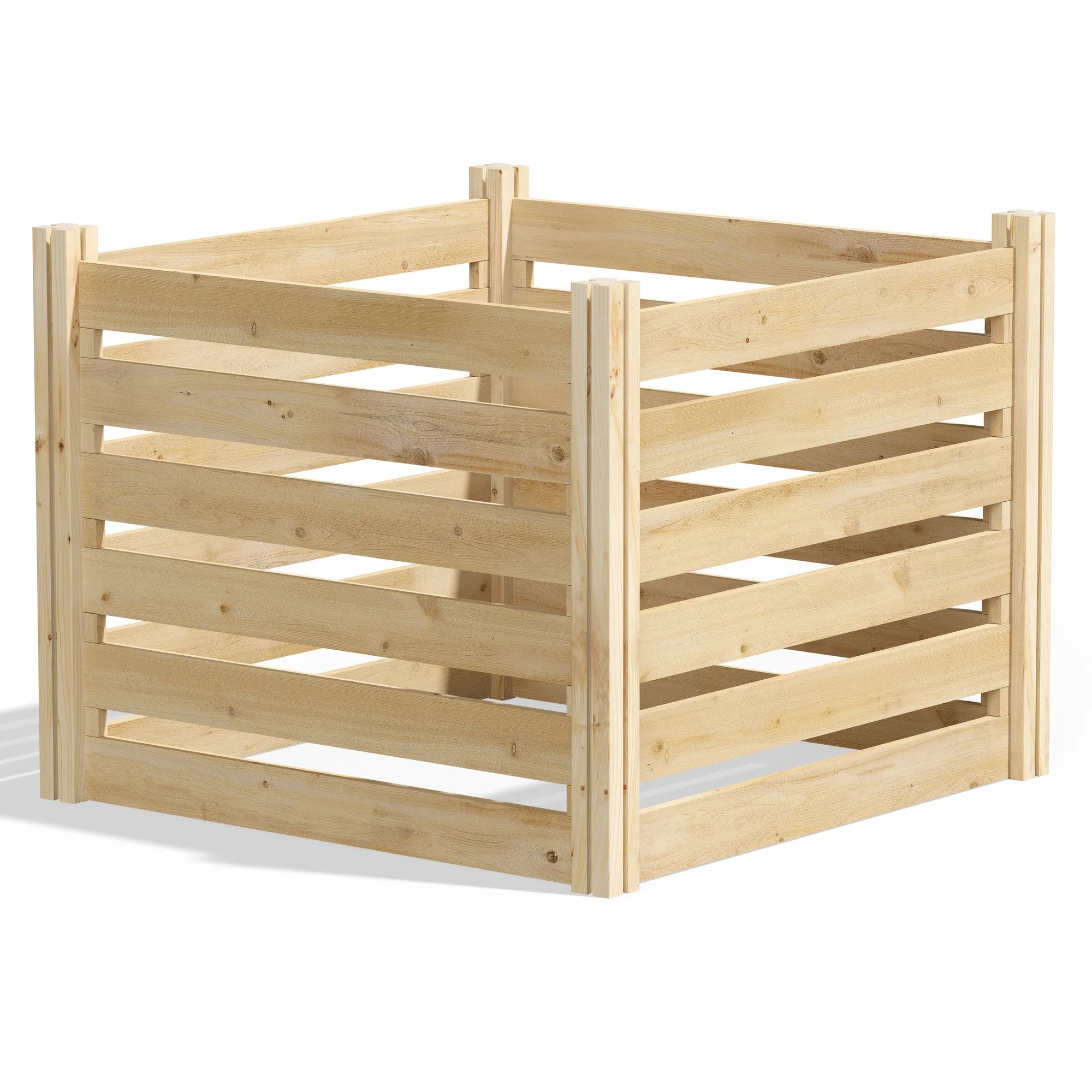
Premium Cedar Wood Composter (3/4 In Thick) / Second Life Wood Composter RCCOMP