Why Sandbags Matter for C-Stand Safety
A C-stand is stable on its own, but once you add a heavy light fixture, modifier, or boom arm, the center of gravity shifts. A sandbag or shot bag adds counterweight to keep the stand from tipping. The key is choosing the right bag and attaching it correctly.
For most standard stands and light fixtures, a 25-pound bag provides substantial ballast. The Kupo Shot Bag (25 lb, Black) is a dependable choice for stabilizing light stands, C-stands, and other grip equipment on set. If you need a lighter option for booms or smaller stands, a 5-pound bag like the Kupo Wrap & Go Shot Bag can be wrapped around the base or boom with its non-slip strap.
Sandbag Options for Your C-Stand
-
Kupo Shot Bag (25 lb, Black): The Kupo Shot Bag in 25 lb and black is a dependable choice for stabilizing light stands, C-stands, and other grip equipment on set. 25 pounds is enough weight to counterbalance most common studio light fixtures and modifiers, reducing the risk of tipping.
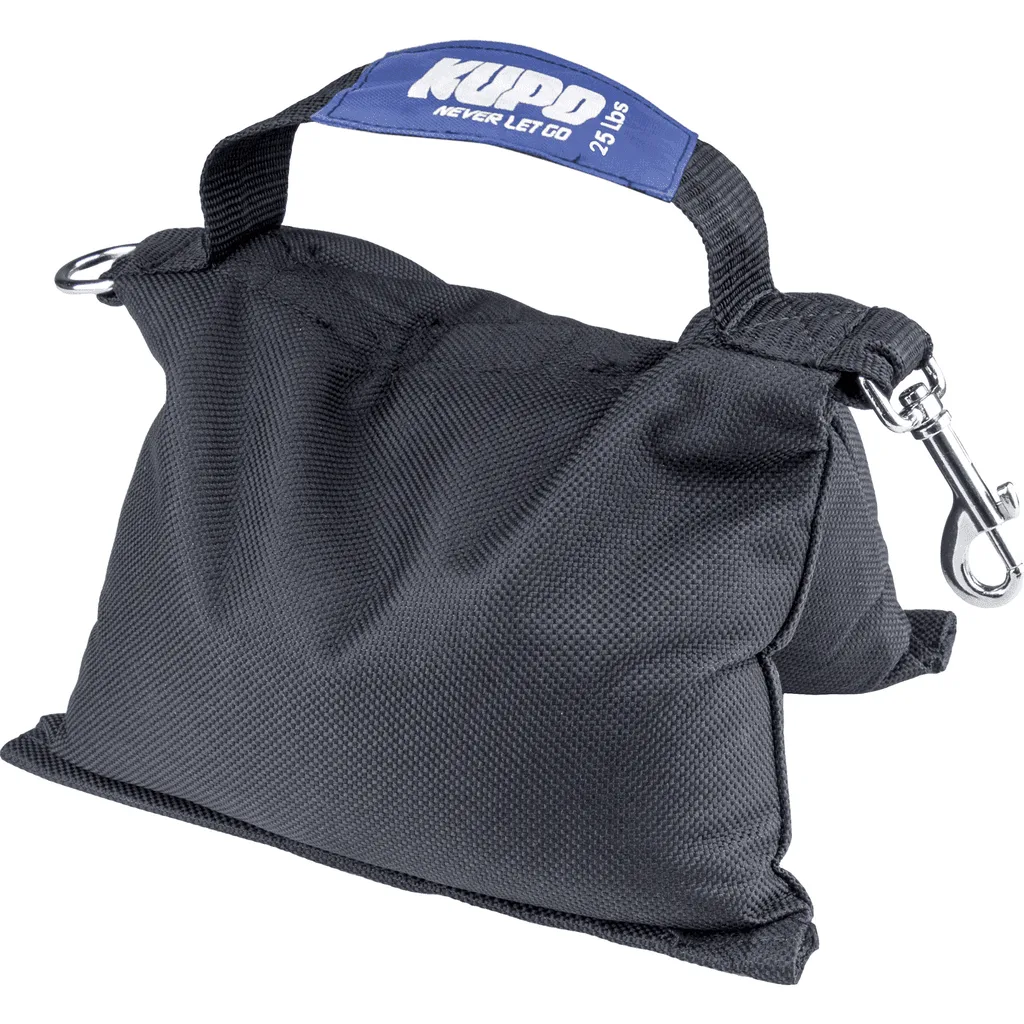
Kupo Shot Bag (25 lb, Black)
-
Kupo Wrap & Go Shot Bag (5 lb, Black): The Kupo Wrap & Go Shot Bag 5lbs is for stands and booms. It has a non-slip strap to wrap around the stand base or boom. For booms or lightweight stands, a 5-pound wrap bag prevents tipping without adding excessive weight. The strap keeps it securely attached.
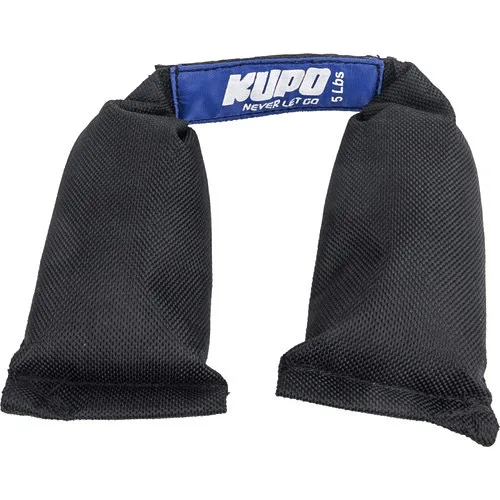
Kupo Wrap & Go Shot Bag (5 lb, Black)
-
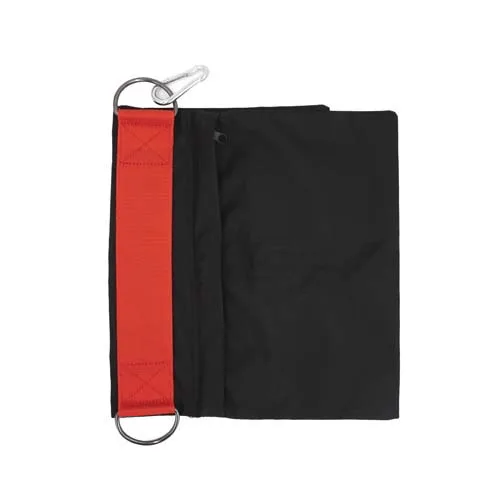
Promaster Studio Weight Bag - Empty 18 lb: The Promaster Studio Weight Bag is a saddlebag-style weight bag for holding down light stands and tripods. It can also be hung using the attached D-rings and included carabiner. An empty bag you fill yourself gives you flexibility in weight. The D-rings and carabiner allow you to hang it from the stand rather than drape it over the legs.
How to Set Up a Sandbag on a C-Stand
Follow these steps to attach a sandbag or shot bag to your C-stand for maximum stability.
- 1. Choose the right weight: For a typical C-stand with a medium light fixture, a 25 lb bag (like the Kupo Shot Bag) is a good starting point. For booms or lighter stands, a 5 lb bag (like the Kupo Wrap & Go) may be sufficient. If you need adjustable weight, consider an empty bag like the Promaster Studio Weight Bag (18 lb capacity) that you can fill with sand or shot.
- 2. Position the bag on the stand legs: Drape a saddlebag-style bag over the stand legs so the weight is centered and low. For the Promaster bag, you can also use the attached D-rings and carabiner to hang it from the stand base, keeping it off the floor.
- 3. Secure the bag: If using a wrap-style bag like the Kupo Wrap & Go, wrap the non-slip strap around the stand base or boom and fasten it. This prevents the bag from sliding off when the stand is moved or bumped.
- 4. Check stability: After attaching the bag, gently push the stand to test its stability. The stand should not tip or wobble. If it does, add more weight or reposition the bag lower on the stand legs.
Positioning Tips for Maximum Safety
Always place the sandbag as low as possible on the stand legs. A bag draped over the legs at the base provides the most leverage against tipping. For booms, attach the bag near the pivot point on the opposite side of the fixture to act as a counterweight.
The Kupo Wrap & Go Shot Bag is specifically designed for this: its non-slip strap lets you wrap it around the boom arm or stand base securely. The bag is made with black cordex textured nylon and a water-resistant polyurethane coating on the inside, and it contains 2mm steel balls to make it dense and effective as a counterweight.
What to Avoid
Do not hang a bag from the top of the stand or from a fixture itself — that can actually make the stand less stable. Also, avoid using bags that are too light for the fixture. If you're unsure, go heavier rather than lighter. The catalog confirms that the Kupo Shot Bag provides substantial ballast for most standard stands and light fixtures, but it does not specify exact weight limits for every setup. Use your judgment and test stability before each shoot.