Quick Answer
Set up your Georgian Dollhouse room by room by starting with the largest furniture pieces, then adding storytelling details and leaving open space for your child's imagination.
Why a Room-by-Room Approach Works
When you set up a dollhouse one room at a time, you give each space a clear purpose. This helps your toddler understand how rooms relate to daily life, and it makes the dollhouse feel more inviting and less cluttered.
A room-by-room approach also lets you involve your child in small decisions, like where the bed goes or which room gets the dining table. That builds ownership and makes play more meaningful.
Balancing Structure and Open-Ended Play
While it helps to arrange furniture so rooms feel realistic, leaving some empty floor space encourages your child to move pieces and create their own layouts. A fully packed dollhouse can overwhelm a toddler and limit creativity.
Aim for a middle ground: place the key furniture pieces to define each room, but keep a few open areas for spontaneous play, like a corner for a makeshift dance floor or a spot for the family to gather.
Step-by-Step Room Setup
- Step 1: Clear the Dollhouse and Gather Furniture: Remove any existing furniture and sort pieces by room type (bedroom, kitchen, living room, bathroom). This gives you a clean canvas and helps you see what you have. Checkpoint: Make sure you have at least one piece to define each room; if not, use a neutral item like a rug or blanket to mark the space.
- Step 2: Place the Largest Furniture First: Start with the biggest pieces in each room, such as a bed, table, or sofa. Position them against walls or in corners to leave open floor space for movement and play. Checkpoint: Avoid blocking the door or front opening; keep pathways clear for small hands.
- Step 3: Add Room-Defining Details: Use smaller items to give each room a clear purpose. For example, put a lamp next to the bed, a cooking pot on the kitchen counter, or a rug in the living room. These cues help your toddler understand each space. Checkpoint: Don't overcrowd—leave at least one empty shelf or floor area for your child to add their own touches.
- Step 4: Create a Storytelling Scene: Arrange the dolls in a simple activity, like sitting at the table or sleeping in the bed. This invites your child to continue the story and encourages emotional connection through play. Checkpoint: Change the scene occasionally to keep play fresh and inspire new narratives.
- Step 5: Let Your Child Rearrange: After you set it up, step back and let your child move things. Their rearrangements are part of the learning process and show that the dollhouse is theirs to control. Checkpoint: Resist the urge to fix their layout; ask them what they changed and why to build language skills.
Product Facts
-
Georgian Dollhouse: The PlanToys Georgian Dollhouse is a 2-story wooden house with a door and front opening. The open front and two floors make it easy to access all rooms, so you can arrange furniture and encourage play from any angle.
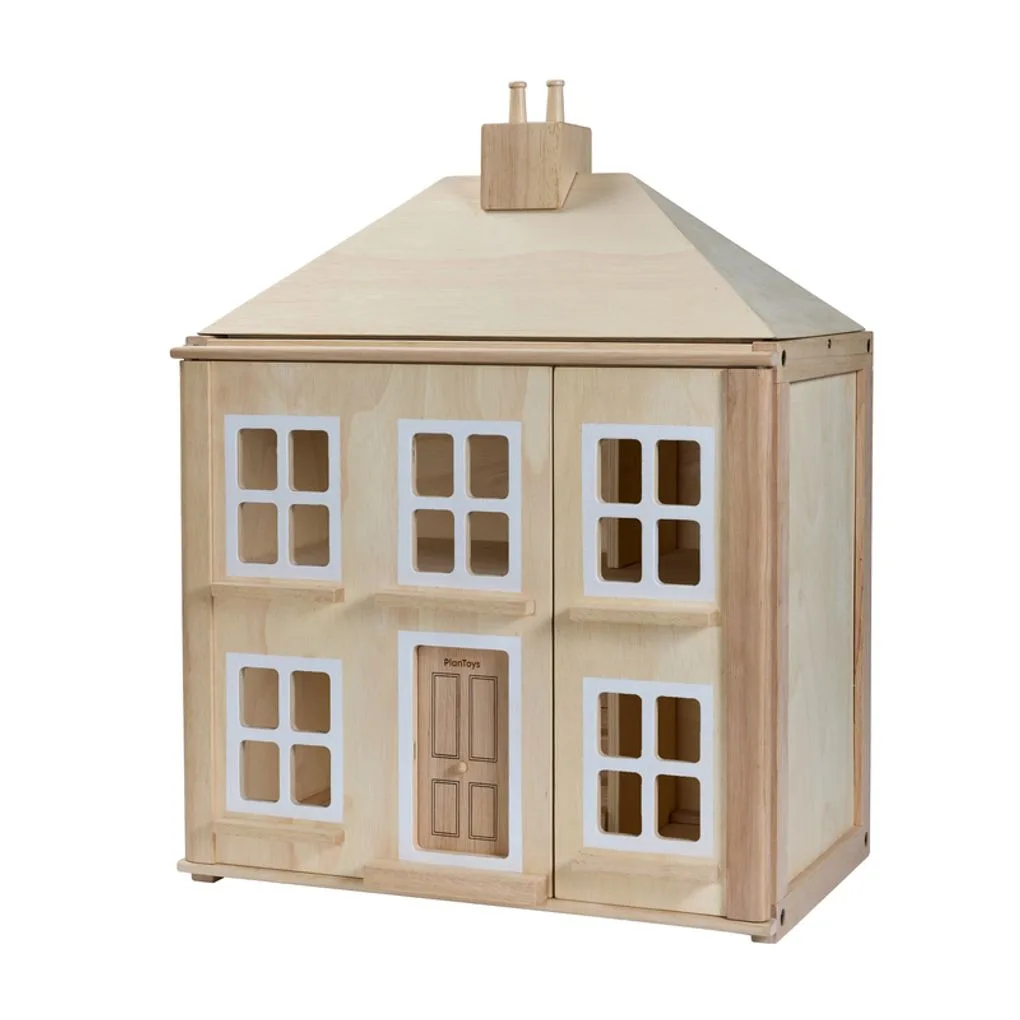
Georgian Dollhouse