Quick answer
Set up a PS Audio PowerPlant by plugging it into a dedicated wall outlet, letting it stabilize, then connecting your source components and amplifiers within its wattage limit. Start with the PowerPlant 12 for most medium to large systems, or the PowerPlant 20 if you need 2000 watts for an entire system, and listen for lower noise floor and improved dynamics.
Choose the right PowerPlant for your system
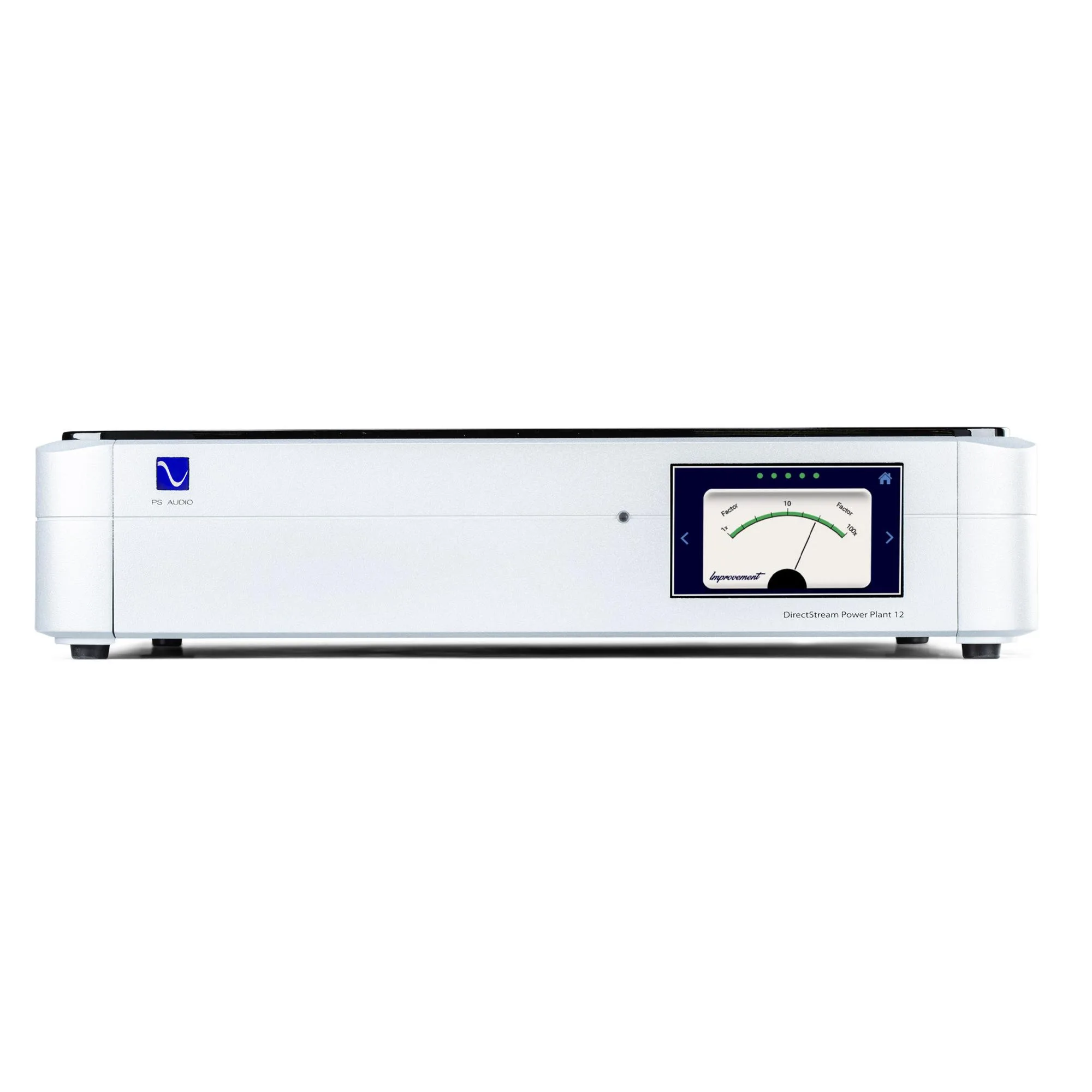
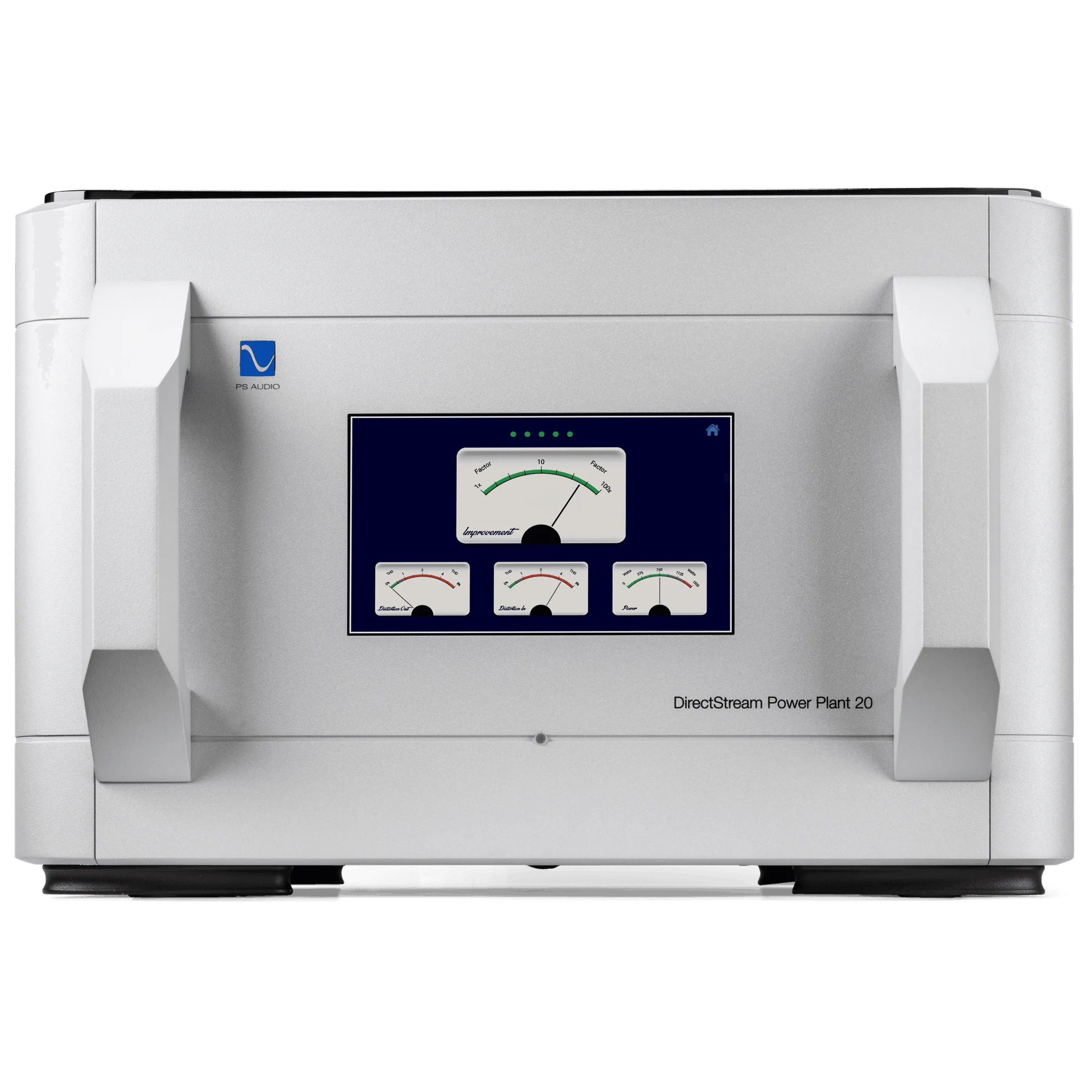
Match the regenerator to your total connected load. The PowerPlant 12 delivers 1250 watts of pure power and is described as the most powerful compact regenerator, suitable from medium to large power amplifiers down to source equipment. The PowerPlant 20 provides 2000 watts of pure regenerated power and is the first to accept both 20 amp and 15 amp power cables, making it the choice for an entire system. If your amplifiers draw more than 1250 watts continuously, the P20 avoids shutdowns. Both units use an analog power amplifier and FPGA sine wave generator based on pure, clean, analog DSD (PDM), so the regenerated AC is rebuilt rather than filtered.
Prepare the outlet and physical space
Use a dedicated wall outlet that is not shared with major appliances, and verify it is properly grounded. The PowerPlant 20 accepts both 20 amp and 15 amp power cables, so confirm your outlet and cable match before connecting. Leave several inches of clearance around the chassis for ventilation, and avoid stacking other components directly on top. A common mistake is plugging the PowerPlant into a switched outlet or power strip, which defeats the regeneration and can cause intermittent power.
Connect components in the right order
Power down all equipment before making connections. Plug the PowerPlant into the wall first, then connect source components, preamplifier, and finally power amplifiers. This order reduces inrush current and lets you verify each zone. If you use the PowerPlant 12 with a large power amplifier, connect the amplifier to a high-current outlet on the regenerator and keep digital sources on separate outlets to minimize interaction. Do not exceed the unit's wattage rating; add up the maximum consumption of each component and leave headroom.
Power up and verify operation
Turn on the PowerPlant and let it stabilize before powering connected gear. The regenerated output should be stable regardless of incoming power quality, providing clean, protected, low impedance, regulated power. Check the front panel or display for any fault indication, and listen for relay clicks as outlets engage. A common mistake is powering everything on simultaneously; instead, bring up sources first, then the preamp, then amplifiers. If the unit shuts down, you have likely exceeded its wattage limit.
Listen and fine-tune
Play familiar recordings and listen for a lower noise floor, tighter bass, and more open dynamics. The P12 is noted for breathtaking dynamics and openness, while the P20 provides more than enough power for an entire system. Try moving digital sources to different outlet banks to see if noise changes. If you hear no improvement, check that your source components are actually plugged into the regenerator and not a nearby strip. Use the album Gratitude by Steve Mullins and Rim of the Well to evaluate flamenco-influenced dynamics and subtle decay.
Step-by-step setup checklist
- Verify outlet and grounding: Plug the PowerPlant into a dedicated, grounded wall outlet not shared with large appliances. Check that the outlet matches your power cable; the P20 accepts both 20 amp and 15 amp cables. Mistake to avoid: using a switched outlet or power strip, which can interrupt regeneration.
- Calculate total load: Add the maximum wattage of every component you plan to connect. Keep the total below the regenerator's rating: 1250 watts for the P12, 2000 watts for the P20. Checkpoint: if your amplifiers alone exceed 1250 watts, choose the P20.
- Connect in sequence: With everything off, connect the PowerPlant to the wall, then source components, preamplifier, and power amplifiers. Use separate outlet banks for digital and analog where possible. Mistake to avoid: plugging amplifiers in first, which can cause a startup surge.
- Power up and observe: Turn on the PowerPlant and let it stabilize. Then power on sources, preamp, and amplifiers one at a time. Watch for fault lights or shutdowns. If it shuts down, reduce the load or move a component to a different outlet.
- Listen and adjust: Play a dynamic album like Gratitude and listen for a quieter background and better dynamics. Try moving source components between outlet banks to minimize noise. Next step: if you hear no change, confirm each component is actually plugged into the PowerPlant.
Product facts
- PowerPlant 12: The DirectStream Power Plant 12 features an all new analog power amplifier and FPGA sine wave generator based on pure, clean, analog DSD (PDM). The P12 is our most powerful compact regenerator with 1250 watts of pure power. From medium to large power amplifiers to the smallest pieces of source equipment, the P12 will work magic on your system's performance. Dynamics and openness are breathtaking with the P12. If your system includes a medium to large power amplifier, the P12's 1250 watts can handle it while also cleaning up source components, so you may not need a larger unit.
- PowerPlant 20: The DirectStream Power Plant 20 is our most powerful AC regenerator ever with 2000 watts of pure regenerated power, and the first to accept both 20 amp and 15 amp power cables. The massive P20 is our finest expression of the art of pure power delivery, providing more than enough power for an entire system. Regardless of incoming power quality the P20 outputs clean, protected, low impedance, regulated power you can... For a full system with multiple amplifiers or a 20 amp dedicated line, the P20's 2000 watts and dual cable compatibility prevent overload and simplify installation.
- Gratitude: Gratitude is the latest release from world renowned guitarist and composer Steve Mullins with his ensemble Rim of the Well. A master of flamenco styles, Mullins weaves together influences from Spain, the Balkans, Africa, and the Americas to create music that feels both ancient and vividly modern. The album moves from the haunting “Insurrection Tangos,” written on January 6, 2021 as history unfolded live on... This album's dynamic flamenco passages and quiet moments make it a useful test track for hearing whether the regenerator lowers noise and improves microdynamics.