Quick answer
Set up the control box outside the nest, run the sensor probe into the pig rail zone, and dial the thermostat to your target nest temperature before the dam whelps. The single-zone controller then cycles the nest to hold that reading, so you check the probe rather than the room.
Why probe placement matters more than the thermostat dial
A whelping box thermostat only knows what its probe tells it. If the probe sits against a wall, under bedding, or near the dam's resting spot, the controller will heat or hold based on the wrong surface and the puppies can end up too warm or too cool even though the display looks reasonable.
Place the probe where newborns actually lie, then confirm the reading with a second check before you trust the dial. This is the one setup decision that changes everything downstream.
When a single-zone controller is the right call
A single-zone whelping controller suits one nest area with one consistent heat target. If your setup has a warm end and a cooler end, or two separate litters, one zone cannot hold both readings independently; plan for a second controller or accept that you are heating one representative spot.
The tradeoff is simplicity: fewer probes and one dial to watch, but no separate control for a cool retreat corner. Decide before whelping whether that matters for your box layout.
Setup steps for the control box and sensor probes
- Mount the control box outside the nest: Fix the single-zone control box to a wall or sturdy surface away from the dam's reach, moisture, and bedding dust, with the display visible from outside the box. Common mistake: setting it on the floor or box rim where it can be knocked or licked. Check that the power lead reaches the outlet without a taut run or floor-level trip hazard.
- Route the sensor probe into the pig rail zone: Run the probe cable through a protected gap and secure the probe at newborn height in the area where puppies will lie, not against a wall or buried under bedding. Common mistake: letting the cable loop where the dam can chew or step on it. Tug gently on the cable to confirm it is anchored and cannot be pulled into the nest.
- Connect the probe and power, then let it settle: Plug the probe into the controller, power the unit, and let it read for at least 15 minutes before judging the number. Common mistake: adjusting the thermostat immediately while the probe is still equalizing. Note the starting reading so you can tell whether the nest is heating or cooling.
- Set the target and confirm with a second check: Dial the thermostat to your planned nest temperature, then verify the reading with a separate thermometer placed next to the probe. Common mistake: trusting the controller display alone when the probe has shifted. If the two readings disagree, reposition the probe before changing the setpoint.
- Recheck after the dam settles in: Once the dam is in the box, read the probe again and adjust only if the nest has drifted from target. Common mistake: leaving the original setting untouched when the dam's body heat changes the nest. Record the final setpoint and probe position so a helper can restore it.
Product facts
-
Single Zone Whelping Nest Control Box | Dog Whelping Products: Regulates temperature of whelping nests and is compatible with Accutemp Whelping Nests. If you already run an Accutemp nest, this controller is designed to pair with it rather than requiring a different heat source.
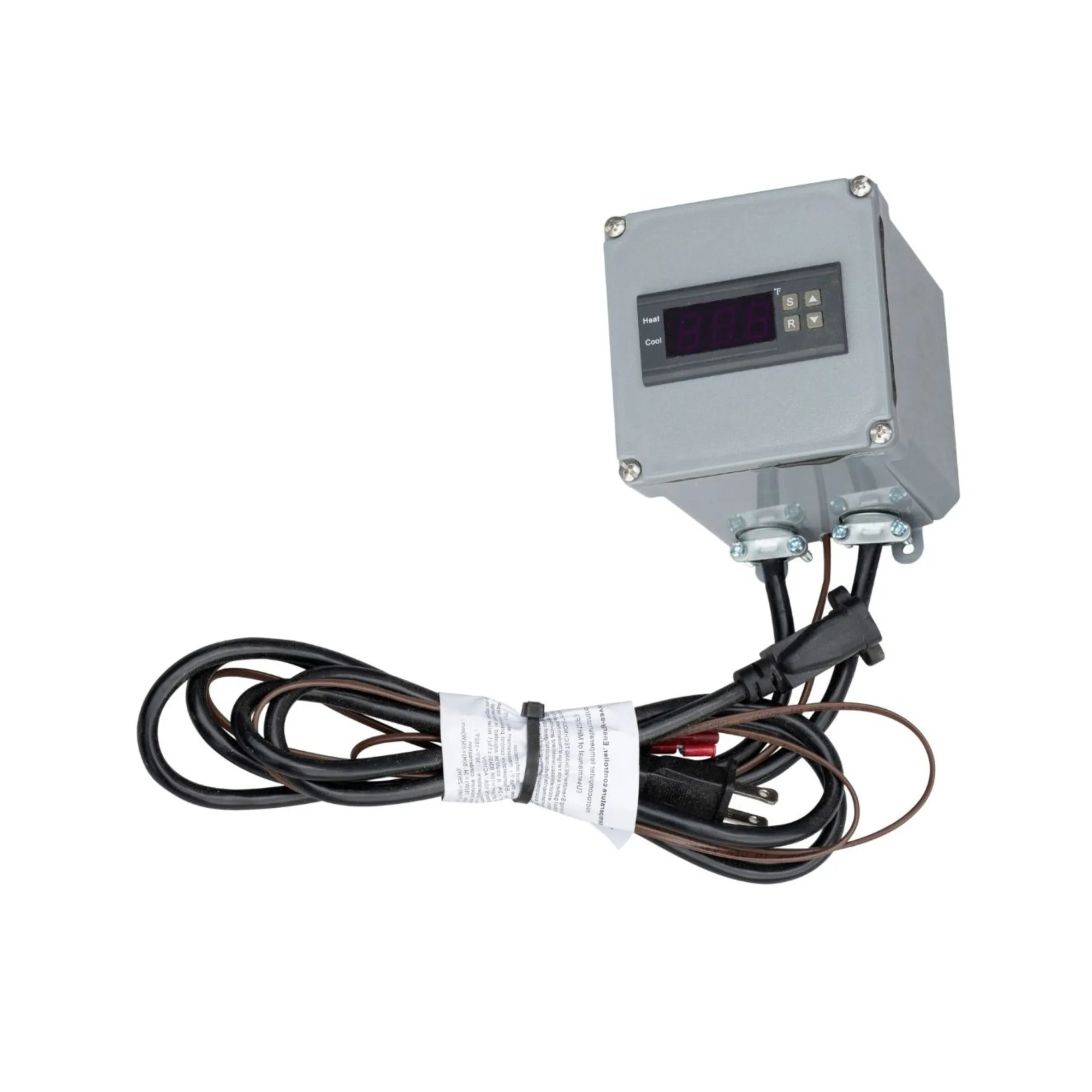
Single Zone Whelping Nest Control Box | Dog Whelping Products
-
Sensor Probes: Sensor probes are intended for monitoring temperature or other key metrics in whelping boxes and are compatible with standard monitoring setups. A spare or replacement probe lets you keep monitoring if a reading goes erratic, without replacing the whole controller.
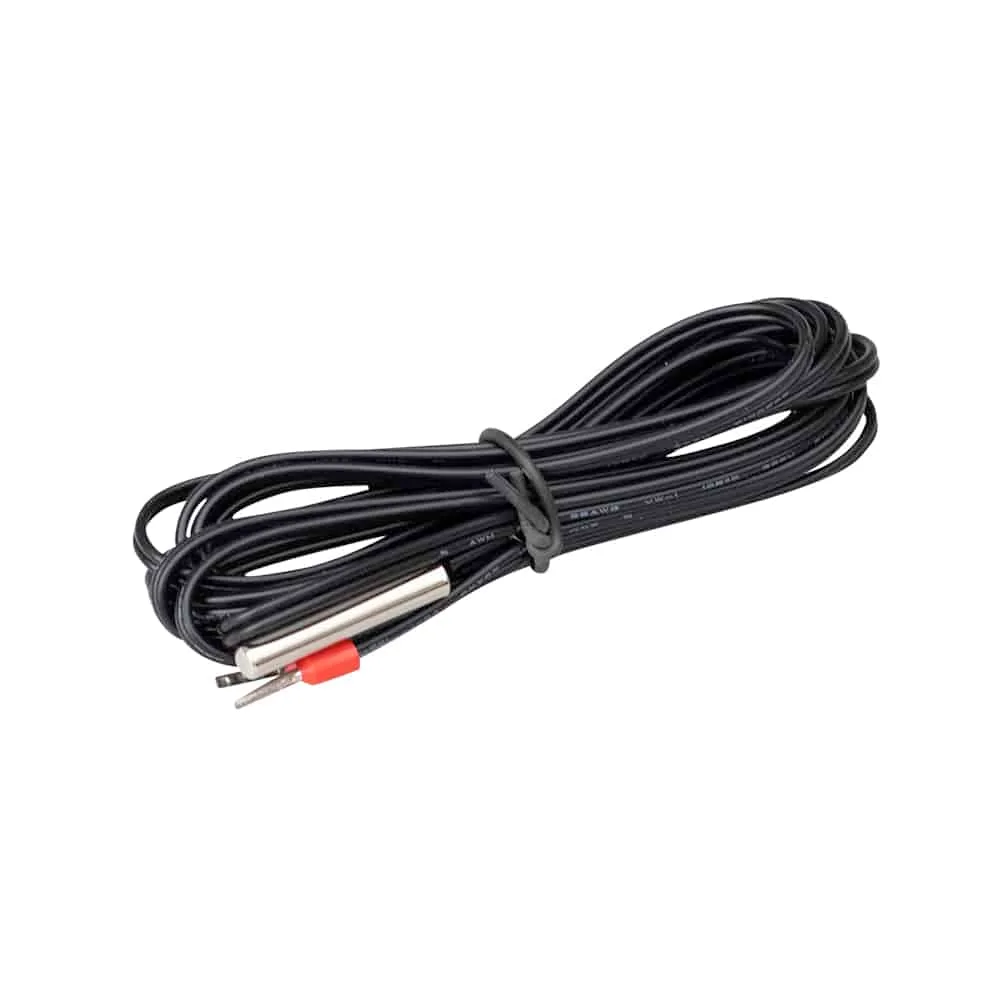
Sensor Probes