Quick Answer
To sew activewear fabric without puckering, use a ballpoint or stretch needle, a polyester or woolly nylon thread, and a narrow zigzag or stretch stitch with light tension. Test on a scrap piece of your fabric first to dial in the settings.
Why Activewear Fabric Puckers
Activewear fabrics are stretch knits, like a performance knit made of 75% nylon and 25% spandex. Their elasticity is what makes them comfortable, but it also makes them prone to puckering if the needle, thread, or stitch isn't suited to stretch.
Puckering often happens when the fabric is stretched slightly as it feeds through the machine, or when the thread has no give and pulls the seam tight. Understanding the cause helps you choose the right fix instead of just adjusting tension blindly.
The Right Needle and Thread Matter
A sharp universal needle can pierce and damage the elastic fibers in spandex, leading to skipped stitches and puckered seams. A ballpoint or stretch needle gently pushes the fibers aside instead of cutting them.
For thread, use a polyester or woolly nylon thread in the bobbin. These have a bit of stretch, which prevents the seam from pulling and creating ripples. Avoid cotton thread, which has no give and will break or pucker on stretch fabrics.
Diagnose and Fix Puckering on Activewear Fabric
- Symptom: Rippled or gathered seams: The seam pulls in and creates small waves along the stitching line, especially after washing.
- Likely cause: Wrong needle or stitch type: A sharp needle or a straight stitch with tight tension can damage stretch fibers and prevent the seam from stretching with the fabric.
- Corrective action: Switch to a ballpoint or stretch needle and use a narrow zigzag or stretch stitch: Change to a ballpoint or stretch needle (size 75/11 or 90/14) and select a narrow zigzag (width 1.0–1.5, length 2.5–3.0) or a dedicated stretch stitch. Reduce tension slightly and test on a scrap piece of your activewear fabric. If puckering persists after adjusting needle and stitch, try a walking foot or a Teflon foot to help feed the fabric evenly.
- Stop or choose another option when:: If the fabric still puckers despite these changes, the issue may be the fabric's weight or your machine's feed. Consider using a walking foot or switching to a serger/overlocker for a professional finish. If you're new to stretch fabrics, practice on a small piece of performance fabric before starting your project.
Fabric That Helps You Practice
-
Performance Legging & Activewear Fabric: Performance Legging & Activewear Fabric is a 75% nylon, 25% spandex performance knit with 4-way stretch, approximately 60% crosswise and 50% lengthwise. Its balanced 4-way stretch makes it ideal for testing your stitch settings, so you can see how the fabric responds before committing to a full garment.
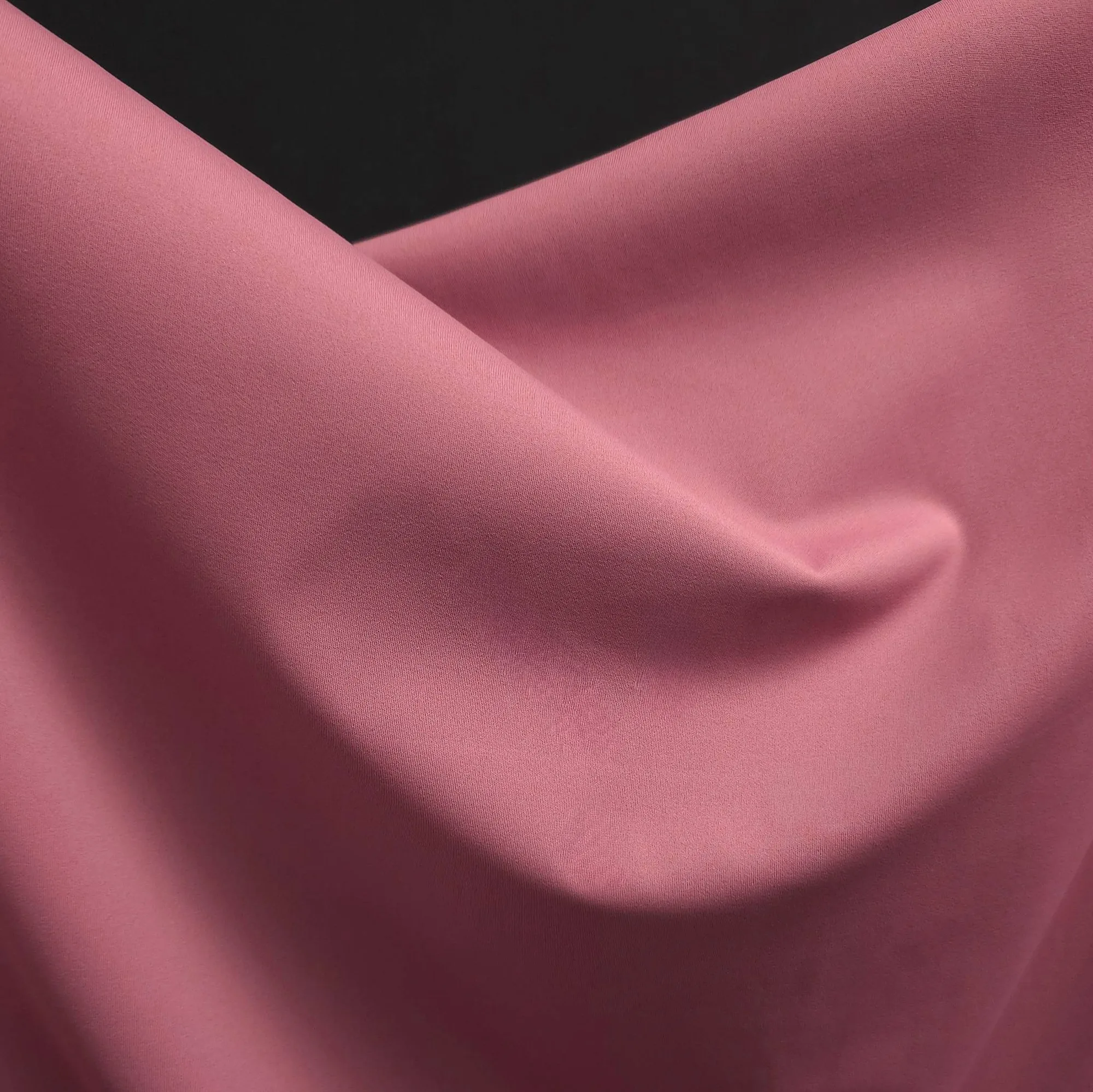
Performance Legging & Activewear Fabric