Quick answer
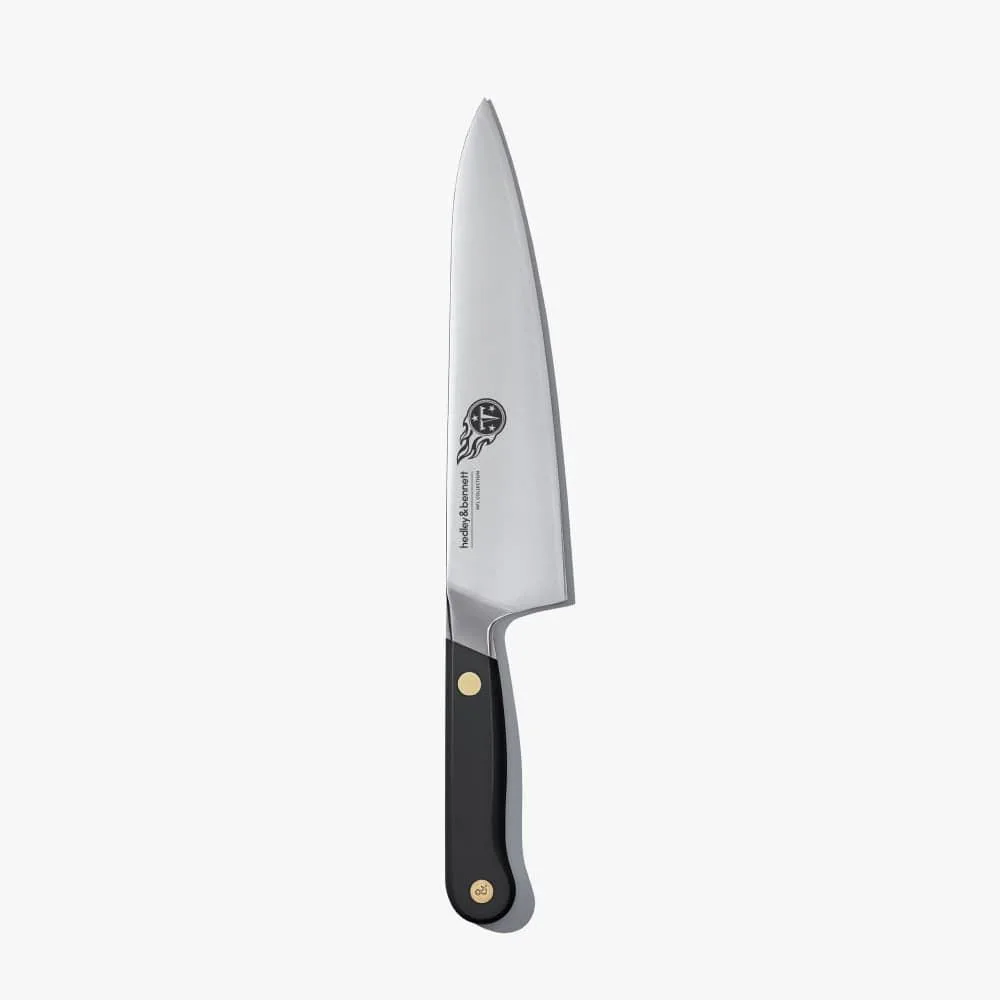
Sharpen kitchen knives at a consistent 15–20° angle on a whetstone or pull-through sharpener, clean them by hand with warm soapy water and dry immediately, and store them on a magnetic strip, in a block, or with a blade guard. The single biggest mistake is leaving knives in the dishwasher or a wet sink, which dulls edges and causes rust. A quick weekly touch-up and a dry, protected storage spot will keep any knife—including a sandwich knife—working like new.
Why a consistent sharpening angle matters more than the tool
Most home cooks blame the knife when it stops slicing tomatoes cleanly, but the real issue is usually an inconsistent angle. A 15° angle per side suits most Western and Japanese kitchen knives, while 20° is more durable for heavy chopping. If you use a pull-through sharpener, keep the blade level and pull straight through in one smooth motion; if you use a whetstone, count your strokes and match the angle on both sides. A sandwich knife with a serrated or scalloped edge is the exception—sharpen only the flat side lightly or replace it when the teeth wear down, because filing the serrations will ruin them.
Hand-wash and dry immediately—skip the dishwasher
Even dishwasher-safe knives lose their edge faster in a dishwasher because hot water, harsh detergent, and jostling against other items wear down the blade. Wash knives one at a time with a soft sponge, warm water, and a drop of dish soap, then dry them right away with a towel. Never let a knife soak in the sink; water sitting on the blade invites rust and makes the handle slippery. For sticky foods like peanut butter or cheese, wipe the blade with a damp cloth before washing to avoid scrubbing that dulls the edge.
Store knives so the edge never touches anything hard
The best knife storage ideas share one rule: the blade should rest on something soft or hang freely. A magnetic strip keeps knives visible and dry, a wooden block protects the edge inside a slot, and a simple blade guard works if you keep knives in a drawer. Avoid tossing knives loose in a drawer with forks and spoons—metal-on-metal contact chips edges and nicks tips. If you use a drawer organizer, place knives blade-down or use a guard so the edge isn't bearing the weight.
Set a simple maintenance rhythm
You don't need to sharpen every week. Hone lightly before each use to realign the edge, sharpen every two to three months for daily cooks, and touch up a sandwich knife only when it starts tearing bread instead of slicing it. Keep a dedicated spot for your sharpening tools so the routine stays easy. If a knife needs more than five minutes of sharpening to slice paper cleanly, it's time for a professional service or a replacement—not more pressure on a pull-through.
Your step-by-step knife care routine
- Hone before each use: Hold the honing rod vertically on a folded towel and draw the blade down at a 15–20° angle, alternating sides for 5–10 strokes. Checkpoint: the edge should feel slightly sticky when you run a fingertip across it—never test sharpness with your thumb pad.
- Wash by hand and dry immediately: Use warm water, a soft sponge, and a drop of dish soap. Rinse, then towel-dry the blade and handle right away. Mistake to avoid: leaving the knife in the sink or dishwasher basket, where water and other utensils dull and chip the edge.
- Sharpen at a consistent angle: Use a whetstone or pull-through sharpener at 15° per side for most knives, 20° for heavy chopping blades. Count strokes and match both sides. Checkpoint: after sharpening, the knife should slice printer paper cleanly without tearing.
- Store on a strip, in a block, or with a guard: Keep blades from touching other metal. Magnetic strips, wooden blocks, and blade guards all protect the edge and keep knives dry. Mistake to avoid: tossing knives loose in a drawer with forks and spoons—metal-on-metal contact chips edges.
- Repeat every two to three months: Daily cooks should sharpen every 8–12 weeks. Hone weekly in between. For a sandwich knife, sharpen only the flat side lightly, or replace it when the serrations wear. Next step: mark a recurring reminder in your calendar so sharpening doesn't slip.
Tools that make knife care easier
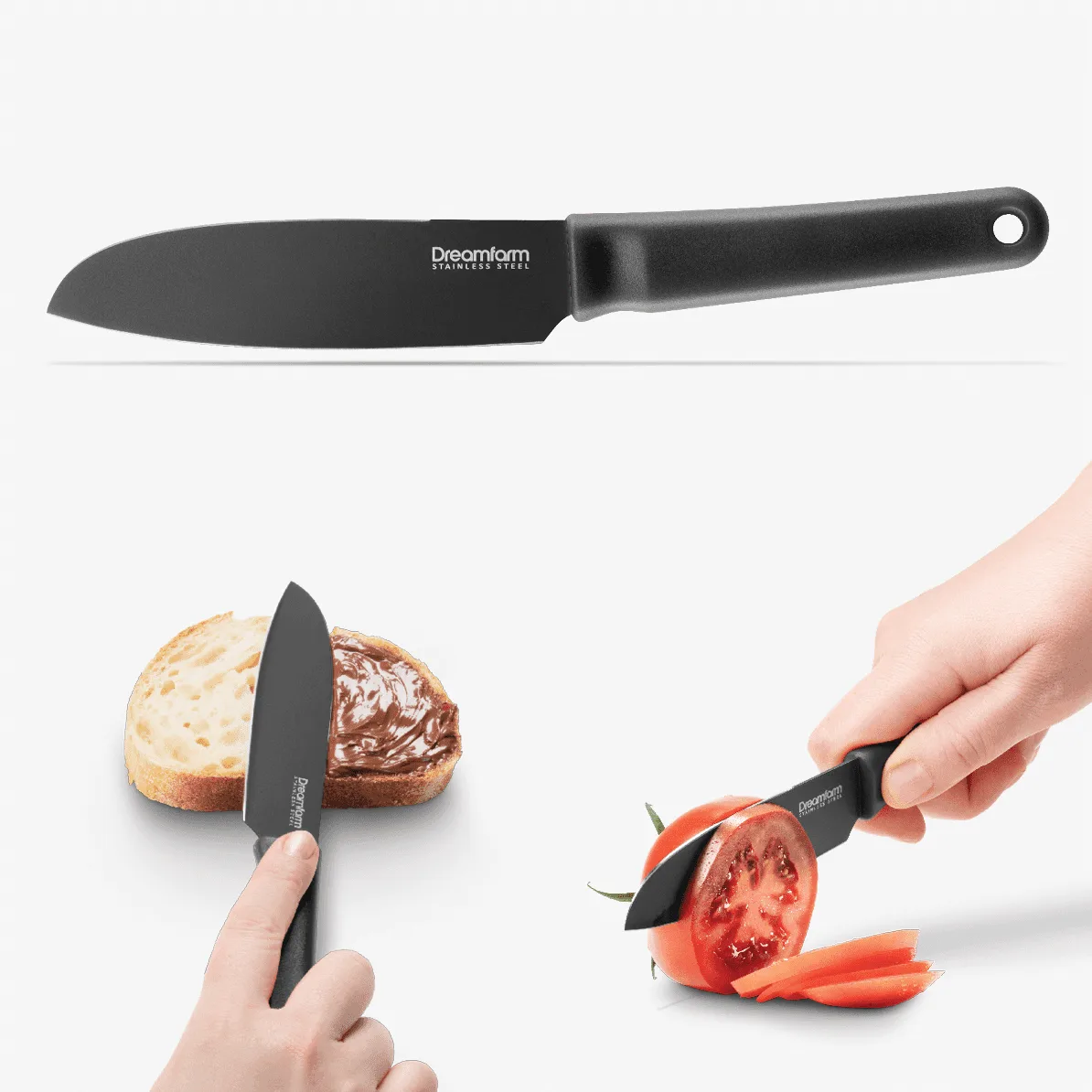
- Kneed: Kneed is a dishwasher-safe everyday knife that cuts, spreads, and scoops, and it won't rust with frequent cleaning. If you want a low-maintenance knife for sandwiches and quick prep, Kneed handles the job without the rust worry that comes with many carbon-steel blades.
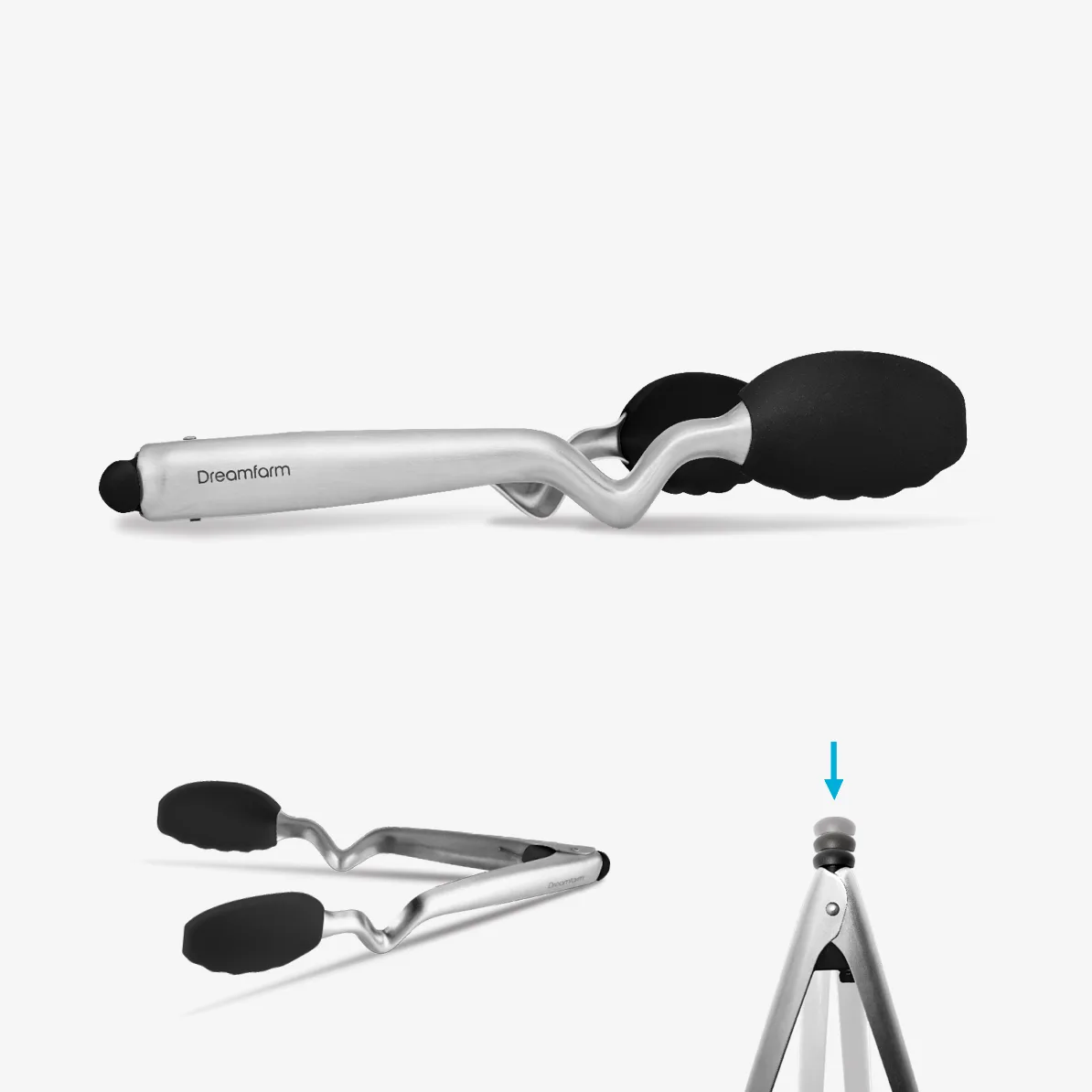
- Clongs: Clongs are click-lock tongs that open or lock closed with a button and lie flat for storage. Locking tongs keep your bench clean and store flat, so they won't tangle with knives in a drawer or scratch blades when you're reaching for a tool.