Quick Answer
To sharpen any edged tool, you need to establish a consistent bevel angle, use the right grit progression, and finish with a strop. Start with a coarse stone for dull edges, progress to finer grits, and always maintain the original angle. Practice on a beater knife before attempting your premium blades.
A dull edge is not just frustrating—it's dangerous. A sharp knife requires less force, gives you more control, and reduces the risk of slips. Whether you're prepping campfire kindling, field-dressing game, or slicing through rope, keeping your edged tools in top condition is a core skill for any outdoor enthusiast.
This guide walks you through the entire sharpening process, from choosing the right equipment to executing a perfect edge. We'll cover fixed blades, folders, and even tomahawks, with practical tips to avoid common mistakes. By the end, you'll be able to maintain a razor-sharp edge on all your gear.
Understanding Your Edge
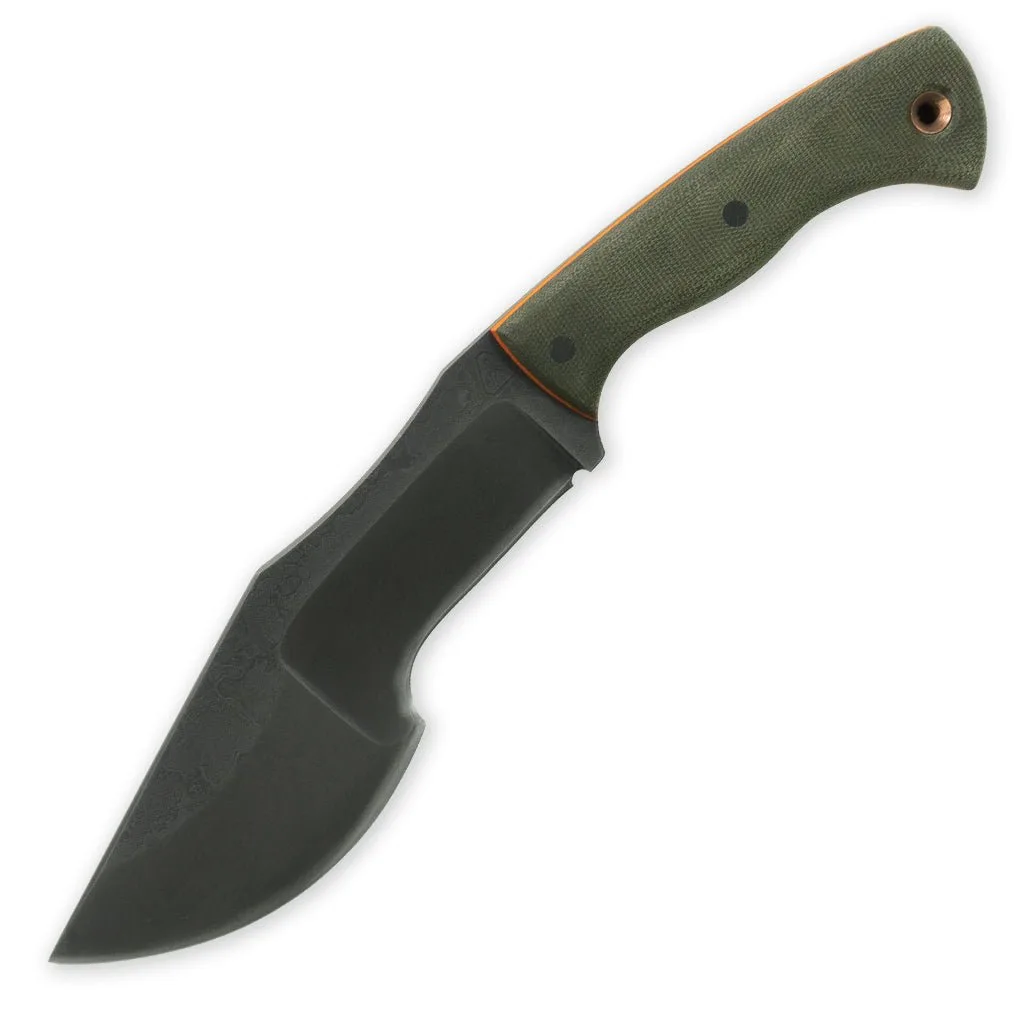
Before you start sharpening, you need to understand the geometry of your blade. Most knives have a bevel angle between 15 and 20 degrees per side. Fixed blades like the https://prometheusdesignwerxes.com/products/spd-x-wenger-blades-tracker-jr-366347SPD X Wenger Blades Tracker Jr. often have a more robust edge for bushcraft tasks, while folders like the SPD X Strider SMF Ti VN Tiger Stripe may have a thinner edge for slicing. Check the manufacturer's specifications if available, or use a sharpie to mark the bevel and adjust your angle until the marker is removed evenly.

SPD X Strider SMF Ti VN Tiger Stripe
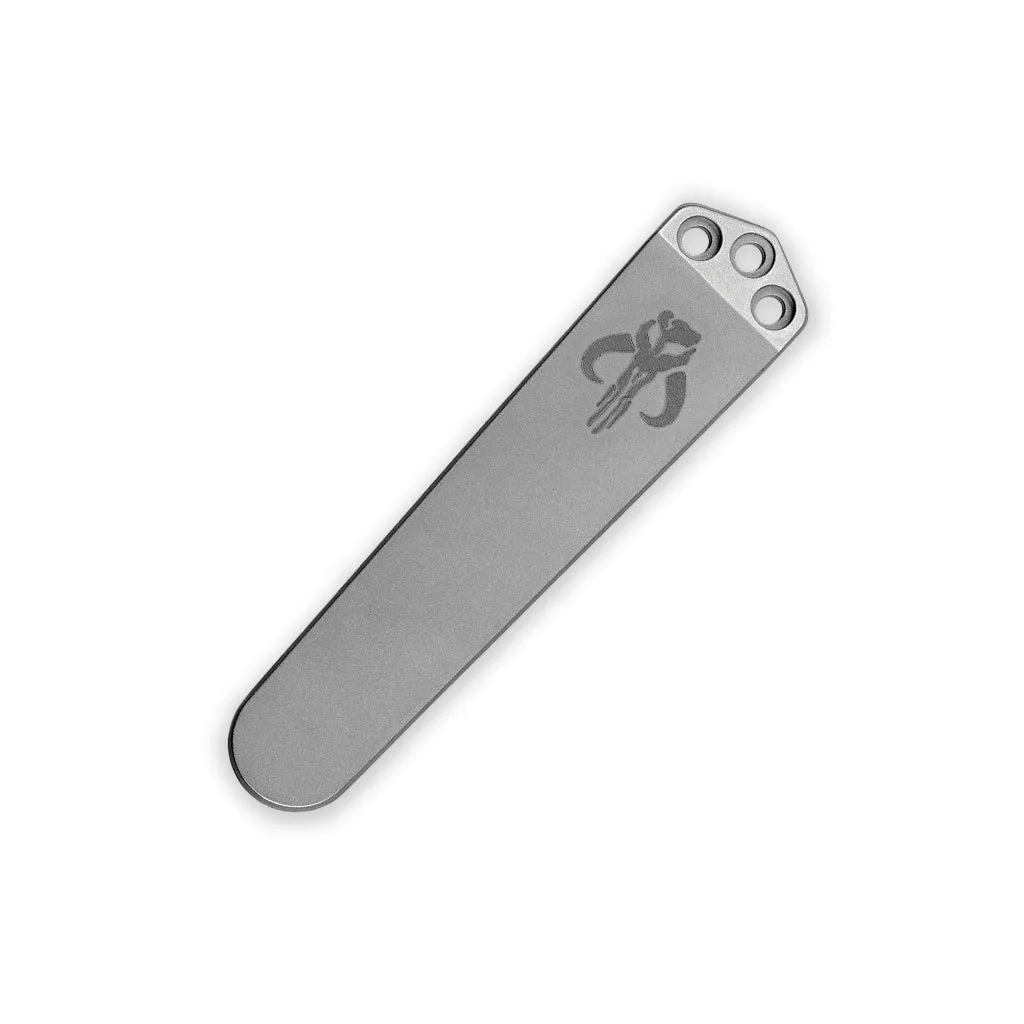
The type of steel also matters. High-carbon steels are easier to sharpen but may rust, while stainless steels hold an edge longer but require more effort. Titanium-coated tools, like the Ti-Clip Mythosaur, are not sharpened but can be maintained for their other functions. Always use a magnifying loupe to inspect the edge for chips or rolls before you begin.
- Use a sharpie to mark the bevel—this helps you maintain the correct angle.
- Inspect the edge under good light to spot any damage.
Gathering Your Sharpening Tools
You don't need a workshop full of equipment to sharpen effectively. A basic kit includes a coarse stone (around 300-600 grit), a medium stone (1000-2000 grit), a fine stone (3000-8000 grit), and a strop with polishing compound. For field touch-ups, a pocket sharpener or a ceramic rod works well. If you're sharpening a tomahawk, consider a file for the initial edge setting.
Lubrication is key: use water or honing oil on your stones to float away metal particles and prevent clogging. For diamond stones, a light mist of water is sufficient. Always keep your stones clean and flat—a lapping plate can help true them up.
- Invest in a quality sharpening system that matches your skill level.
- Keep a strop handy for quick touch-ups between full sharpenings.
The Sharpening Process: Step-by-Step
Start with the coarsest stone. Soak it if needed, then place the blade flat on the stone at the desired angle. Using even pressure, push the blade away from you as if you're slicing a thin layer off the stone. Repeat on the other side, alternating strokes to maintain symmetry. For a fixed blade like the SPD X Wenger Blades Tracker Jr., you'll want to work the entire length of the edge, including the belly and tip.
After establishing a burr along the entire edge, move to the medium stone and repeat the process, but with lighter pressure. The burr will become finer. Then switch to the fine stone and polish the edge. Finally, use a strop with compound to remove any remaining burr and align the edge. Test the sharpness on paper or a tomato—it should slice cleanly without tearing.
- Maintain a consistent angle—use a guide if you're a beginner.
- Alternate strokes evenly to keep the bevel symmetrical.
- Don't rush: each grit should remove the scratches from the previous one.
Special Considerations for Folders and Tomahawks
Folders require extra care because the blade pivots. When sharpening a folder like the SPD X Strider SMF Ti VN Tiger Stripe, disassemble it if possible to avoid getting metal filings in the mechanism. If you can't disassemble, tape the blade to the handle to keep it open and protect the pivot. Use a guide to maintain the angle, and be extra cautious near the choil.
Tomahawks have a convex edge that's easier to maintain with a file or a coarse stone. Use a circular motion to follow the curve. Don't try to achieve a razor edge—a working edge that can chop and split is sufficient. Always secure the tomahawk in a vice to prevent accidents.
- Disassemble folders before sharpening to protect the mechanism.
- For tomahawks, focus on a durable edge over a polished one.
Step-by-Step Sharpening Checklist
- Inspect and Clean the Blade: Remove any dirt, rust, or debris. Check for chips or damage that might need repair before sharpening. A clean blade ensures even sharpening and prevents contamination.
- Set the Bevel Angle: Use a sharpie to mark the bevel, then place the blade on the coarse stone at the correct angle. Adjust until the marker is removed evenly. Consistent angle is the foundation of a sharp edge.
- Work the Coarse Stone: Push the blade across the stone in smooth strokes, maintaining pressure. Repeat on both sides until a burr forms along the entire edge. The burr indicates you've removed enough metal to form a new edge.
- Progress to Finer Grits: Switch to medium and then fine stones, using lighter pressure each time. Remove the burr with each grit. Each grit removes the scratches from the previous one, refining the edge.
- Strop to Finish: Use a leather strop with polishing compound to align the edge and remove any remaining burr. Pull the blade backwards across the strop. Stropping gives you that razor-sharp, polished finish.
- Test and Maintain: Test the edge on paper or a tomato. If it doesn't slice cleanly, repeat the process. For regular maintenance, use a strop or a fine ceramic rod. A sharp edge is safer and more efficient—maintain it regularly.
Products Mentioned in This Guide
- SPD X Wenger Blades Tracker Jr.: A modern bushcraft fixed blade with a compound grind featuring a hollow terminating at a modified flat, designed for field use and bushcraft. The unique grind makes sharpening a bit more involved—you'll need to follow the compound profile carefully to maintain its performance.
- SPD X Strider SMF Ti VN Tiger Stripe: A legendary folder with a full titanium framelock handle and blade made from CPM-154. CPM-154 is a premium stainless steel that holds an edge well but requires patience to sharpen—use a fine grit and a strop for best results.
Sharpening your edged tools is a rewarding skill that enhances safety and performance. Whether you're maintaining a bushcraft fixed blade like the SPD X Wenger Blades Tracker Jr. or a tactical folder like the SPD X Strider SMF Ti VN Tiger Stripe, the process is the same. Start with the right tools, take your time, and practice regularly. Your gear—and your hands—will thank you.