Quick answer
To size your Zendure balcony power plant, start by calculating your average daily electricity usage and match it with the solar panel wattage and battery capacity that fit your balcony space and budget. For most households, a system like the solarflow-3000-mix-ac-307308">SolarFlow 3000 Mix AC+ or SolarFlow 4000 Mix AC+ paired with 500W bifacial panels offers a good balance of energy savings and simplicity.
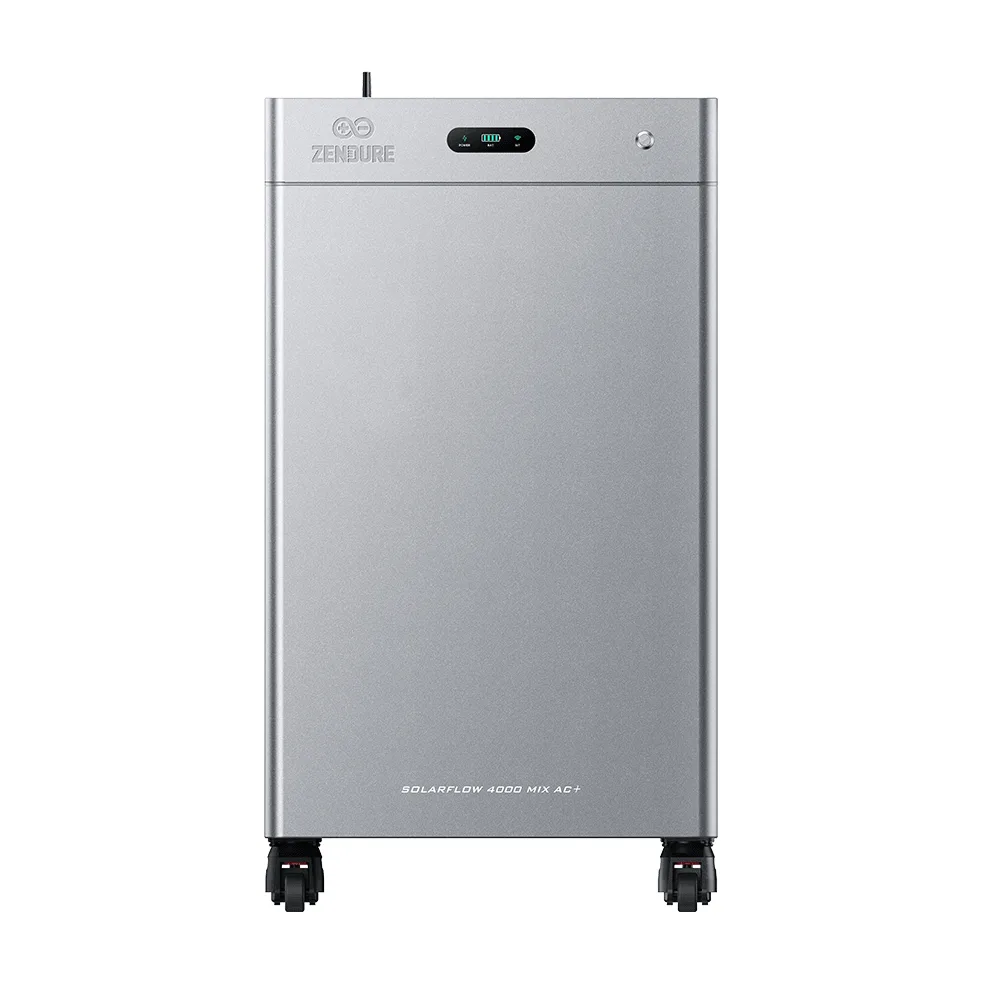
SolarFlow 4000 Mix AC+
Balcony power plants are a practical way to cut electricity bills without a full rooftop installation. But choosing the right size requires more than picking the biggest battery. You need to consider your daily consumption, available sunlight, balcony dimensions, and local regulations.
This guide walks you through the key factors and gives you clear decision rules so you can size your Zendure balcony solar setup with confidence—and actually see the savings you expect.
1. Know Your Daily Energy Consumption
The first step in balcony power plant sizing is understanding how much electricity you use on an average day. Check your utility bill to find your monthly kilowatt-hour (kWh) usage and divide by 30. For example, if you use 300 kWh per month, that's about 10 kWh per day. This number tells you how much of your consumption you want the balcony system to cover.
Be realistic about your goal. A balcony system can offset a portion of your usage, not all of it. Most households aim to cover 10–30% of their daily electricity needs. If you run high-draw appliances like air conditioners or electric heaters, your daily usage will be higher, and you'll need a larger system or accept a smaller offset.
- Track your usage for a week to identify peak times and base load.
2. Assess Your Balcony's Solar Potential
Your balcony's location and orientation directly affect how much solar energy you can harvest. South-facing balconies with little shade get the most sun, while east or west-facing balconies produce less or shift production to mornings or afternoons. Use a solar calculator or consult a professional to estimate your annual solar hours.
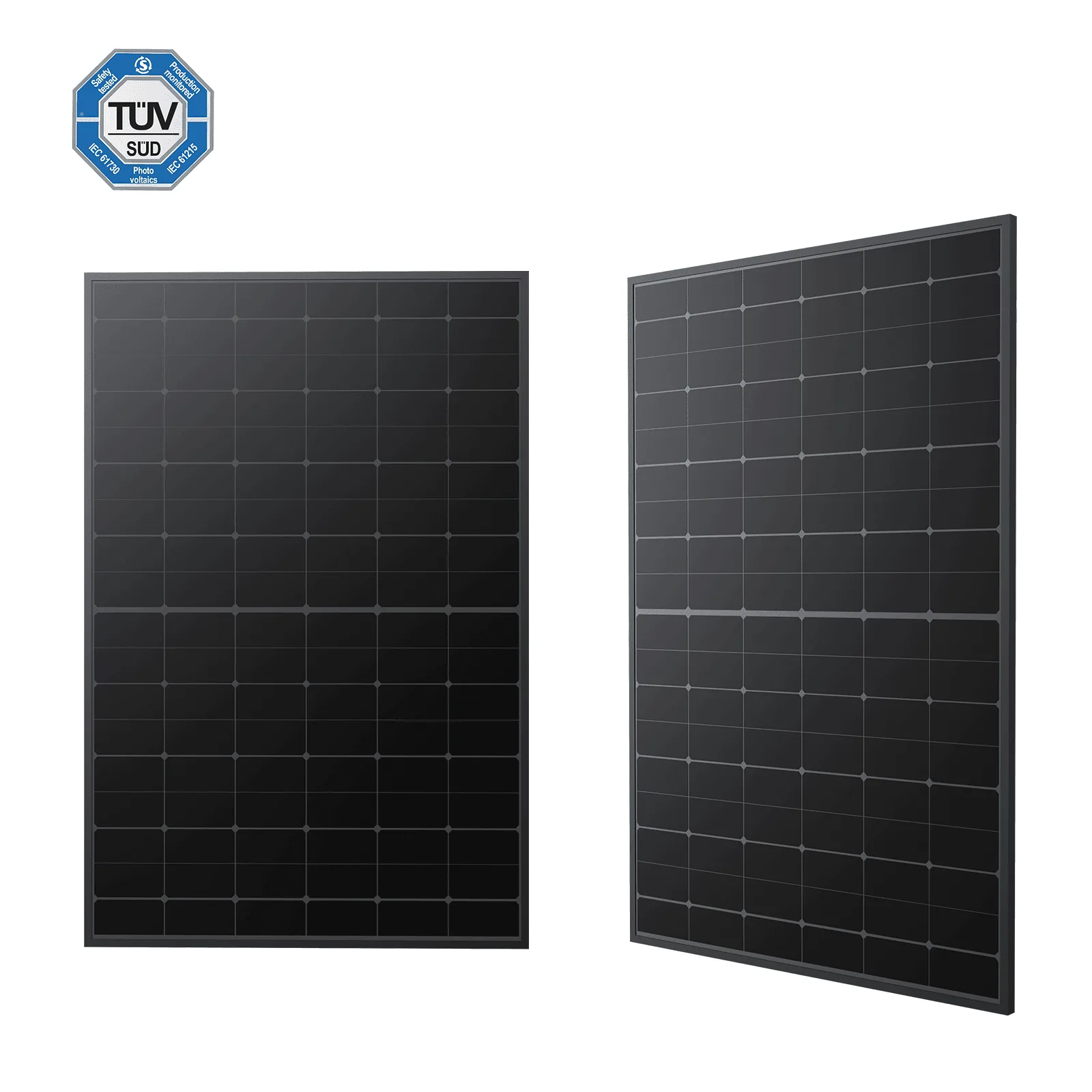
Also measure the available space. Balcony power plants typically use rigid panels like the Zendure 500W Bifacial Solar Panels, which require clear floor or railing space. Measure the area where you plan to mount panels, and remember you can adjust the tilt angle (as with support brackets) to optimize capture.
If your balcony is small, you might need to choose between more panels or a larger battery. Since batteries store energy for later use, they can be more valuable than extra panels if your peak solar production doesn't align with your usage.
- Use the Zendure 500W Bifacial Solar Panels' back-side gain to get more power from limited space.
3. Calculate Your Potential Savings
To estimate savings, multiply the solar energy you expect to generate by your electricity rate. For instance, if you generate 2 kWh per day and your rate is $0.20/kWh, you save $0.40 per day, or about $12 per month. Over a year, that's $146. Compare this with the system cost to determine payback time.
Remember that you can't save on electricity you don't use unless you have a battery to store surplus for evening hours. Without storage, excess solar energy goes to the grid, and you may not receive credit depending on net metering rules. A battery like the SolarFlow 3000 Mix AC+ or SolarFlow 4000 Mix AC+ lets you shift solar energy to when you need it, increasing self-consumption and savings.
- Use a balcony solar savings calculator to input your local rate and solar hours.
4. Match Battery Capacity to Your Evening Usage
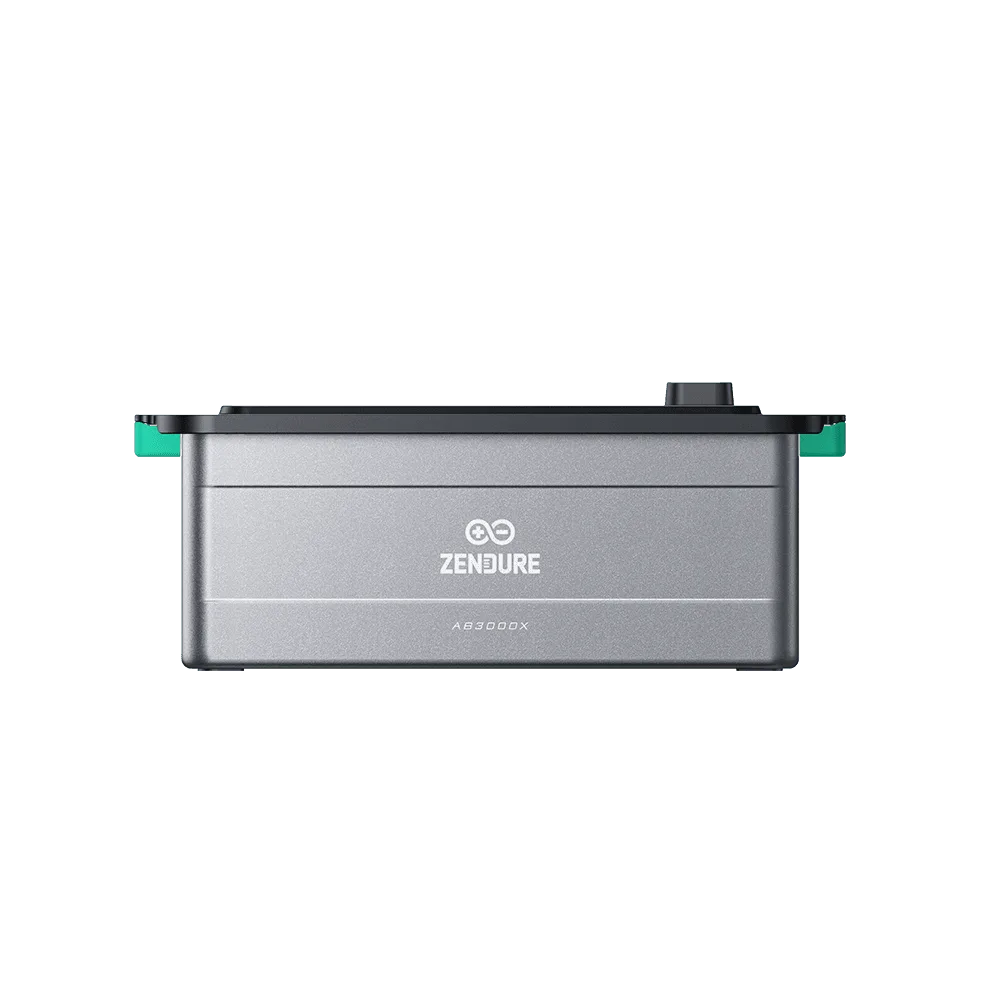
Battery capacity determines how much stored solar energy you can use after sunset. Look at your evening consumption (from 6 PM to 10 PM, for example) and choose a battery that covers a meaningful portion. If you use 3 kWh in the evening, a 3.4 kWh battery (like the SolarFlow 3000 Mix AC+) covers most of it, while a larger 4 kWh system (SolarFlow 4000 Mix AC+) gives extra buffer.
Keep in mind that batteries have depth-of-discharge limits; you can't use 100% of the rated capacity. Also, consider that the battery charges during the day, so its effective capacity depends on how much solar energy you generate. If your panels produce less than the battery capacity, you won't fill it fully.
- Aim for a battery that covers at least 50% of your typical evening usage.
5. Consider Installation and Expansion
Balcony power plants are plug-and-play, but you still need to think about installation logistics. The Zendure SolarFlow systems are designed for simple setup, but you may need flat solar cables to connect panels without drilling through walls. These cables can pass under doors and windows, making installation cleaner and safer.
Also, think about future expansion. If you start with a smaller system, can you add more panels or batteries later? Zendure's modular design allows you to expand, but check compatibility. For example, you might start with a SolarFlow 3000 Mix AC+ and later add another battery if your needs grow.
- Plan for cable routing before mounting panels to avoid drilling.
Decision Rules for Sizing Your Balcony Power Plant
- Rule 1: Calculate daily usage first: Find your average daily kWh from your utility bill. This is the baseline for all sizing decisions. Don't skip this step—it prevents over- or under-sizing.
- Rule 2: Match panel wattage to available sunlight: Estimate your daily solar production based on sun hours and panel wattage. For example, 1 kW of panels in 4 sun hours yields about 4 kWh/day. More panels aren't always better if you lack space or sun.
- Rule 3: Size battery to evening usage: Choose battery capacity to cover at least 50% of your typical evening consumption. If you use 3 kWh at night, a 3-4 kWh battery is a good fit. A larger battery increases savings but adds cost—balance it with your budget.
- Rule 4: Consider expansion potential: If you plan to grow your system, ensure your chosen components are modular and compatible with future additions. Starting small but expandable can be a smart first step.
Key Zendure Products for Balcony Power Plants
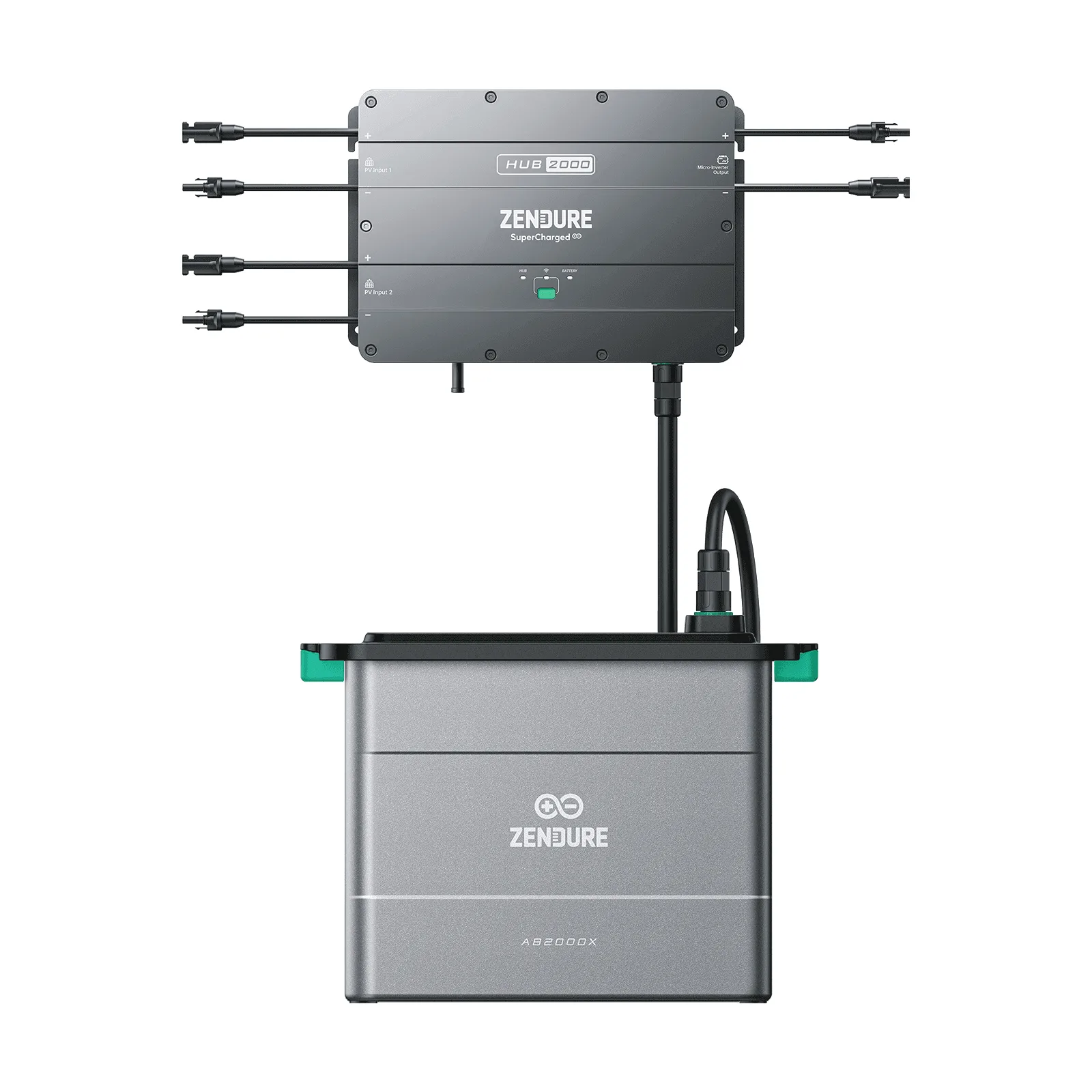
- SolarFlow 3000 Mix AC+: The SolarFlow 3000 Mix AC+ is a plug-and-play solar battery solution designed to integrate seamlessly into your home energy setup. This system offers a practical way to store solar energy for later use, helping you make the most of your solar generation. It's a solid choice for smaller balconies or budgets, providing enough storage to cover evening usage for a typical household.
- SolarFlow 4000 Mix AC+: The SolarFlow 4000 Mix AC+ is a plug-and-play solar battery system designed for home energy storage. It offers a straightforward solution for integrating solar power into your household, with a focus on simplicity and efficiency. With higher capacity, it suits homes with larger evening consumption or those who want more independence from the grid.
- 500W Bifacial Solar Panels: Presenting the advanced 500W rigid bifacial solar module, designed to maximize performance and reliability. Featuring light-reorienting film technology, this module enhances efficiency and bifacial production. Bifacial panels capture light from both sides, giving you more energy per square meter—ideal for balconies with limited space.
Which System Fits You?
Best for
- Smaller balconies or tight budgets: SolarFlow 3000 Mix AC+ with 1-2 panels
- Homes with high evening usage or desire for more independence: SolarFlow 4000 Mix AC+ with 2-3 panels
Not for
- Homes with very high daily consumption (over 20 kWh) that need full offset—consider a larger rooftop system
- Balconies with heavy shade most of the day—solar production will be too low to justify the investment
Sizing your Zendure balcony power plant is about matching your energy needs, space, and budget. Start with your daily usage, estimate solar potential, and choose a battery that covers your evening consumption. Use the decision rules above to avoid common pitfalls, and you'll be on your way to meaningful energy savings.