What Makes the Cylindrical Rubik's Cube Different
The Cylindrical Rubik's Cube from One Dollar Only is not your standard cube. Its rounded shape changes how the layers move, adding a fresh twist to the classic puzzle. This guide explains a straightforward solving approach that works with the cylindrical design.
Before you start, note that each cube is sold separately and comes in an assorted selection of colors or designs. The exact color of your cube may vary, but the solving steps remain the same.
What the Listing Confirms
-
Cylindrical Rubik's Cube: Challenge your mind with this unique Cylindrical Rubik's Cube from One Dollar Only. Its cylindrical shape offers a fresh twist on the classic puzzle, providing a new level of difficulty and fun for puzzle enthusiasts. The shape changes how you approach the solve, so standard cube algorithms may not work perfectly. The cylindrical design requires adjusting your technique.
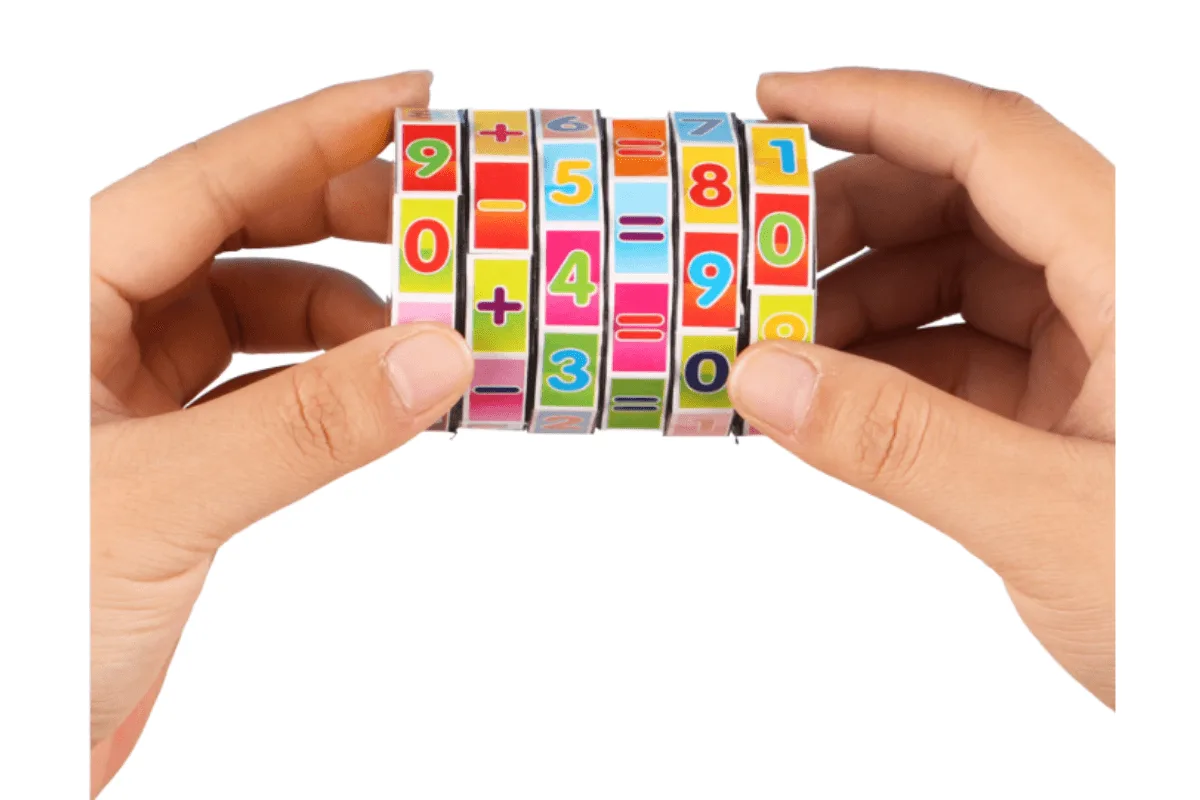
Cylindrical Rubik's Cube
-
Cylindrical Rubik's Cube: Durable and lightweight design makes it easy to handle and carry. You can practice solving anywhere without worrying about damage. The lightweight feel also helps with quick turns and finger tricks.
A Simple Solving Approach for the Cylindrical Cube
These steps assume you are familiar with basic twist puzzle moves. Adjust your technique as needed because the cylindrical shape may cause some layers to stick or move differently.
- Step 1: Understand the Layers: The cylindrical cube has a top layer, a middle band, and a bottom layer. Identify which pieces belong to each layer by their shape and color. The rounded edges mean some pieces are not perfectly square.
- Step 2: Solve the Top Layer: Start by matching all pieces on the top face to a single color. Use basic corner and edge algorithms, but be prepared for the cylindrical shape to affect alignment. Rotate slowly to avoid jamming.
- Step 3: Align the Middle Band: Once the top is solved, work on the middle band. Because the cube is cylindrical, the middle band may have fewer visible pieces. Focus on matching the side colors to the top layer.
- Step 4: Solve the Bottom Layer: Flip the cube over and solve the bottom layer using standard last-layer algorithms. The cylindrical shape may cause some moves to twist the middle band, so check alignment after each algorithm.
- Step 5: Fine-Tune and Practice: If the cube feels stiff, apply a small amount of silicone lubricant to the moving parts. Practice each step until the turns feel smooth. The cylindrical design rewards patience and precision.
Tips for Twist Puzzle Enthusiasts
If you already solve standard Rubik's Cubes, the cylindrical version will test your adaptability. The rounded shape means some pieces may not move as freely, so use gentle turns. Keep the cube clean and avoid forcing it past a sticking point.
The Cylindrical Rubik's Cube is a great addition to any puzzle collection. Its unique shape offers a new challenge without requiring a completely new set of skills. Practice the steps above, and you will master it in no time.