So you’ve cracked open The Final Act: Murder at the Talent Show, and now you’re staring at a pile of evidence, suspect files, and a crime scene that’s anything but straightforward. Don’t worry—every great detective starts with a plan. This guide will walk you through the game step by step, helping you organize clues, question suspects, and arrive at the right conclusion without spoiling the fun.
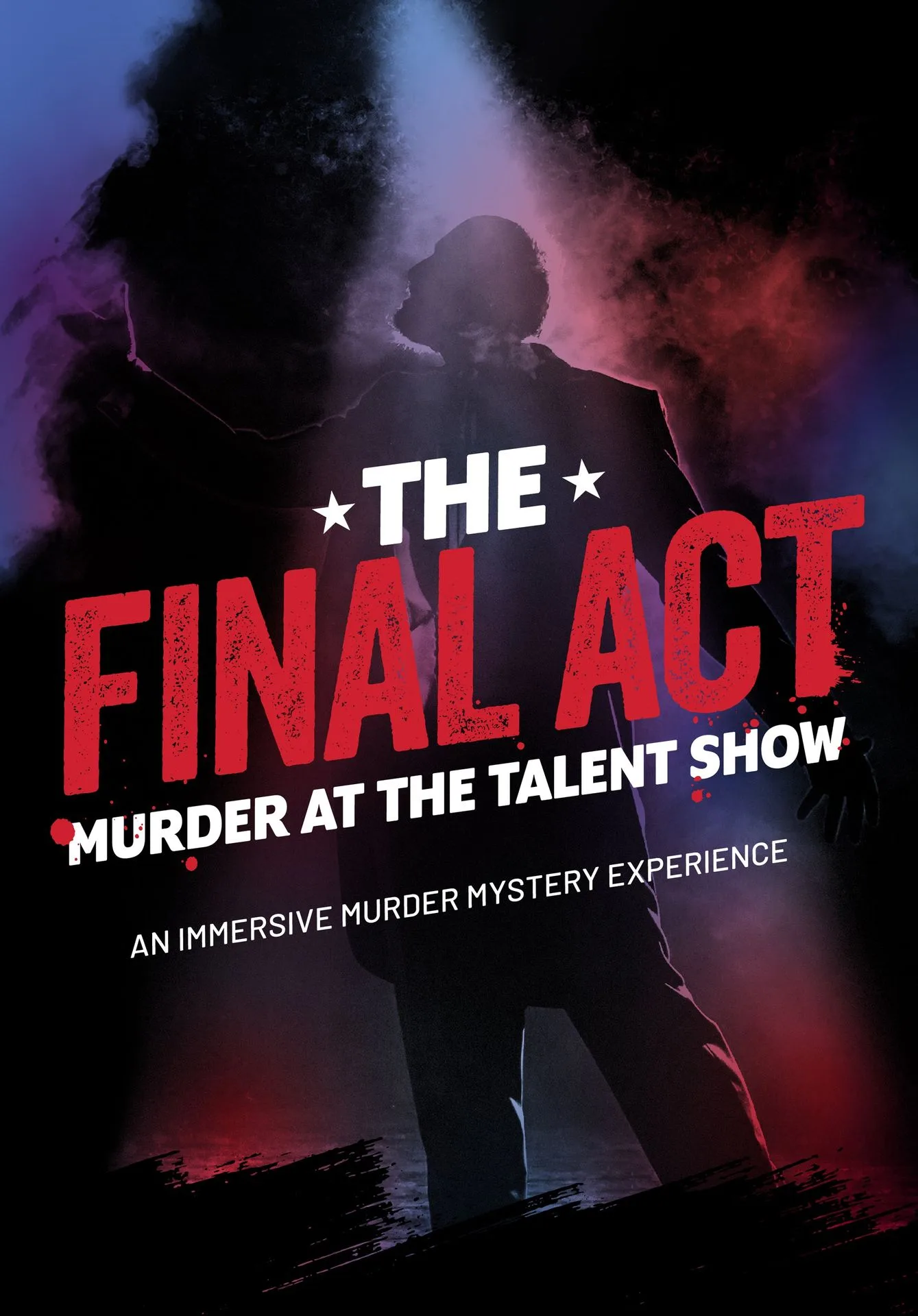
The Final Act: Murder at the Talent Show
Whether you’re playing solo or with a group, the key to solving this talent show murder is staying methodical. The game is designed to challenge your observation and deduction skills, but with a clear process, you can piece together the truth. Let’s break down the investigation into manageable phases so you can focus on the thrill of the solve.
1. Set Up Your Investigation Workspace
Before diving into the evidence, create a dedicated area where you can spread out all materials. The Final Act includes multiple envelopes, documents, and physical clues—keeping them organized is half the battle. Use a large table or a bulletin board to pin up suspect photos, crime scene sketches, and any notes you take. This visual layout helps you spot connections you might miss if everything is stacked in a box.
As you open each sealed envelope, resist the urge to look at everything at once. The game is designed to release information in stages, so follow the instructions in the case file. If you’re playing with friends, assign one person to be the “evidence manager” who tracks what’s been revealed and what remains sealed. This prevents accidental spoilers and keeps the team on the same page.
- Tip: Use sticky notes to label each piece of evidence with a date or suspect name for quick reference.
2. Analyze the Crime Scene and Victim Profile
Start by examining the crime scene report and any photographs included in the game. Look for details about the victim’s position, the weapon, and the immediate surroundings. In The Final Act, the victim is a talent show contestant, so pay attention to the backstage area, the stage, and any props or costumes that might be relevant. Note anything that feels out of place—a missing item, an unusual footprint, or a torn piece of fabric.
Next, review the victim’s background. Who were they? Did they have rivals, debts, or secrets? The game provides a victim profile that includes relationships with other characters. Jot down motives for each suspect as you read. For example, if the victim was a competitive performer, jealousy could be a strong motive. Keep an open mind—sometimes the most obvious suspect is a red herring, and the real killer has a subtler reason.
- Tip: Create a timeline of events leading up to the murder. Even approximate times can help you eliminate alibis.
3. Interview Suspects and Track Their Statements
The Final Act includes suspect files with alibis, interviews, and sometimes contradictory statements. Read each suspect’s account carefully, then compare them side by side. Look for inconsistencies—if one person claims they were backstage at 8:15 PM, but another says the hallway was empty at that time, you’ve found a crack in the story. Write down each suspect’s alibi and cross-reference it with physical evidence.
Don’t forget to consider the possibility of collaboration. Some suspects might be covering for each other or lying to protect themselves. In Hunt A Killer games like Dead Below Deck and Nancy Drew: Mystery at Magnolia Gardens, the truth often emerges when you compare multiple testimonies. For The Final Act, pay special attention to any suspect who changes their story between interviews or who seems overly eager to point fingers at someone else.
- Tip: Use a suspect grid—list suspects on one axis and key facts (motive, opportunity, alibi) on the other to visualize gaps.
4. Examine Physical Evidence and Connect the Dots
Physical evidence is your most reliable tool. The game provides items like a torn ticket stub, a handwritten note, a prop weapon, or a costume piece. Examine each item for hidden details—check for handwriting, stains, or serial numbers. Sometimes the evidence itself contains a code or a clue that points to a specific suspect. For instance, a backstage pass with a smudged date might reveal who was in the area at the time of the murder.
Link physical evidence to suspect statements. If a suspect claims they never went near the dressing room, but you find a hairpin from their costume there, that’s a contradiction. Similarly, if a piece of evidence places a suspect at the scene during the estimated time of death, their alibi becomes suspect. Keep a running list of “clues that match” and “clues that conflict” for each suspect. This systematic approach is the same method used in other Hunt A Killer games like Camp Calamity Premium Game and The Melancholy Killer Premium Game.
- Tip: Use a magnifying glass (or your phone’s zoom) to examine small text or markings on evidence items.
5. Eliminate Suspects and Narrow Down to the Killer
Once you’ve gathered all evidence and interviews, start eliminating suspects. A suspect can be ruled out if they have a solid alibi backed by multiple witnesses or physical evidence, if they have no plausible motive, or if the evidence directly contradicts their involvement. Be ruthless—if a suspect’s story doesn’t hold up under scrutiny, cross them off your list. However, don’t eliminate someone based on a single weak point; double-check every detail.
After elimination, you should be left with one or two prime suspects. Revisit their files and the evidence that points to them. Ask yourself: Does the motive make sense? Could they have physically committed the crime? Is there a clear chain of events? In The Final Act, the solution is logical and fair—there are no trick answers. If you’ve followed the clues methodically, the killer’s identity will become clear. Trust your deduction and submit your final answer with confidence.
- Tip: If you’re stuck, take a break and come back with fresh eyes. Sometimes the answer is hiding in plain sight.
Solving The Final Act: Murder at the Talent Show is as much about process as it is about intuition. By organizing evidence, comparing statements, and eliminating suspects step by step, you turn a tangled mystery into a solvable puzzle. Whether you’re a first-time sleuth or a seasoned investigator, this methodical approach will help you enjoy the game without missing the fun of the reveal. Now go close the case—you’ve got a talent show murderer to catch.