Quick Answer
Spotting counterfeit anime apparel comes down to checking fabric quality, print precision, and official branding. Look for heavy-weight cotton, clear screen printing, and licensed tags. If a deal seems too good, it probably is.
Counterfeit anime apparel is everywhere, from online marketplaces to flea markets. Fake shirts and hats may look convincing in photos, but they often fall apart after a few washes. Learning to spot the differences protects your wallet and your collection.
Authentic anime merchandise, like the items from TOHO animation Store, is made with specific materials and printing methods. This guide breaks down what to look for so you can buy with confidence.
Check Fabric Weight and Feel
One of the easiest ways to spot a fake anime shirt is by the fabric. Authentic shirts often use heavy-weight cotton, like the 7.1 oz 100% cotton used in the My Hero Academia Deku T-Shirt. This gives the shirt a sturdy, substantial feel that cheap knockoffs rarely match.
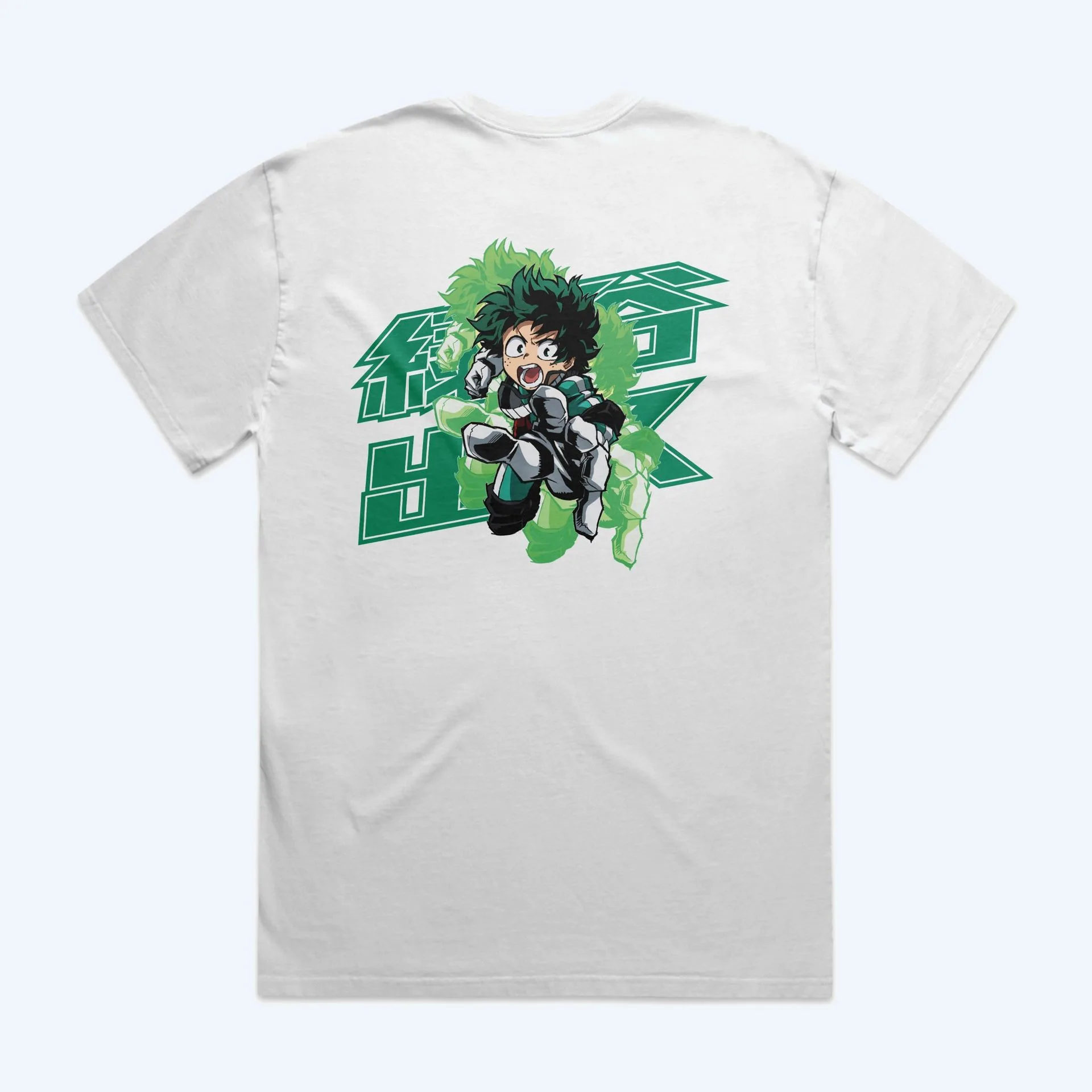
My Hero Academia Deku T-Shirt
Counterfeit shirts are often made from thin, flimsy material that feels rough or overly shiny. When you hold a shirt, compare its weight to a known authentic piece. Heavy fabric also holds its shape better and survives repeated washing, which is a practical sign of quality.
- Look for preshrunk cotton, which minimizes shrinkage after washing.
Examine Print Quality and Placement
Print quality is a major giveaway. Authentic anime shirts use screen printing that produces crisp lines and vibrant colors. Fakes often have blurry edges, off-center designs, or colors that bleed into the fabric.
Check the back of the shirt too. Screen printing should not feel like a thick plastic sticker. For example, the My Hero Academia Deku T-Shirt is hand screen printed in the USA, which ensures a clean, durable print that fakes can't easily replicate.
- Run your hand over the design; authentic prints feel smooth, not raised or rubbery.
Inspect Tags and Labels
Official tags are a reliable marker of authenticity. Licensed anime apparel usually includes a brand tag, size tag, and sometimes a holographic sticker or serial number. Fakes often have misspelled tags or missing care instructions.
For hoodies, check the zipper and stitching. The JUJUTSU KAISEN Shibuya Hoodie features a metal zipper closure and 100% cotton material, details that counterfeits often cut corners on. A flimsy zipper or loose threads are red flags.
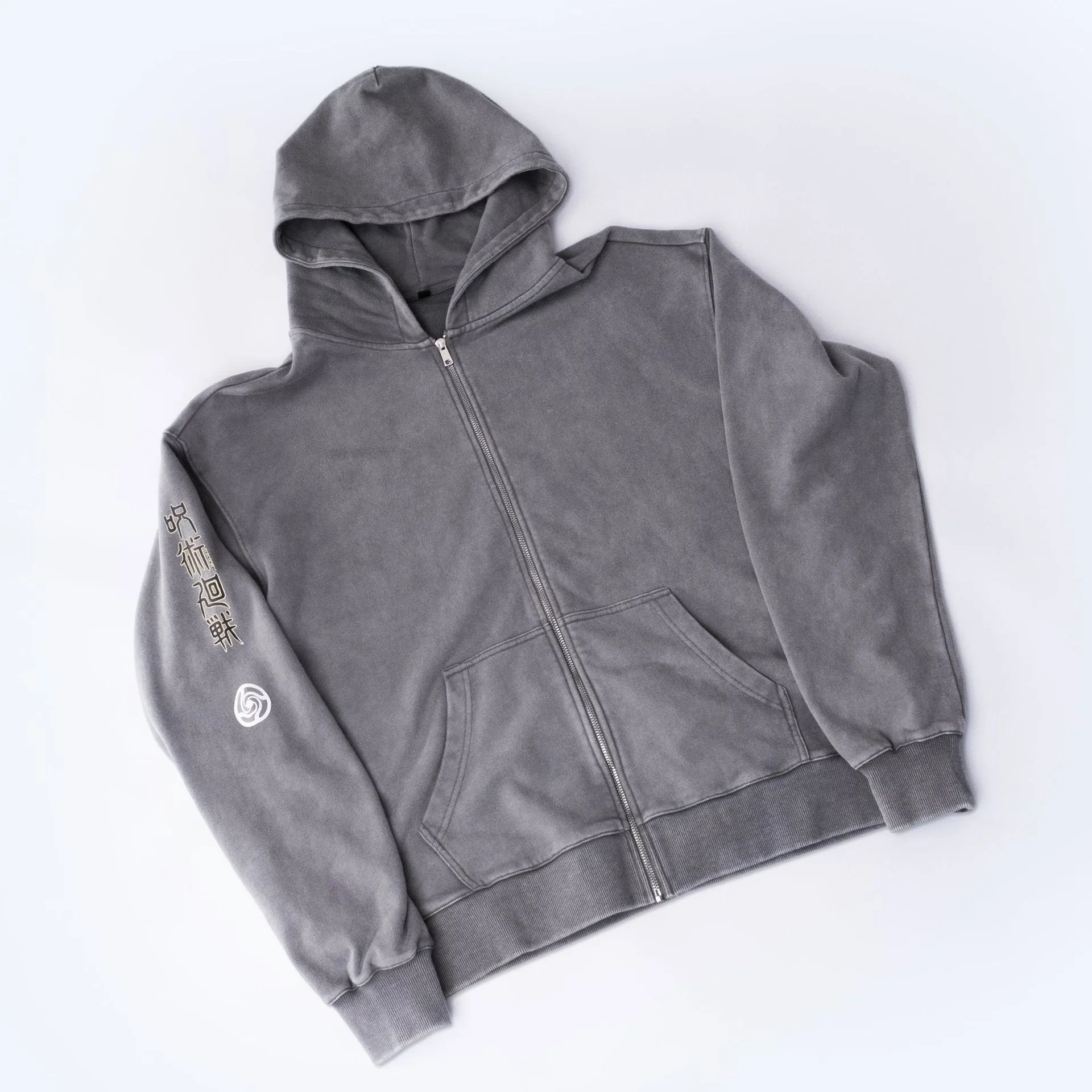
JUJUTSU KAISEN Shibuya Hoodie
- Compare tags with official product photos from the store's website.
Watch for Unrealistic Prices
If a shirt is priced far below the official retail price, it's likely counterfeit. For example, the JUJUTSU KAISEN 5th Anniversary Memorable Shibuya Incident ED Hoodie is listed at USD 30.00, which is already a discount from its original USD 60.00. A seller offering the same hoodie for USD 10 is almost certainly selling a fake.
Counterfeiters rely on tempting prices to lure buyers. Always compare prices with official stores. If a deal seems too good to be true, it probably is a fake.
- Check the official store's price before buying from third-party sellers.
Look for Official Licensing and Branding
Authentic anime apparel is officially licensed and often includes branding from the manufacturer. For instance, the iiZO by TOHO animation brand is TOHO animation's in-house apparel line. Look for such brand marks on tags or packaging.
Fakes rarely include official licensing information. If the product page or packaging doesn't mention the license holder or brand, be cautious. Official products also list detailed product information, like material and care instructions, which fakes often omit.
- Check the product description for brand names and licensing details.
Common Myths About Counterfeit Anime Apparel
- Myth: Cheap price means a good deal: Fakes are often sold at a fraction of the official price. Compare with official stores to spot unrealistic discounts. If the price is too low, it's probably fake.
- Myth: All anime shirts are the same quality: Authentic shirts use heavy-weight cotton and screen printing, while fakes often use thin fabric and poor prints. Check fabric weight and print quality.
- Myth: Tags are always accurate: Counterfeiters often copy tags, but misspellings and missing care instructions are common mistakes. Inspect tags for errors and compare with official photos.
- Myth: Brand names are always present: Licensed products often include brand marks like iiZO by TOHO animation. Fakes rarely include official branding. Look for official brand names on tags and packaging.
Authentic Examples to Compare
- My Hero Academia Deku T-Shirt: Hand screen printed in the USA, boxy oversized fit, heavy weight 7.1 oz, 100% cotton, preshrunk. Heavy cotton and screen printing are signs of quality that fakes rarely match. Preshrunk fabric means the shirt keeps its size after washing.
- JUJUTSU KAISEN Shibuya Hoodie: Washed grey finish with bold graphics, 100% cotton, metal zipper closure. Metal zippers and 100% cotton are durable materials that counterfeits often replace with cheap plastic and thin blends.
- JUJUTSU KAISEN 5th Anniversary Memorable Shibuya Incident ED Hoodie: Premium cotton-blend hoodie with vibrant artwork from the Shibuya Incident arc. Vibrant, detailed artwork is hard to replicate. If the print looks dull or washed out, it's likely fake.
Spotting counterfeit anime apparel takes a little practice, but checking fabric, print, and tags goes a long way. Stick with official stores like TOHO animation Store to ensure you get authentic merch that lasts. When in doubt, compare with the details in this guide before you buy.