Quick answer
To stamp sterling silver, position the punch perpendicular to the metal, support the piece on a steel block, and strike firmly with a hammer in one clean blow.
Why a dedicated sterling punch matters
Using a generic letter punch for the word 'STERLING' risks uneven spacing or misalignment. A dedicated silver marking punch like the Silver Marking Punch — 'STERLING' Straight Bar Metal Stamp for Hallmarking Work ensures the entire word is struck in one go, keeping the characters evenly spaced and at a consistent depth.
Trade-off: depth vs. readability
A deeper stamp is more durable but can distort thin silver sheet or wire. For delicate pieces, use a lighter strike and a smaller character set such as the Letter & Number Punch Stamps, 1.5 mm set, which allows you to add fine details without warping the metal.
Step-by-step: stamping sterling silver
- Prepare your work surface: Place a steel bench block on a stable, non-slip surface. Position your silver piece flat on the block. Use masking tape to hold it in place if needed. A moving workpiece causes double-strikes and blurred impressions.
- Align the punch: Hold the sterling stamp perpendicular to the metal. Check that the characters face the right direction and are centred where you want the mark. Even a slight tilt will produce a shallow or uneven impression.
- Strike once firmly: Using a chasing hammer or ball-pein hammer, deliver one clean, solid blow to the top of the punch. Do not tap multiple times — one strike is all you need. Multiple light taps create ghost impressions and a messy finish.
- Inspect and repeat if necessary: Lift the punch straight up. Check the impression depth and legibility. If it is too light, reposition the punch exactly over the existing mark and strike once more. Re-striking off-centre ruins the mark — use a magnifier to confirm alignment.
Products mentioned
-
Silver Marking Punch — "STERLING" Straight Bar Metal Stamp for Hallmarking Work: This robust metal stamp precisely inscribes 'STERLING' onto your silver pieces, fulfilling UK hallmarking requirements with a single, confident strike. It saves time and ensures a professional, consistent finish compared to stamping each letter individually.
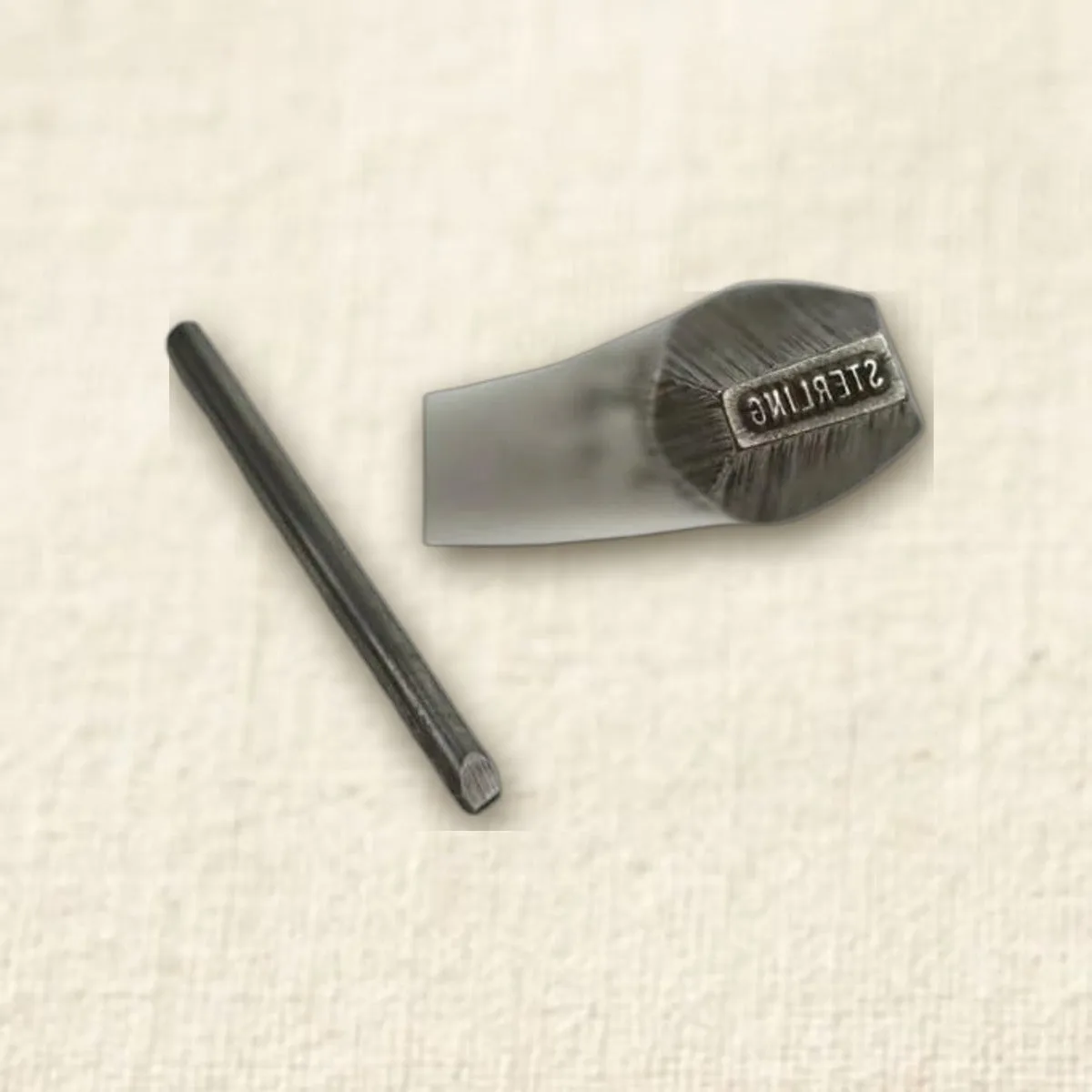
Silver Marking Punch — "STERLING" Straight Bar Metal Stamp for Hallmarking Work
-
Letter & Number Punch Stamps, 1.5 mm A–Z, 0–9 & Sign — 37-Piece Metal Set, Storage Cases: Each hardened steel punch is designed to deliver a clean, sharp impression on precious and softer metals. The 1.5 mm size is ideal for small jewellery surfaces where a full-word stamp would be too large.
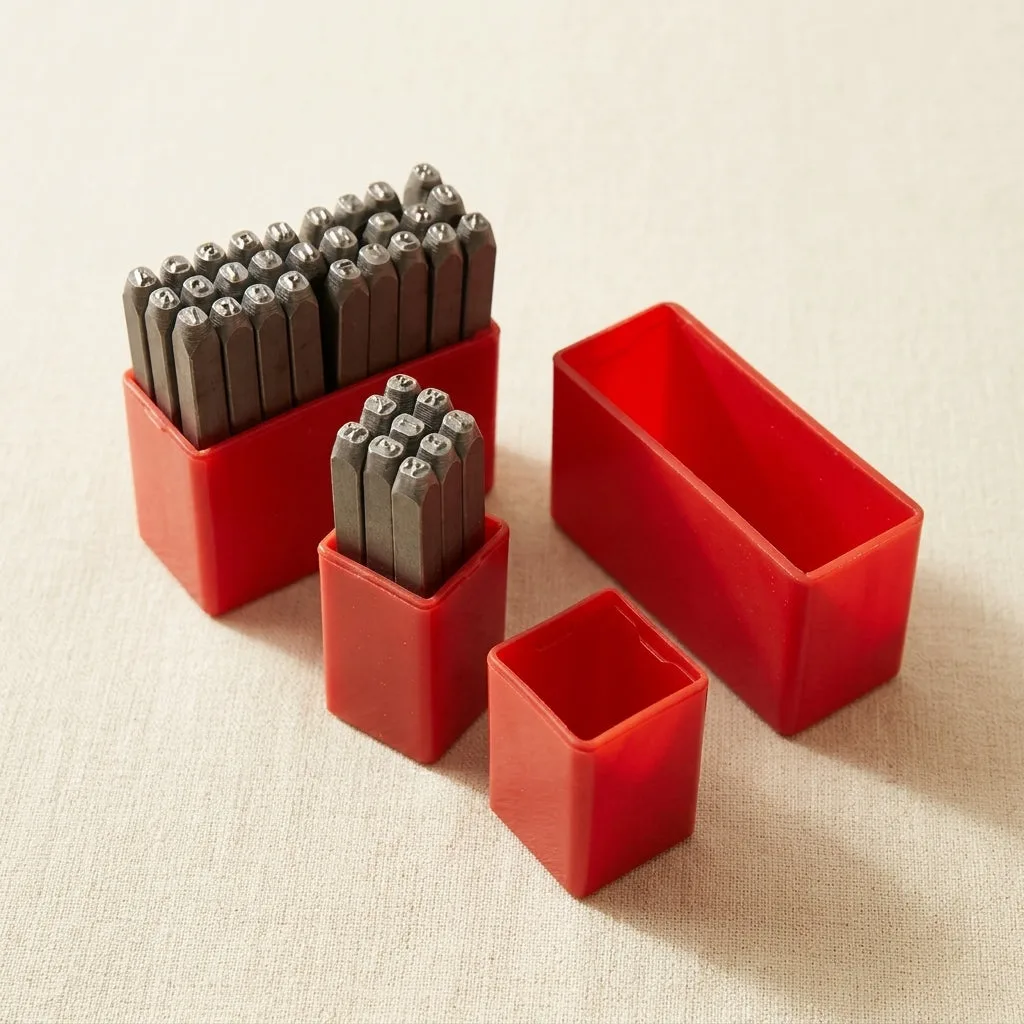
Letter & Number Punch Stamps, 1.5 mm A–Z, 0–9 & Sign — 37-Piece Metal Set, Storage Cases