The Gap Between a Strong Portfolio and a Full Client Roster
Many photographers have an amazing portfolio but still struggle to land the jobs they want. You might have been a professional photographer for years yet haven't connected with advertising agencies or international brands. That gap is not about your technical skills—it's about a missing business layer.
Starting a commercial photography business means learning how agencies and brands think, how to pitch your services, and how to scale your freelance income. This guide covers the practical steps to bridge that gap, based on real business training designed for photographers.
What Business Training for Photographers Actually Covers
-
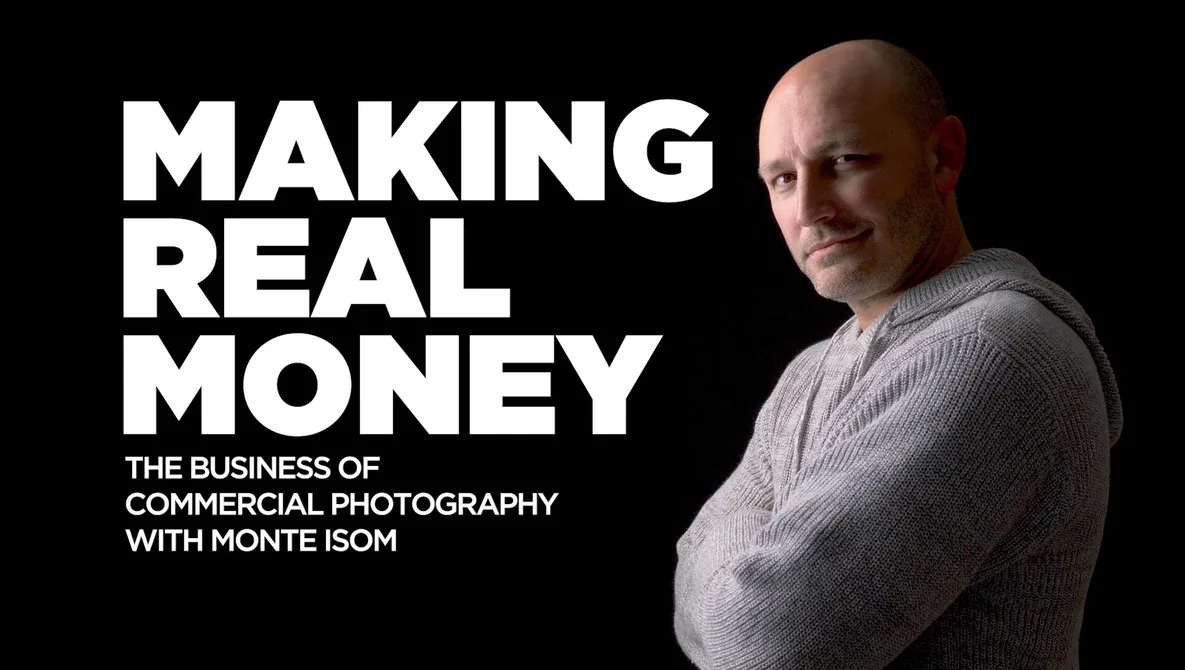
Making Real Money: The Business of Commercial Photography with Monte Isom: In Monte Isom's tutorial, Making Real Money: The Business of Commercial Photography, you get an inside look at what it takes to land work from advertising agencies, the world's largest magazines, and international campaigns. This tutorial addresses the exact problem of connecting with high-value clients, not just improving your photography.
Making Real Money: The Business of Commercial Photography with Monte Isom
-
Making Real Money: The Business of Commercial Photography with Monte Isom: The course is aimed at photographers who feel their business has plateaued and want to expand. It's designed for photographers who already have a portfolio but need the business strategy to move forward.
Step 1: Understand How Commercial Clients Buy Photography
Advertising agencies and brands don't hire based solely on image quality. They look for photographers who understand campaign goals, deadlines, budgets, and the creative brief. Your portfolio should demonstrate not just visual skill but also the ability to deliver a specific commercial vision.
Study the work of photographers who regularly shoot for agencies. Notice how their portfolios are organized around client needs, not personal projects. This shift in thinking is often the first step toward landing commercial work.
Step 2: Build a Portfolio That Speaks to Agencies
A commercial portfolio should be focused and curated for the type of work you want. Include images that show you can handle lighting, composition, and storytelling for real-world products or services. If you lack agency experience, consider shooting spec work that mimics a real campaign.
The goal is to demonstrate that you can solve a client's visual problem, not just take a beautiful photo. Agencies want to see that you understand their world.
Step 3: Learn the Business Side of Photography
Pricing, contracts, licensing, and client communication are often the biggest hurdles for photographers transitioning to commercial work. You need to know how to structure a quote that covers usage rights, how to negotiate, and how to protect yourself legally.
Formal business training for photographers, like Monte Isom's tutorial, can provide an inside look at these processes. Without this knowledge, even a strong portfolio may not translate into consistent photography income.
Step 4: Network and Pitch Strategically
Cold emailing agencies with a link to your portfolio rarely works. Instead, research the art buyers and creative directors at agencies that match your style. Attend industry events, engage on professional platforms, and ask for introductions through mutual contacts.
When you do pitch, make it about them: show how your photography solves a problem they have. A personalized approach is far more effective than a generic submission.
Step 5: Treat Your Photography as a Business, Not a Hobby
Separate your personal and business finances, set up a proper website with a clear commercial section, and develop a brand that agencies can recognize. Consistency in your work and your marketing builds trust.
The photographers who succeed in commercial work are those who invest in their business skills as much as their craft. That means taking business training seriously and applying it consistently.