Quick answer
Start your memoir journal by choosing a notebook that feels personal to you, then commit to writing small, specific memories regularly without worrying about perfection.
Why a memoir journal is different from a daily diary
A memoir journal focuses on capturing past memories and life stories, not just daily events. This shift in purpose can make the practice more meaningful and less pressured for beginners.
You don't need to write every day. Instead, focus on one memory at a time, even if it's just a few sentences. The goal is preservation, not volume.
Choosing your notebook: new or seconds?
The notebook you choose should invite you to write. For many beginners, the fear of 'ruining' a pristine journal can be a barrier.
Consider a seconds item if you want to lower that mental hurdle. Seconds products have cosmetic imperfections but are fully functional, and buying them reduces waste.
5 steps to start your memoir journal
- Choose your notebook: Pick a journal that feels comfortable and inviting. A seconds item can be a great choice because imperfections remind you that the journal is for use, not display. A common mistake is buying a journal that feels too precious to write in. Opt for something you won't be afraid to mark.
- Set a tiny, consistent goal: Commit to writing one memory per week, or even one per month. Consistency matters more than frequency for beginners. Avoid the trap of trying to journal daily. Start small to build the habit without burnout.
- Write a specific moment, not a life story: Focus on one vivid detail: a smell, a conversation, a feeling. For example, 'the way the rain sounded on the tin roof that summer afternoon.' Don't worry about chronology or completeness. A single sensory detail is enough for one entry.
- Ignore grammar and structure: Write in fragments, bullet points, or full sentences—whatever feels natural. The goal is to capture the memory, not to produce a polished essay. Perfectionism is the enemy of memoir journaling. Let go of editing until after the memory is down.
- Review and expand later: After a few entries, read back and add details you forgot. This reinforces the memory and shows you progress. Don't skip this step. Reviewing helps you see patterns and deepens your connection to your own stories.
Product spotlight
-
This Is My Story Memoir Journal Grey - SECONDS: These are seconds items and include some imperfections. We are conscious of the environmental impact of sourcing materials and the production processes, so we don’t want these items to go to waste due to (mostly)… Choosing a seconds memoir journal removes the pressure of keeping a notebook perfect, making it easier for beginners to start writing freely.
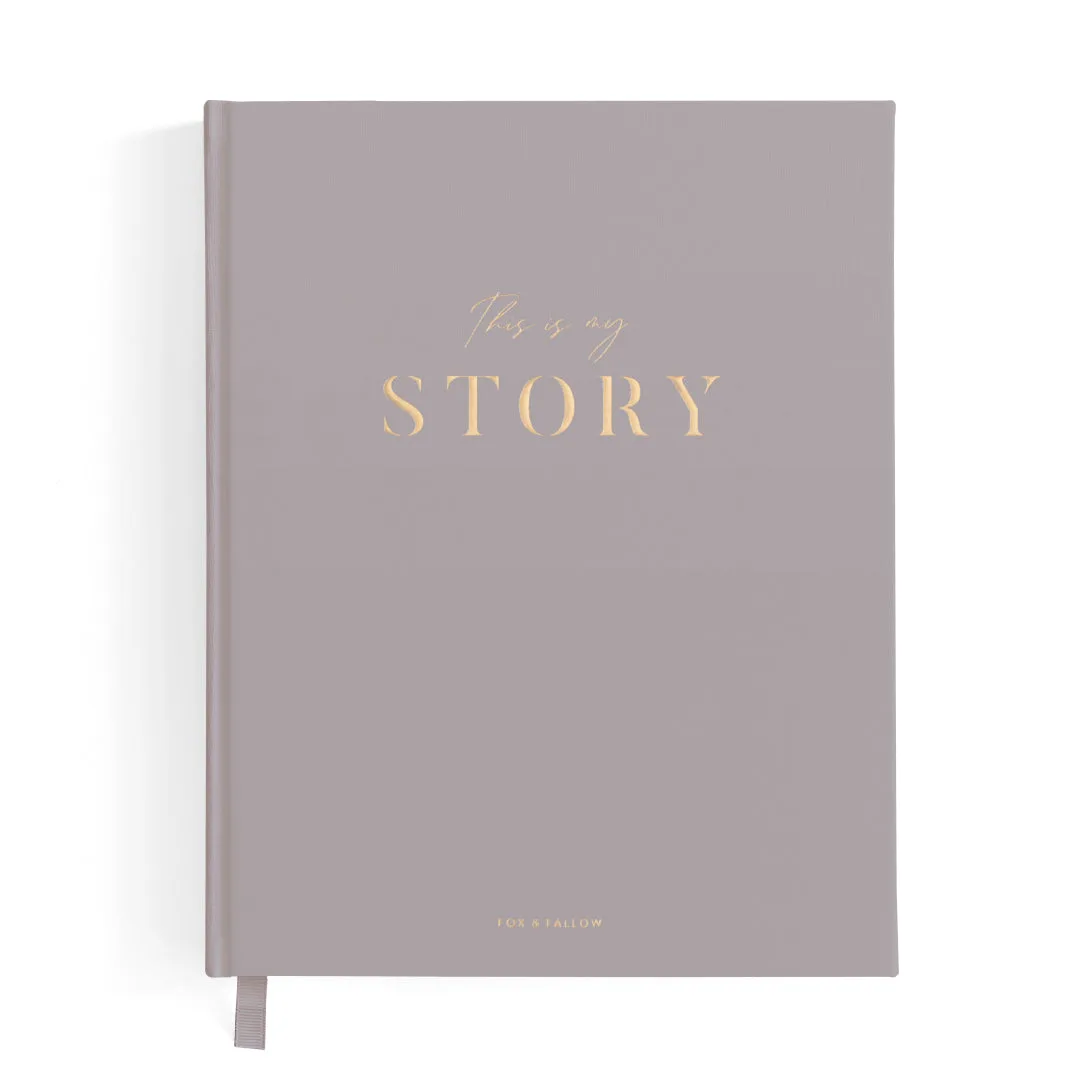
This Is My Story Memoir Journal Grey - SECONDS