Long flights are a modern marvel, whisking you across continents in hours. But they also take a toll on your body, and one of the biggest culprits is dehydration. The dry cabin air, reduced oxygen levels, and the simple fact that we often forget to drink enough water can leave you feeling sluggish, headachey, and jet-lagged before you even land. Staying hydrated during air travel isn't just about comfort—it's about helping your body function at its best so you can hit the ground running.
In this guide, we'll explore why dehydration happens on planes, how much water you really need, and the best strategies—including smart use of electrolyte powders—to keep your hydration levels balanced from takeoff to touchdown.
Why Air Travel Dehydrates You So Quickly
Airplane cabins have very low humidity—often below 20%, compared to a comfortable 30-65% on the ground. This dry air causes moisture to evaporate from your skin and respiratory tract faster than normal, leading to fluid loss. Additionally, the cabin pressure at cruising altitude (equivalent to 6,000-8,000 feet) reduces oxygen levels, which can trigger a mild diuretic effect, making you urinate more frequently. Combine this with limited access to water and the temptation to reach for coffee or alcohol (both dehydrating), and it's easy to see why many travelers feel parched after just a few hours.
The result? Fatigue, dry skin, headaches, and even worsened jet lag. Research suggests that even mild dehydration—losing just 1-2% of your body weight in fluid—can impair cognitive function and mood, exactly what you don't need when navigating a new city or preparing for a business meeting.
- Drink at least 8 ounces of water for every hour of flight time, but skip the salty snacks that increase thirst.
- Avoid excessive caffeine and alcohol, as both have mild diuretic effects that can worsen dehydration.
The Role of Electrolytes in Travel Hydration
Water alone isn't always enough to rehydrate effectively, especially on long flights. Electrolytes—minerals like sodium, potassium, and magnesium—help your body absorb and retain fluids. When you drink plain water, much of it passes through your system quickly. But when you add electrolytes, the water is drawn into your cells, where it's needed most. This is why many frequent flyers swear by adding an electrolyte powder to their water bottle before boarding.
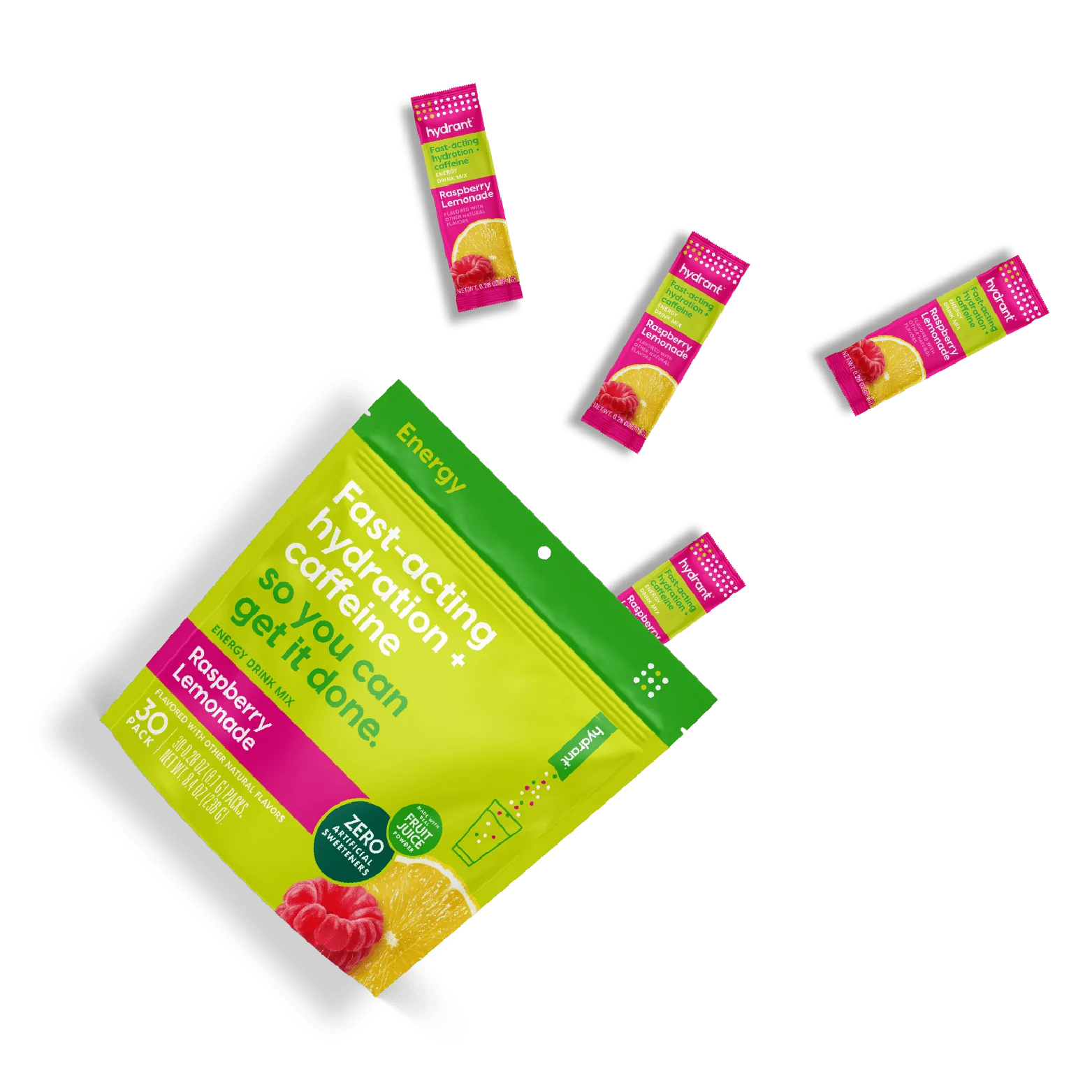
A product like Hydrant Hydrate | Rapid Hydration Mix with Electrolytes is designed specifically for this purpose. It provides a balanced ratio of electrolytes with just a hint of natural flavor, making it easy to sip throughout your flight without the sugar or artificial ingredients found in sports drinks. Simply stir a packet into your water and you'll support faster, more efficient hydration that lasts.
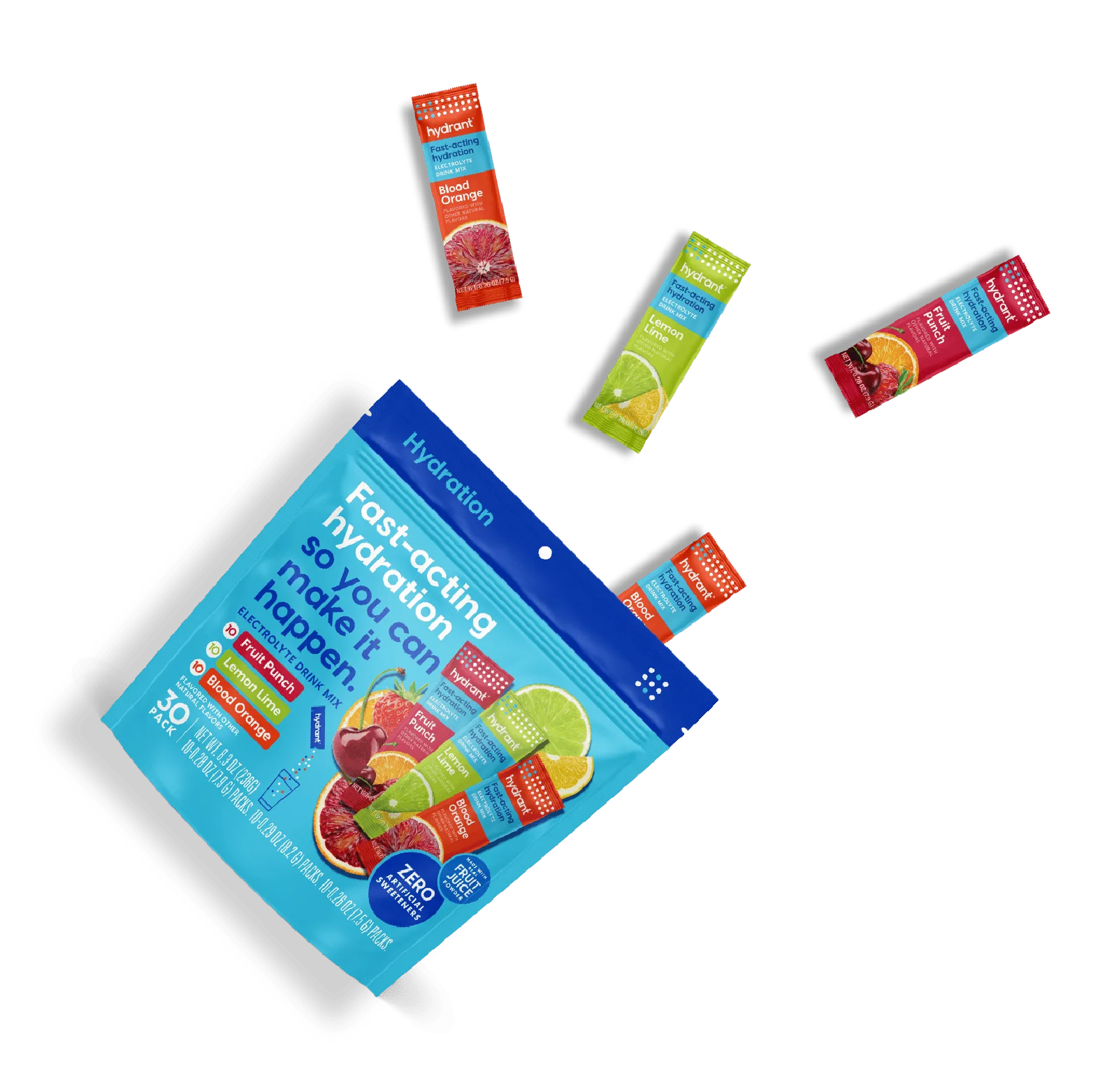
Hydrant Hydrate | Rapid Hydration Mix with Electrolytes
- Mix an electrolyte packet into your water before security (empty the bottle, then refill after passing through).
- Look for a formula with around 300-400 mg of sodium per serving to match what your body loses during travel.
Packing Smart: What to Bring for In-Flight Hydration
Preparation is key to staying hydrated on long flights. Start by bringing an empty reusable water bottle (most airports have refill stations after security) and a few single-serve electrolyte packets. These take up almost no space and can transform plain water into a hydration powerhouse. Another smart option is to pack a few packets of Unflavored Electrolyte Powder, which can be added to any beverage—even tea or juice—without altering the taste. This is particularly useful if you prefer not to drink flavored mixes or want to add electrolytes to multiple drinks throughout the day.
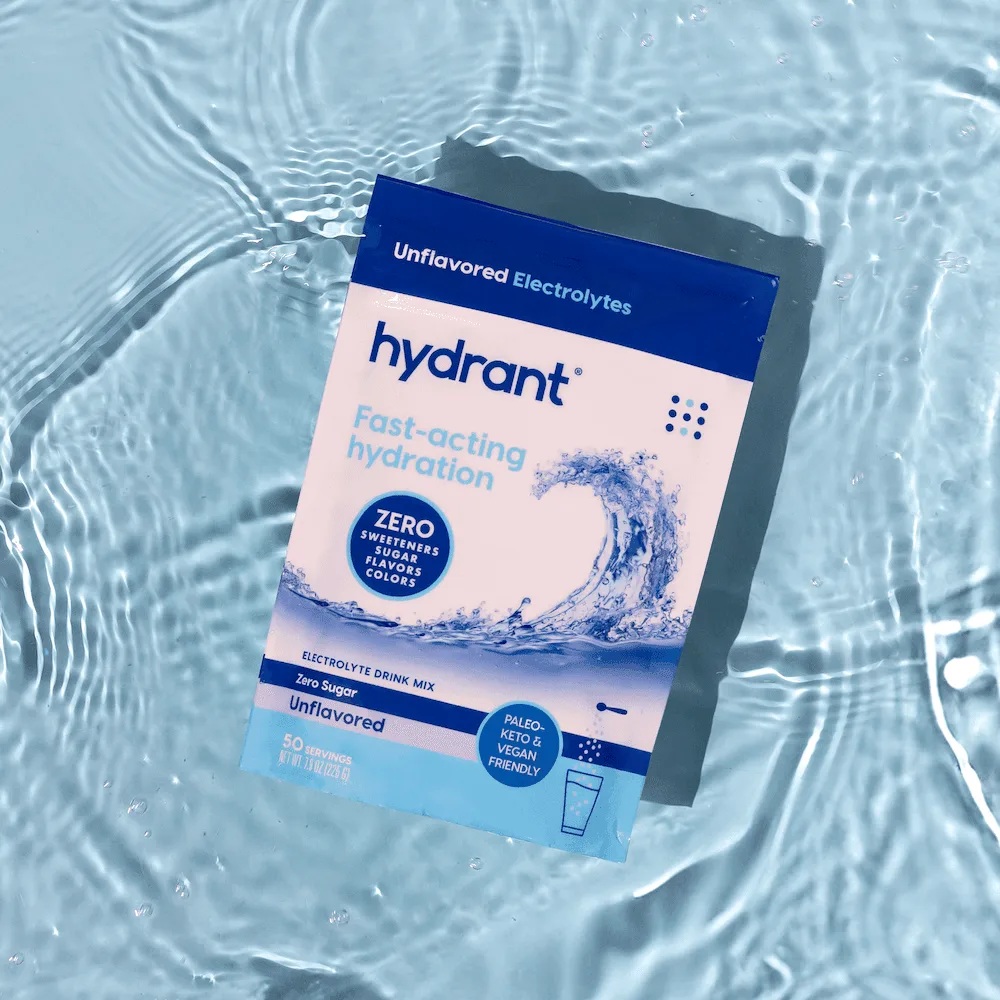
Unflavored Electrolyte Powder
For overnight or ultra-long-haul flights (8+ hours), consider bringing a small snack like nuts or fruit that contains natural water and electrolytes. And don't forget to set a reminder on your phone to take a sip every 30 minutes—it's easy to get distracted by movies or sleep.
- Pack 2-3 electrolyte packets per 6 hours of flight time.
- Choose a reusable bottle that holds at least 24 ounces to minimize refill trips.
Before, During, and After Your Flight: A Hydration Timeline
Hydration should start well before you board. Drink 16-20 ounces of water (with electrolytes) about two hours before your flight. This pre-loads your system and gives your body time to absorb the fluid. During the flight, aim for 8 ounces of water per hour, alternating with an electrolyte-enhanced drink every other hour. Avoid alcohol and limit caffeine to one small cup—if you do indulge, match each serving with an equal amount of water.
After landing, continue hydrating to help your body adjust to the new time zone and climate. If you're feeling particularly drained, a packet of Hydrant Hydrate can help rebalance your electrolytes and reduce that groggy, dehydrated feeling. Many travelers also find that staying hydrated helps minimize jet lag symptoms, as proper fluid balance supports your circadian rhythm.
- Pre-hydrate with 16-20 oz of electrolyte water 2 hours before departure.
- Post-flight: drink another 16 oz within the first hour after landing.
Common Myths About Air Travel Hydration
Myth #1: You don't need to drink extra water if you don't feel thirsty. Thirst is a late sign of dehydration—by the time you feel it, you're already behind. Sip consistently instead. Myth #2: Sports drinks are the best option. Many are loaded with sugar (20-30 grams per serving) that can cause energy crashes. Electrolyte powders like those from Hydrant contain only 1-2 grams of sugar, providing the minerals you need without the unnecessary calories. Myth #3: Coffee and tea don't count toward hydration. While they do contain water, their caffeine content can have a mild diuretic effect, so they shouldn't be your primary fluid source on a flight.
Stick to water and electrolyte drinks as your main hydration strategy, and you'll arrive feeling far more refreshed.
Special Considerations: Immune Support and Sleep on Long Flights
Long flights can also stress your immune system due to recycled air and close quarters. Adding a product like Hydrant IMMUNITY | Rapid Hydration Mix for Immune System Boost (Vitamin C, B12, B6 & Zinc) can give you a dual benefit: rapid hydration plus immune-supporting nutrients. Each serving contains more vitamin C than six oranges, along with zinc and B vitamins, which may help your body fight off germs you encounter during travel.
If you're trying to sleep on a red-eye, consider Hydrant SLEEP | Rapid Hydration Mix Cosmic. It combines electrolytes with melatonin and chamomile to help you relax and drift off, while still supporting hydration. This is a much better alternative to alcohol, which disrupts sleep quality and worsens dehydration.
- For daytime flights, use an immune support electrolyte mix to stay protected.
- For overnight flights, a sleep-focused electrolyte blend can help you rest and wake up more refreshed.
Next time you book a long flight, don't leave your hydration to chance. A little planning—packing a reusable bottle, bringing electrolyte packets, and following a simple sip schedule—can make a world of difference in how you feel when you land. Start your journey on the right foot with a product like Hydrant Hydrate | Rapid Hydration Mix with Electrolytes, designed to help you stay balanced and energized from takeoff to touchdown.