Quick answer
To stay warm without bulk, wear a thin moisture-wicking base layer, add a light fleece or thin synthetic midlayer, and finish with a packable shell or vest only when needed. Choose fabrics with high warmth-to-weight ratio and avoid cotton, which holds moisture and flattens insulation. The goal is trapping still air close to your body, not adding thickness.
Bulky clothing feels warm in the store but often leaves you sweaty and cold once you start moving. The better approach is to build warmth with thin insulation layers that trap air without restricting movement or adding pack weight.
This guide walks through the steps to create a lightweight layering system that works for hiking, commuting, or travel. You will learn which fabrics to choose, how to adjust for activity level, and the mistakes that make thin layers perform like thick ones.
Step 1: Start with a thin, moisture-wicking base layer
Your base layer manages sweat, not warmth. A thin merino wool or synthetic tee moves moisture away from your skin so the next layer can trap dry air. If your base layer stays wet, no amount of insulation will keep you warm because water conducts heat away from your body.
Look for a snug but not tight fit. Loose fabric creates gaps that reduce moisture transfer, while overly tight fabric restricts circulation. For most three-season activities, a light merino tee like the M's Activist Tee works because it ventilates and dries quickly, keeping you warm in winter and cool in summer.
- Checkpoint: After 15 minutes of activity, your base layer should feel slightly damp, not soaked. If it is soaked, you are wearing too much insulation or a fabric that does not wick.
Step 2: Add a thin midlayer for warmth
The midlayer is where thin insulation does its job. Fleece or lightweight synthetic fill traps air without adding much weight. Power Stretch Pro fleece, used in the Wrap Around L blanket, is a good example of a fabric that is soft, warm, and nearly indestructible. A thin fleece or full-zip sweater adds warmth that you can vent quickly when you heat up.
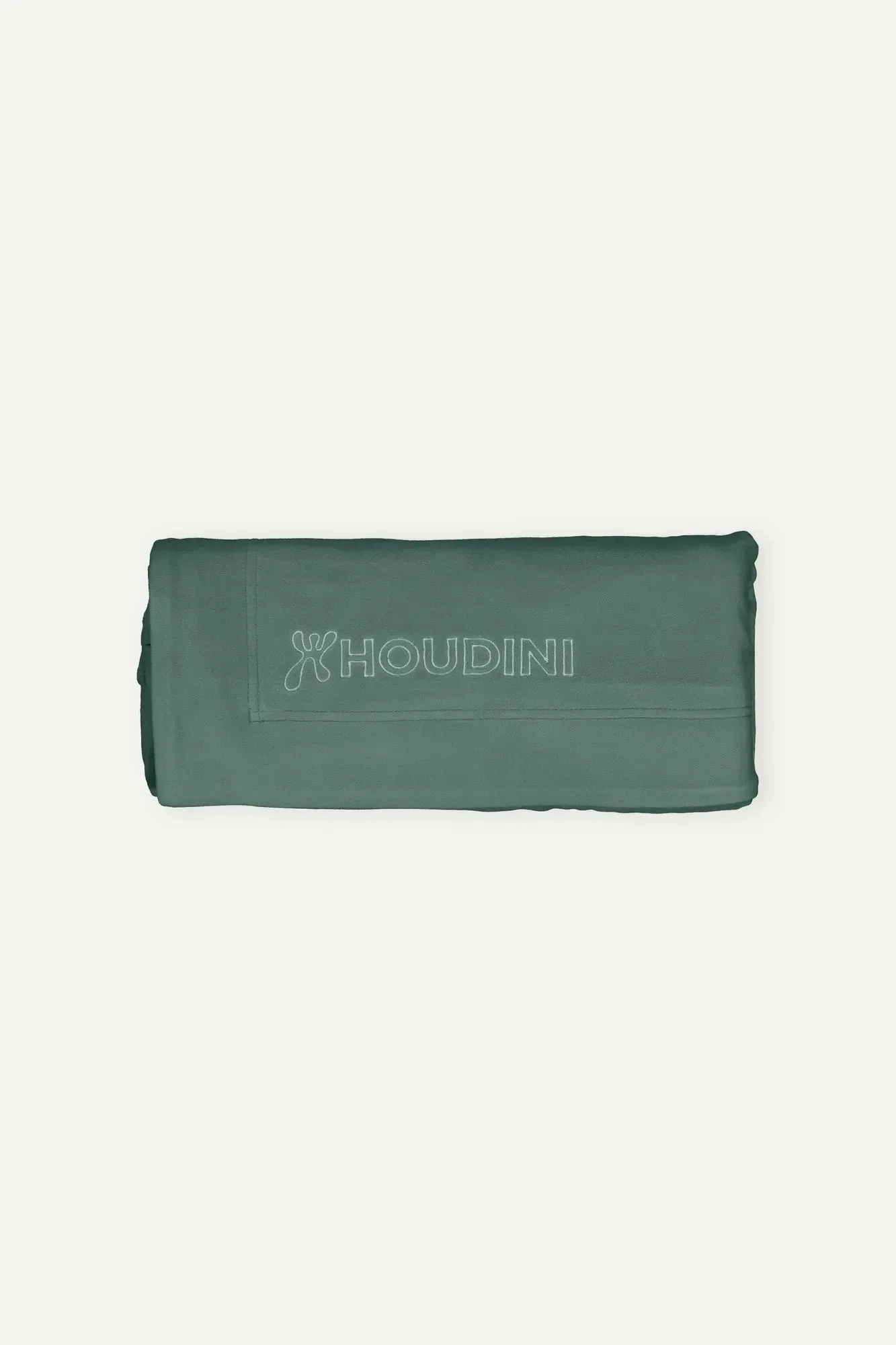
Wrap Around L
Avoid cotton hoodies or thick pile fleece for active use. They hold moisture and take forever to dry. Instead, choose a midlayer with a smooth face that slides under a shell and a brushed interior that feels comfortable against the skin.
- Common mistake: Wearing a midlayer that is too thick. If you are sweaty within 10 minutes, switch to a thinner layer or open the zipper.
Step 3: Use a packable shell or vest to block wind and rain
Wind strips away the warm air your layers have trapped. A thin, waterproof shell like the M's BFF Jacket II adds weather protection without bulk. Its thin, soft, stretchy fabric makes it a year-round companion for hiking, paddling, or skiing. If you only need wind resistance, a lightweight vest can be enough.
The shell should fit over your midlayer without compressing it. If it squeezes the insulation, you lose the air pockets that keep you warm. Look for pit zips or easy ventilation so you can dump heat during hard efforts.
- Checkpoint: With your shell on, you should be able to pinch an inch of fabric at your chest. If not, size up or remove a layer.
Step 4: Adjust layers as your activity level changes
Thin insulation works best when you manage it dynamically. Start slightly cool, then add or remove layers as your body heat rises. If you are hiking uphill, you may only need a base layer and a thin midlayer. On descents or breaks, add the shell or a lightweight warm jacket like the M's Power Up Jacket, which uses a relaxed fit and no hood for easy layering.
For high-output activities, consider a thin thermal layer next to skin and a windproof vest. This combination blocks wind on your core while letting heat escape from your arms. Always carry a lightweight warm layer in your pack for emergencies or sudden stops.
- Common mistake: Dressing for the start of the hike. You will overheat in 10 minutes. Instead, dress for 10 minutes in.
Step 5: Choose fabrics with high warmth-to-weight ratio
Not all thin fabrics are equal. Merino wool offers warmth even when damp, resists odor, and regulates temperature. Synthetic insulations like Primaloft® Rise, used in the M's Bouncer Jacket, provide warmth with minimal weight and dry quickly. Fleece like Power Stretch Pro is durable and breathable but not windproof on its own.
Avoid heavy cotton or dense wool sweaters for active layering. They are bulky, slow to dry, and trap sweat. Instead, look for fabrics that are thin, packable, and designed to work together. The M's The Orange Pants, for example, are fully waterproof and pack down to the size of an orange, showing how thin materials can replace bulky ones.
- Checkpoint: Pack your layers. If they take up more than a third of your daypack, you are carrying too much bulk.
Your step-by-step thin layering checklist
- 1. Choose a thin, wicking base layer: Pick merino or synthetic fabric that moves sweat away from skin. Avoid cotton. Ensure a snug but not tight fit. Checkpoint: After 15 minutes of activity, the base layer should be damp, not soaked.
- 2. Add a thin midlayer for insulation: Use a light fleece or thin synthetic jacket that traps air. Make sure it fits under your shell without compressing. Common mistake: Wearing a midlayer that is too thick, causing overheating.
- 3. Top with a packable shell or vest: Block wind and rain with a thin, breathable shell. Vent it when you heat up. A vest works if you only need core protection. Checkpoint: You should be able to pinch an inch of fabric at your chest when the shell is on.
- 4. Adjust layers as you move: Start slightly cool and add or remove layers as your body heat changes. Carry a lightweight warm layer for breaks. Common mistake: Dressing for the trailhead instead of for 10 minutes into the hike.
- 5. Pick high warmth-to-weight fabrics: Choose merino, Primaloft, or Power Stretch Pro fleece. Avoid heavy cotton or dense wool. Test packability. Checkpoint: Your layers should take up less than a third of your daypack.
Thin insulation in practice: Houdini examples
- M's Activist Tee: A super-comfortable merino wool tee that ventilates and dries quickly, providing a layer of perfectly tempered air to keep you warm in winter and cool in summer. A thin merino base layer manages moisture so your midlayer can trap dry air, which is the core of staying warm without bulk.
- M's Power Up Jacket: Based on the classic Power Houdi, it removes the hood and uses a slightly relaxed fit, making it easy to layer according to the layer-on-layer principle. A hoodless, relaxed midlayer adds warmth without bulk and slides easily under a shell, so you can adjust insulation as your activity changes.
- M's BFF Jacket II: A waterproof shell jacket with good breathability in a minimalist design. The fabric is thin, soft, and stretchy, making it a perfect adventure companion year-round. A thin shell blocks wind and rain without compressing your insulation, so your thin layers keep working even in bad weather.
Staying warm without bulk comes down to managing air, moisture, and wind with thin layers that work together. Start with a wicking base, add a light midlayer, and block the weather with a packable shell. Adjust as you go, and you will stay comfortable without the weight.