Quick answer
To sterilize a pacifier case, you can use a microwave steam sterilizer bag, boil it in water for 5 minutes, or use a steam sterilizer. Always check the manufacturer's instructions first, as not all cases are heat-safe. The Ninni Co. Pacifier Case is made of BPA-free silicone, which is generally safe for all three methods.
Keeping your baby's pacifier clean is essential for their health, and that includes the case that protects it. A dirty pacifier case can harbor germs and undo all your efforts to keep the pacifier sterile. In this guide, we'll walk you through three effective methods to sterilize a pacifier case: microwave, boiling, and steam.
Each method has its pros and cons, and the right choice depends on your time, equipment, and the material of your case. We'll also share safety tips and common mistakes to avoid, so you can keep your baby's accessories hygienic without stress.
Why Sterilize a Pacifier Case?
A pacifier case is designed to keep the pacifier clean when not in use, but it can also collect dust, saliva, and bacteria over time. Regular cleaning and sterilization are necessary to maintain a hygienic environment for your baby's pacifier.
Sterilizing the case is especially important for newborns and infants with developing immune systems. It's a simple step that adds an extra layer of protection against germs that could cause infections or digestive issues.
- Sterilize the case at least once a day, or more often if your baby is sick or the case gets visibly dirty.
- Always wash the case with soap and water before sterilizing to remove any residue.
Method 1: Microwave Sterilization
Microwave sterilization is the quickest method, taking only a few minutes. You'll need a microwave-safe container or a steam sterilizer bag. Place the pacifier case inside, add a small amount of water (if using a bag, follow the bag's instructions), and microwave for the recommended time—usually 2-5 minutes.
This method is convenient for busy parents, but not all cases are microwave-safe. Always check the manufacturer's guidelines. For example, the Ninni Co. Pacifier Case is made of BPA-free silicone, which is generally microwave-safe, but it's always best to confirm.
- Never microwave a case with metal parts or clips.
- Let the case cool completely before handling to avoid burns.
Method 2: Boiling in Water
Boiling is a traditional and reliable method. Fill a pot with water, bring it to a rolling boil, and submerge the pacifier case for at least 5 minutes. Use tongs to place and remove the case to avoid burns.
Boiling is effective and doesn't require special equipment, but it can cause wear over time, especially for silicone. Check if your case is boil-safe; most BPA-free silicone cases are, but some plastics may warp.
- Ensure the case is fully submerged and doesn't touch the bottom of the pot to prevent melting.
- After boiling, place the case on a clean, dry towel to air dry.
Method 3: Steam Sterilization
Steam sterilizers, whether electric or microwave-based, use hot steam to kill germs without submerging the case in water. This method is gentle on materials and often faster than boiling.
Simply place the pacifier case in the sterilizer, add the required amount of water, and run the cycle. This is a great option if you already own a baby bottle sterilizer, as most are compatible with small accessories like pacifier cases.
- Follow the sterilizer's instructions for water amount and cycle time.
- Allow the case to cool before removing it from the sterilizer.
Step-by-Step Sterilization Routine
- Step 1: Clean the case: Wash the pacifier case with warm soapy water and a soft brush to remove any debris or residue. Rinse thoroughly. Always start with a clean case to ensure sterilization is effective.
- Step 2: Choose your method: Select microwave, boiling, or steam based on your equipment and the case's material. Check the manufacturer's instructions for compatibility. When in doubt, consult the product label or website.
- Step 3: Sterilize: Follow the specific steps for your chosen method, ensuring the case is properly exposed to heat or steam for the recommended time. Never leave the case unattended during sterilization.
- Step 4: Cool and dry: Allow the case to cool completely on a clean surface or towel. Ensure it is completely dry before storing the pacifier inside. Moisture can promote bacterial growth, so dry thoroughly.
- Step 5: Store properly: Once dry, place the pacifier in the case and store it in a clean, dry place away from direct sunlight. A clean case keeps the pacifier clean and ready for use.
Product Facts
- Pacifier Case - Slate Gray: This case is crafted from high-quality, BPA-free silicone for easy cleaning and exceptional durability. It features a secure zipper closure to keep pacifiers safe and shielded from dirt. BPA-free silicone is a safe material for sterilization and is easy to clean, making it a practical choice for parents who prioritize hygiene.
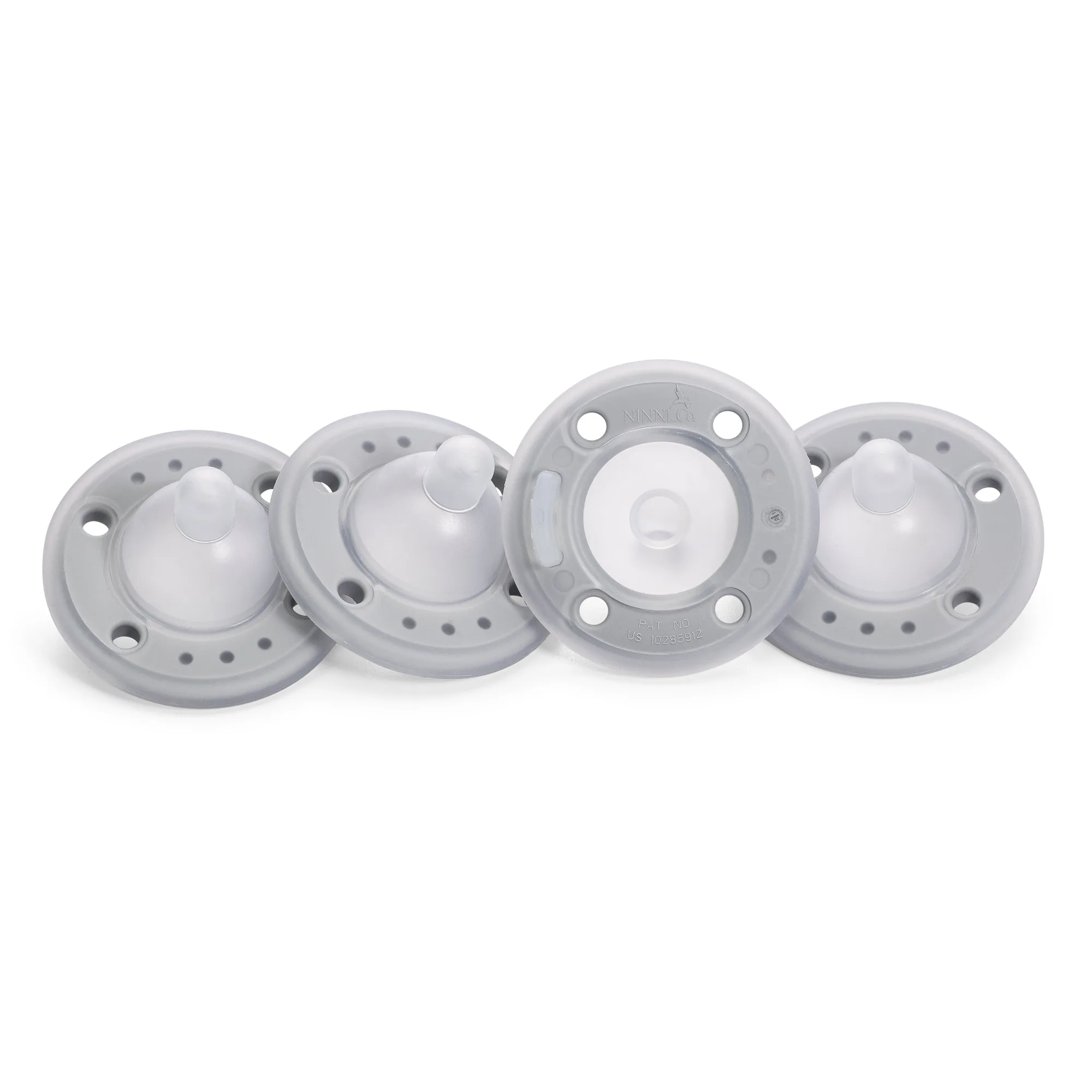
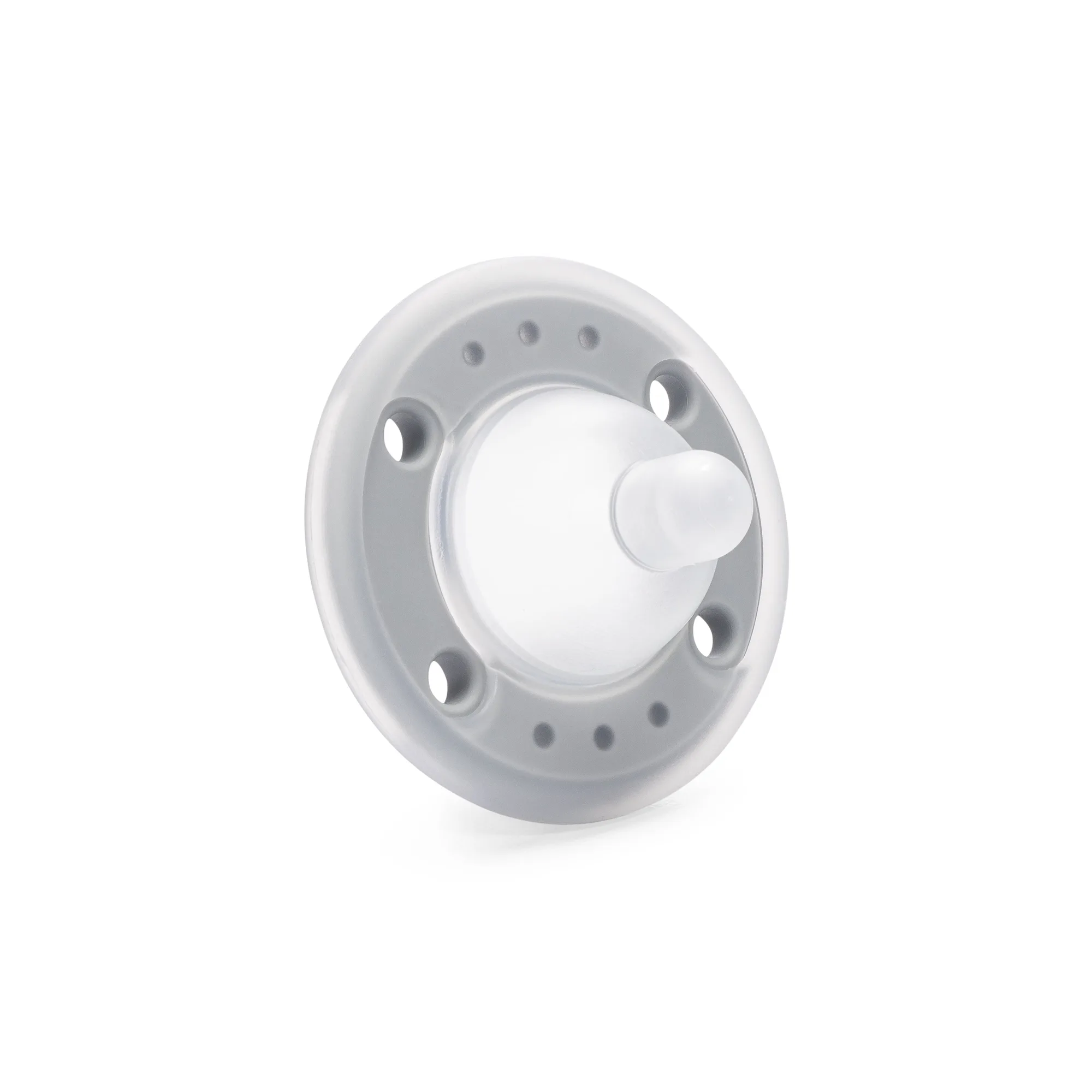
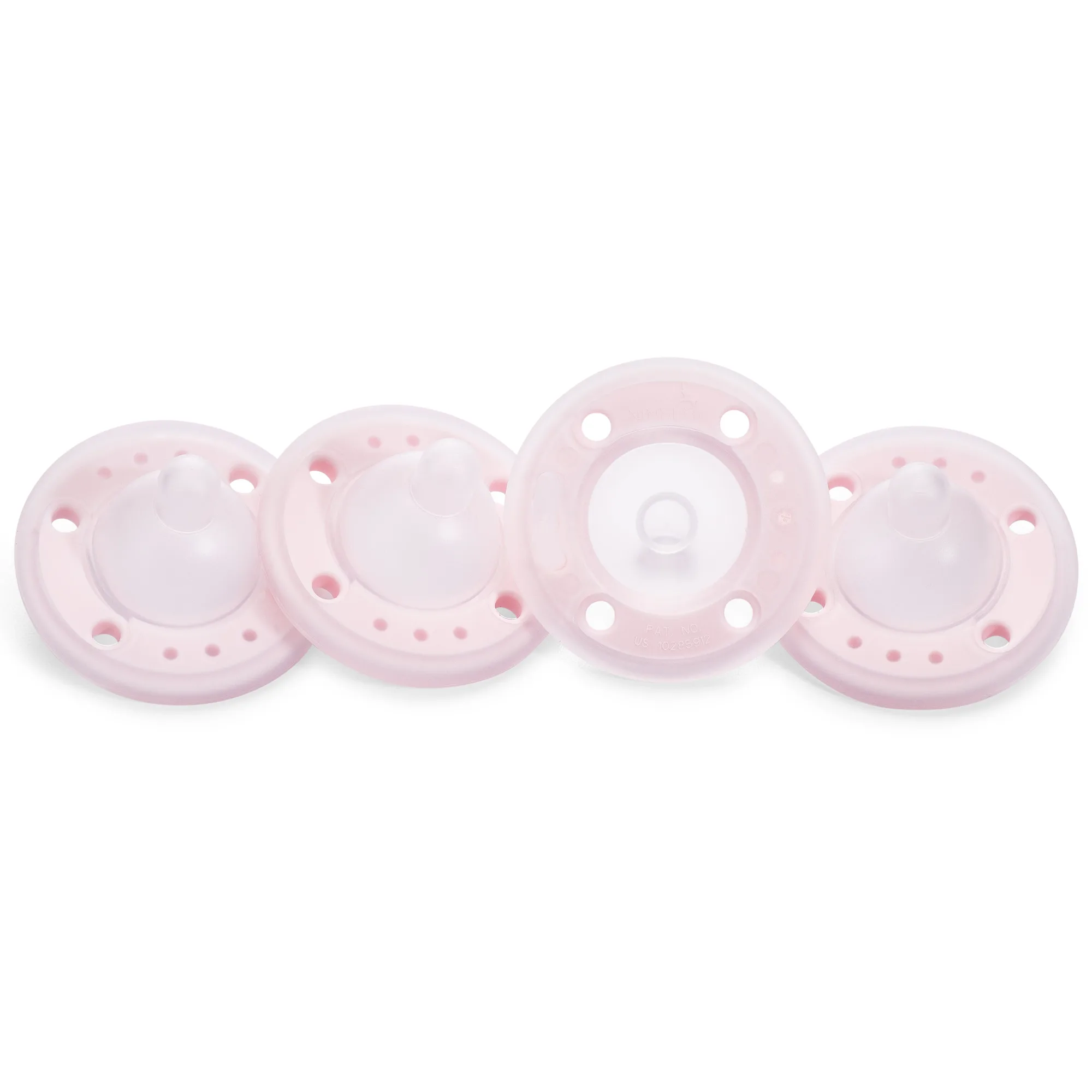
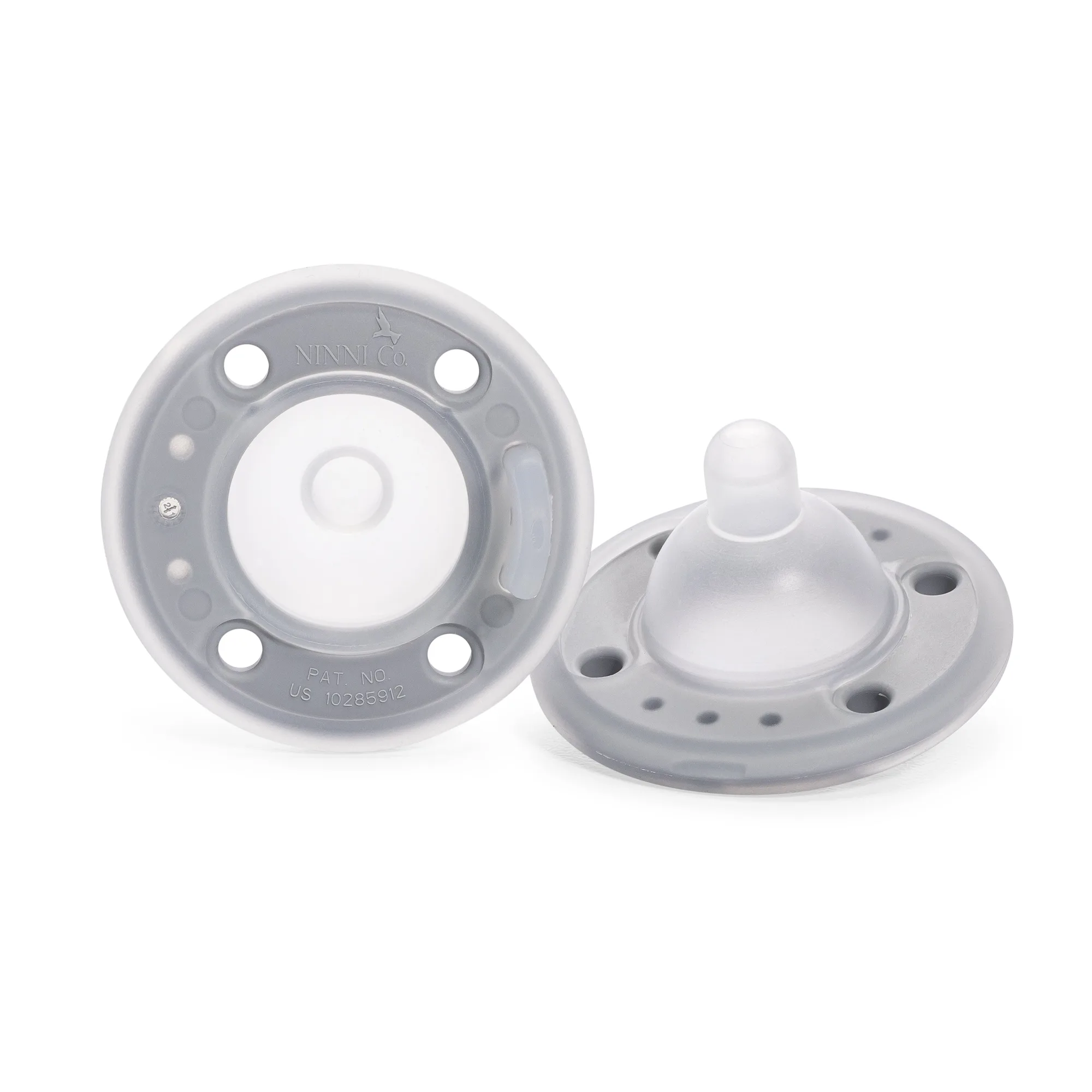
- Ninni Pacifier Frost 2 Pack: These breast-like pacifiers support a natural latch and feature multiple air holes for breathing safety. The soft, graspable nipple encourages proper oral development. Pairing a hygienic pacifier case with a well-designed pacifier ensures both cleanliness and comfort for your baby.
Sterilizing your pacifier case doesn't have to be complicated. Whether you choose microwave, boiling, or steam, the key is consistency and following safety guidelines. With the right method, you can ensure your baby's pacifier stays clean and safe, giving you peace of mind.