Quick answer
Stop cake tins from rusting by hand-washing and drying them immediately after every use, never soaking them, and storing them with a dry tea towel or paper towel between stacked tins. If you see a rust spot, remove it with a paste of baking soda and water, dry thoroughly, and season the area with a thin layer of neutral oil. Tins with deep pitting or flaking coating should be replaced.
Why cake tins rust in the first place
Most cake tins are made from steel or tinplate that is coated to resist moisture. Rust appears when water sits on an exposed edge, scratch, or seam long enough to break through that coating. The two biggest culprits are soaking tins in the sink and stacking them while still damp. Even a small amount of trapped moisture between two tins can start a rust ring overnight.
Dishwasher heat and detergent also strip protective coatings faster than hand-washing. If your tin has a non-stick or painted finish, repeated dishwasher cycles can create tiny cracks where water collects.
Daily care: wash, dry, and store the right way
Hand-wash your cake tin with warm water, a mild dish soap, and a soft sponge. Avoid abrasive scouring pads and steel wool, which scratch the surface and create new places for rust to start. Rinse quickly, then dry immediately with a clean towel. Let the tin air-dry completely on a rack before putting it away — even a few minutes of airflow helps.
For storage, place a paper towel or thin cloth between stacked tins to absorb any lingering moisture. Keep tins in a dry cupboard, not under the sink or near the dishwasher where steam lingers. If you live in a humid climate, a small silica gel packet in the storage area can help.
How to remove early rust spots
If you catch rust early — just a light orange film — you can often remove it. Make a paste of baking soda and a little water, apply it to the spot with a soft cloth, and rub gently. For slightly stubborn spots, use a paste of cream of tartar and lemon juice. Rinse well and dry the tin completely.
After removing rust, season the area by rubbing a very thin layer of neutral oil (like vegetable or coconut oil) onto the clean, dry metal. Wipe off any excess. This oil barrier helps slow future rust. Do not use this method on tins with a decorative painted exterior, as oil can damage the finish.
When to stop trying to fix it
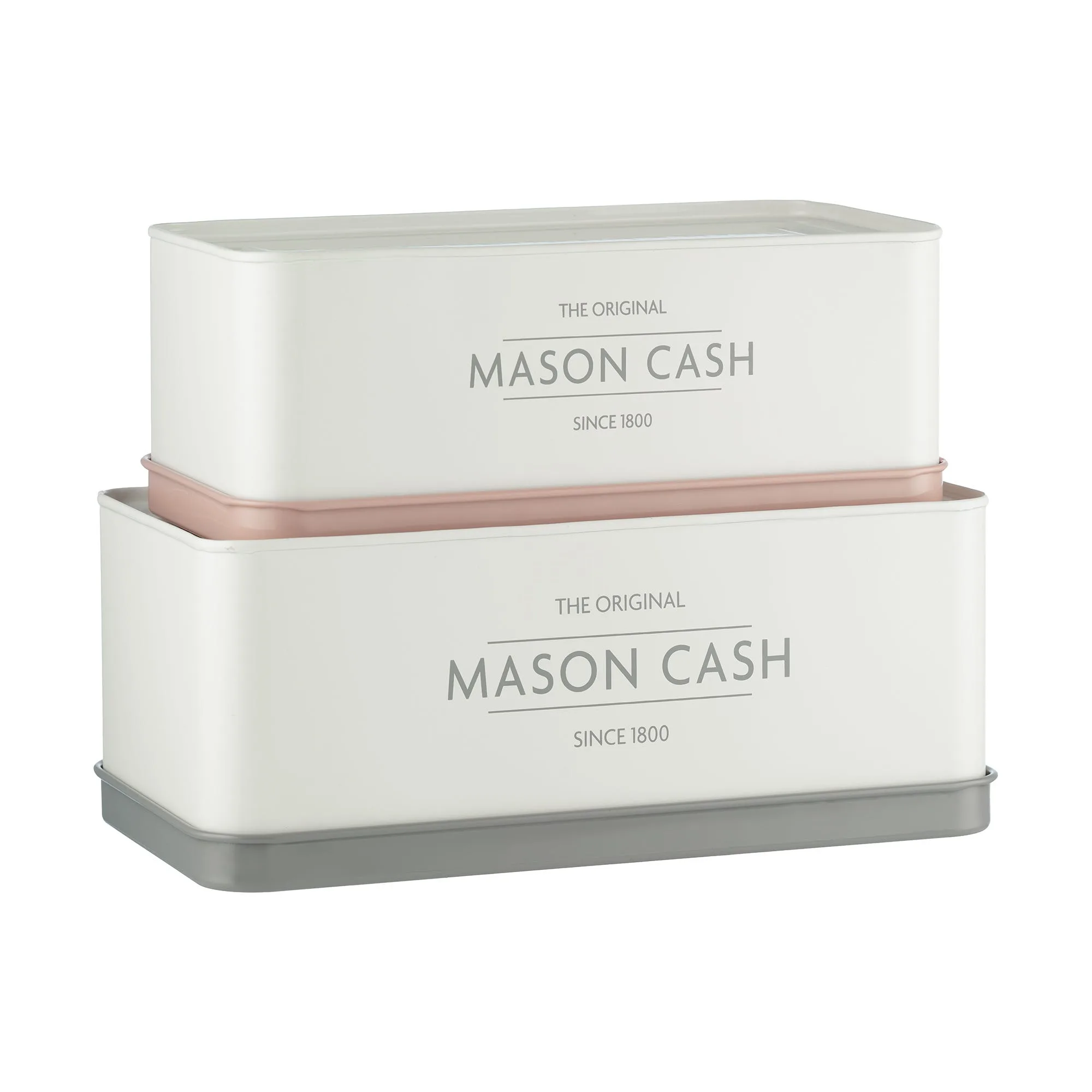
If the rust has caused deep pitting, flaking metal, or a rough, bubbled surface, the tin is no longer safe for baking. Rust that has eaten into the metal can leave flakes in your cake and the structural weakness may cause the tin to warp. At that point, replacement is the better choice. Mason Cash Heritage Set of 2 Cake Tins offers a classic design that suits any kitchen and helps keep your worktop organised, making it a practical replacement when a tin is beyond saving.
Diagnosis: match the symptom to the fix
- Light orange film on the surface: This is early surface rust, usually from a single damp storage incident. Wash with mild soap, dry immediately, then remove the film with a baking soda paste. Rinse and dry fully before storing. Fixable at home — act as soon as you spot it.
- Rust along seams or rolled edges: Water gets trapped in these tight spaces and is hard to dry. After washing, tilt the tin so water drains out, then dry with a towel and let it air-dry completely before storing. A hair dryer on a cool setting can help force out hidden moisture. Preventable with thorough drying, but recurring rust here means the coating is worn.
- Deep pitting, flaking metal, or rough bubbled surface: The rust has compromised the metal itself. Cleaning will not restore it, and flakes can end up in your bake. This is the point to stop repairing and replace the tin. Choose a new tin — Mason Cash Heritage Set of 2 Cake Tins is a durable, classic option.
Product facts
- Mason Cash Heritage Set of 2 Cake Tins: The Mason Cash Heritage Set of 2 Cake Tins features a classic design which will suit any kitchen. The storage is practical and will keep the kitchen worktop organised. These tins are designed for dry storage, so pairing them with proper drying habits helps prevent rust and keeps your worktop tidy.