Quick answer
Leggings that roll down at the waist usually mean the size is too big, the fabric lacks enough compression, or the waistband isn't sitting at your natural waist. Start by checking the size and rise, then look for a compressive high-rise style that stays put. If the waistband still folds after those fixes, the legging isn't the right match for your body or activity.
Check the size first: too-big leggings slip
A waistband that slides down is often a sizing issue. When leggings are too big, the fabric can't grip your waist, and any movement—walking, squatting, or sitting—pushes them down. Before trying any other fix, measure your waist and hips and compare them to the brand's size chart. If you're between sizes, size down for a compressive fit, but avoid sizing down so much that the waistband digs in or the fabric turns sheer when you bend.
Pay attention to where the waistband sits. High-rise leggings are designed to sit at or above your natural waist, the narrowest part of your torso. If you pull them lower, they'll roll. Put them on and check in a mirror: the waistband should stay level, not fold over, when you move.
Fabric and compression matter more than you think
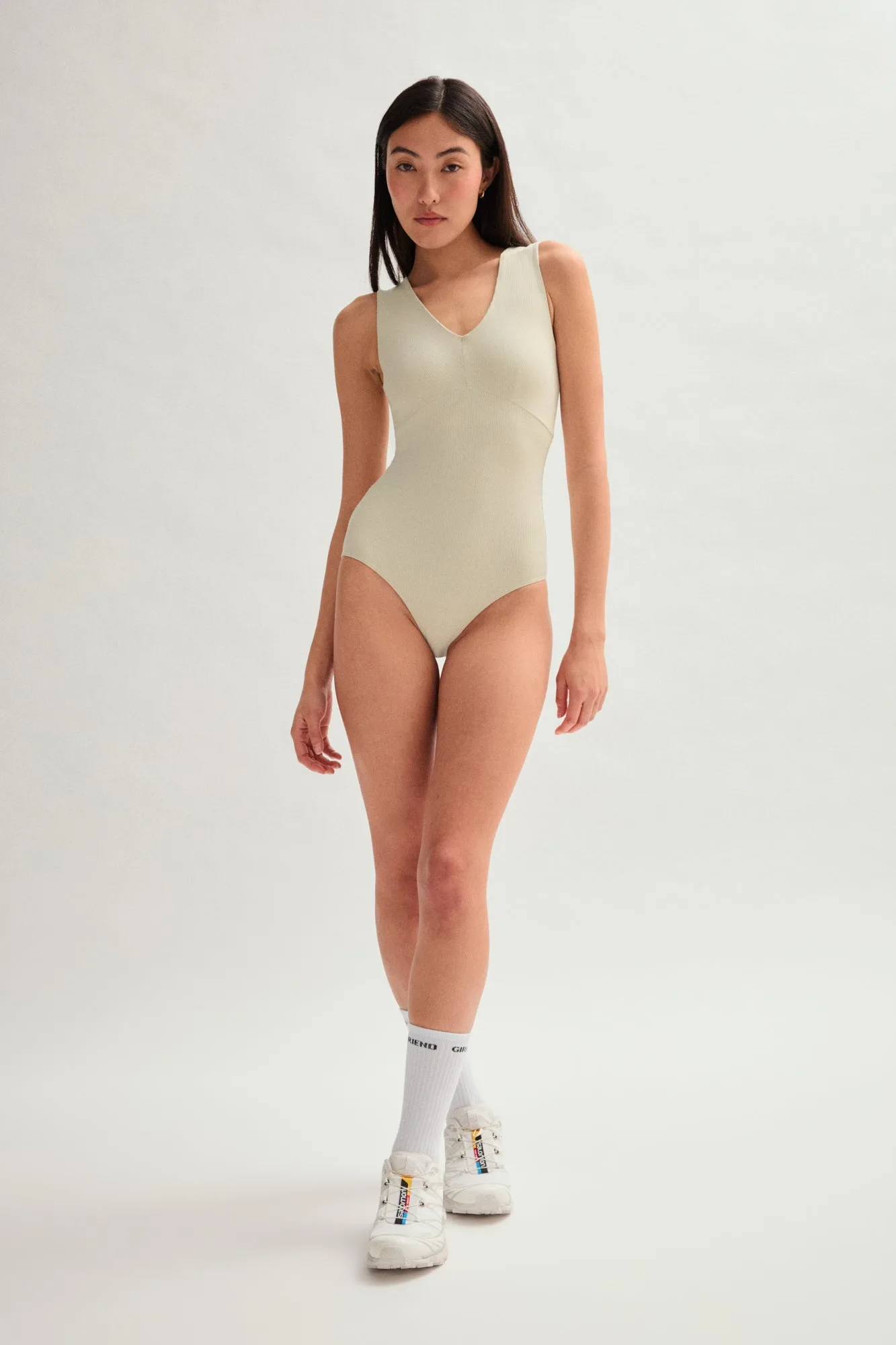
Not all leggings are built to stay put. Compressive fabrics—like those in Girlfriend Collective's compressive essentials—offer a supportive, secure feel that helps the waistband hold its shape. If your leggings are made of a thin, stretchy material with little compression, they're more likely to slip and roll, especially during high-movement activities.
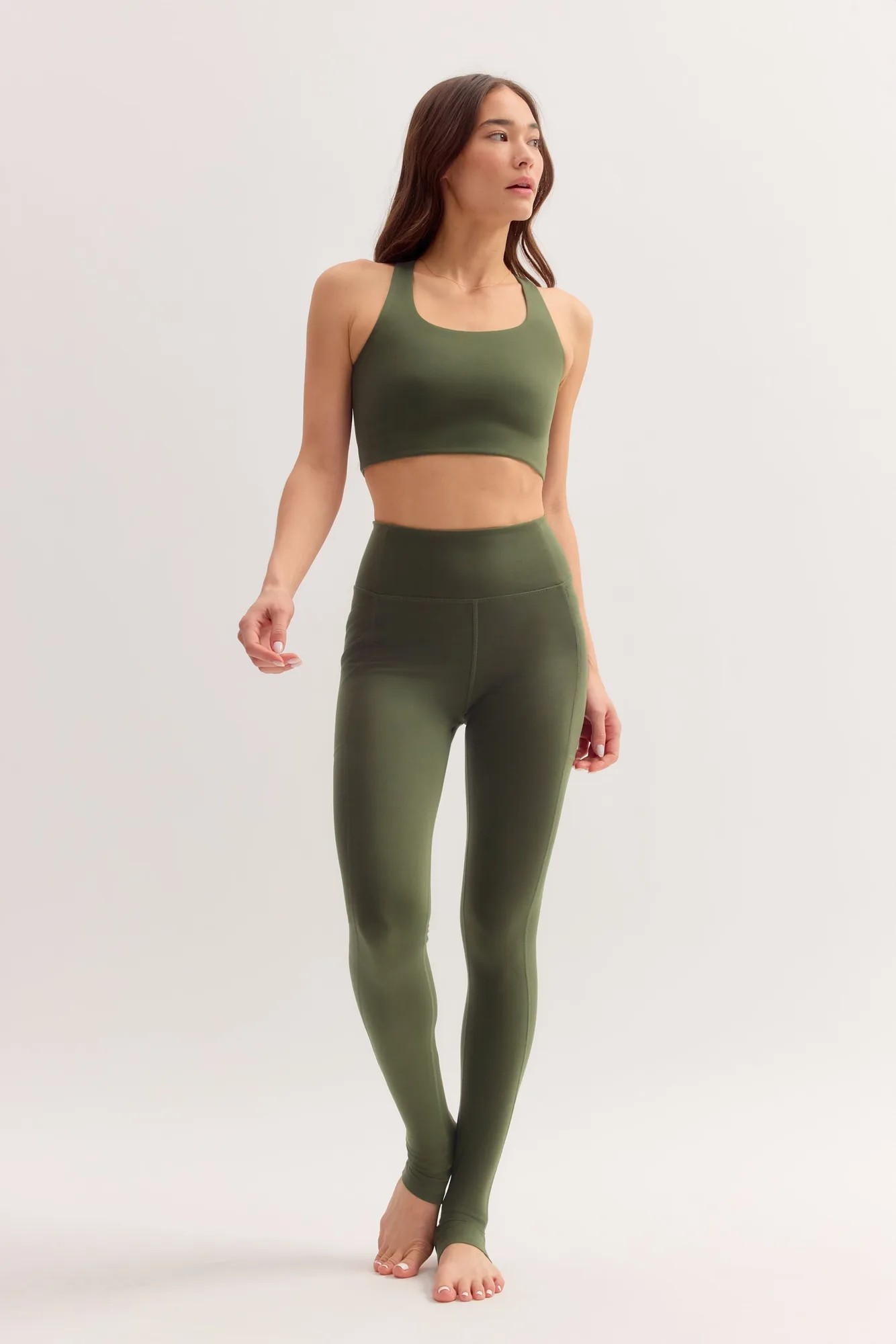
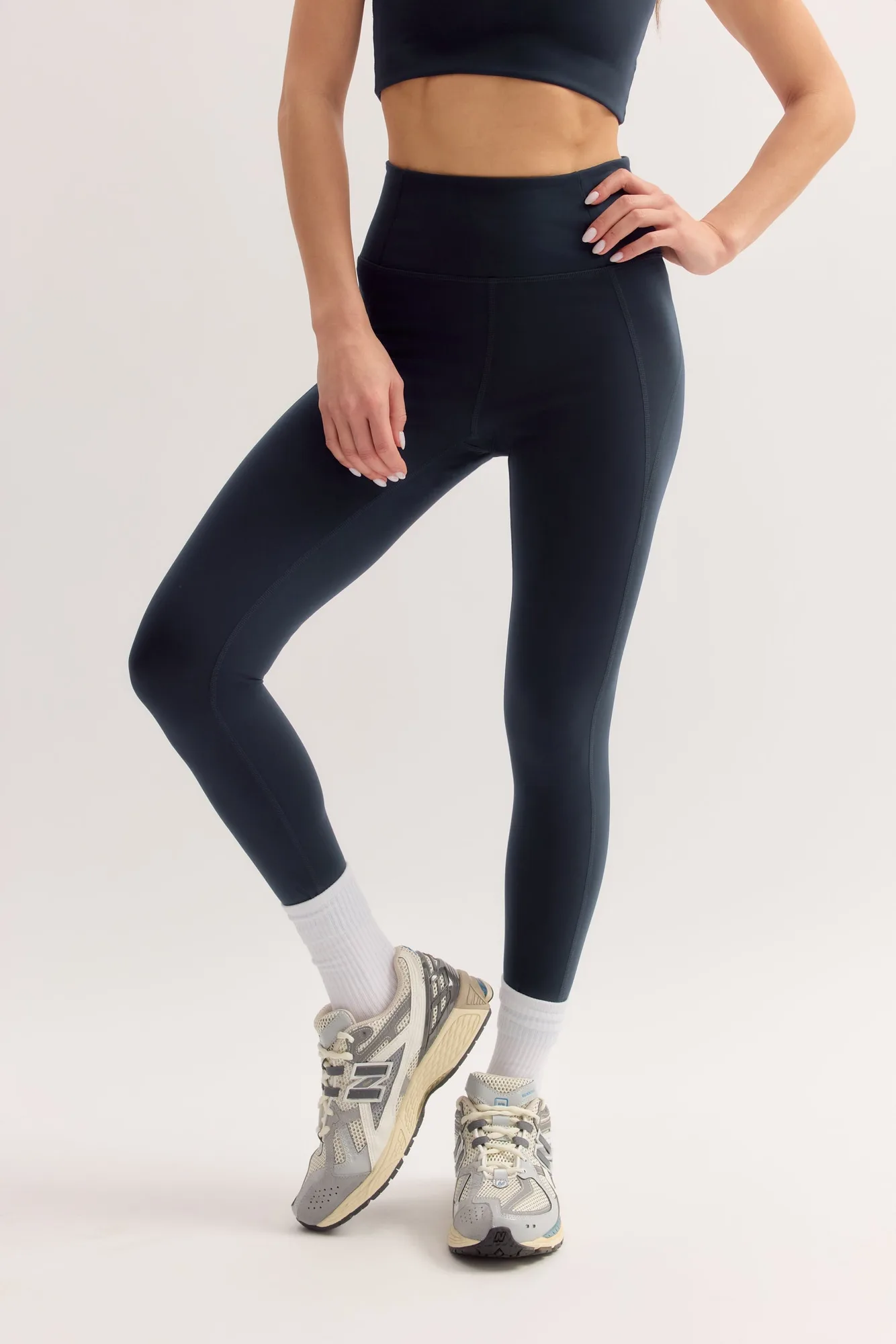
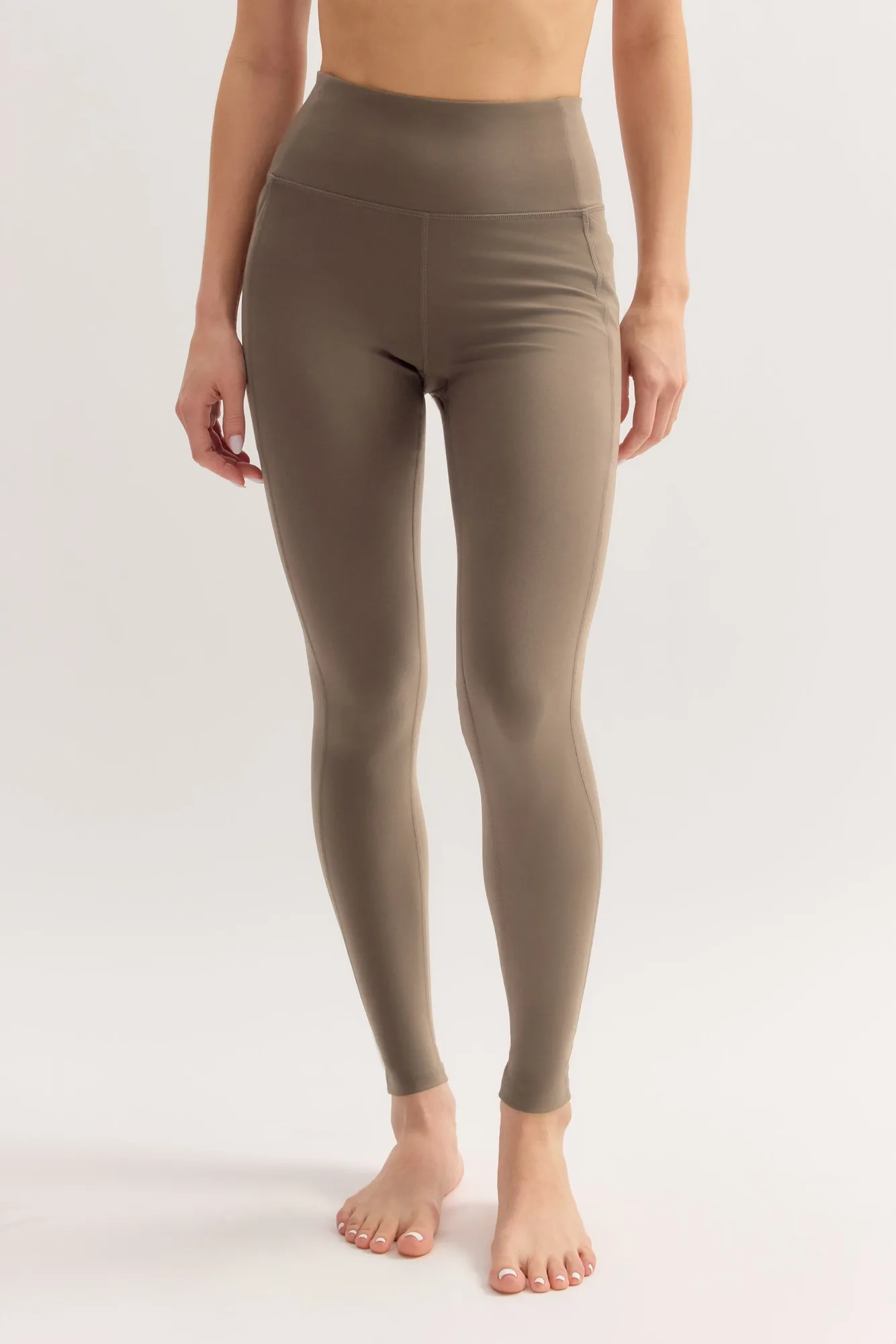
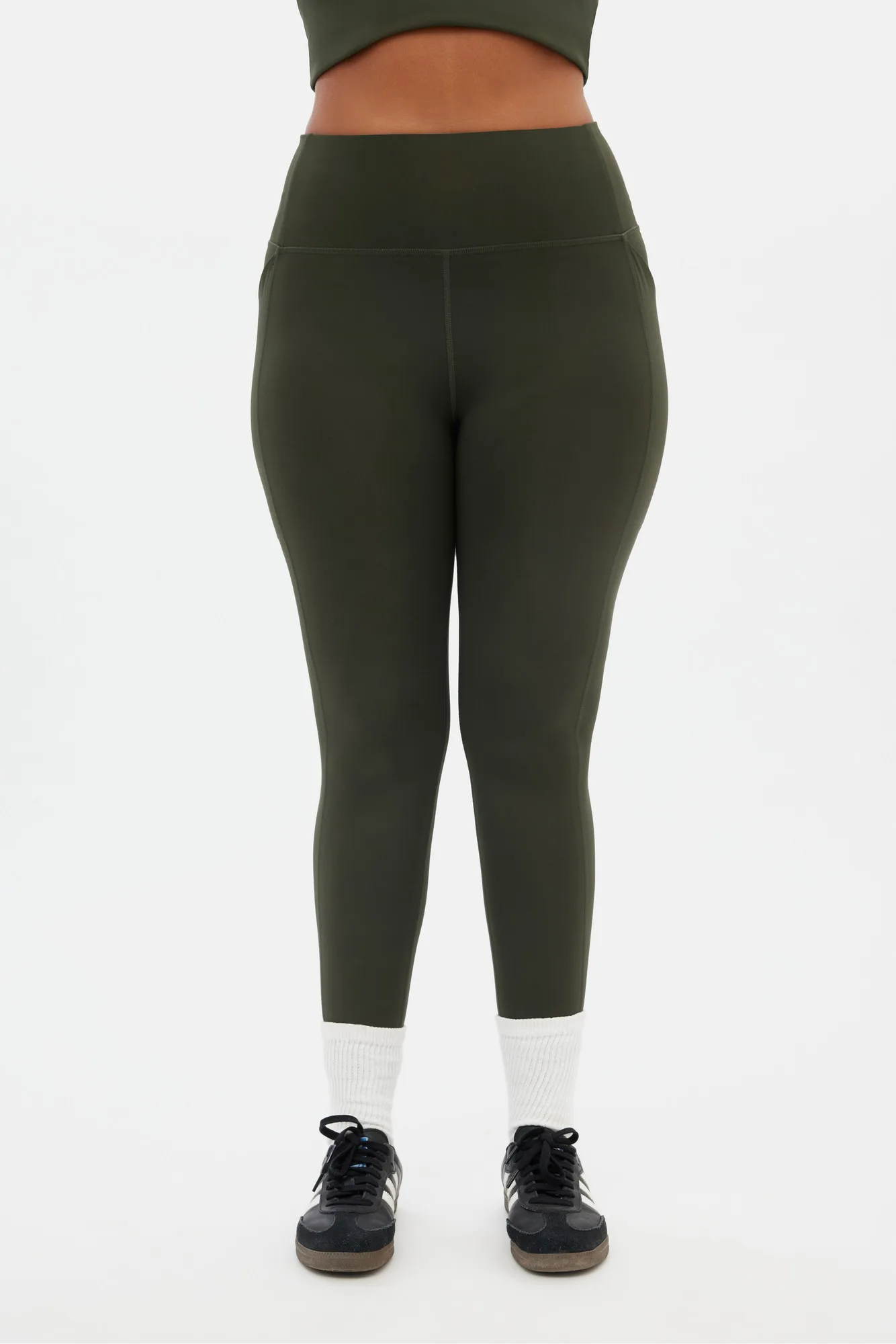
Look for a high-rise design with a wide, flat waistband. A wider band distributes pressure more evenly and resists folding. If the waistband is narrow and flimsy, it will likely roll no matter how you adjust it.
Adjust how you wear and care for them
Even well-fitting leggings can roll if you put them on incorrectly. Step into them, then pull the waistband up to your natural waist—don't just tug at the front. Smooth the fabric upward with your hands, and make sure the center seam is aligned. If you have a drawstring, tighten it slightly; it can help anchor the waistband.
Washing habits also affect fit. Over time, heat from dryers can break down elastane, making the fabric looser and more prone to slipping. Wash in cold water and air dry to preserve compression and shape. If your leggings have already lost their snap, no amount of adjusting will bring it back—it's time to replace them.
Diagnose your waistband rolling
- Symptom: Waistband slides down during wear: Likely cause: Size too big or fabric stretched out. Check the size chart and consider sizing down if you're between sizes. If the waistband still slides after sizing down, move to the next check.
- Symptom: Waistband folds over or rolls: Likely cause: The rise is too low or the waistband is narrow. High-rise leggings should sit at your natural waist; if they're low-rise, they'll roll. Try a high-rise style with a wide waistband, like a compressive high-rise legging.
- Symptom: Leggings roll only during high-movement activities: Likely cause: Fabric lacks compression or the fit is too loose. Compressive leggings are designed to stay put during movement. If rolling continues with compressive high-rise leggings, the activity may need a different style, like bike shorts with a secure fit.
Products that stay put
- Black High-Rise Pocket Bike Short: Compressive fabric provides a supportive feel, high-rise fit, 8.5” inseam, and pockets. The compression helps the waistband hold its position, while the high rise sits at your natural waist to reduce rolling.
- Stone Compressive Pocket Legging: Compressive fabric for a supportive, streamlined silhouette, with a convenient pocket and available in two inseam lengths. The compressive fabric and secure fit make these leggings a good option if you want a stay-put feel for workouts or everyday wear.