Quick answer
Rust on a machete is almost always a storage problem, not a steel problem. Rinse the blade after every use, dry it completely, wipe on a thin film of oil, and keep it in a dry sheath or a ventilated spot. If you do those three things consistently, machete rust prevention becomes a two-minute habit instead of a repair job.
Why machetes rust faster than other garden tools
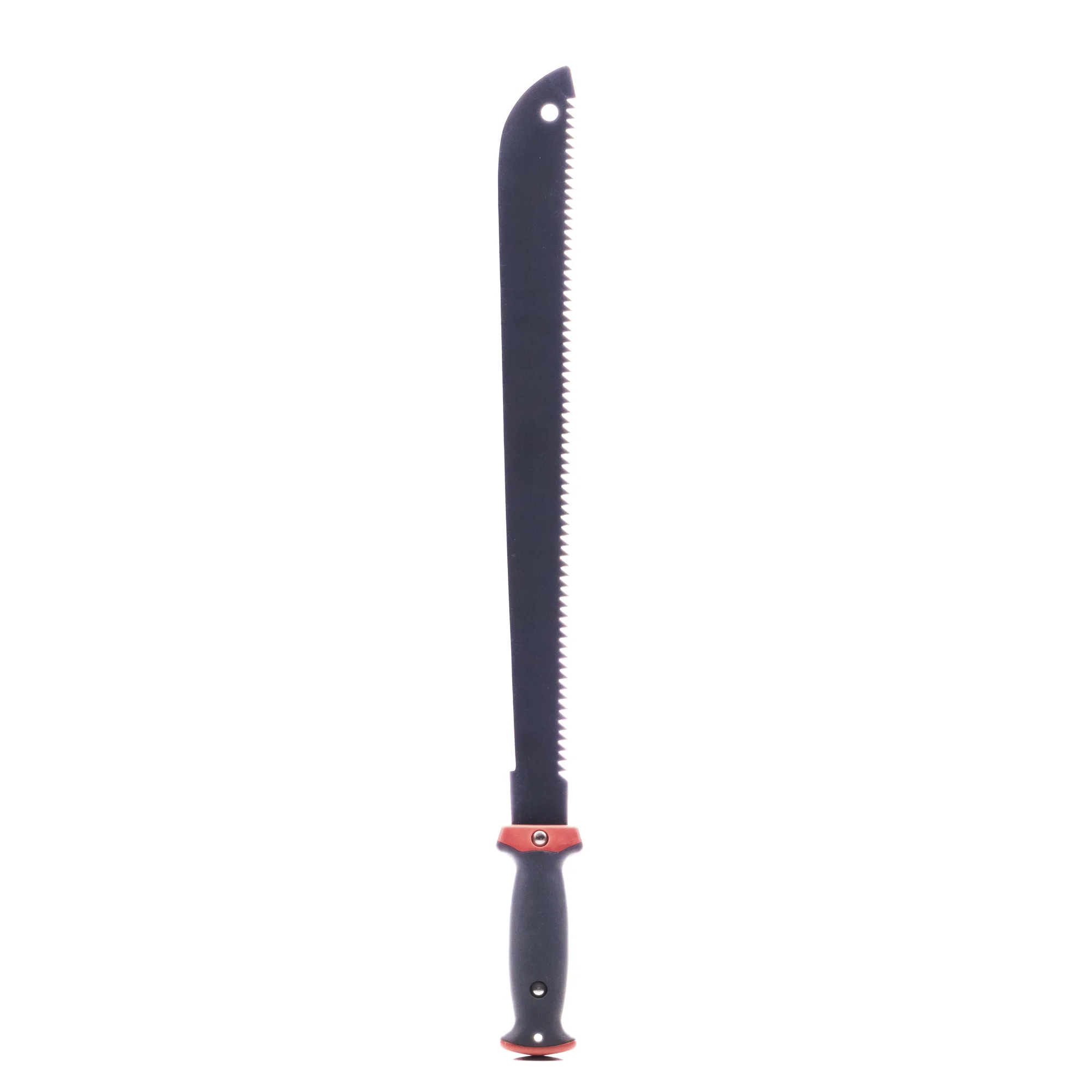
A machete spends its life in wet grass, damp brush, and humid air, then often goes back into a sheath while still slightly dirty. That combination is the ideal environment for surface rust. Many machetes, including the Radius Garden 18" Machete, use a steel blade that will develop a brown film within days if sap, soil, and moisture are left on the surface. The blade is also long and thin, so a small patch of rust can spread along the edge quickly and dull the cutting performance you bought the tool for.
The good news is that rust is preventable with a routine that takes less time than sharpening. The steps below are ordered so each one sets up the next: clean, dry, protect, maintain the edge, then store.
What you need on hand
You do not need a workshop. A stiff brush or scouring pad, a clean rag, a light oil (camellia, mineral, or a dedicated tool oil), and a dry storage spot cover 90 percent of machete blade maintenance. A fine file or sharpening stone is optional but useful if you also want to touch up the edge during the same session.
Mistakes that cause rust even when you clean the blade
Three habits undo good cleaning. First, putting the machete away while the sheath is still damp inside. Second, storing it flat against a concrete floor or an exterior wall where condensation forms. Third, using a heavy coat of oil that traps grit and moisture against the steel instead of a thin film that lets the blade breathe. Avoid all three and you remove most of the conditions rust needs.
Five-step machete care routine
- Step 1: Rinse off sap and soil: Hold the blade under running water and wipe from the spine toward the edge with a rag or soft brush. Do not scrub back and forth across the edge, which can roll it. For sticky sap, a little dish soap helps. Checkpoint: the blade should feel smooth, not tacky, before you move on.
- Step 2: Dry the blade completely: Dry with a clean cloth, then let the machete air-dry for a few minutes before oiling. Pay attention to the area where the blade meets the handle, since moisture hides there. Never store a machete while it is still damp. Common mistake: skipping the handle junction, which is where rust often starts first.
- Step 3: Apply a thin coat of oil: Put a few drops of light oil on a rag and wipe the whole blade, including the spine and the tang area. A thin, even film is enough. If you live in a humid climate, re-oil monthly even when the machete is not used. Checkpoint: the blade should look slightly sheened, not wet or dripping.
- Step 4: Touch up the edge if needed: If the blade feels dull, run a fine file or stone along the edge at a shallow angle, then wipe off the metal filings and re-oil. Sharpening exposes fresh steel, which is more rust-prone, so always oil after sharpening. Common mistake: sharpening and then storing the machete without re-oiling the newly exposed edge.
- Step 5: Store it dry and ventilated: Keep the machete in a dry sheath or hang it on a wall hook in a shed or garage with airflow. Avoid leaving it in a closed plastic bag, on a damp floor, or in a sheath that got wet during use. If the sheath is damp, let it dry fully before the blade goes back in. Checkpoint: if the storage spot feels cool and damp to your hand, it is not dry enough.
Product facts that affect care
- 18" Machete: The Radius Garden 18" Machete has an 18-inch blade and a sturdy, ergonomic handle built for regular garden use. The long blade means more surface area to dry and oil, so work in sections from handle to tip rather than wiping once down the middle.