Quick answer
Tighten the knob by hand until it bottoms, then confirm the jam nut or adapter is doing the locking. If it still rotates or wobbles after that, the threads or adapter are the problem, not the knob. Do not torque a loose knob hard to compensate, and stop if the shifter shaft threads are damaged.
A shift knob that keeps coming loose is one of the most common interior complaints, and it is almost never the shifter's fault. The knob only stays put when the threads, the jam nut, or the adapter all do their job at the same time.
Work through the fix in order: confirm the symptom, find the cause, correct it, then decide whether to keep tightening or replace a part. Skipping straight to thread lock usually hides a fitment problem instead of solving it.
Symptom: what a loose knob actually feels like
A loose shift knob shows up in three ways. It rotates freely when you rest your hand on it, it wobbles side to side under light pressure, or it backs off a quarter turn every few drives until the shift pattern engraving no longer points where it should. Each points to a different cause.
Rotation with no wobble usually means the knob is not bottomed on the shaft. Wobble with the knob still tight usually means the adapter or insert is undersized or the wrong thread pitch. Backing off gradually usually means there is nothing locking the knob in place.
- Mark the knob's position with a piece of tape before you touch anything, so you can tell whether it moves again.
- Test with the car off and in gear, not while driving.
Likely cause: threads, jam nut, or adapter
Most loose knobs come down to one of three things. First, mismatched threads: a knob threaded for one pitch will start on a different shaft and feel tight, then work loose. Second, a missing or backed-off jam nut, which is the only thing holding a non-locking knob in position. Third, an adapter that is not seated or is the wrong type for the shifter assembly.
Automatic cars add a fourth cause. Factory automatic knobs often use a button or lockout mechanism, so a replacement knob needs an adapter that reproduces that function. If the adapter is not seated correctly, the knob will never sit solid no matter how hard you tighten it.
- Count and compare thread pitch before assuming the knob is defective.
- On an automatic, check that the lockout still releases the shifter before you drive.
Corrective action: tighten it the right way
Clean the shaft threads with a soft brush, then thread the knob on by hand until it seats. If your setup uses a jam nut, run the nut down first, thread the knob to position, then tighten the nut up against the knob base. That is what actually stops the knob from rotating.
If the knob bottoms out before it points the right way, add a thin washer or spacer rather than forcing it. Hand-tight plus a properly set jam nut holds better than over-torquing, which stretches threads and makes the problem worse next time.
- Hand-tight is the target for the knob itself; the jam nut does the locking.
- Re-check after the first drive, since heat cycles can settle new threads.
When thread lock helps and when it does not
A removable thread locker is reasonable when the knob is correctly threaded, seated, and still creeping slightly. Use the mild, removable grade so you can still take the knob off later. Do not use permanent thread lock on a shift knob.
Thread lock will not fix wrong pitch, a missing jam nut, or an unseated adapter. If the knob wobbles rather than rotates, thread lock is the wrong tool and you should look at the adapter or insert instead.
- Apply thread lock to the shaft threads, not the knob interior, so you can clean it out later.
- Never use thread lock on a lockout button or any moving part of the shifter.
Stop here and change the part instead
Stop tightening and change your approach if the shaft threads are visibly flattened, if the knob rocks no matter how it is seated, or if the adapter will not lock the shifter. Continuing to torque a damaged shaft can strip it, and a stripped shifter shaft is a much bigger job than a new adapter.
At that point you are choosing between a new knob, a new adapter, or a shifter-side repair. Buy the adapter that matches your transmission and model year rather than a universal one, because the lockout geometry is what keeps the knob stable on automatic cars.
- If threads are damaged, stop and inspect before buying anything else.
- Match the adapter to the specific shifter assembly, not just the car brand.
Loose shift knob diagnosis
- Rotates freely, no wobble: The knob is not bottomed on the shaft or the jam nut is backed off. Seat the knob by hand and reset the jam nut before adding anything else.
- Wobbles while still tight: Wrong thread pitch, worn insert, or an adapter that is not seated. Thread lock will not help; inspect the adapter and thread match.
- Backs off a little each drive: No locking method is in place, or the knob is being used as the lockout. Add or reset the jam nut, or move to an adapter with a proper lockout.
- Shaft threads look flattened: Damage from over-torquing or cross-threading. Stop tightening and repair or replace the shifter side first.
Parts that solve common loose-knob causes
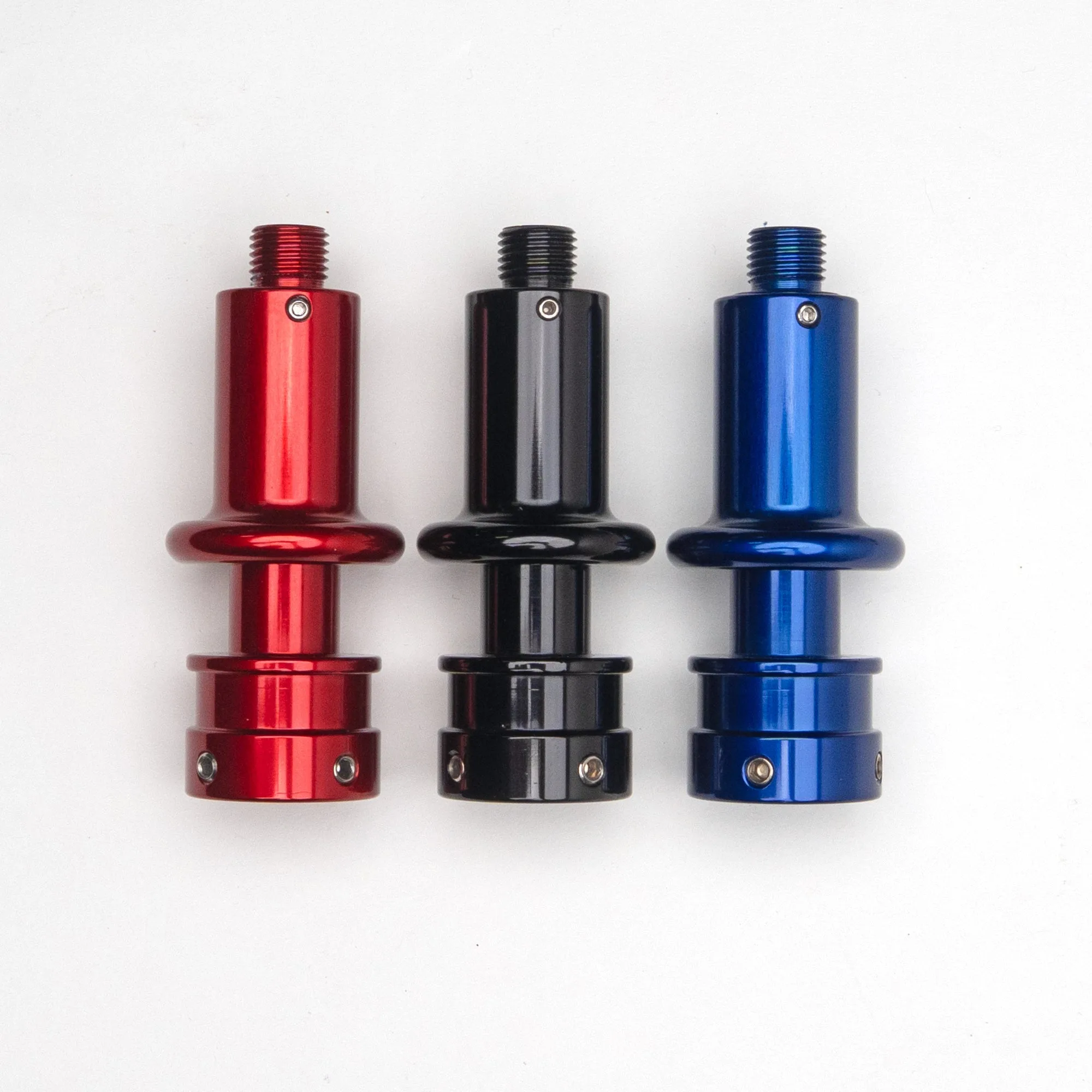
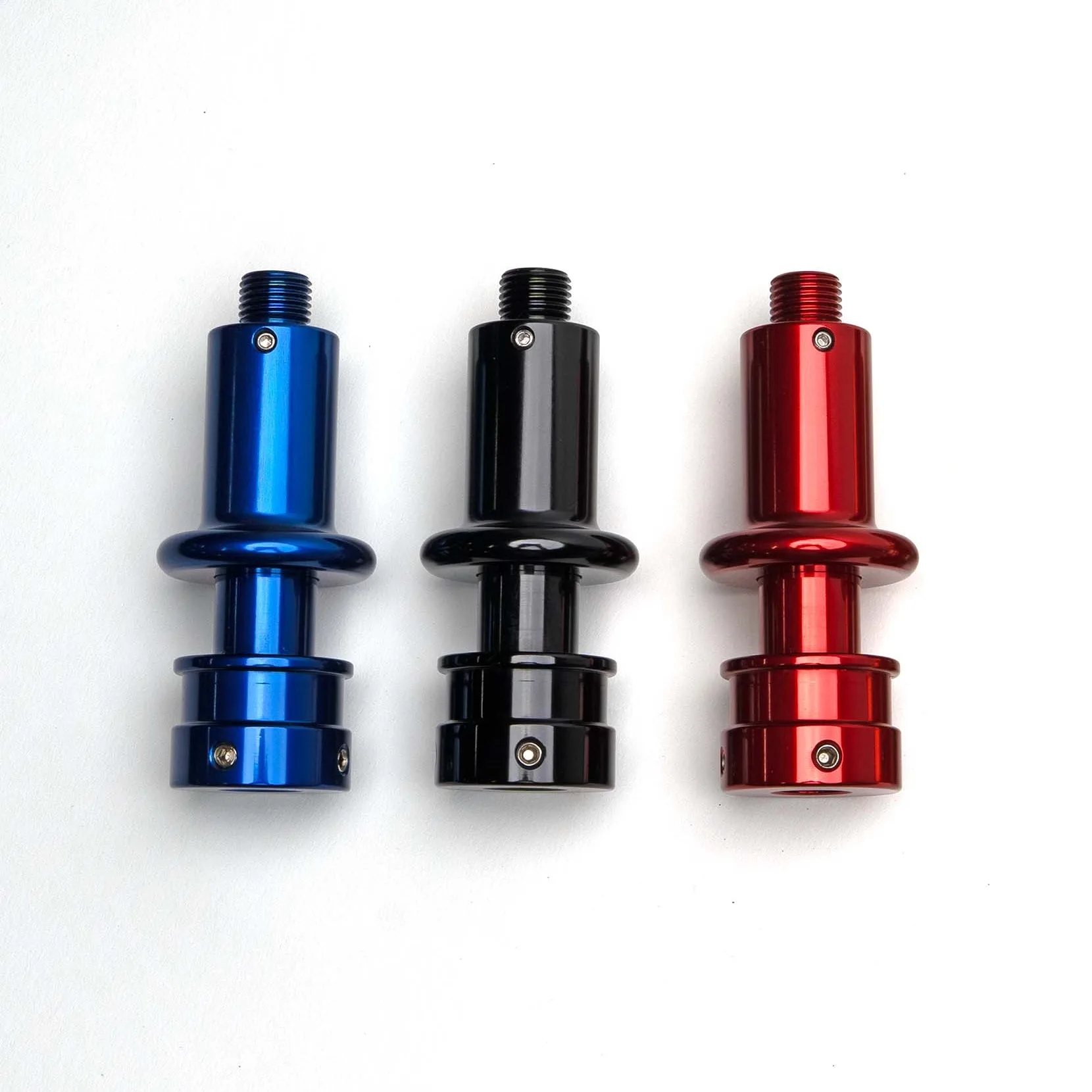
- Billetworkz Automatic CVT Shift Knob Adapter – Subaru CVT: WRX (15–21), Crosstrek (13–23), Forester (14–18), Impreza (12–23), Legacy/Outback (10–14): Precision CNC-machined aluminum adapter that replaces the factory shift knob button with a spring-loaded pull-up lockout system, using a fixed-position design rather than lifting or pressing the whole knob. On a Subaru CVT, a knob that will not sit solid is often an adapter problem. A fixed-position lockout removes the moving-knob looseness that makes the knob feel like it is coming loose.
- Billetworkz Automatic Shift Knob Adapter - Dodge Challenger / Charger (2015-2023): CNC-machined aluminum adapter with a fixed-position lockout system, replacing the factory shift knob button for 2015-2023 Challenger and Charger automatics. If your automatic knob keeps backing off because the lockout is being pressed through the knob, a fixed-position adapter changes how the lockout is actuated and stabilizes the knob.
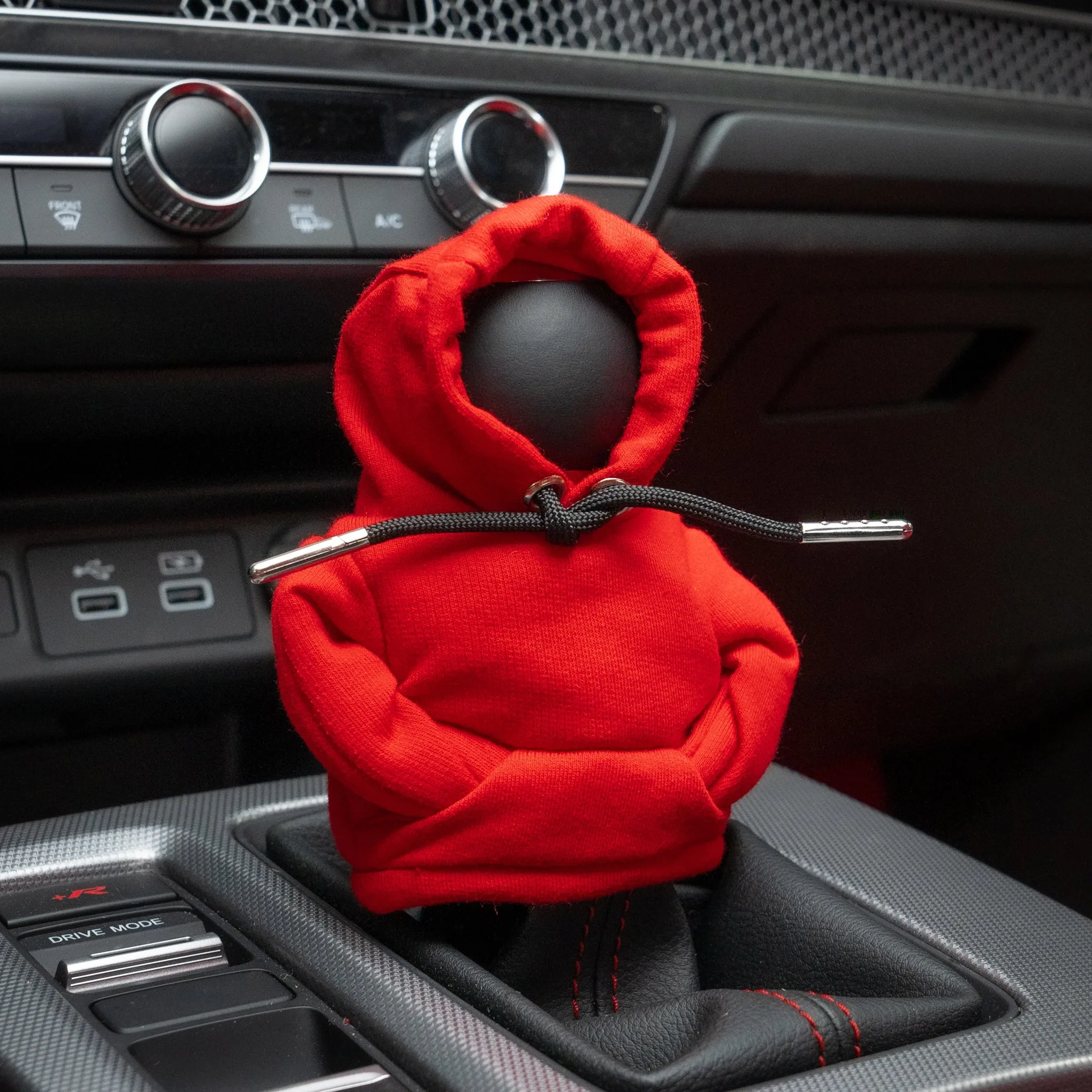
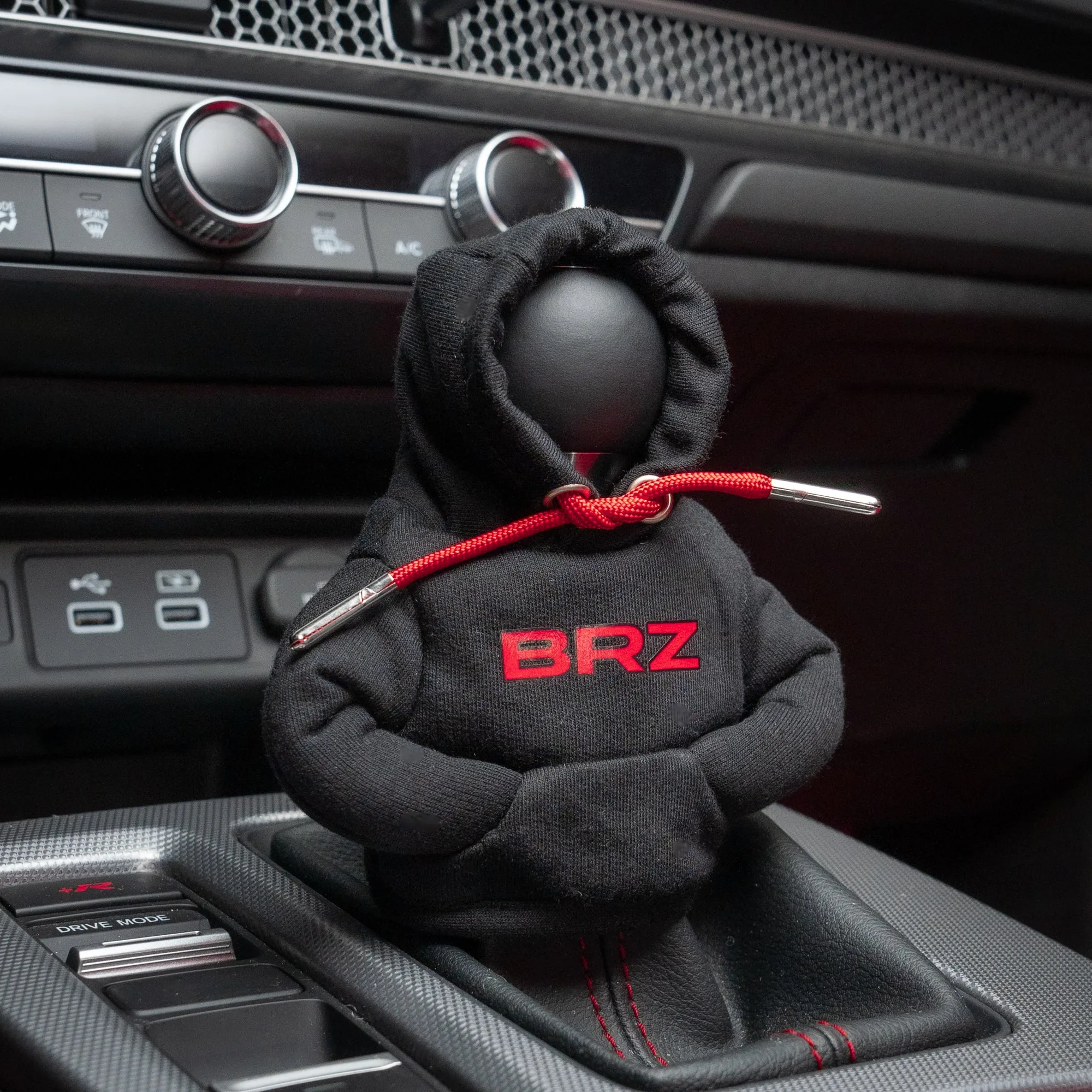
- https://billetworkzoi.com/products/shift-knob-hoodie-brz-b63d67f6465ccbd5248884ff-2706158Shift Knob Hoodie - BRZ: Available in a range of hoodie colors and patterns, and designed to cover the shift knob in hot or cold conditions. Not a fix for looseness, but if you are already pulling the knob to inspect threads, a hoodie is a low-cost way to address the temperature complaint that often comes with a metal knob.
Fix a loose shift knob in order: confirm whether it rotates, wobbles, or backs off, correct the thread or jam nut issue, and only then consider thread lock. If the threads or adapter are damaged, stop and replace the part instead of tightening harder.