Quick answer
Sticky notes curl and lose their stick mainly because of how they are peeled, stored, and exposed to humidity and dust. Peel from the side, not the bottom; keep pads flat in a dry place; and press the note onto a clean, dry surface for a few seconds. If a note still will not hold, the adhesive or the surface is the problem, not your technique.
Why sticky notes curl in the first place
Curling starts at the adhesive strip. When you peel a note from the bottom edge, the paper bends against the glue line and the fibers stretch. That stretch is what makes the note roll up instead of lying flat. Peeling from the side keeps the strip intact and the paper relaxed. Humidity is the second culprit: paper absorbs moisture from the air and expands unevenly, while the adhesive does not, so the note cups. Dry indoor air in winter can make notes brittle and lift at the edges, while damp air makes them wavy and soft.
How to store sticky notes so they stay flat and sticky
Store pads flat, not on edge, and keep them in a drawer or closed container away from direct sun and steamy rooms. A pad left on a windowsill or next to a kettle will pick up moisture and dust. If you keep notes on a desk, use a shallow tray rather than a pen cup. For long-term storage, a zip bag with the air pressed out works well. Do not stack heavy objects on a pad for months; the pressure can flatten the adhesive into the paper and reduce tack.
Fixes for notes that will not stay put
First, clean the surface. Monitor bezels, painted walls, and plastic planners often carry a thin film of oil or dust that stops adhesive from gripping. Wipe with a dry microfiber cloth, or a barely damp one for greasy surfaces, then let it dry completely. Second, press and hold: place the note and rub the adhesive strip for three to five seconds. Third, avoid re-sticking the same note more than two or three times; each lift picks up dust and weakens the glue. If a note keeps peeling off a monitor, move it to the base or a nearby flat surface, since warm plastic and curved edges are hard for any paper note to hold.
When to stop troubleshooting and switch formats
If a fresh note from a pad stored flat in a dry drawer still falls off a clean, dry surface within an hour, the adhesive has likely aged out or the surface is incompatible. Do not keep pressing harder or adding tape; that usually damages the paper and leaves residue. Switch to a different note brand, a larger note with more adhesive area, or a low-tack tape flag for glossy and curved surfaces. For very humid rooms, a small sealed box with a silica packet can extend the life of the pads you already own.
Diagnose your curling sticky notes
- Curls as soon as you peel it: You are peeling from the bottom edge and stretching the paper against the adhesive strip. Peel slowly from the side. If it still curls, the pad may have absorbed moisture.
- Lifts at the corners after a few hours: The surface is dusty, oily, or curved, so only the center of the adhesive makes contact. Clean and dry the surface, then press the full strip for three to five seconds.
- Falls off within minutes on a monitor: Warm plastic, curved bezels, and screen edges are low-energy surfaces that resist paper adhesive. Move the note to the monitor base or a flat desk surface, or switch to a vinyl sticker for that spot.
A sticker option when paper notes keep failing
- Supporting My Local Library One Late Fee at a Time sticker: Supporting My Local Library One Late Fee at a Time sticker is approximately 3 in x 3 in and made from high-quality waterproof and weatherproof vinyl. If sticky notes peel off your water bottle, laptop, or planner, a vinyl sticker holds up to moisture and handling where paper adhesive will not.
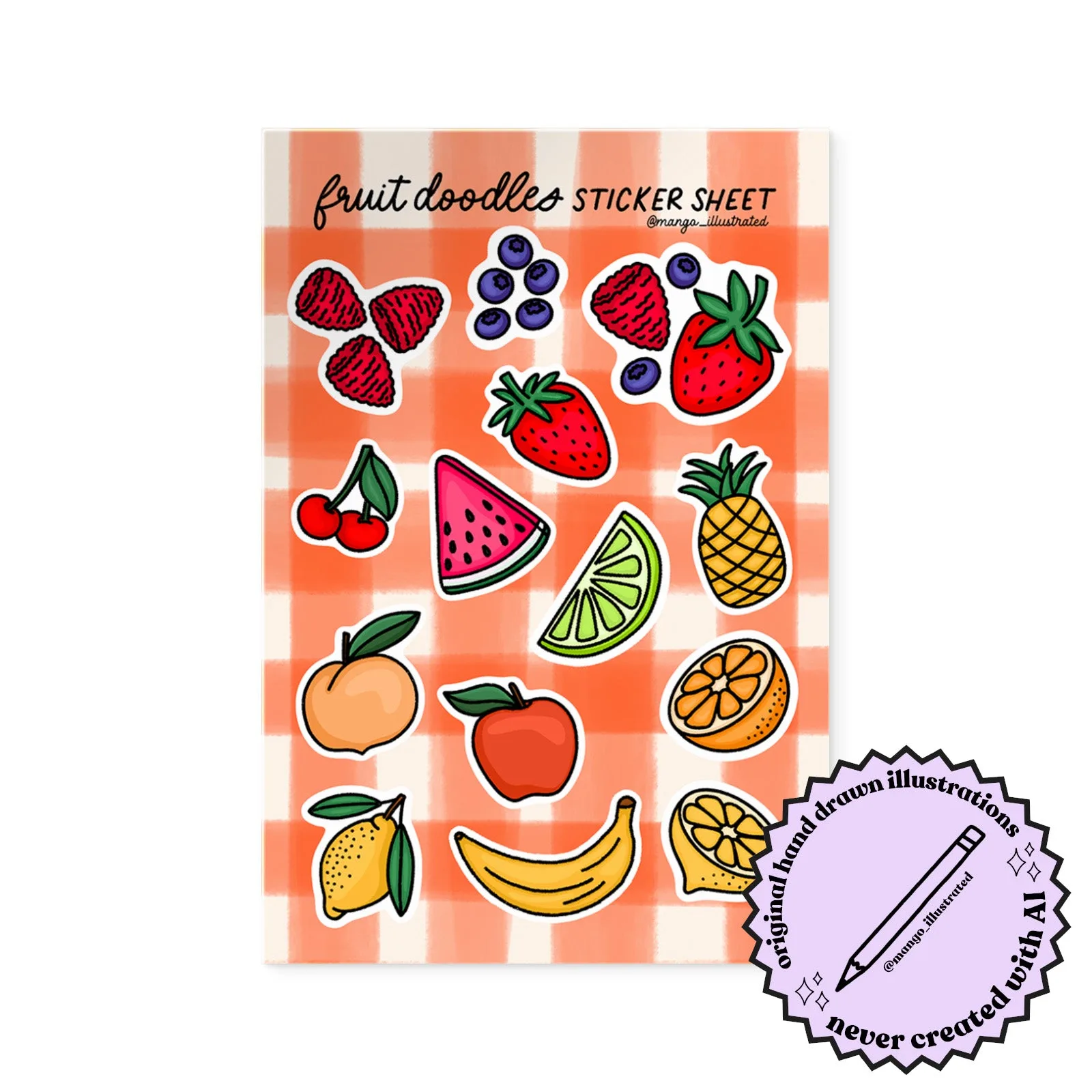
- Fruit Doodles Sticker Sheet: Fruit Doodles Sticker Sheet is a 4 x 6 in sheet with 14 hand-drawn fruit stickers, each ranging from 1 to 1.5 in, made from waterproof and weatherproof vinyl. Small vinyl stickers give you a flat, durable way to mark pages or decorate a journal without the curling and re-sticking problems of paper notes.