Quick answer
Keep whole watermelons in a cool, shaded spot around 50–60°F (10–15°C) and move cut pieces straight into a sealed container in the refrigerator. Eat cut watermelon within 3–4 days and whole melons within 1–2 weeks for the best texture and sweetness.
Why a whole case needs a different plan than a single melon
A case holds several melons at once, so you cannot fit them all in the fridge and you do not need to. Whole watermelons keep best in a cool, dark, ventilated space, while cut melons must be refrigerated. The trick is to keep the whole case cool and dry until you are ready to cut, then chill only what you will eat.
Avoid stacking heavy melons on top of each other for long periods. The bottom ones can bruise and soften faster, and a bruise is often where mold starts. Rotate the case every few days so no single melon sits under pressure.
The one mistake that ruins watermelon flavor
Watermelon loses its crisp snap and sweet aroma when it gets too cold for too long. Storing whole melons in the refrigerator for more than a few days can make the flesh mealy and dull the flavor. Use the refrigerator only for cut pieces or for a quick chill before serving.
If your only cool spot is the fridge, keep whole melons in the warmest part, such as the door or a top shelf, and eat them within 3–4 days. Do not leave them in the coldest drawer.
Step-by-step watermelon storage
- Inspect the case on arrival: Open the case and check each melon for soft spots, cracks, or mold. Remove any damaged melon immediately so it does not affect the others. One bruised melon can speed up spoilage in the whole case.
- Find a cool, shaded spot for whole melons: Choose a spot that stays around 50–60°F (10–15°C), away from direct sun and heat sources. A basement, garage, or shaded pantry works well if the temperature is steady. Avoid spots that swing hot and cold, like a car trunk or a sunny windowsill.
- Keep the melons dry and ventilated: Do not wrap whole melons in plastic. Leave them loose or in a single layer so air can circulate. If the case is damp, line it with a dry towel. Trapped moisture is a common cause of mold on the rind.
- Rotate the case every few days: Turn the melons so the ones on the bottom get air and no melon stays under weight for long. Check for soft spots as you rotate. Rotation prevents flat, bruised sides and helps you spot a bad melon early.
- Chill only what you plan to cut soon: Move a whole melon to the refrigerator a few hours before serving if you like it cold. Otherwise, keep whole melons out of the fridge until you are ready to cut. Whole melons can lose texture after more than 3–4 days in the fridge.
- Cut and store leftovers properly: Cut watermelon into slices or cubes, place in a sealed container, and refrigerate. Eat within 3–4 days. Discard any piece that smells sour or looks slimy. Cut watermelon should never sit at room temperature for more than 2 hours.
Product facts
-
Case of Watermelons: The Case of Watermelons is described as crisp, sweet, and delicious, and is best enjoyed on a hot summer's day. Because the melons are meant to be eaten fresh and crisp, proper storage protects the texture and sweetness you paid for.
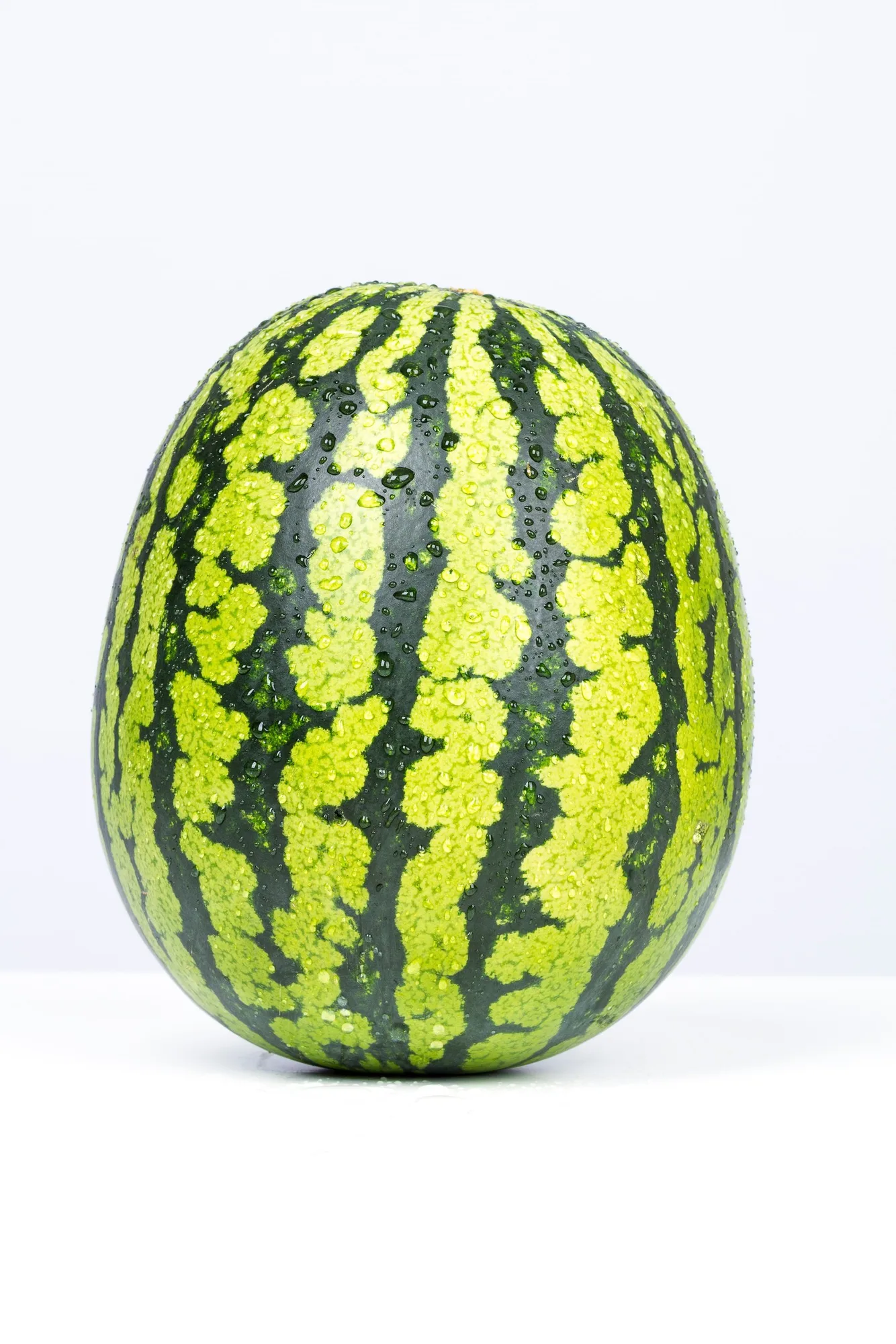
Case of Watermelons