Quick answer
Store freshly pumped breast milk in clean, food-safe containers, refrigerate it within one hour if you will use it soon, or freeze it for longer storage. Warm it by placing the sealed container in warm water or under a warm tap, never in a microwave or on the stove, and swirl rather than shake before feeding.
How long can breast milk stay out, in the fridge, or in the freezer?
Use these time limits as your default. Freshly pumped milk can stay at room temperature for up to 4 hours if the room is comfortable, but move it to the fridge sooner if the room is warm. In a refrigerator, use it within 4 days. In a freezer compartment inside a fridge, use it within 2 weeks. In a separate freezer unit, use it within 3 to 6 months. In a deep freezer, use it within 6 to 12 months. Always label the container with the date and time you pumped it so you use the oldest milk first.
Should I use breast milk storage bags or bottles?
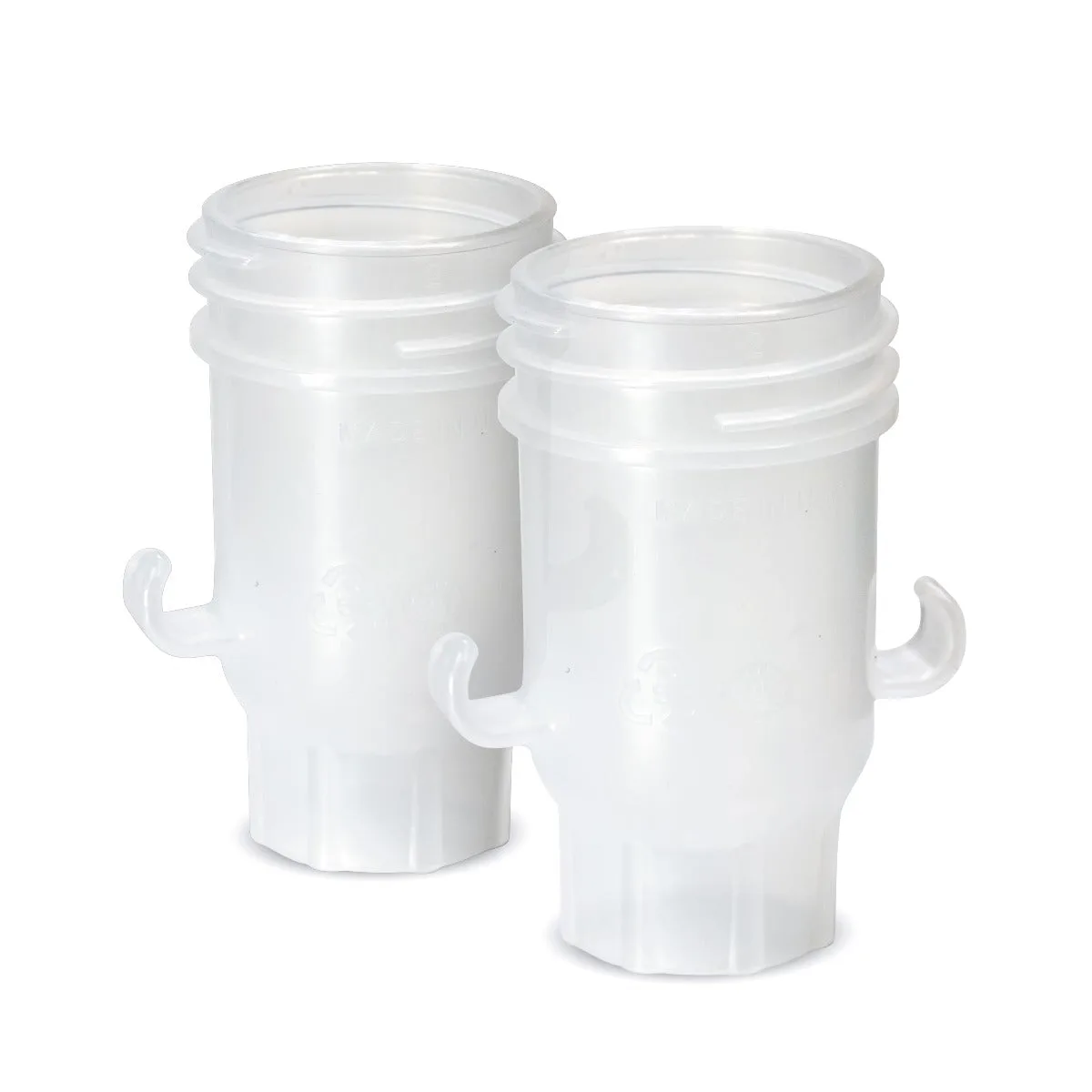
Both work, but they suit different situations. Bottles are sturdier, stand upright, and are easy to warm and feed from, which makes them a good fit for fridge storage you plan to use within a few days. Bags take up less space, freeze flat, and are convenient for building a stash, but they can tear or leak if you overfill them. Whichever you choose, use food-safe containers designed for breast milk, leave a little room at the top for expansion if freezing, and write the date on the container before you fill it.
How do I thaw frozen breast milk safely?
Plan ahead and thaw frozen breast milk in the refrigerator overnight. If you need it sooner, hold the sealed bag or bottle under cool running water, then gradually warm the water. Do not thaw or heat breast milk in a microwave, because it can heat unevenly and create hot spots that burn your baby. Once thawed, use it within 24 hours if it was thawed in the fridge, and do not refreeze it. If your baby does not finish a bottle, discard the leftover milk within 2 hours of the feed.
What is the safest way to warm breast milk?
Warm breast milk gently by placing the sealed container in a bowl of warm water or under warm running water. Test a few drops on your wrist before feeding. Swirl the container gently to mix any separated fat back in; shaking is not necessary and can break down some milk components. If you use a bottle warmer, follow its instructions and check the temperature before feeding. Never boil breast milk or leave it sitting in hot water for a long time, as high heat can reduce some of its beneficial properties.
Can I add freshly pumped milk to milk that is already chilled or frozen?
Yes, but do it safely. Chill the freshly pumped milk in the refrigerator first, then pour it into the older container. Do not add warm milk directly to a bottle or bag of frozen milk, because the warmth can partially thaw the frozen portion and raise the temperature of the whole batch. If you are combining milk from different pumping sessions, use the date of the oldest milk for your storage timeline.
How should I clean pump parts and storage containers?
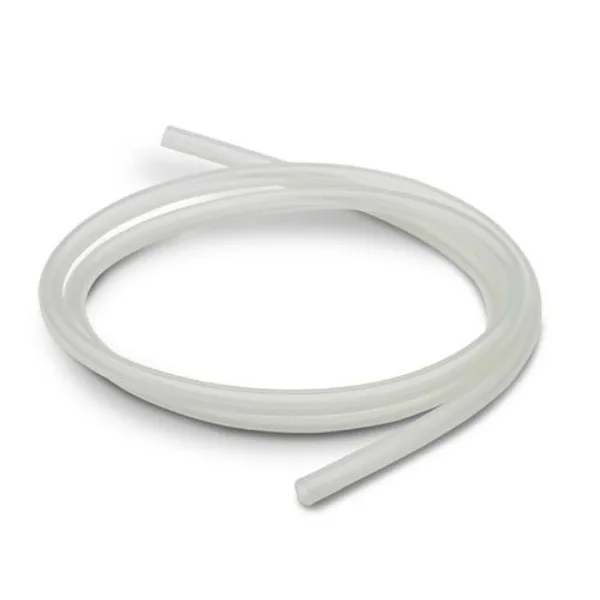
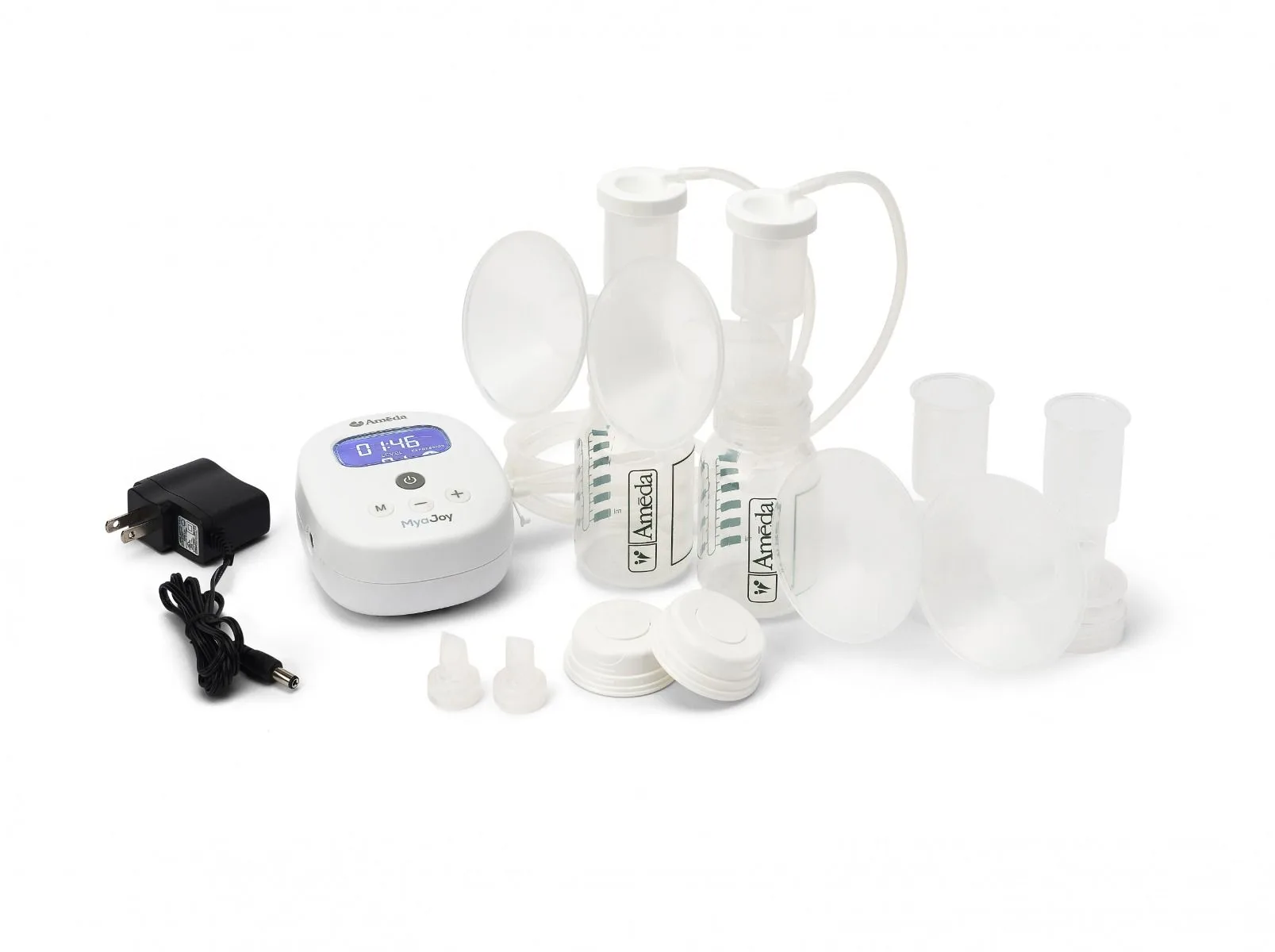
Wash pump parts, bottles, and storage containers in hot, soapy water after each use, then rinse well and air-dry on a clean towel. If your baby is premature or has health concerns, follow your healthcare provider's advice on sanitizing. Check tubing and adapters regularly for moisture or milk, since trapped milk can affect pump performance and hygiene. Replace worn or damaged parts as needed to keep your pump working properly.
Breast milk storage FAQ at a glance
Room temperature
Freshly pumped milk can stay out for up to 4 hours in a comfortable room. Move it to the fridge sooner if the room is warm.
Refrigerator
Use refrigerated breast milk within 4 days. Label with the pump date and use the oldest milk first.
Freezer
Use milk frozen in a fridge freezer within 2 weeks, a separate freezer within 3 to 6 months, and a deep freezer within 6 to 12 months. Thaw in the fridge overnight or under cool running water, never in a microwave.
Warming
Warm sealed milk in a bowl of warm water or under warm running water, then swirl gently. Test a few drops on your wrist before feeding.
Leftovers
Discard any milk your baby does not finish within 2 hours of the feed. Do not refreeze thawed milk.
Products that support safe milk handling
- Ameda HygieniKit® Tubing Adapter: Tubing adapters connect the tubing of the HygieniKit Milk Collection Systems to the electric breast pump body and are compatible with all Ameda HygieniKit Milk Collection Systems. A secure connection helps you pump efficiently, and keeping a spare adapter on hand means you can keep your storage routine going if a part gets lost or damaged.
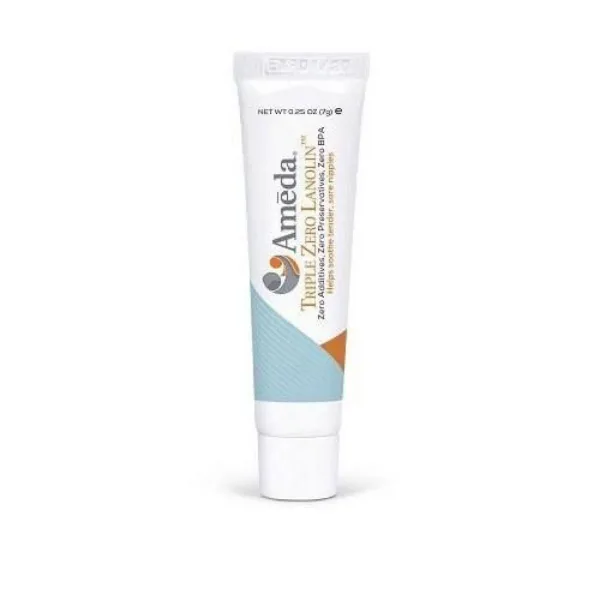
- Ameda Triple Zero Lanolin Nursing Cream, 35g/1.2oz: Triple Zero Lanolin Nursing Cream is a medical-grade lanolin with zero additives, zero preservatives, and zero BPA, available in a 35 gram tube. If pumping or feeding leaves your nipples sore, a pure lanolin cream can soothe skin without extra ingredients, so you can keep up with your milk storage schedule comfortably.