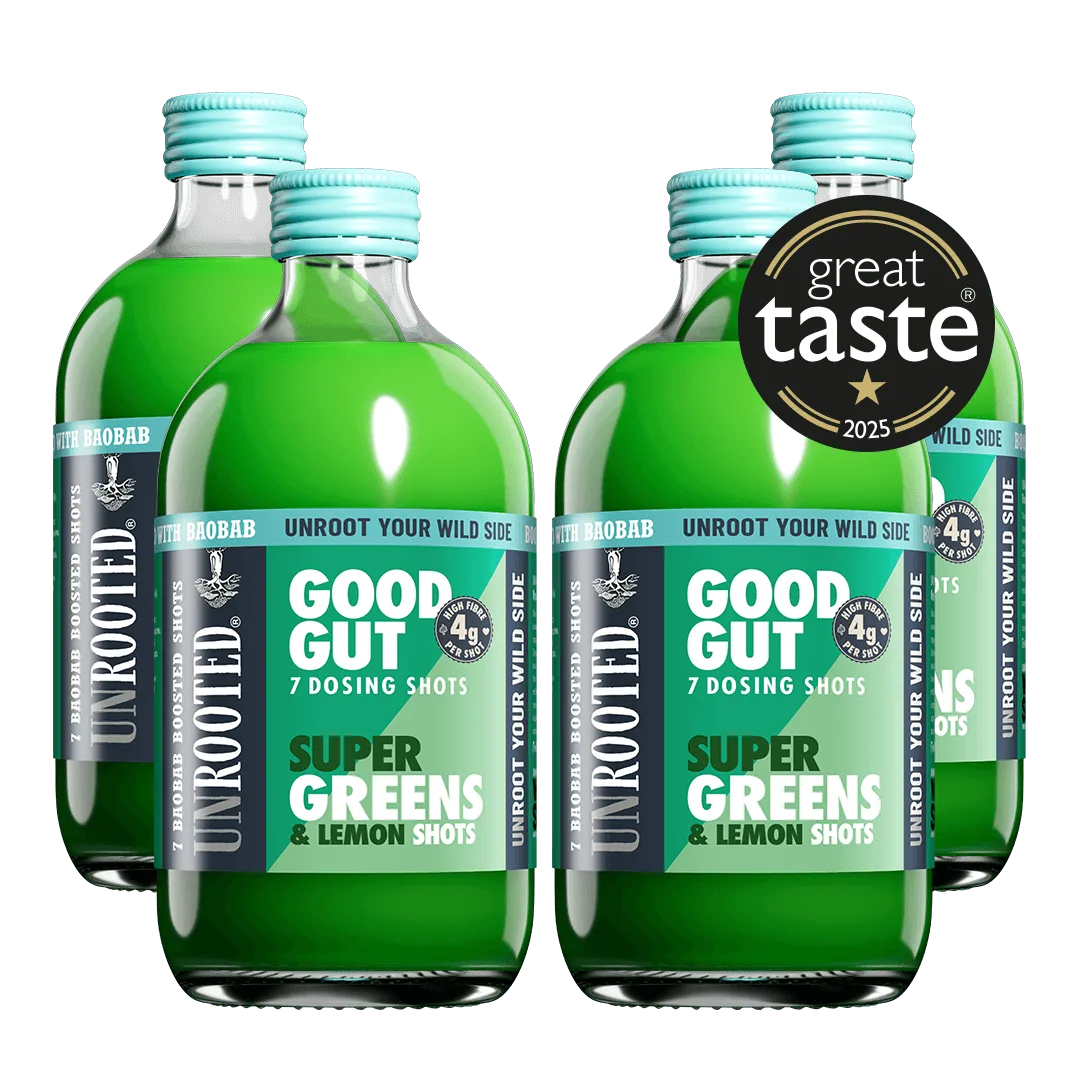
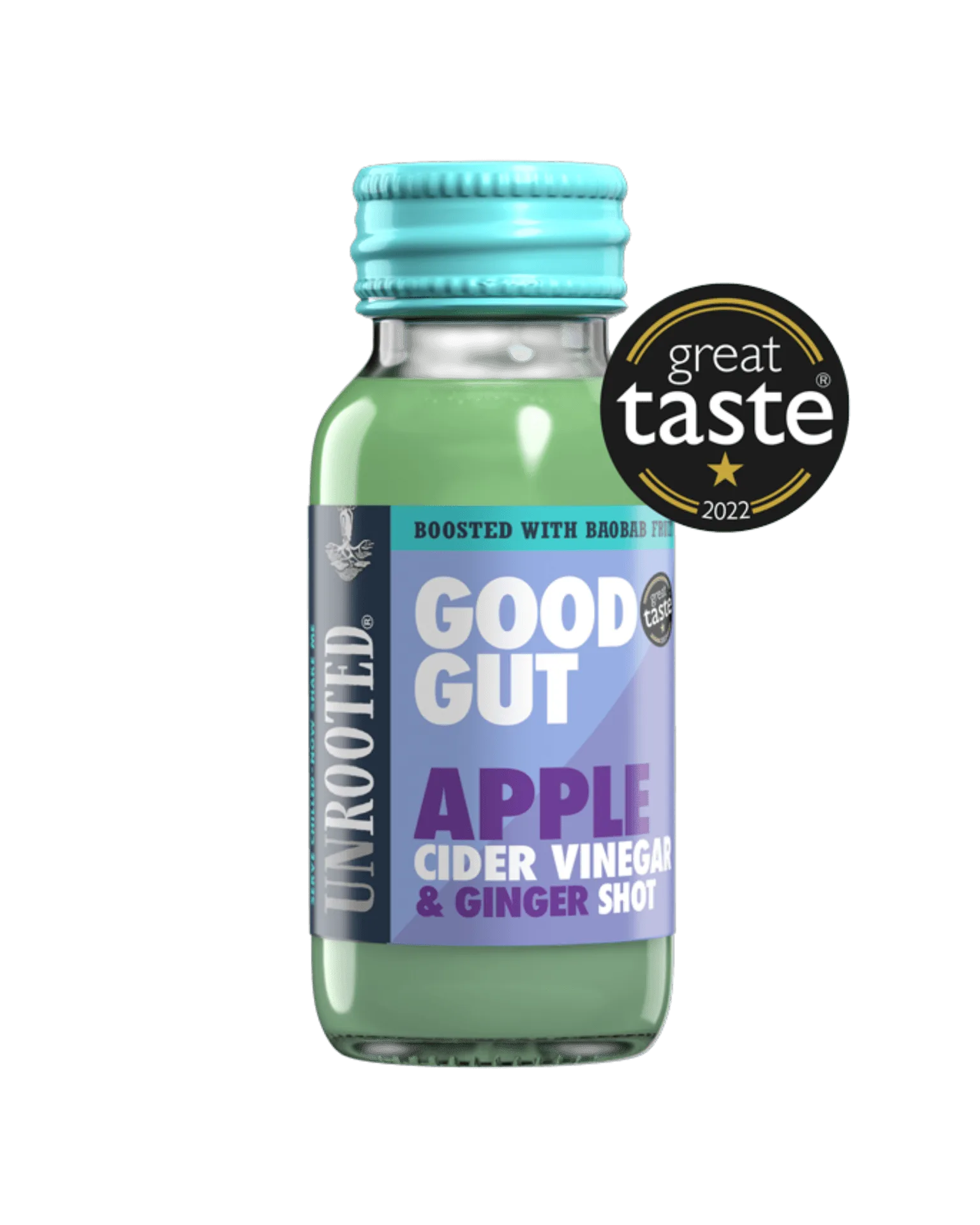
You’ve just invested in a high-quality baobab product—whether it’s a fruit powder for your morning smoothie or a ready-to-drink shot for an afternoon energy lift. You want every scoop and every sip to deliver the full dose of prebiotic fiber, vitamin C, and antioxidants that make baobab such a powerful superfruit. But improper storage can quickly degrade those nutrients and leave you with a stale, less effective product.
In this guide, we’ll walk you through the best practices for storing both baobab powder and baobab shots. You’ll learn how to protect your baobab from heat, moisture, light, and air—the four enemies of freshness. Plus, we’ll share practical tips to extend shelf life so you can enjoy the full benefits of baobab for gut health and everyday energy.
Why Proper Baobab Storage Matters
Baobab fruit powder is naturally shelf-stable because of its low moisture content, but it’s still a whole food product that can lose potency over time. Exposure to heat, humidity, or direct sunlight can break down the delicate vitamin C and polyphenols that make baobab a standout superfood. Similarly, baobab shots—which often contain live enzymes and active ingredients like ginger and turmeric—need refrigeration to maintain their vibrant flavor and health benefits.
Storing your baobab correctly isn’t just about taste; it’s about getting the most value from your purchase. A properly stored baobab powder can retain its nutritional profile for up to two years, while a neglected one might start to clump, lose color, or develop off-flavors within months. For shots, the window is shorter, but with the right handling, you can keep them fresh until the last drop.
- Always check the packaging for specific storage instructions—different brands may have slightly different recommendations.
How to Store Baobab Powder for Long-Term Freshness
Baobab powder is incredibly versatile and easy to store if you follow a few simple rules. First, keep it in an airtight container. The original packaging often works well if it has a resealable zip-lock or a tight-fitting lid, but transferring the powder to a glass jar with a rubber seal can provide even better protection. Avoid plastic bags that aren’t designed for long-term storage.
Second, store the container in a cool, dark place—a pantry or cupboard away from the stove, oven, or dishwasher is ideal. The ideal temperature range is between 15°C and 25°C (59°F to 77°F). Never store baobab powder in the refrigerator or freezer unless the package specifically says so; condensation from temperature changes can introduce moisture and cause clumping.
Third, always use a dry spoon or scoop when handling the powder. Even a tiny drop of water can introduce mold or bacteria over time. If you notice clumps forming, it’s usually a sign that moisture has gotten in, and the powder should be used quickly. For those who love convenience, our Good Fibre Baobab Fruit Powder Sachets are pre-portioned and individually sealed, making them perfect for on-the-go freshness without the risk of contamination.
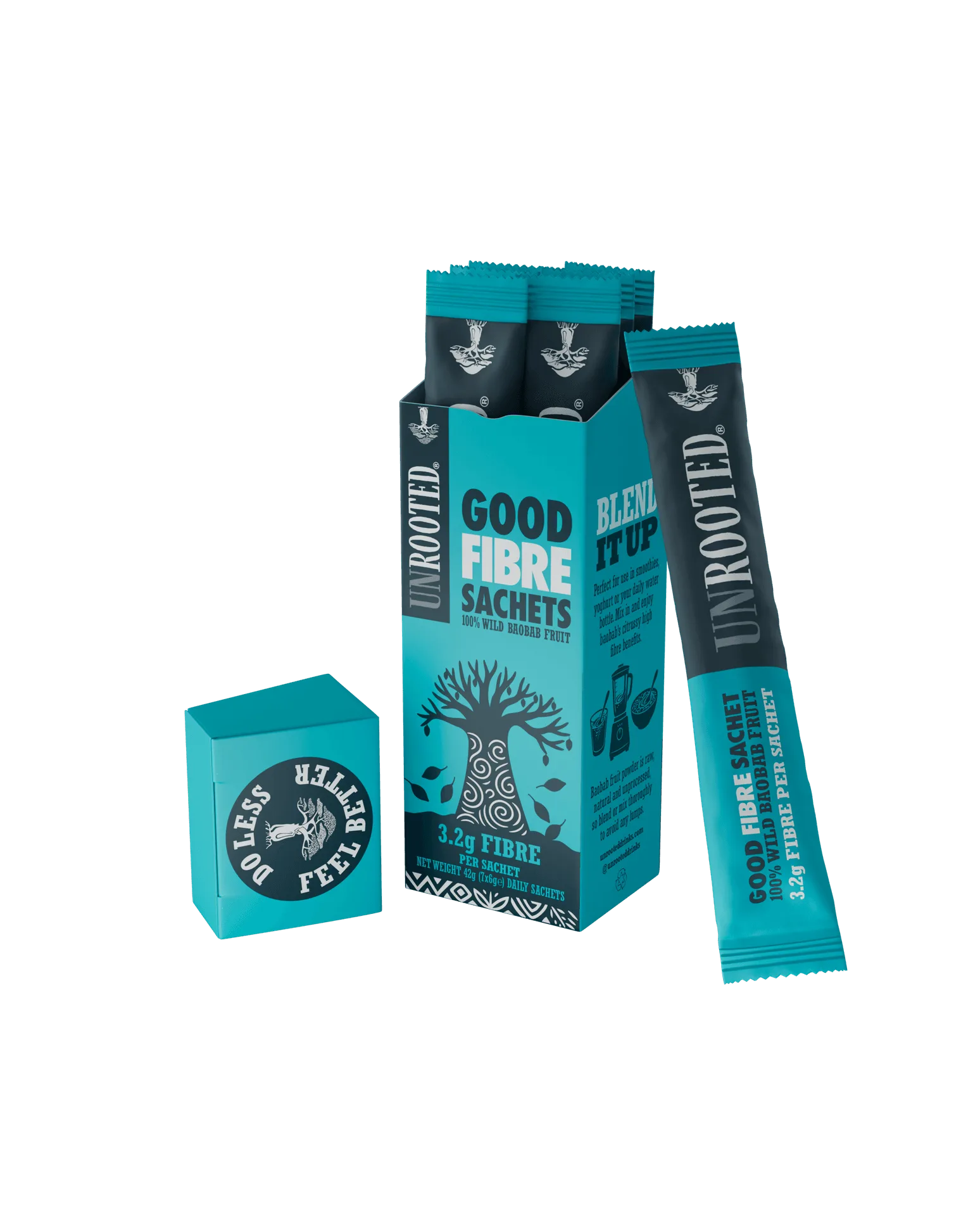
Good Fibre Baobab Fruit Powder Sachets
- Store baobab powder away from strong-smelling spices—it can absorb odors.
- Label your container with the purchase date to track freshness.
How to Store Baobab Shots for Maximum Potency
Baobab shots are a convenient way to get a concentrated dose of gut-healing nutrients, but they require a bit more care because they are liquid and often contain fresh ingredients. Most baobab shots, including our popular Punchy Turmeric, Ginger & Baobab, are best stored in the refrigerator at all times. The cold temperature slows down enzymatic activity and prevents fermentation, keeping the flavors bright and the nutrients stable.
If you’ve purchased a variety pack of daily shots, you might be tempted to keep them at room temperature for easy grab-and-go access. However, once you open the box, transfer any unopened bottles to the fridge immediately. Shots that contain apple cider vinegar or ginger—like our Apple Cider Vinegar, Ginger & Baobab—are particularly sensitive to heat and should never be left in a car or near a sunny window.
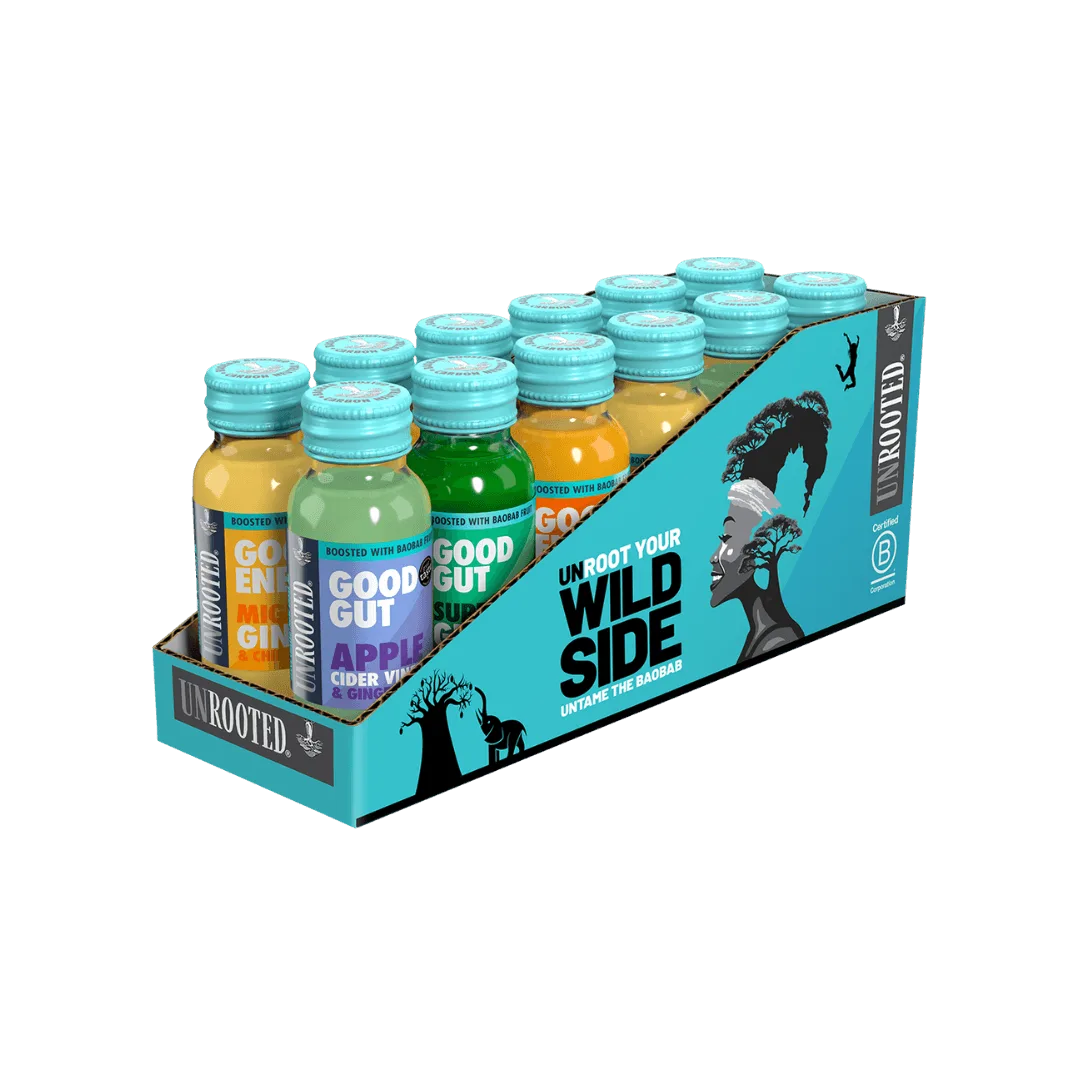
variety pack of daily shots
Always check the “best before” date on the bottle and consume the shots within that timeframe. Once opened, finish the shot within 24 to 48 hours for optimal taste and efficacy. Shake gently before drinking, as natural sediments may settle. For travel, use a small insulated cooler bag to keep your shots chilled—this preserves their zesty, energizing kick.
- Never freeze baobab shots—freezing can alter the texture and degrade some active compounds.
- Keep shots upright in the fridge to prevent leaks and maintain the seal integrity.
Common Storage Mistakes to Avoid
Even experienced baobab users can make storage errors that shorten shelf life. One common mistake is storing baobab powder in the refrigerator thinking it will keep it fresh longer. In reality, the humidity inside a fridge can cause the powder to absorb moisture and clump, which may lead to spoilage. Another mistake is leaving baobab shots in a pantry or cupboard—without refrigeration, the live cultures and natural preservatives can break down, resulting in a sour or flat taste.
Also, avoid transferring baobab powder to a container that previously held other foods without thorough cleaning. Residual oils or flavors can contaminate the delicate fruit powder. Finally, don’t ignore the packaging instructions. Some baobab products are nitrogen-flushed to extend shelf life—once opened, the clock starts ticking. By being mindful of these pitfalls, you’ll ensure every dose of baobab works as hard as you do.
- Don’t store baobab powder near the stove or dishwasher—heat and steam are enemies of freshness.
How to Tell If Your Baobab Has Gone Bad
Baobab is a naturally durable superfruit, but it can spoil under extreme conditions. For powder, signs of spoilage include a musty or sour smell, visible mold, or a change in color from its characteristic off-white or light tan to a darker, uneven shade. Clumping alone isn’t always a sign of spoilage—it can be reversed by breaking up the powder—but if the clumps are hard and accompanied by an off odor, it’s best to discard the batch.
For baobab shots, look for changes in texture or taste. A fermented or vinegary smell that’s stronger than expected, gas buildup in the bottle, or a cloudy appearance that doesn’t settle after shaking can indicate spoilage. When in doubt, trust your senses. If a shot tastes overly sour or fizzy, it’s safer to open a fresh one. Proper storage dramatically reduces these risks, so you can confidently enjoy your baobab every day.
- Write the date you opened the package on the container to monitor freshness.
Storing baobab correctly is simple once you know the basics: keep powder in a cool, dark, dry place in an airtight container, and keep shots refrigerated at all times. By following these guidelines, you’ll preserve the prebiotic fiber, vitamin C, and natural energy that make baobab a daily powerhouse for your gut health. Ready to stock up and store smart? Explore our range of carefully packaged baobab products—from powder sachets to chilled shots—and enjoy peak freshness with every use.