Quick answer
To store bulk tea without losing freshness, keep it in an airtight, opaque container away from light, heat, moisture, and strong odors. Use small containers you refill from a larger stash, and store the bulk of your tea in a cool, dark cupboard. This simple routine preserves flavor for months, whether you're keeping bulk loose tea fresh or planning long-term storage.
Why bulk tea loses flavor (and what actually causes it)
Tea is hygroscopic, meaning it absorbs moisture from the air. When moisture gets in, the leaves can become stale or moldy. Light and heat speed up oxidation, which dulls the delicate oils responsible for aroma and taste. Strong smells nearby—coffee, spices, onions—can also be absorbed by dry tea leaves, altering their flavor. So the enemies are: air, light, heat, moisture, and odor.
Does tea expire? Yes, eventually. Most teas don't have a hard expiration date like milk, but they do lose quality over time. Black tea typically stays good for 1–2 years if stored well; green and white teas are more delicate and may fade in 6–12 months. Herbal and fruit teas vary, but they also benefit from the same storage rules. The key is to slow down the decline, not to find a magic date.
Choose the right container for your bulk tea
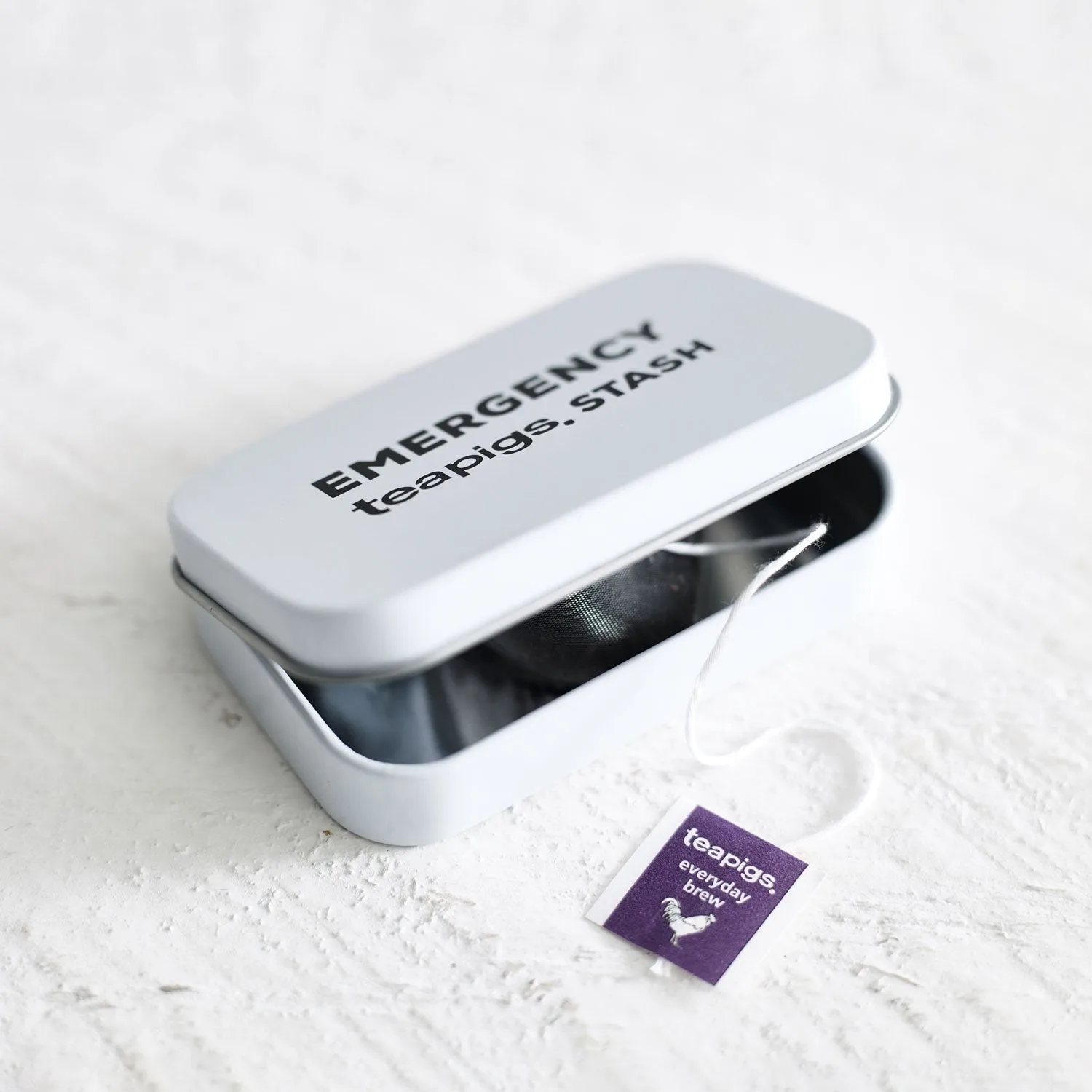
The best bulk tea storage containers are airtight, opaque, and made of a material that doesn't impart flavor. Metal tins with double lids, ceramic jars with rubber gaskets, and heavy-duty opaque plastic containers all work. Avoid clear glass or plastic unless you store them inside a dark cupboard; light degrades tea. Also skip containers that previously held strong foods—residual odors linger.
If you buy tea in pouches, you can often keep it in the original bag, but only if it's resealable and opaque. For extra protection, place the pouch inside a larger airtight container. For loose leaf, you can transfer to a tin or jar. One practical approach: use small containers for daily use and keep the rest sealed in a larger container. That way you're not opening the main stash every day, which exposes it to air.
Where to store bulk tea for long-term freshness
Find a cool, dark, dry spot. A cupboard away from the stove, dishwasher, or radiator is ideal. Avoid storing tea above the fridge or in a cabinet next to the oven, where heat fluctuates. The freezer is not recommended for everyday storage because repeated thawing introduces moisture; however, for long-term storage of unopened, vacuum-sealed tea, freezing can work if you let it come to room temperature before opening.
If you live in a humid climate, consider adding a food-safe desiccant packet to your tea container, but only if it's not touching the tea directly. Keep tea away from windowsills and open shelves where sunlight and humidity can reach it.
How to organize and rotate your bulk tea stash
Use a first-in, first-out system. Label each container with the tea name and the date you opened it. Store newer tea behind older tea so you use the oldest first. If you buy in large quantities, divide it into smaller portions: one for current use and the rest sealed for later. This minimizes air exposure and makes it easier to keep track.
Check your stash every few months. If a tea has lost its aroma or tastes flat, it's past its prime—but it's not necessarily unsafe. You can still use it for cooking or composting. For drinking, prioritize the teas that are closer to their purchase date.
Step-by-step: storing bulk tea for lasting freshness
- Step 1: Assess your tea and choose containers: Gather your bulk tea and decide how much you'll use in the next month versus what will be stored longer. For the daily portion, use a small airtight container. For the rest, use larger airtight, opaque containers. Common mistake: using clear containers or ones that don't seal properly. Checkpoint: containers should be airtight and block light.
- Step 2: Portion out your tea: Divide your bulk tea into smaller quantities. Keep one small container for everyday use and seal the rest in larger containers. If you bought tea in pouches, you can keep them sealed and place them inside a larger container. Common mistake: opening the main bulk container every day, which exposes all the tea to air. Checkpoint: only open the large container when you need to refill your daily stash.
- Step 3: Label and date each container: Write the tea name and the date you opened or repackaged it. This helps you rotate your stash and know how long it's been stored. Common mistake: skipping labels, then losing track of which tea is oldest. Checkpoint: use a piece of tape and a marker if you don't have labels.
- Step 4: Store in a cool, dark, dry place: Place containers in a cupboard away from heat sources and sunlight. Avoid storing above the fridge, next to the oven, or on open shelves. Common mistake: keeping tea in a glass jar on the counter where light and heat degrade it. Checkpoint: the ideal spot is a closed cabinet in a room with stable temperature.
- Step 5: Rotate and monitor your stash: Use the oldest tea first. Every few months, check the aroma of each container. If a tea smells flat or musty, it's past its best. Common mistake: forgetting about teas at the back of the cupboard until they're stale. Checkpoint: set a reminder to review your tea stash every 3–4 months.
Product facts for bulk tea storage
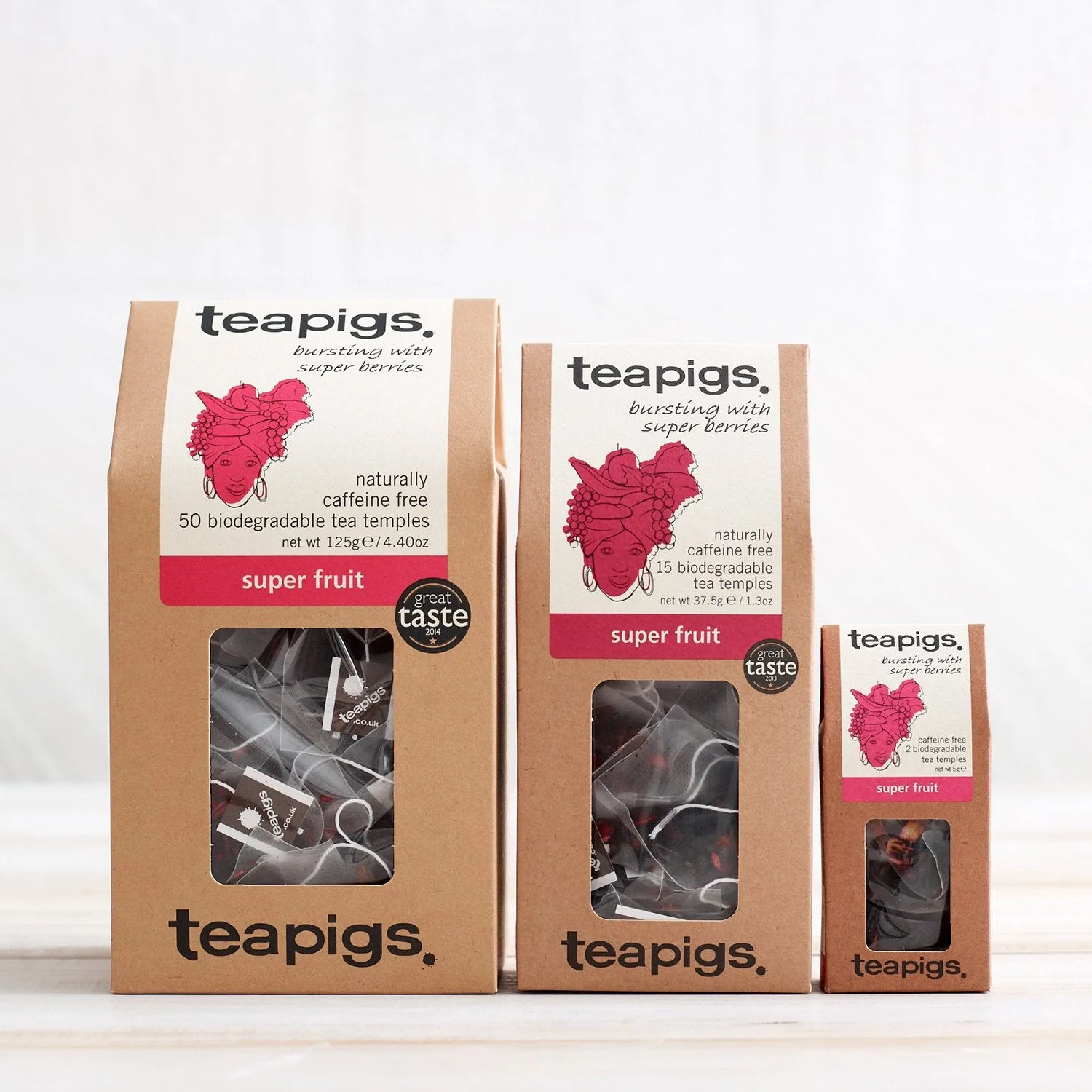
- super fruit tea: Available in convenient tea temples or in pouches of loose leaf. If you choose loose leaf, you'll need an airtight container for storage; tea temples are already portioned and can stay in their original packaging if resealable.
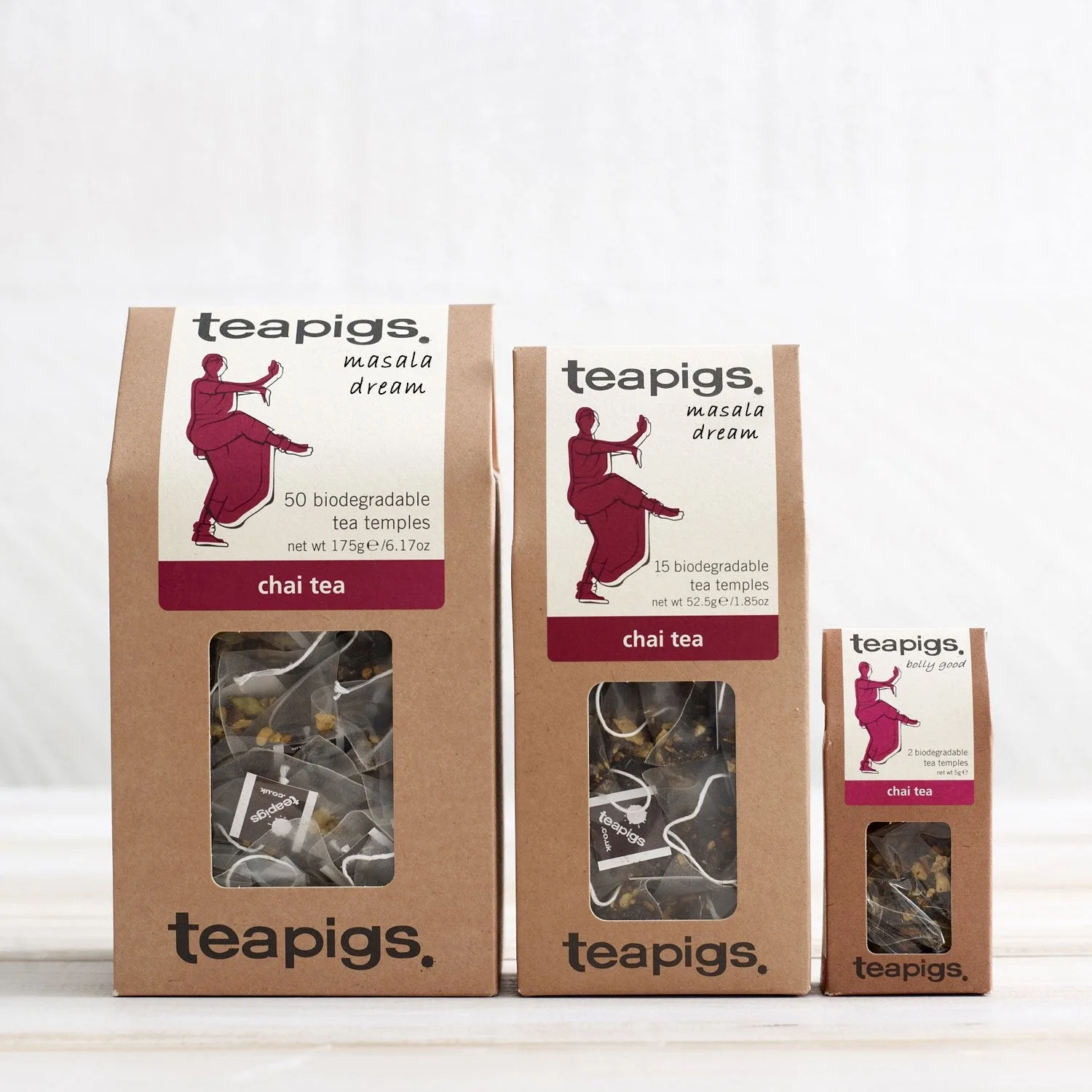
- chai tea: Available in convenient tea temples or in pouches of loose leaf. Loose leaf chai is ideal for bulk storage because you can transfer it to a tin; tea temples are convenient but take up more space per serving.
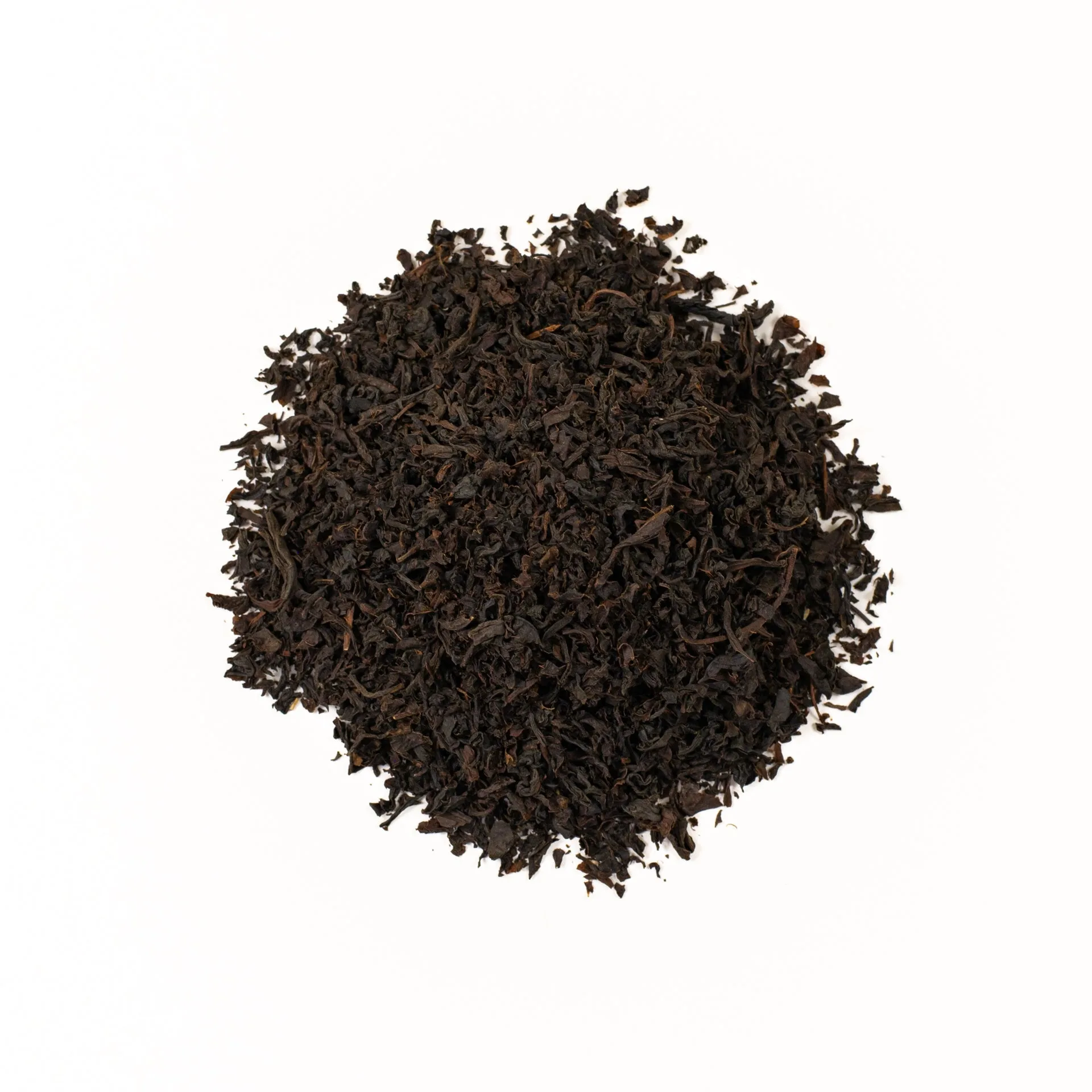
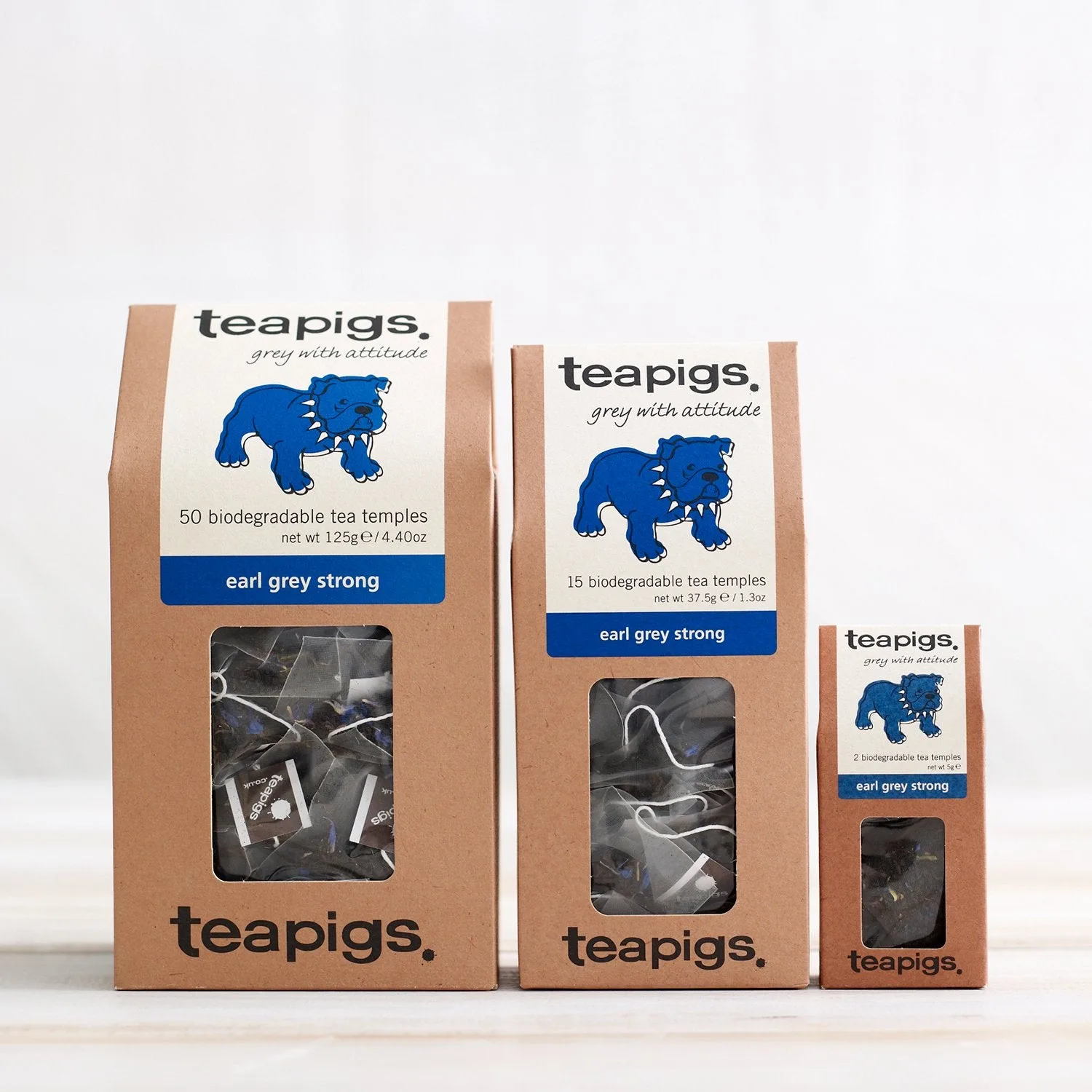
- earl grey strong tea: Available in convenient tea temples or in pouches of loose leaf. If you buy the loose leaf version, store it away from strong spices to prevent flavor transfer, since bergamot aroma is delicate.