Whether you're a casual candy lover or a dedicated collector, nothing beats the joy of unwrapping a perfectly fresh piece of candy. But that first bite can quickly turn disappointing if your sweets have gone stale, melted, or lost their signature flavor. Proper candy storage is the key to preserving texture, taste, and shelf life, and with a few simple tricks, you can enjoy every treat at its peak.
From the chewy goodness of Wild Strawberry to the tangy zing of Sour Watermelon, different candies have unique storage needs. In this guide, we'll walk through the essential candy storage tips to keep your stash fresh, whether you're saving a special box or stocking up for the weeks ahead.
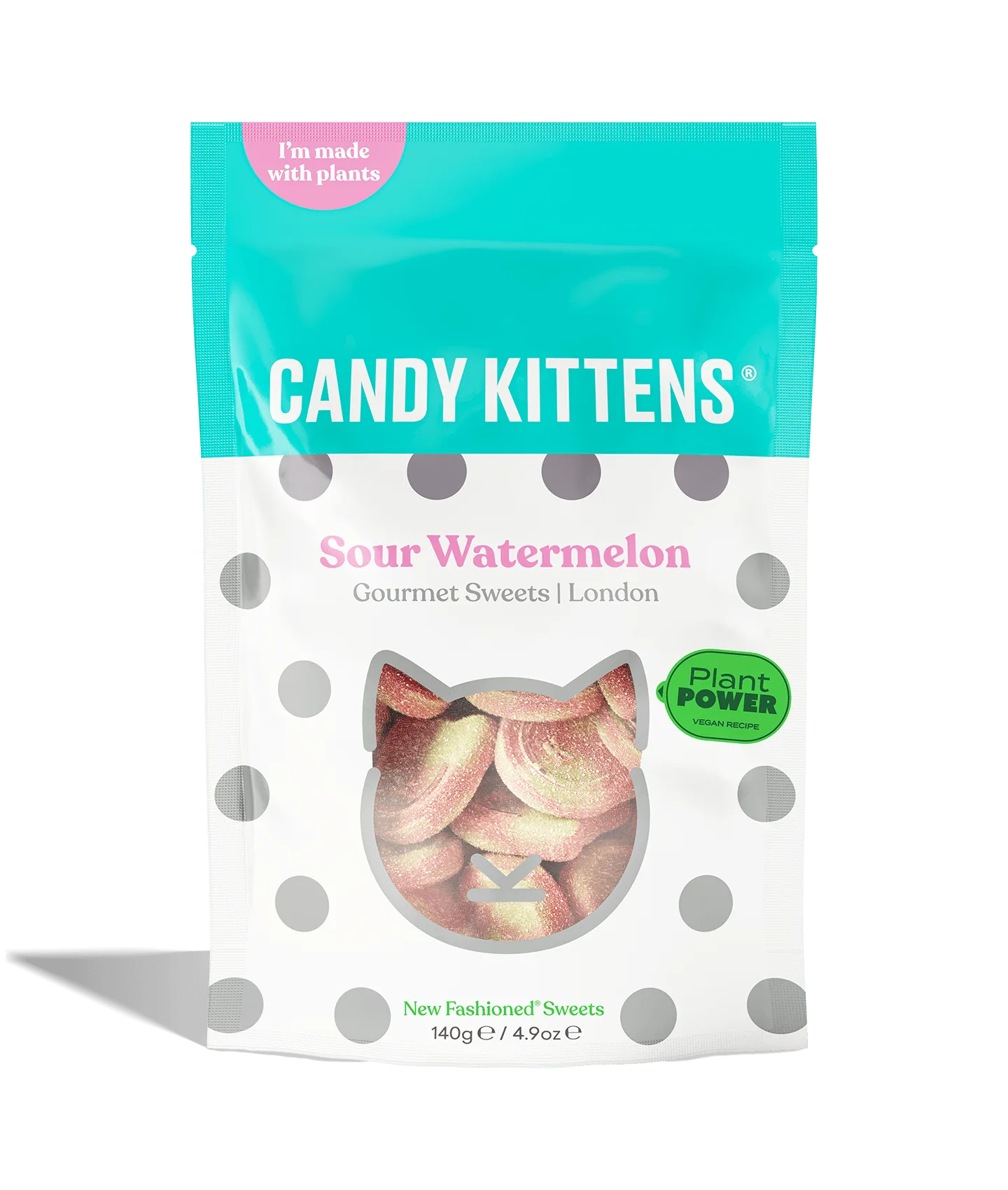
Sour Watermelon
Why Candy Storage Matters
Candy is sensitive to its environment. Heat, humidity, light, and air can all degrade quality over time. Chewy candies may harden, chocolates can bloom, and gummies might become sticky or moldy. Proper storage not only extends shelf life but also ensures every piece tastes as intended by the maker.
For example, our Smittens Taster Box contains a variety of textures and flavors, each needing consistent conditions to stay perfect. By controlling temperature and moisture, you protect the investment in your favorite sweets and avoid waste.
- Heat above 70°F can melt or soften candies, especially chocolate and gummies.
- Humidity above 60% encourages sugar bloom and stickiness.
- Light exposure can fade colors and alter flavors over time.
- Air exposure leads to staleness, especially in hard candies and licorice.
The Ideal Storage Conditions for Different Candy Types
Not all candies are created equal. Gummy and jelly candies, like Sour Watermelon, thrive in cool, dry environments (around 60-65°F) with low humidity. They should be kept in airtight containers to prevent them from absorbing moisture from the air, which can make them sticky or cause sugar crystals to form.
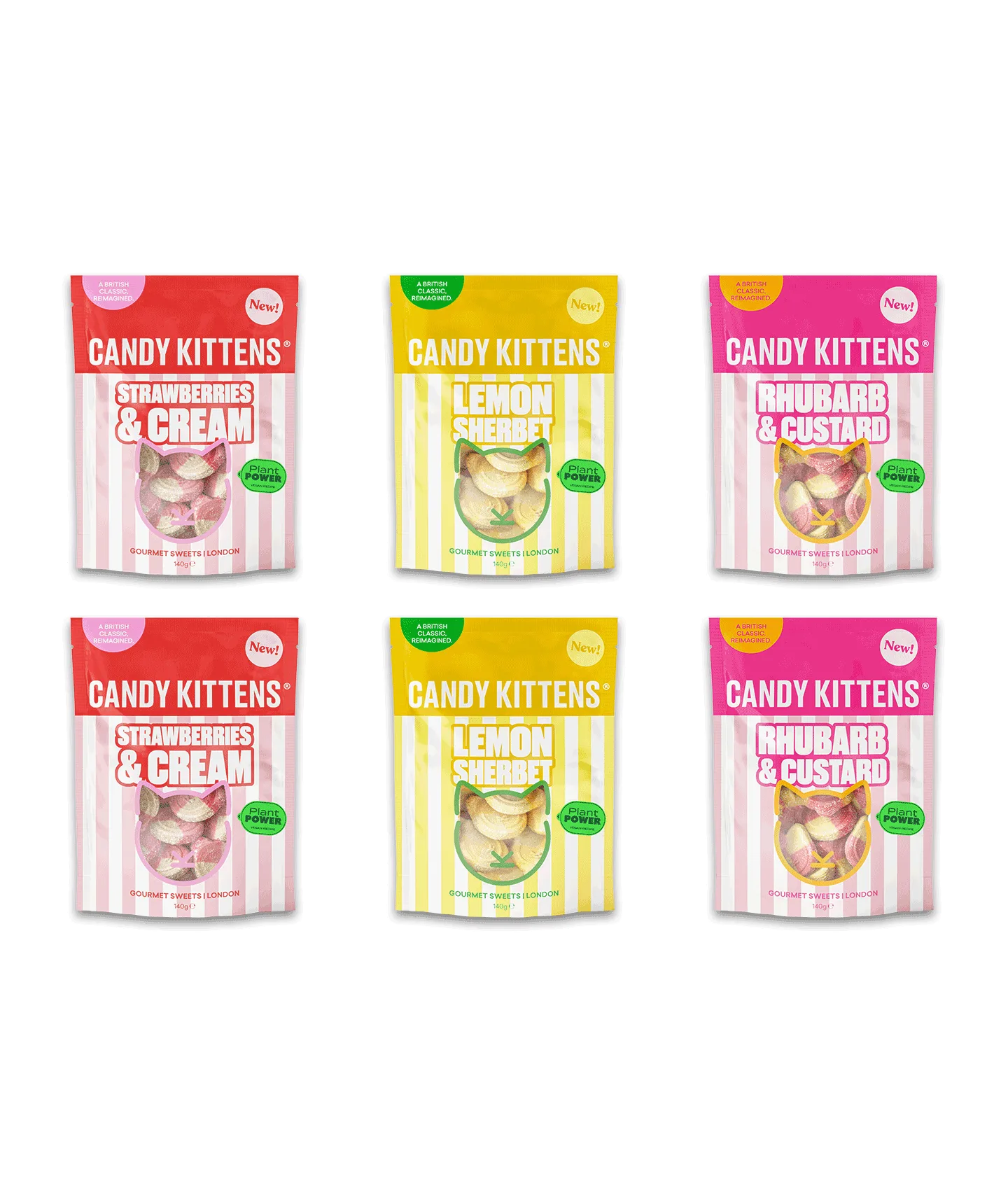
Hard candies and lollipops prefer similar temperatures but are more forgiving of humidity. However, they can absorb odors from strong-smelling foods, so store them separately. Our A British Classic Reimagined: Rhubarb & Custard offers a delicate balance of sweet and tart that can be easily masked by nearby spices or coffee.
- Gummies: Airtight container, cool dark place, consume within 6-12 months.
- Hard candies: Sealed jar or bag, away from heat sources, lasts up to 2 years.
- Chocolate: 60-68°F, 50% humidity, avoid refrigeration (condensation causes bloom).
- Licorice: Cool, dry, airtight; can become brittle if too dry.
Common Mistakes That Ruin Your Candy
One of the biggest errors is storing candy in the refrigerator or freezer without proper packaging. The moisture in fridges can cause condensation, leading to sugar bloom or soggy textures. If you must freeze candy, use a vacuum-sealed bag and thaw it in the packaging to avoid moisture shock.
Another mistake is leaving opened bags in warm areas like near the oven or in a car. A single hot day can turn a box of Wild Strawberry into a sticky mess. Always transfer opened candy into resealable containers or bags, and keep them in a pantry or cupboard away from direct sunlight.
- Don't store candy in the fridge unless it's chocolate (and then only if sealed).
- Avoid plastic bags that aren't airtight; they let in moisture and odors.
- Don't mix different candy types in one container—flavors and textures can transfer.
- Check expiration dates and rotate stock: first in, first out.
How to Extend the Shelf Life of Your Favorite Sweets
For long-term storage, consider using Mylar bags with oxygen absorbers, especially for bulk purchases. This method works well for hard candies and gummies. Alternatively, glass jars with rubber seals are excellent for everyday storage and look great on a countertop.
If you've opened a Smittens Taster Box and want to savor it over weeks, portion out a few pieces at a time and reseal the rest. This minimizes air exposure. For soft candies like Sour Watermelon, you can even add a food-safe silica gel packet to the container to absorb excess moisture.
- Use opaque containers to block light, or store in a dark cupboard.
- Label containers with the purchase date to track freshness.
- Keep candy away from strong-smelling items like onions or cleaning products.
- For gummies, a pinch of cornstarch in the container can prevent sticking.
Storing candy properly is simple once you know the basics: keep it cool, dry, dark, and airtight. By following these tips, you'll enjoy every piece of your favorite sweets at their best, whether you're reaching for a classic Wild Strawberry or a tangy Sour Watermelon. Ready to stock up? Explore our full range of fresh, high-quality candies and find your new favorite treat today.