Quick answer
Wipe wooden puzzles and blocks with a barely damp cloth and mild soap, then dry them completely before storing. Keep them in a cool, dry place, away from direct sun and radiators. Check monthly for splinters, loose paint, or cracks, and remove any damaged pieces from play.
Why wood needs different care than plastic or cardboard
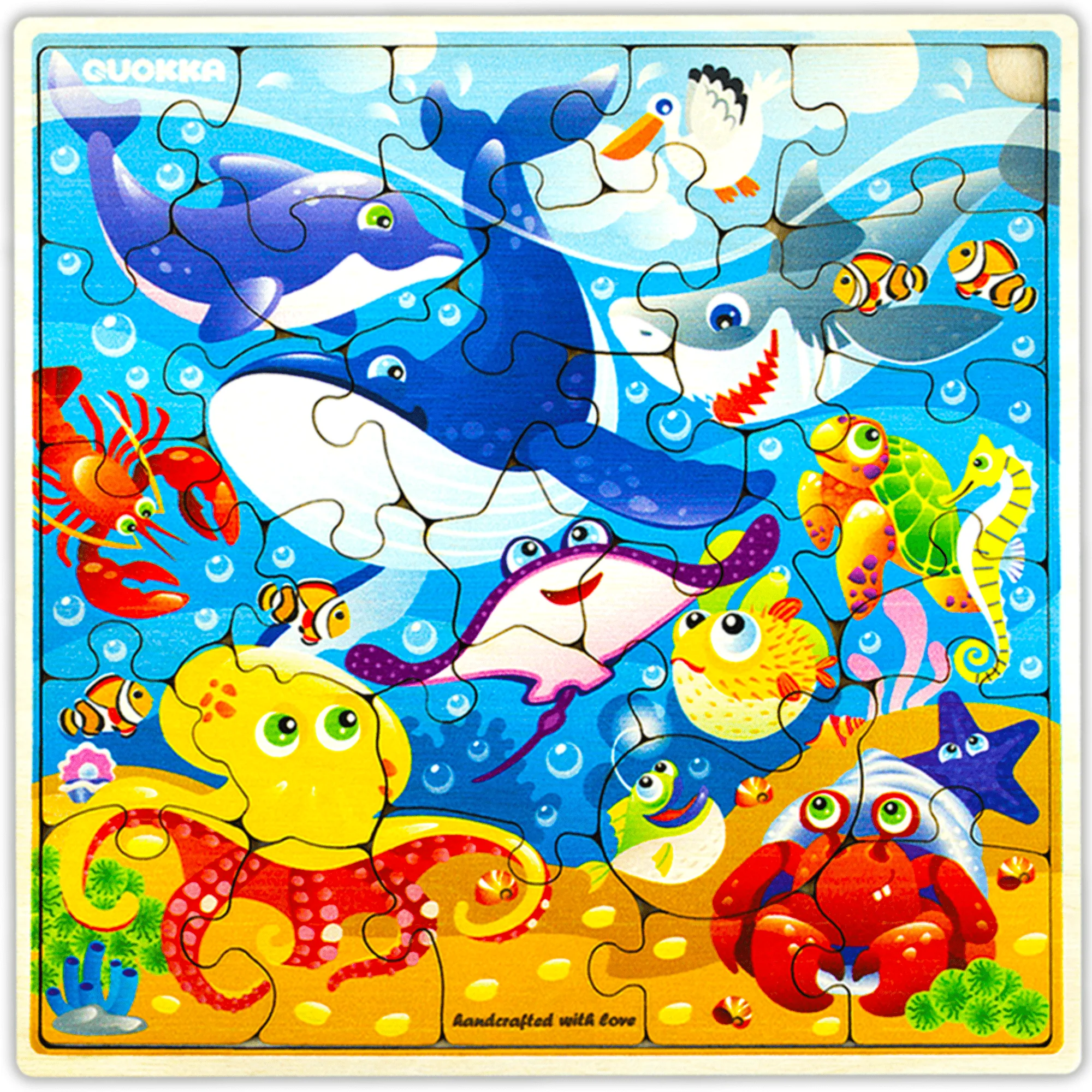
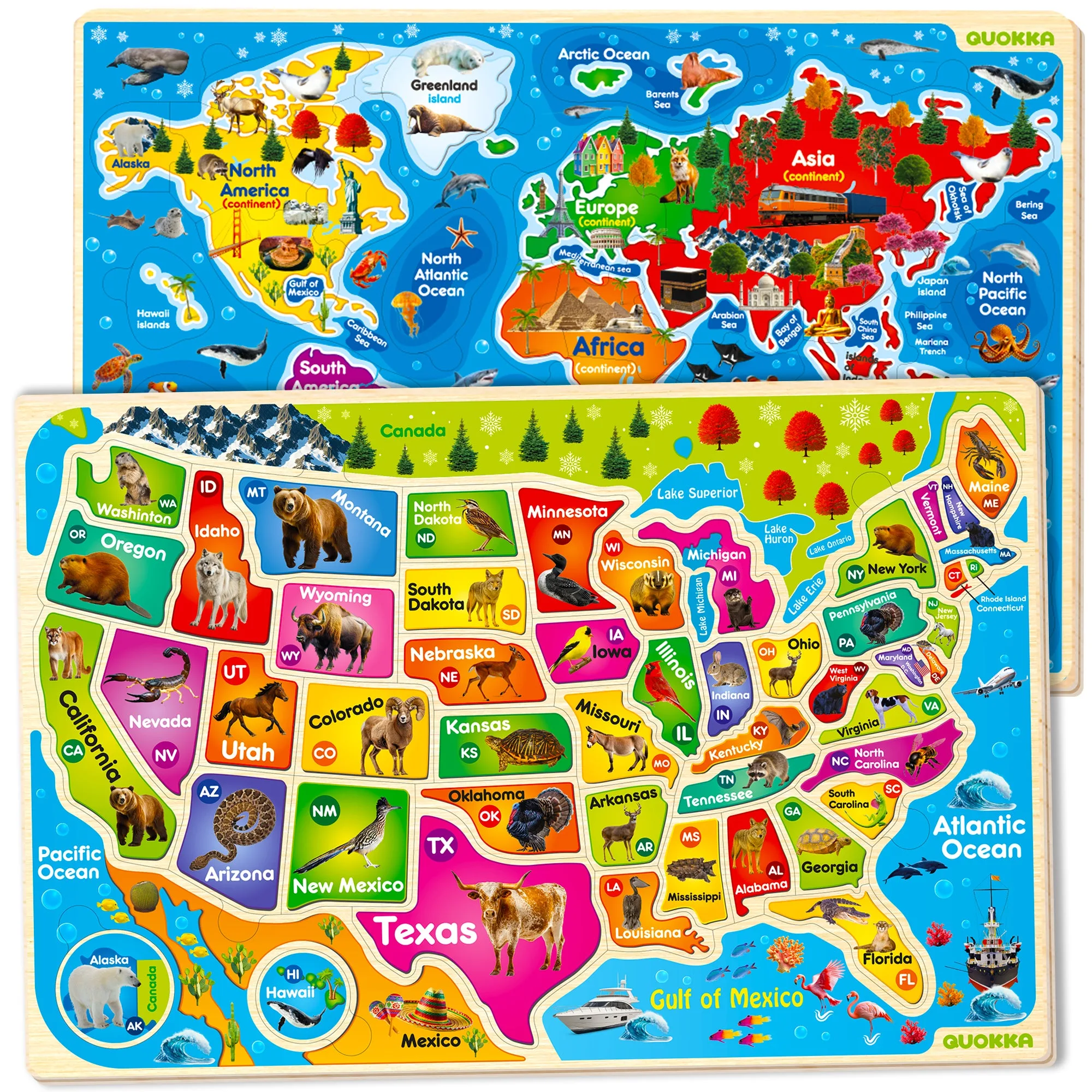
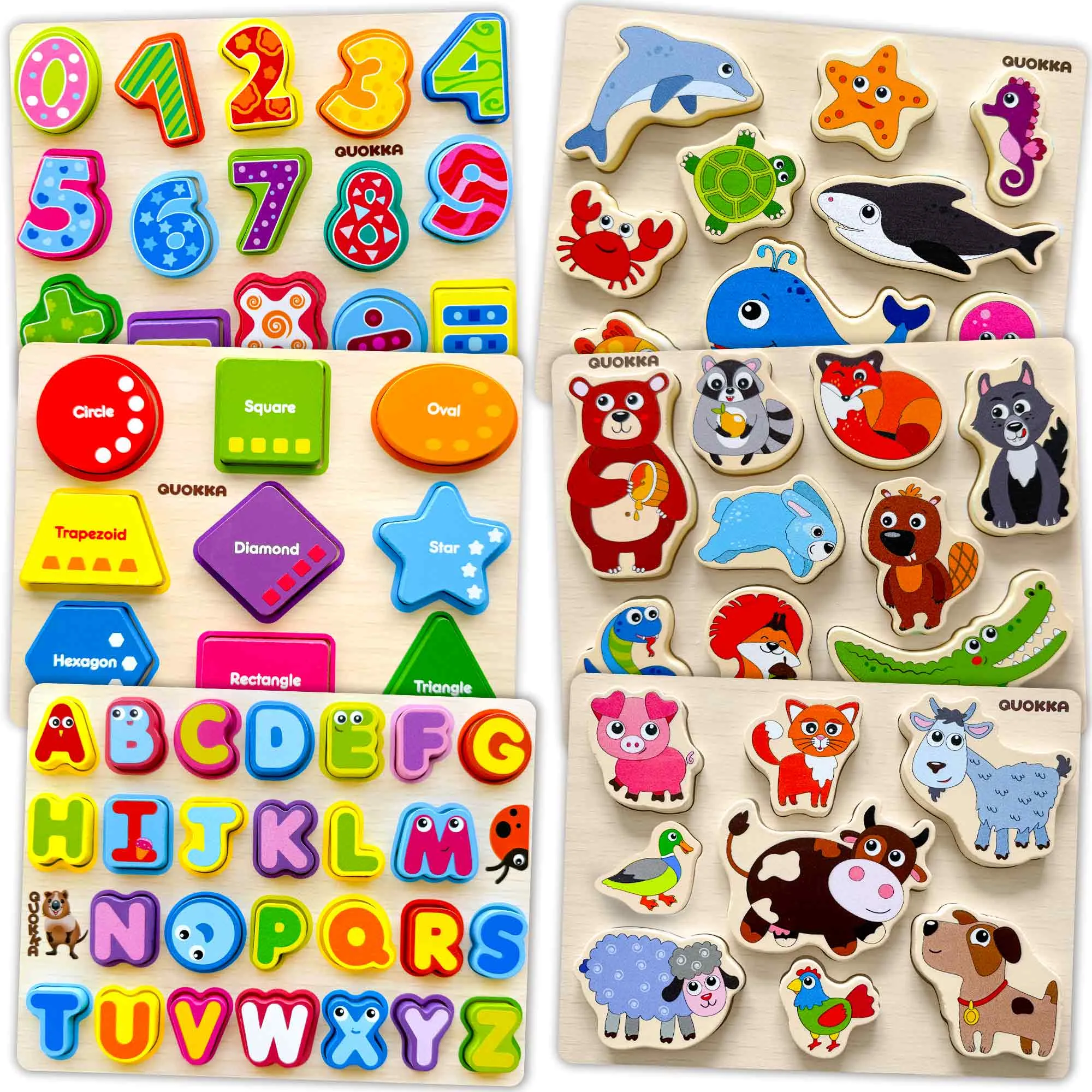
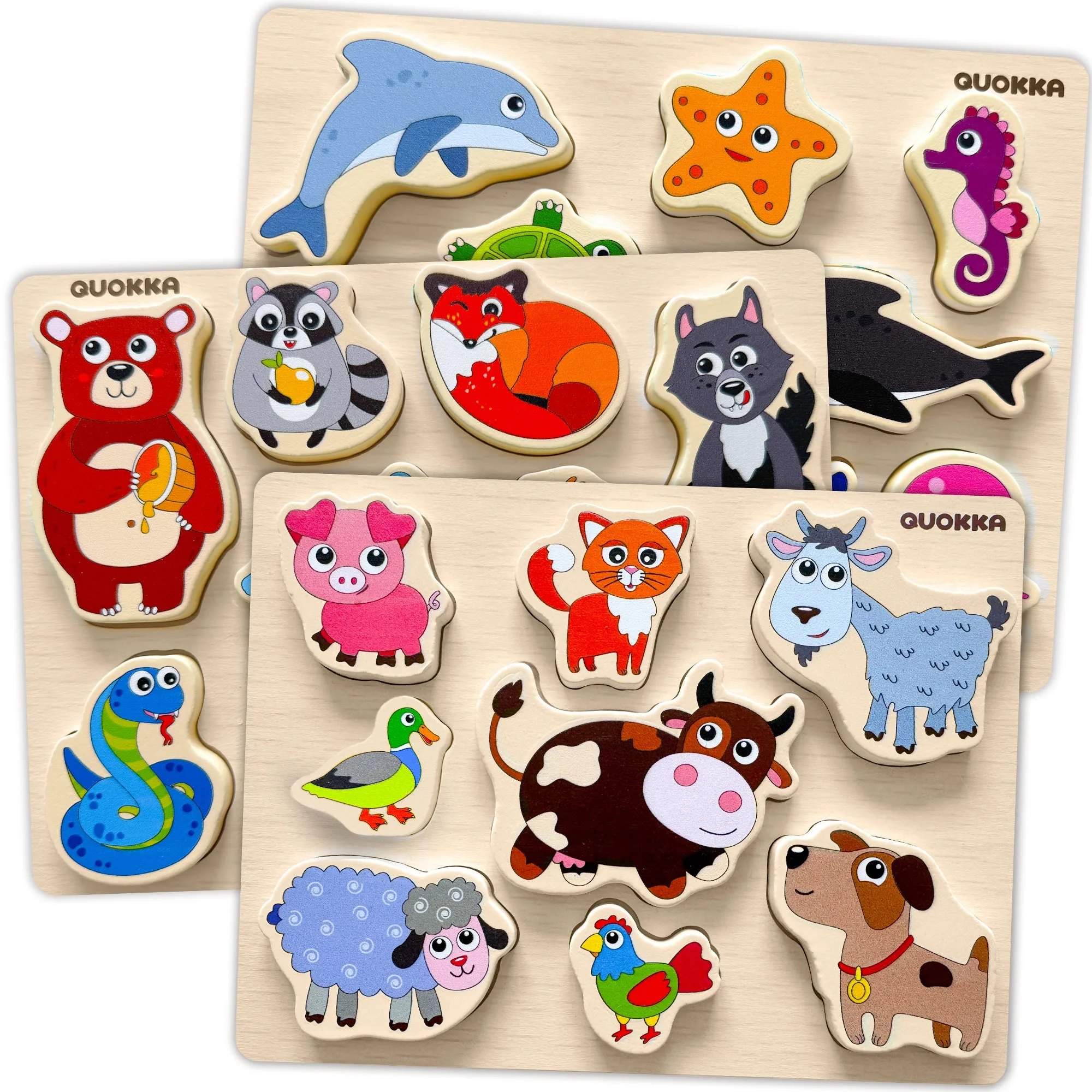
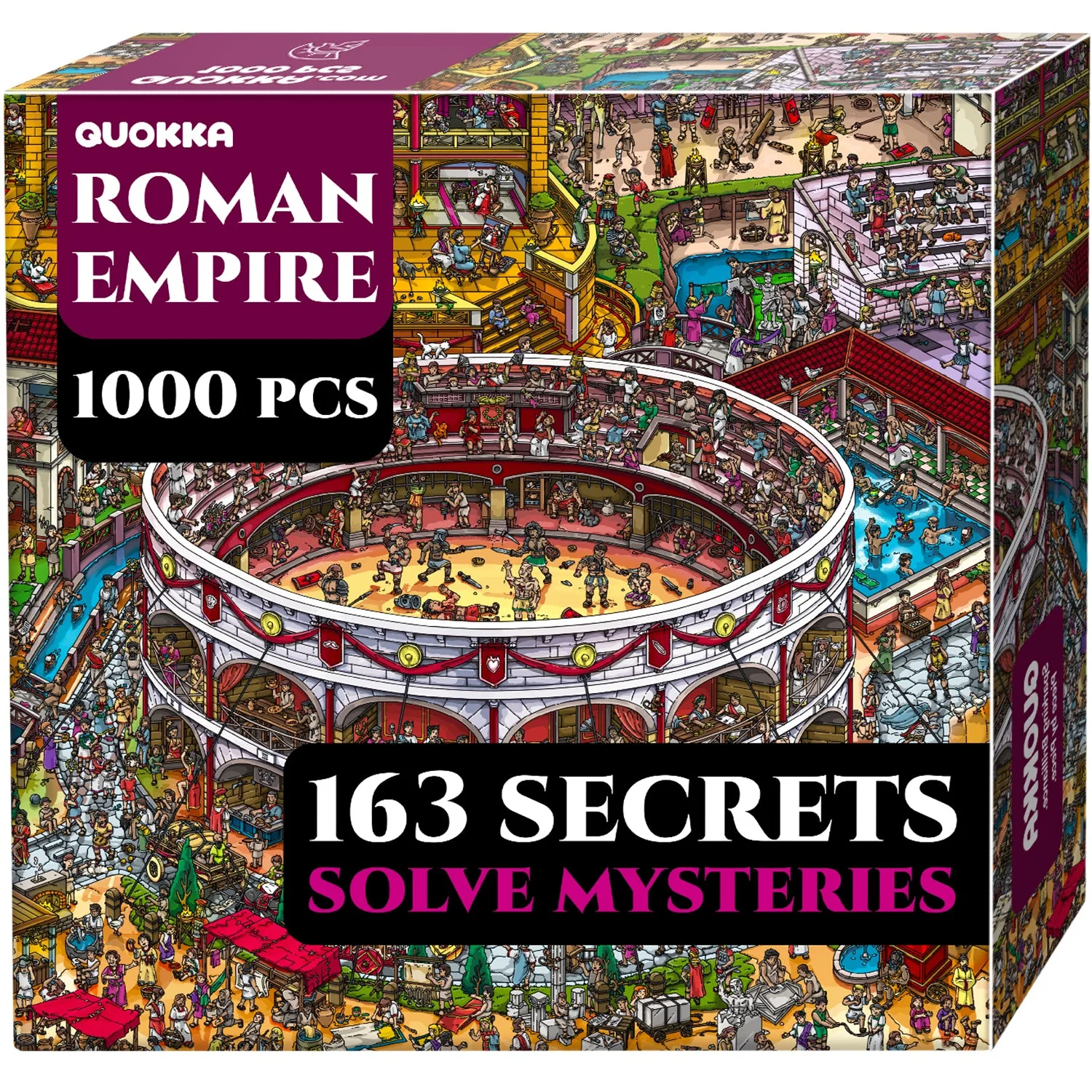
Wood is porous, so it reacts to moisture, heat, and dryness in ways plastic and cardboard do not. Too much water can swell the grain and lift printed images; too much heat can dry and crack the wood; direct sunlight can fade colors over time. That is why the steps below avoid soaking, harsh chemicals, and high heat. They also work for puzzles where the image is printed directly on the wood, such as the wooden body-parts puzzles from Quokka, because the print is water- and scratch-resistant but still benefits from gentle handling.
Everyday habits that prevent most damage
Most wooden toy problems start with small habits: snacks at the puzzle table, pieces left on the floor, or a sippy cup tipped over nearby. Set a simple rule that food and drinks stay away from wooden toys, and give each puzzle a home so pieces do not get lost or stepped on. A quick tidy-up after play takes seconds and prevents the two most common issues: missing pieces and surface stains.
When to clean and when to just wipe
Not every mess needs a full wash. A dry microfiber cloth handles dust and light fingerprints. A barely damp cloth with a drop of mild dish soap is enough for sticky spots or a cold-season wipe-down. Only for a genuine mess, like juice or a marker accident, should you use a slightly wetter cloth, and even then you should dry the piece immediately. Deep soaking, dishwasher cycles, and disinfectant sprays are never recommended for wooden puzzles because they can warp the wood or break down the printed surface.
Storage that protects shape and print
Store wooden puzzles flat or upright in their original box or a breathable cotton bag. Avoid sealed plastic bins for long-term storage because trapped moisture can encourage mold or a musty smell. Keep the storage spot out of direct sun and away from radiators, heating vents, and damp basements. If you stack puzzles, put heavier boxes on the bottom and lighter ones on top so the wood does not warp under uneven weight.
Monthly checks and small repairs
Once a month, run your fingers along the edges of each wooden puzzle piece and block. Feel for rough spots, splinters, or lifted print. If you find a splinter, smooth it gently with fine sandpaper, then wipe away dust. For a small crack, a tiny dot of wood glue and a clamp overnight can extend the toy's life, but only if the piece is not a choking hazard. If a piece is broken, painted with peeling finish, or small enough to swallow, retire it from play. For puzzles aimed at toddlers, always supervise and store pieces out of reach between sessions.
Step-by-step wooden puzzle and block care
- 1. Clear the play area: Remove food, drinks, and craft supplies from the table before you start cleaning. Work on a dry, flat surface like a towel or drying rack so pieces do not roll away. Checkpoint: no open cups or snacks within reach.
- 2. Dust with a dry cloth: Wipe each piece and block with a dry microfiber cloth to remove dust, crumbs, and loose dirt. Do this first so you are not spreading grit around with a damp cloth. Common mistake: skipping the dry step and rubbing dust into the printed surface.
- 3. Wipe with a barely damp cloth: Dampen a cloth with water and a single drop of mild dish soap, then wring it out until it is almost dry. Wipe each piece gently, avoiding seams and edges where water can seep in. Checkpoint: the cloth should feel cool, not wet, and leave no visible moisture behind.
- 4. Dry completely: Stand pieces on edge or lay them flat on a dry towel in a well-ventilated spot. Let them air-dry fully before stacking or storing. Do not use a hair dryer or put them in direct sun, as heat can warp or crack the wood. Common mistake: putting toys away while still damp, which can cause mold or a musty smell.
- 5. Store in a breathable container: Return pieces to their original box or a cotton drawstring bag. Store the box flat or upright in a cool, dry place away from radiators and direct sunlight. Avoid sealed plastic bins for long-term storage. Checkpoint: the storage spot is dry, shaded, and not near a heat source.
- 6. Inspect monthly: Once a month, check each piece for splinters, cracks, or lifted print. Smooth rough edges with fine sandpaper, and remove any piece that is broken, peeling, or small enough to be a choking hazard. Next step: set a recurring monthly reminder on your phone to do a quick safety check.
Wooden puzzles built for this kind of care
- Wooden Puzzles for Toddlers Games Our Body Parts: Quokka's wooden jigsaw puzzles for kids have images printed directly on the wood, which makes them water- and scratch-resistant. This means a quick wipe with a damp cloth is usually enough, and you do not need to worry as much about the print rubbing off during normal cleaning.